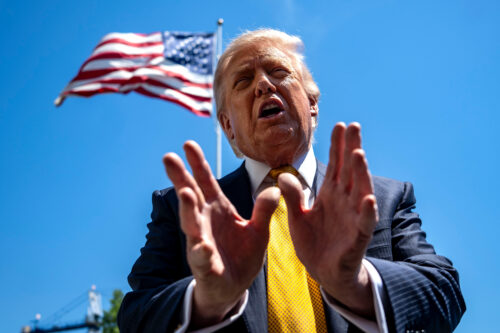
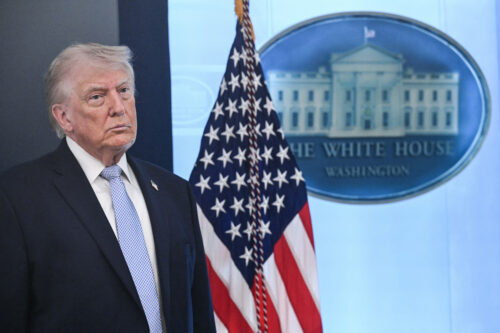
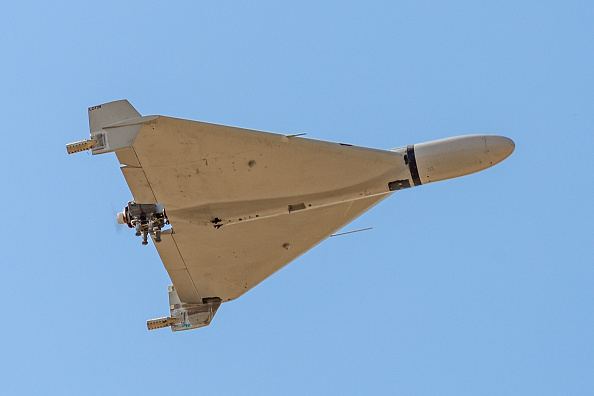
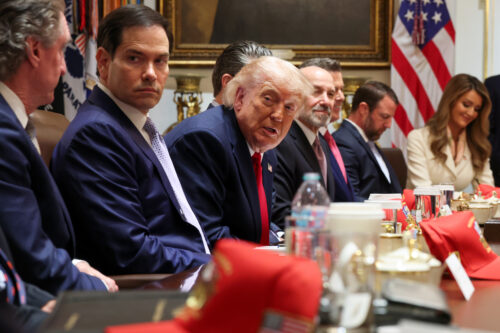
Trump’s active Middle East policy reflects a striking paradox. The United States is more visibly engaged in the region than the “America first” rhetoric suggests, yet its influence over regional outcomes continues to erode. The administration has pursued deals, strikes, and high-profile diplomacy at an intense pace, from defense pacts and investments to the October 2025 Gaza ceasefire and the launch of Operation Epic Fury. But these actions share a common feature. They prioritize announcing action over building the institutional structures needed to make that action durable.
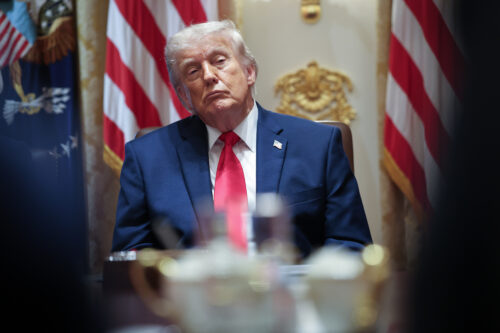
Photo by Saul Loeb/Getty Images
The Middle East Institute (MEI) is an independent, non-partisan, not-for-profit, educational organization. It does not engage in advocacy and its scholars’ opinions are their own. MEI welcomes financial donations, but retains sole editorial control over its work and its publications reflect only the authors’ views. For a listing of MEI donors, please click here.
Trump’s Middle East Peace Dream Won’t Solve the Iran Mess He Made