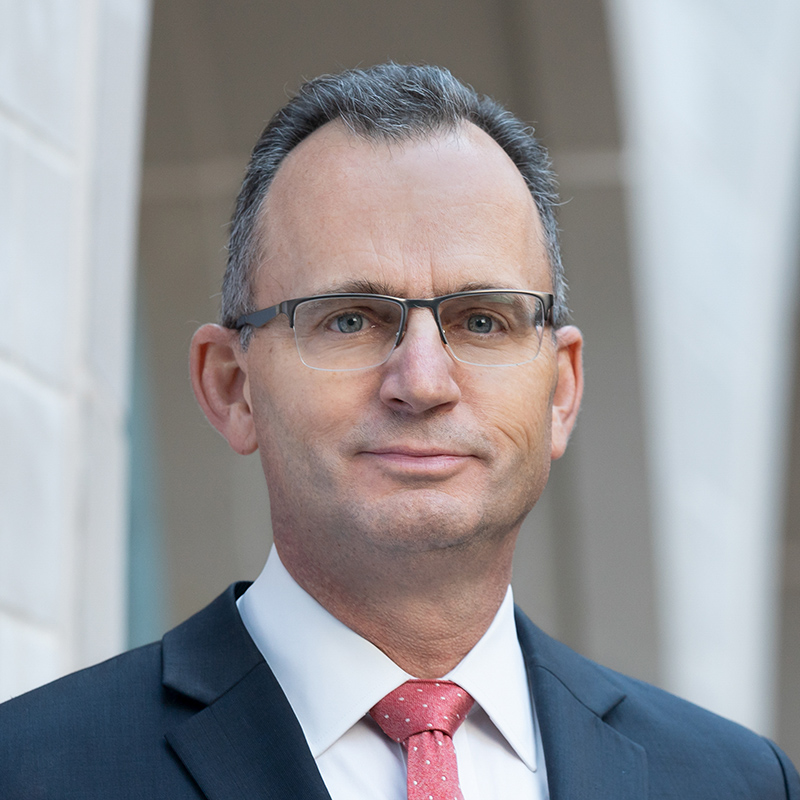
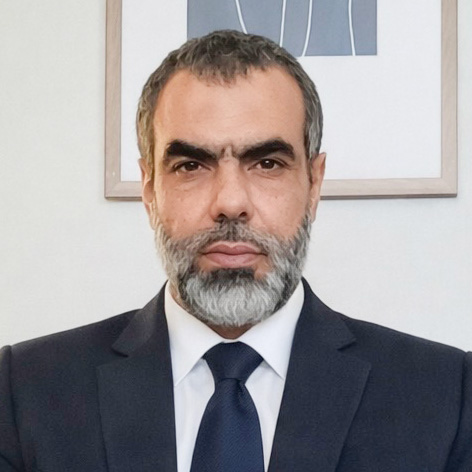
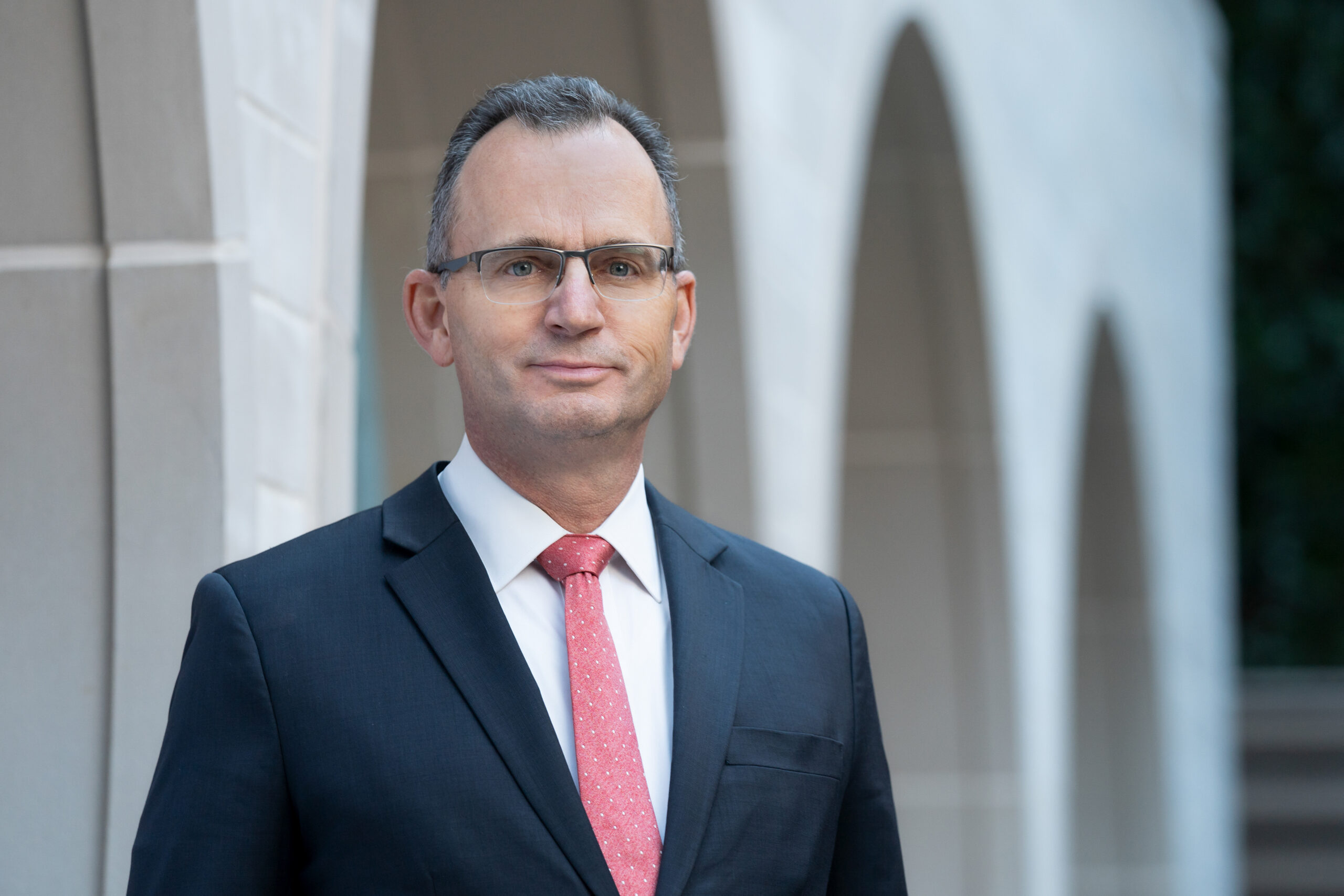
Paul Salem is a former Senior Fellow at the Middle East Institute (MEI). He previously served as MEI’s president and CEO and as vice president for international engagement. His research focuses on political change, democracy and governance, social and economic policy, as well as regional and international relations in the Middle East.
Prior to joining MEI, Dr. Salem was the founding director of the Carnegie Middle East Center in Beirut, Lebanon (2006–2013). From 1999 to 2006, he served as director of the Fares Foundation, and earlier founded and led the Lebanese Center for Policy Studies (1989–1999), Lebanon’s premier public policy think tank.
Dr. Salem is also a musician and composer of Arabic-Brazilian jazz, with his music available on iTunes. He writes regularly on his Substack blog, Thinking Middle East.
He holds a BA, MA, and PhD from Harvard University.
The US Has Secured a Cease-Fire in Lebanon. But Its Role Shouldn’t End There
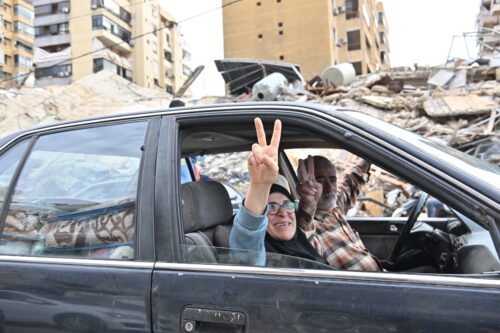
Last Thursday, the US announced a 10-day cease-fire “to enable peace negotiations between Israel and Lebanon”. The State Department statement – reportedly agreed to by both governments – marked a significant diplomatic shift. It included an affirmation that “the two countries are not at war,” a commitment to work toward “full recognition of each other’s sovereignty and territorial integrity,” as well as “achieving a permanent agreement that ensures lasting security, stability, and peace.”
Putting Trump on paper: What the new US strategy documents say about the Middle East
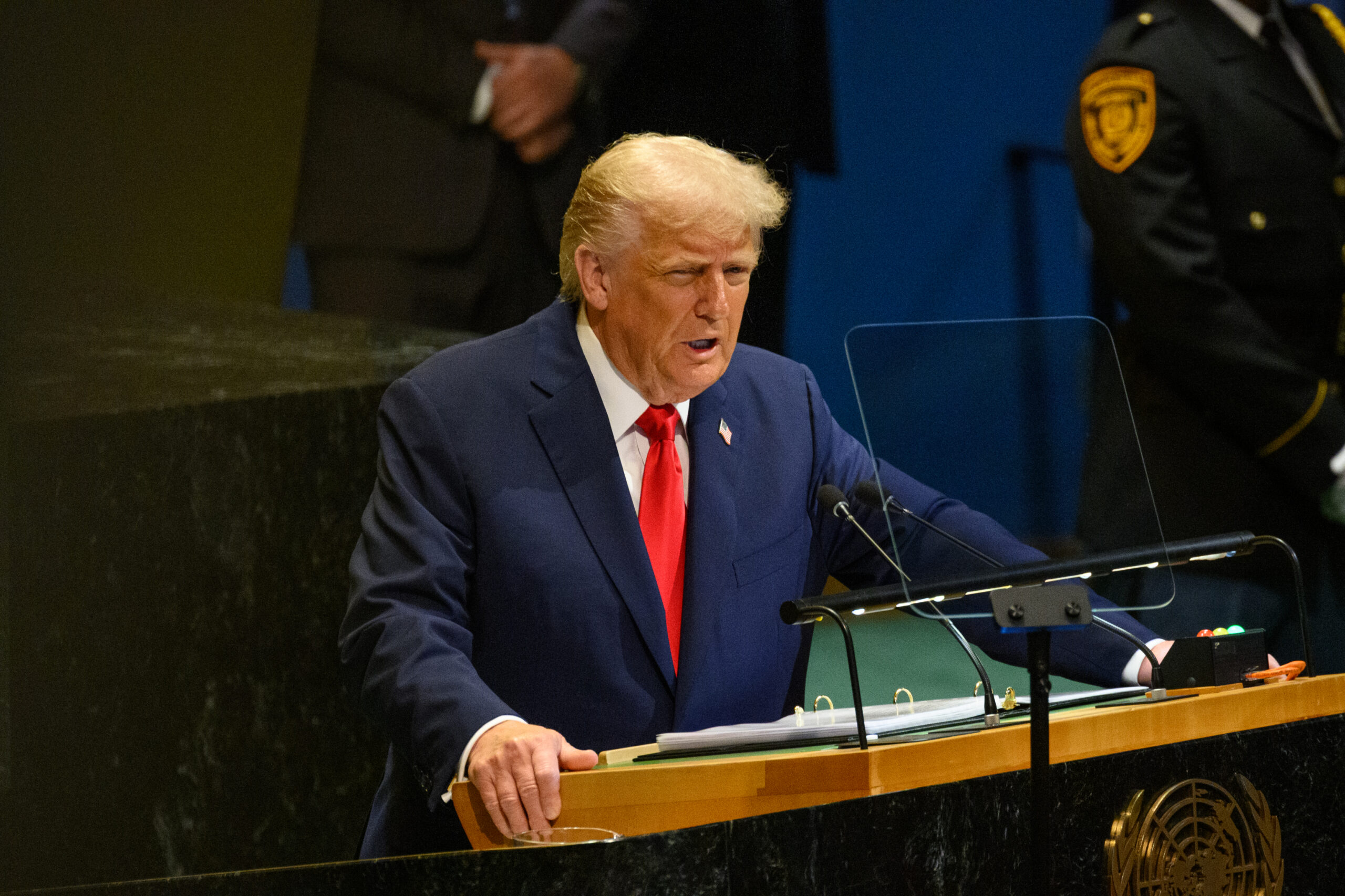
Trying to capture US President Donald Trump’s proudly unpredictable approach to foreign policy in fixed policy documents is inherently difficult. Surprise, leverage and improvisation are not bugs in Mr Trump’s world view; they are features. Yet the administration has now attempted this exercise twice: with the release of the National Security Strategy last December and the National Defence Strategy this January.
Unfinished business will drive the Mideast agenda in 2026
Following another year of pivotal developments and transformational change, the Middle East could be poised to turn the page on many of its long-running conflicts and sources of instability. But lasting fruits of the processes begun in 2025 will require a determined, intentional focus by regional actors and the United States. Given current trends, MEI experts weigh in on where the region may be headed in 2026.
Two years after October 7: A region between disorder and transition
As we approach the two-year mark of the region-wide conflict unleashed by the attacks of October 7, 2023, it is important to take stock of how this poly-crisis has transformed the Middle East—and how it might evolve in the months ahead.
Inflection point or continuing spiral in the Middle East?
After almost two years of fighting in Gaza, and after the decimation of Hizballah, the fall of Bashar al-Assad’s regime in Syria, and the 12-day Israeli-American war on Iran, the Middle East is in new strategic and political territory. Two pathways lie ahead: the first is one in which the gains and changes brought about by war are turned, through intense diplomacy and negotiation, into new international and political arrangements that bring about a period of security and stability in the region; the second is one in which that corner is not turned, and the wars in Gaza, Iran, and potentially Yemen, Syria, and Lebanon, continue indefinitely. The trajectory will depend on the choices of key actors — above all Iran, Israel, and the United States.
The US enters Israel’s war with Iran — MEI experts react
The United States struck three nuclear facilities in Iran on the evening of June 21, in the midst of the ongoing Israel-Iran conflict. MEI scholars provide real-time analysis to help make sense of what this escalation means and what might come next.
The Israel-Iran war: Scenarios for the days — and years — ahead
The evolving confrontation with Israel and the United States places the Islamic Republic of Iran at a critical inflection point. Tehran faces choices that range from limited negotiation and strategic restraint to escalation and eventual collapse. The following analysis explores the key scenarios that could unfold in the coming days, weeks, and years.
The long-term challenges of reconstruction in the Middle East
Reconstruction projects will not be able to rely solely on direct grants and loans. Recovering economies will have to create conditions to attract regional and international investment as well.
How Trump's Gulf visit could transform the Middle East
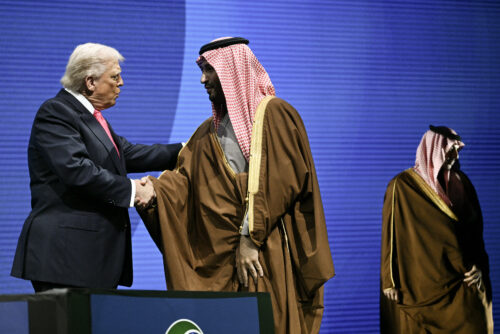
In addition to the many trade and business deals, and the significant political announcements made during Donald Trump’s visit to the Gulf, the trip itself marks an important shift in the geopolitical landscape.
This week, US President Donald Trump makes his inaugural visit to the Middle East since the start of his second term, traveling to Saudi Arabia, Qatar, and the United Arab Emirates on May 13-16. Amid the heightened focus on US policy toward the Middle East, MEI’s experts take stock of Trump’s trip to the Gulf, how his administration has shaped its approach to the wider region in its first several months, and how regional actors are responding to the policies coming out of Washington.
The first two months of Trump 2.0 in the Middle East: Hard push for elusive breakthroughs
President Donald Trump is focused on realizing two transformative breakthroughs that his predecessors failed to accomplish: an end to the Arab-Israeli conflict, centered on a tripartite US-Saudi-Israeli deal, and an agreement between the US and Iran. Both would be historic achievements. So far, however, progress in each case has proven difficult and plodding.
How might Trump's presidency shape regional dynamics?
The punishing Israeli response to the Hamas and Hezbollah attacks of October 7 and 8 has devastated Gaza and Lebanon, decimated Hamas and Hezbollah, contributed to the collapse of the Assad regime in Syria, and dealt the most serious blow to Iran’s axis of influence in many decades.