This individual is a guest contributor. MEI is not able to assist with contact requests.
Randa Slim is a non-resident fellow at the Johns Hopkins University School of Advanced and International Studies (SAIS) Foreign Policy Institute and was formerly director of the Conflict Resolution and Track II Dialogues Program at the Middle East Institute. A former vice president of the International Institute for Sustained Dialogue, Slim has been a senior program advisor at the Rockefeller Brothers Fund, a guest scholar at the United States Institute of Peace, a program director at Resolve, Inc, and a program officer at the Kettering Foundation. A long-term practitioner of Track II dialogue and peace-building processes in the Middle East and Central Asia, she is the author of several studies, book chapters, and articles on conflict management, post-conflict peace-building, and Middle East politics.
The Middle East Dialogue, a panel of regional and extra-regional experts convened by the Middle East Institute’s Conflict Resolution and Track II Dialogues Program and the Middle East Council for Global Affairs, met in Doha, Qatar, on May 21-22, 2024, to explore regional political and economic dynamics. This moderator’s report provides a summary of the issues and recommendations discussed.
After Hezbollah’s retaliation, no broader war for now, but the conflict drags on
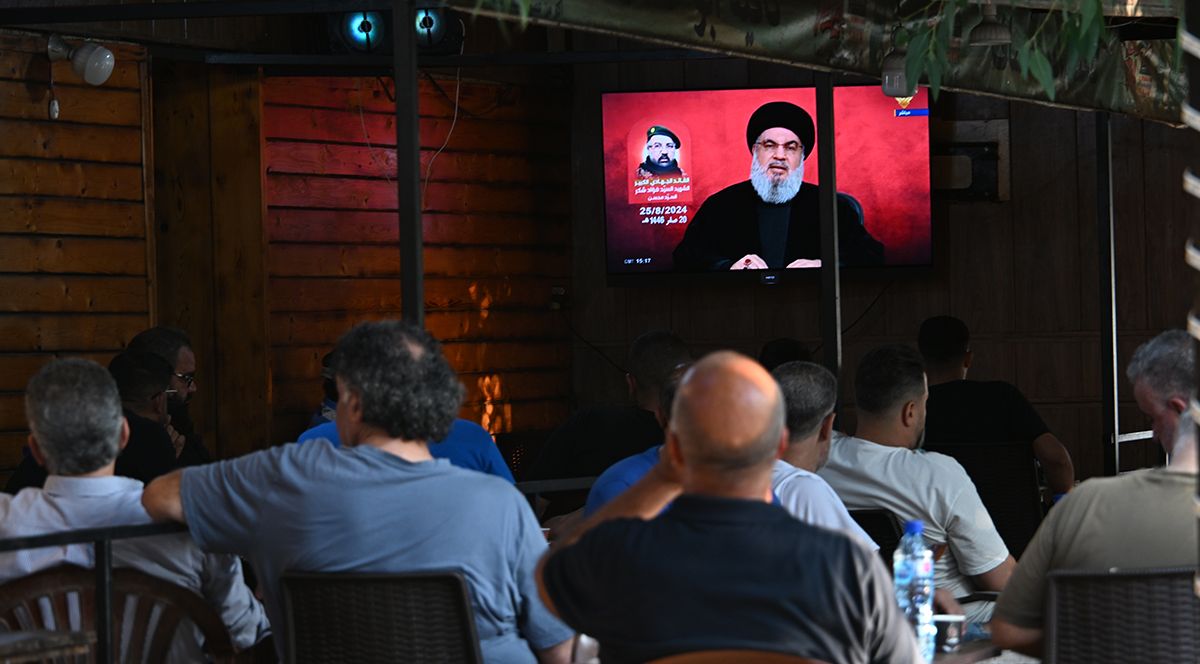
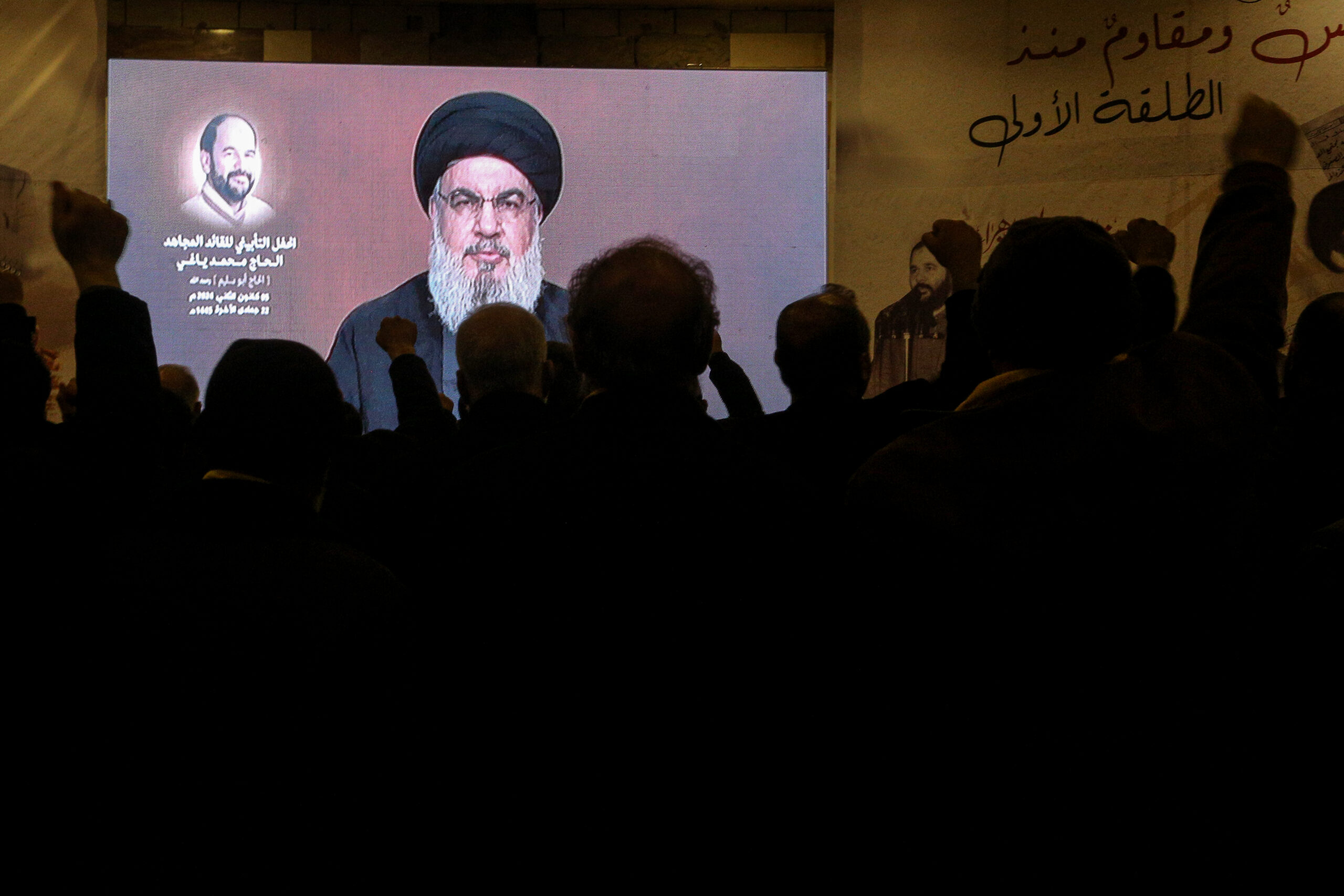
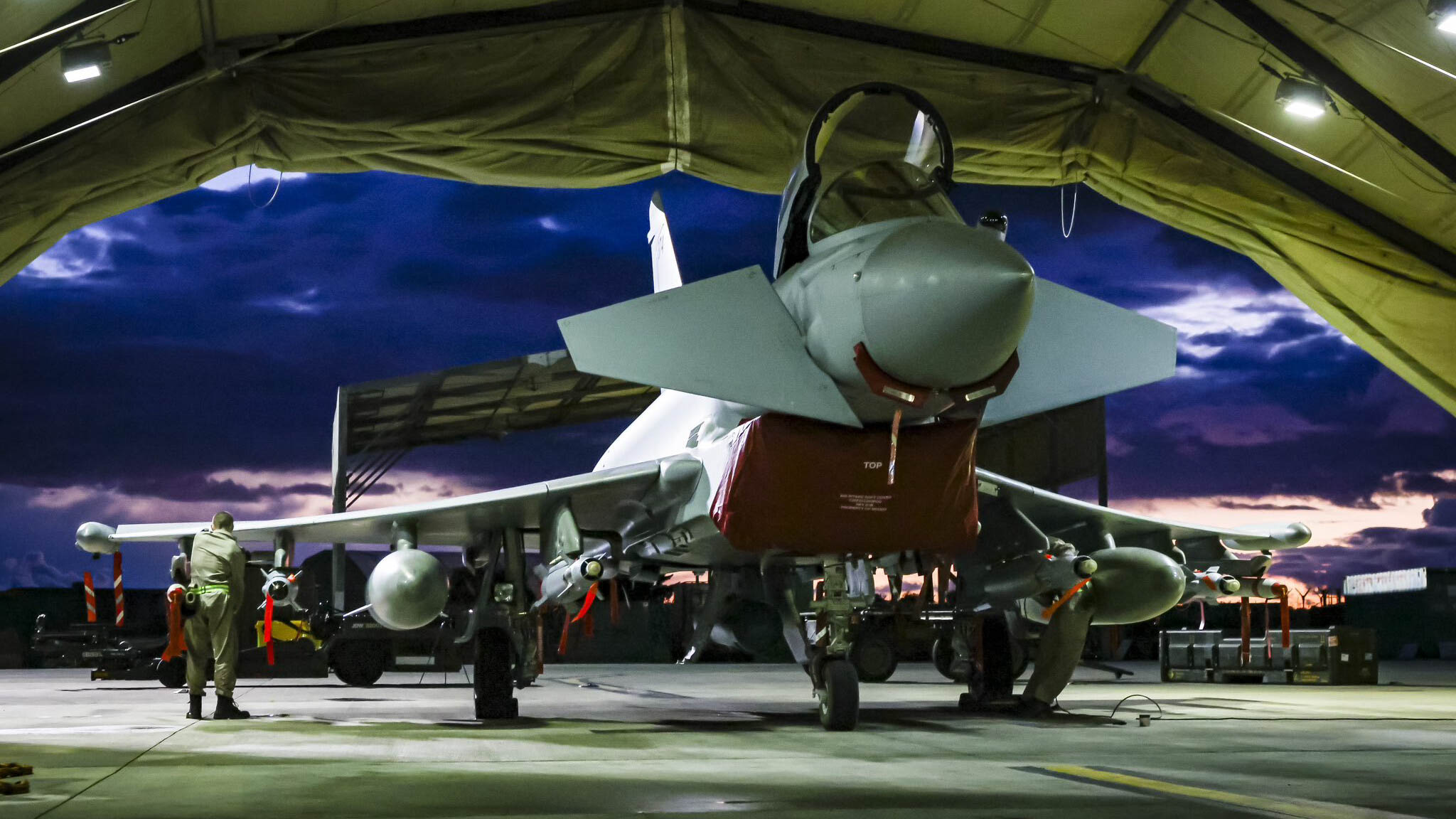
On Aug. 25, Hezbollah retaliated for Israel’s assassination of senior commander Fuad Shukr on July 30, launching 340 rockets and tens of drones from southern Lebanon and the eastern Beka’a region. Hezbollah’s retaliation started shortly after Israel undertook what it called a “preemptive strike,” in which 100 fighter jets targeted Hezbollah military sites, including rocket launching platforms, to thwart a larger attack that, according to Israeli officials, involved up to 6,000 rockets.
Monday Briefing: The Middle East is the closest it has ever been to an all-out war
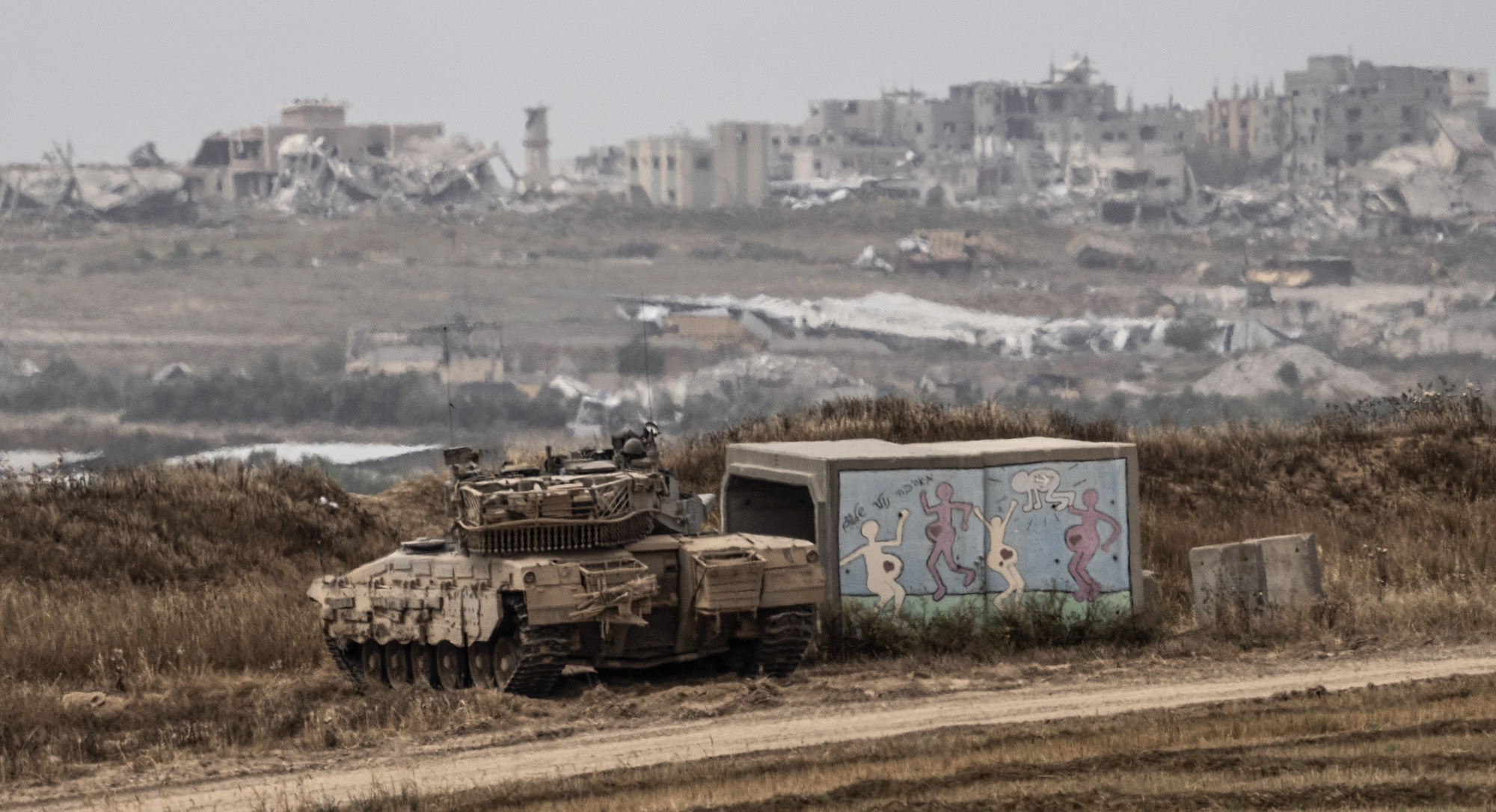
After 10 months of Israel’s war on Gaza, the US administration has lost control over its ally and the fear of its opponents. As a result, Washington has only limited, if any, impact on the cost-benefit escalation calculus of the fighting sides. The Middle East is today the closest it has ever been to an all-out multi-front regional war.
Expert Views: How should we navigate the new rules of the game in the Israel-Iran conflict?
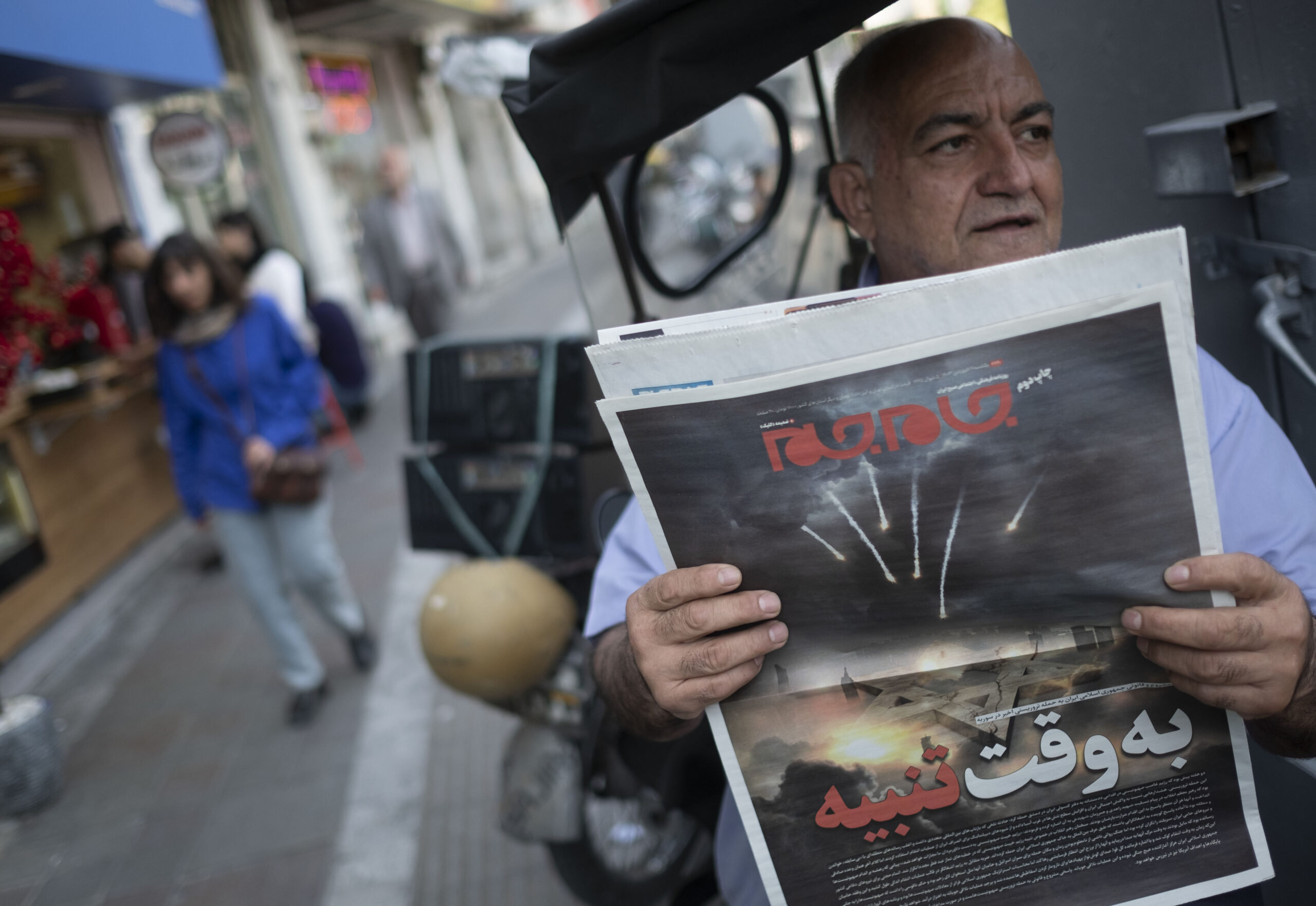
The month of April saw a series of unprecedented escalations in the long-simmering Iranian-Israeli conflict, with both countries launching missile and drone attacks against the other’s territory for the first time in history.
In the wake of these strikes, what will be the impact on the regional security and political environment going forward, what is needed to stabilize the new rules of the game, and how can US diplomacy help to facilitate that process? MEI has asked its experts to weigh in.