This individual is a guest contributor. MEI is not able to assist with contact requests.
Dr. Ilan Peleg, the Charles A. Dana Professor of Government and Law at Lafayette College and a former adjunct scholar at The Middle East Institute in Washington, D.C., is the author or editor of ten books, including Democratizing the Hegemonic State (2007) and, with Dov Waxman, Israel’s Palestinians: The Conflict Within (2011), both published by Cambridge University Press.
Education:
B.A. at Tel Aviv University; M.A. at Tel Aviv University; M.A. at Northwestern University; Ph.D. at Northwestern University
Countries of Expertise:
Israel, Palestinian Territories
Issues of Expertise:
Israeli-Palestinian Conflict, Arab Minority in Israel, Majority-Minority Relations in Democratic Countries
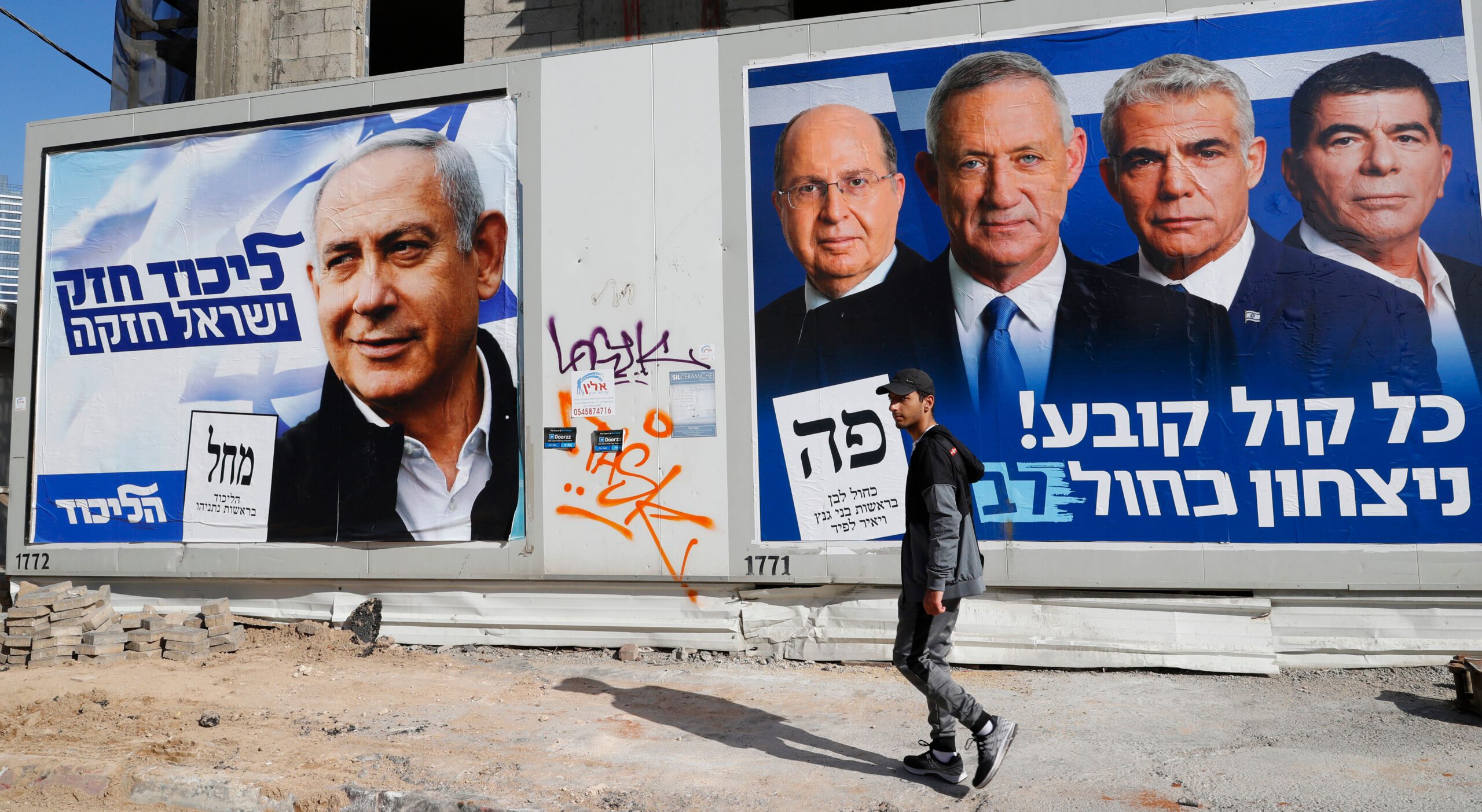
Israel’s general election, to be held next Tuesday, April 9, is full of even more sound and fury than usual, but it isn’t at all clear what it will signify.
One of the more enduring characteristics of Israel’s electoral campaigns is their ability to produce surprises, often with considerable political consequences.
Within a mere few years after World War II the Middle East was remade. The creation of the State of Israel in 1948 and its consequences helped propel that part of the world to what seems to be a permanent and unenviable spot on any list of world crises.