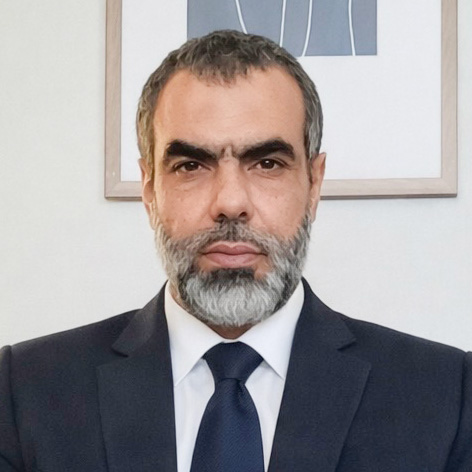
This individual is a guest contributor. MEI is not able to assist with contact requests.
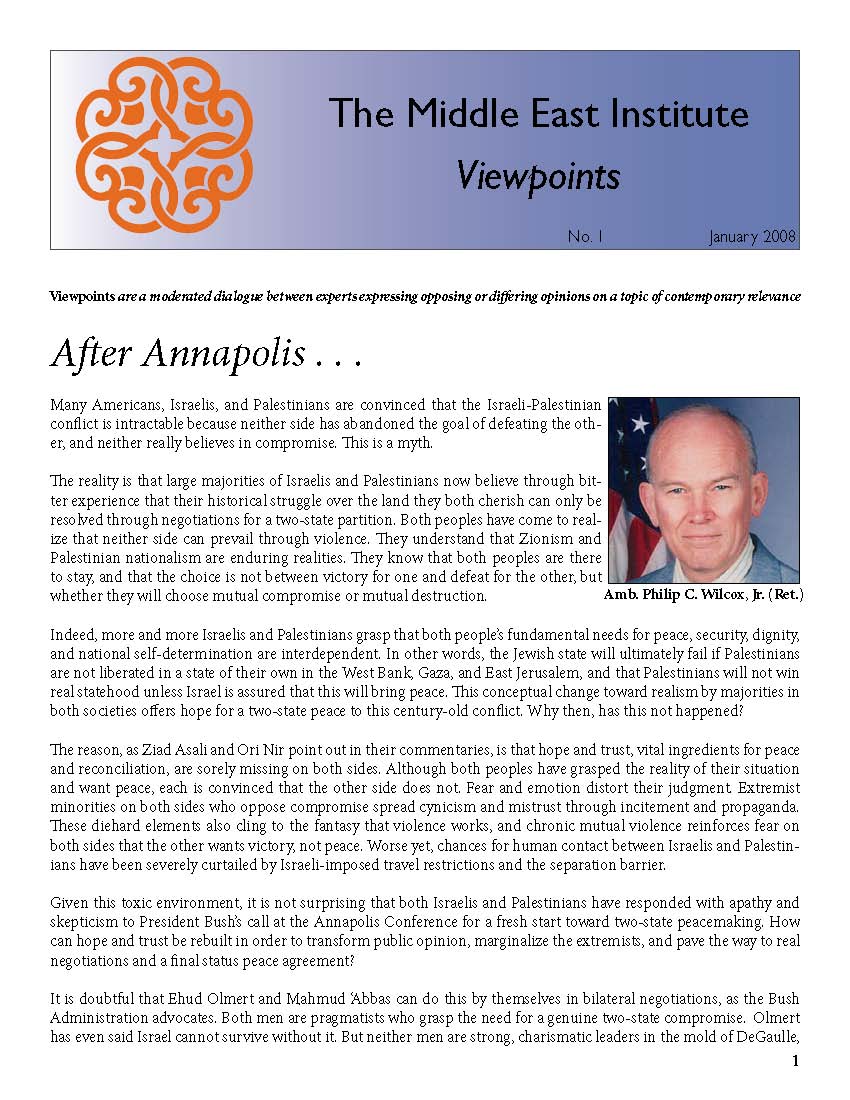
Ambassador Philip C. Wilcox, Jr. retired from the U.S. Foreign Service in 1997 after a 31-year career, and was president of the Foundation for Middle East Peace until 2014. He previously served as press attaché in Vientiane, Laos, political and economic-commercial officer in Jakarta, Indonesia, and chief of the Economic-Commercial Section in Dhaka, Bangladesh. His last overseas assignment was as chief of mission and consul general in Jerusalem. Ambassador Wilcox served as special assistant to the undersecretary for management, deputy director for U.N. political affairs in the Bureau of International Organization Affairs and as director for regional affairs in the Bureau for Middle Eastern and South Asian Affairs. He also held the positions of director for Israeli and Arab-Israeli affairs and deputy assistant secretary of state for Middle Eastern affairs.
Mr. Wilcox is a graduate of the National War College. He has been awarded the Department of State’s Meritorious, Superior, and Presidential Honor Awards. He is a member of the board of American Near East Refugee Aid (ANERA) and a member of the Washington Institute for Foreign Affairs and Dacor-Bacon House. After his retirement, Mr. Wilcox was appointed by the secretary of state to serve as a member of an accountability review board, chaired by Admiral William Crowe, to investigate the terrorist bombing of the U.S. embassy in Nairobi, Kenya on August 7, 1998.
Israeli Elections and U.S. Policy Reevaluation: What Lies Ahead?
The Obama administration has lost all patience with Israeli Prime Minister Benjamin Netanyahu’s defiant challenges to two basic U.S. goals: a two-state Israeli-Palestinian peace and a nuclear deal with Iran. Netanyahu’s hostility and the emergence after the March 15 elections of a new, more right-wing coalition, have triggered a major crisis in relations and an apparent decision by Obama to “reevaluate” U.S. policy.
The Cruel War in Gaza Calls for a New Approach to Peace
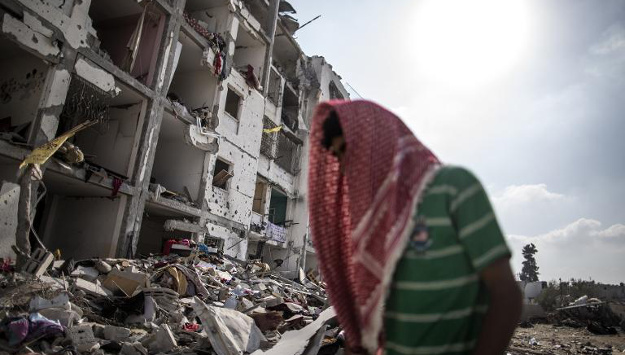
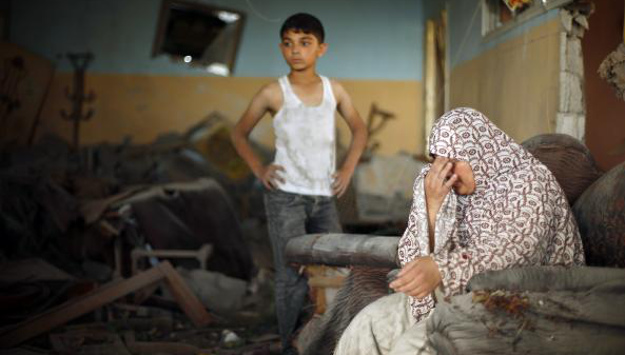
The terrible war in Gaza, the third and worst of its kind in the last decade, is a product of Palestinian political disarray, Arab disunity, and division in Israel. Washington’s policy of “no direct talks” with Hamas and bitter partisanship between the White House and Congress have also limited effective U.S. intervention. As such, this latest tragedy is yet another symptom of decades of failure to resolve the larger Israel-Palestine conflict, which, without major policy changes, will surely drag on regardless of the latest cease-fire.
Amb. Philip Wilcox, MEI scholar and president of the Foundation for Middle East Peace, discusses the motivations that led to the current escalation of hostilities between Israel and Hamas, and why Israel decided to pursue a ground assault in Gaza.
Israel’s ground assault continues an historical pattern of dealing with threats from adversaries. How well has this strategy worked before?
Kerry’s Proposed “Framework” Offers Way Forward for Israel/Palestine
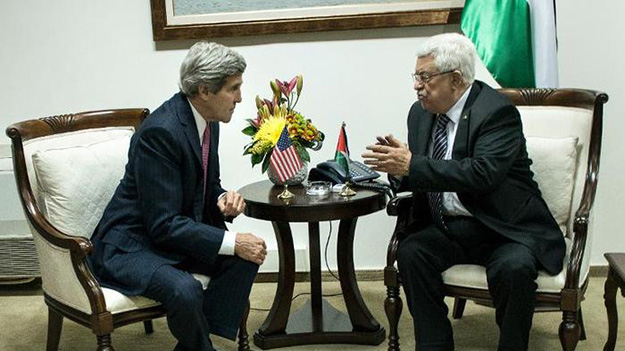
John Kerry’s extraordinary efforts to make peace between Israel and Palestine through six months of bilateral talks have produced no significant results. Kerry, determined to succeed, is turning to a “framework” that would create a new basis for continued negotiations. The framework has not yet been released. But if it is a clear outline of an American plan for peace, not just a collection of ideas that avoids laying out U.S. positions, it could be a game changer.
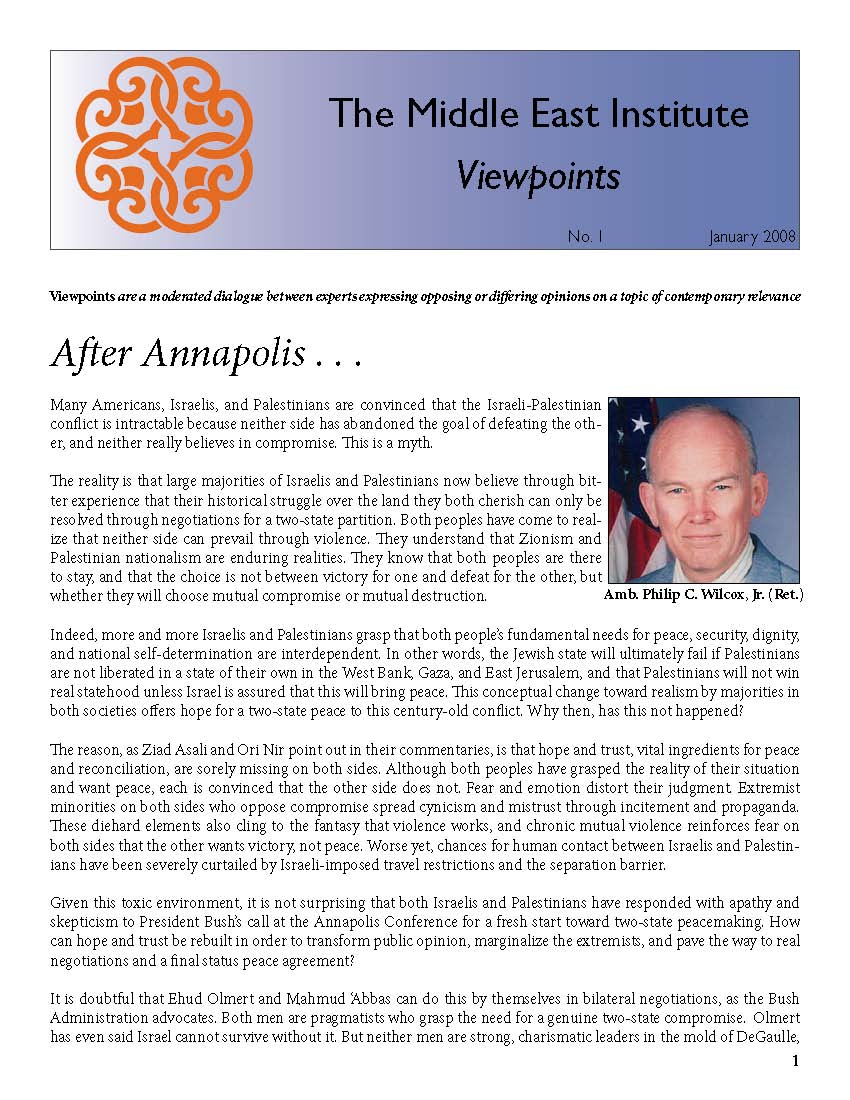
Many Americans, Israelis, and Palestinians are convinced that the Israeli-Palestinian conflict is intractable because neither side has abandoned the goal of defeating the other, and neither really believes in compromise. This is a myth.
Many Americans, Israelis, and Palestinians are convinced that the Israeli-Palestinian conflict is intractable because neither side has abandoned the goal of defeating the other, and neither really believes in compromise. This is a myth.