The Hormuz Shock: Exposure, Resilience, and Structural Shifts
منشورات خارجية
February 28, 2026
شارك
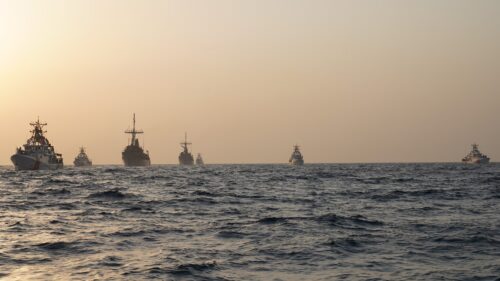
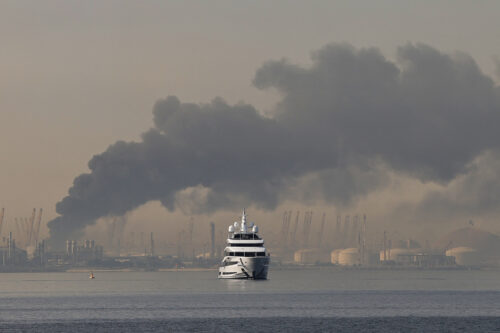
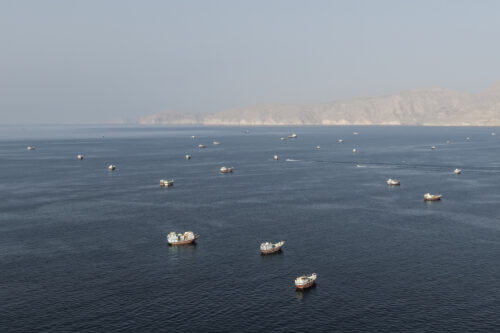
The U.S.–Israeli war with Iran has effectively closed the Strait of Hormuz, the corridor between Iran and Oman that carries roughly 20 percent of global oil and LNG. Within ten days, tanker flows halted, Brent crude surged toward $120 a barrel, and hundreds of vessels were delayed or rerouted. Since then, six vessels have come under attack in Gulf waters. In the first official statement attributed to him since assuming office, Iran’s new Supreme Leader, Mojtaba Khamenei, said Tehran would continue efforts to block the Strait.
The impact of the closure will ultimately hinge on its duration. A disruption lasting days would be severe but manageable, while weeks could trigger cascading supply, price, and financial shocks. What had long been a tail risk has become reality, with uneven effects across producers, importers, and transit economies.
Photo by Iranian Foreign Ministry/Handout/Anadolu via Getty Images
معهد الشرق الأوسط (MEI) هو منظمة تعليمية مستقلة وغير حزبية وغير ربحية. لا يشارك المعهد في أي أنشطة دعوية، وآراء الباحثين فيه تعبر عن آرائهم الشخصية. يرحب المعهد بالتبرعات المالية، لكنه يحتفظ بالسيطرة التحريرية الكاملة على أعماله، ولا تعكس منشوراته سوى آراء المؤلفين. للاطلاع على قائمة المتبرعين للمعهد، يرجى النقر هنا.