Dr. Stephen J. Blank is Senior Fellow at Foreign Policy Research Institute’s Eurasia Program. He has published over 900 articles and monographs on Soviet/Russian, U.S., Asian, and European military and foreign policies, testified frequently before Congress on Russia, China, and Central Asia, consulted for the Central Intelligence Agency, major think tanks and foundations, chaired major international conferences in the U.S. and in Florence; Prague; and London, and has been a commentator on foreign affairs in the media in the U.S. and abroad. He has also advised major corporations on investing in Russia and is a consultant for the Gerson Lehrmann Group.
Stephen has published or edited 15 books, most recently Russo-Chinese Energy Relations: Politics in Command (London: Global Markets Briefing, 2006). He has also published Natural Allies? Regional Security in Asia and Prospects for Indo-American Strategic Cooperation (Carlisle, PA: Strategic Studies Institute, U.S. Army War College, 2005). He is currently completing a book entitled Light From the East: Russia’s Quest for Great Power Status in Asia to be published in 2014 by Ashgate. Dr. Blank is also the author of The Sorcerer as Apprentice: Stalin’s Commissariat of Nationalities (Greenwood, 1994); and the co-editor of The Soviet Military and the Future (Greenwood, 1992).
The Latest from Stephen Blank
“People can’t even afford to buy bulgur”: Discontent is on the rise as Syria’s economic crisis worsens
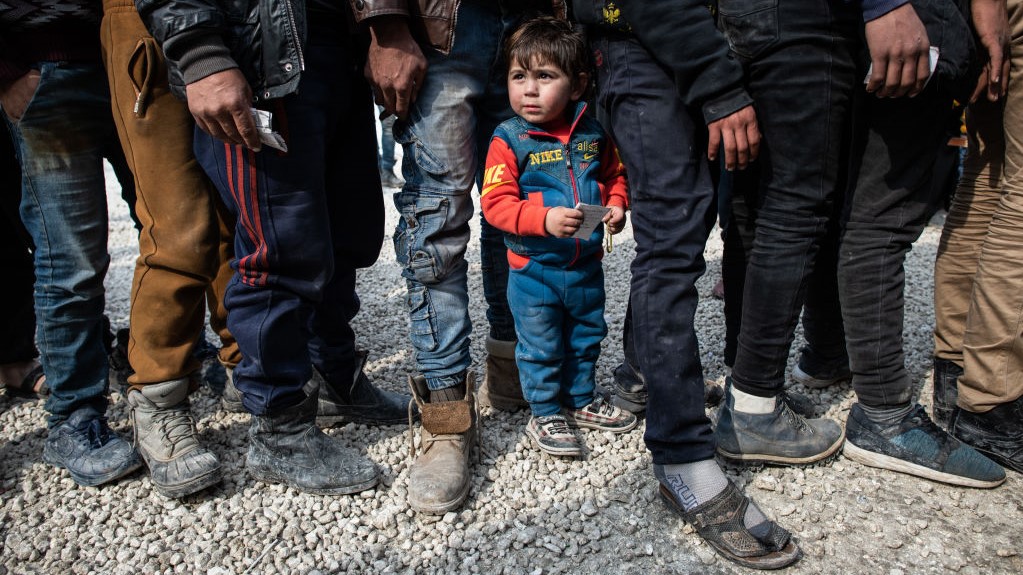
A wake-up call: The Idlib crisis and its effects look set only to worsen
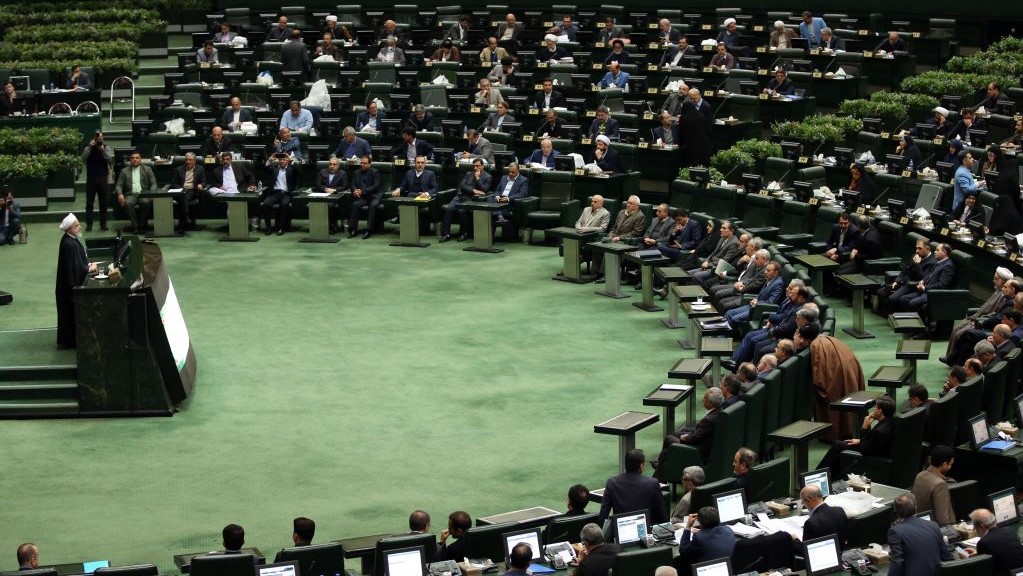
Will Iran replace its presidency with a parliamentary system?
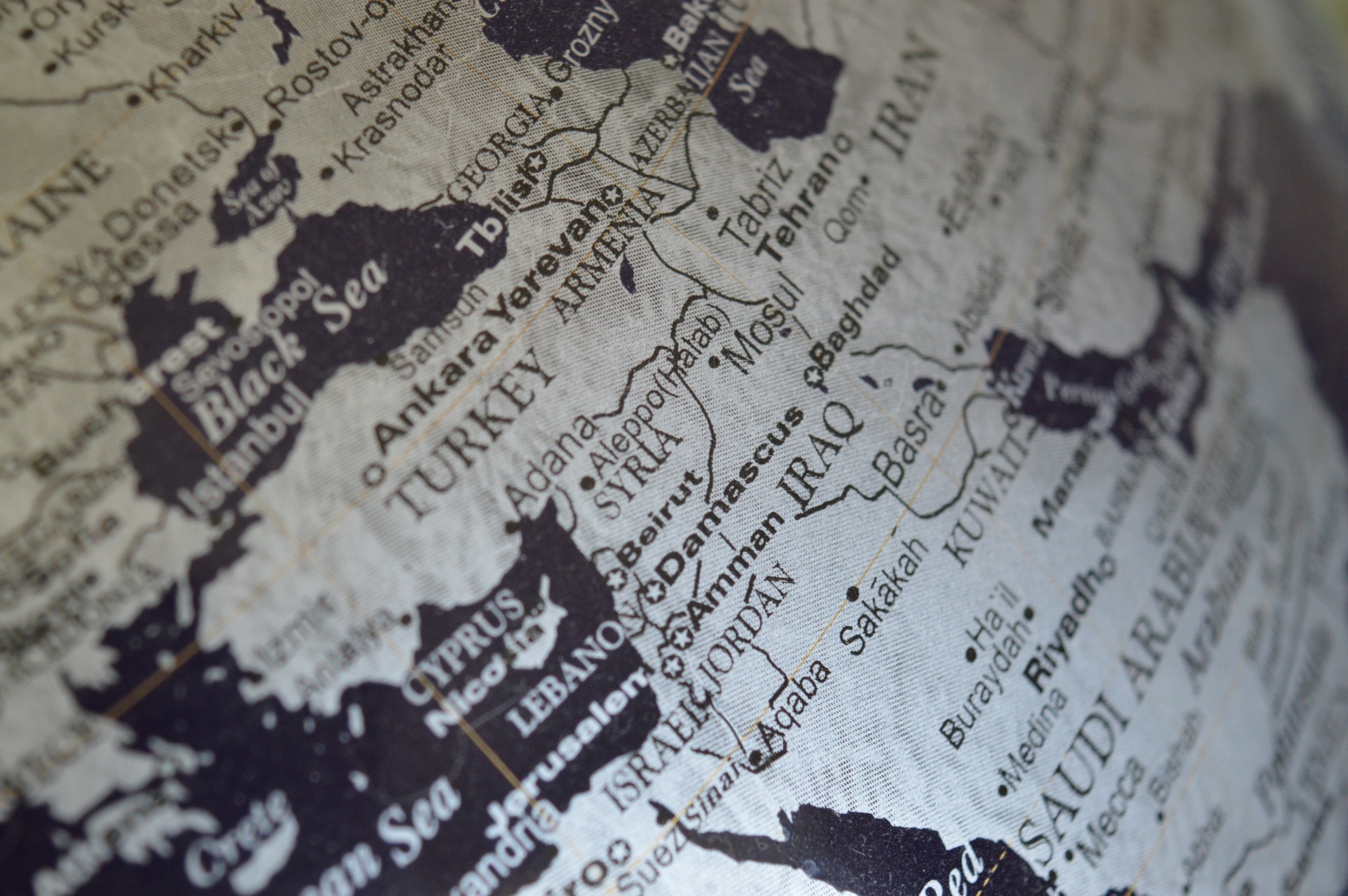
Geopolitics and propaganda: Lessons from the Black Sea
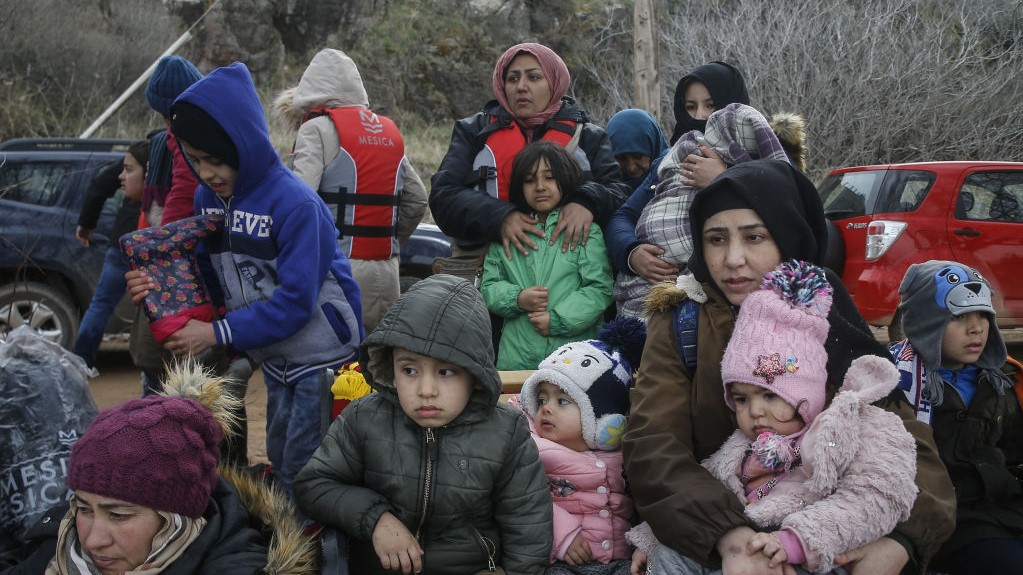
If the West leaves Idlib to Russia and Assad, it won’t be only Syrians who pay the price
Russia’s Middle East: You probe with bayonets. If you find mush, you proceed …
Community Policing in the Middle East and Africa: A Matter of Context?
The UAE may have withdrawn from Yemen, but its influence remains strong
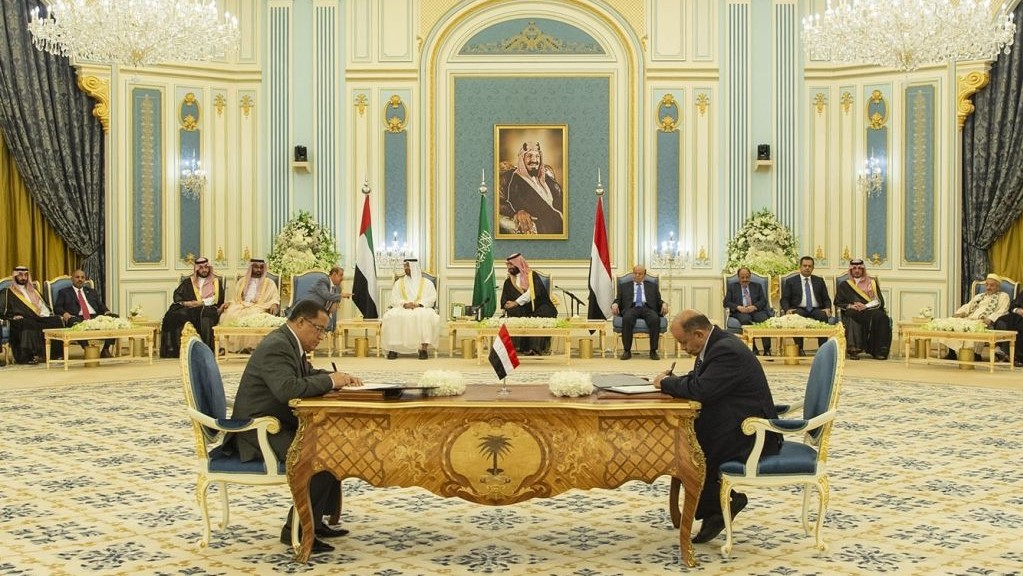
Obstacles to the implementation of the Riyadh Agreement
Why Erdogan can't afford to back down over conflict with Assad and Russia