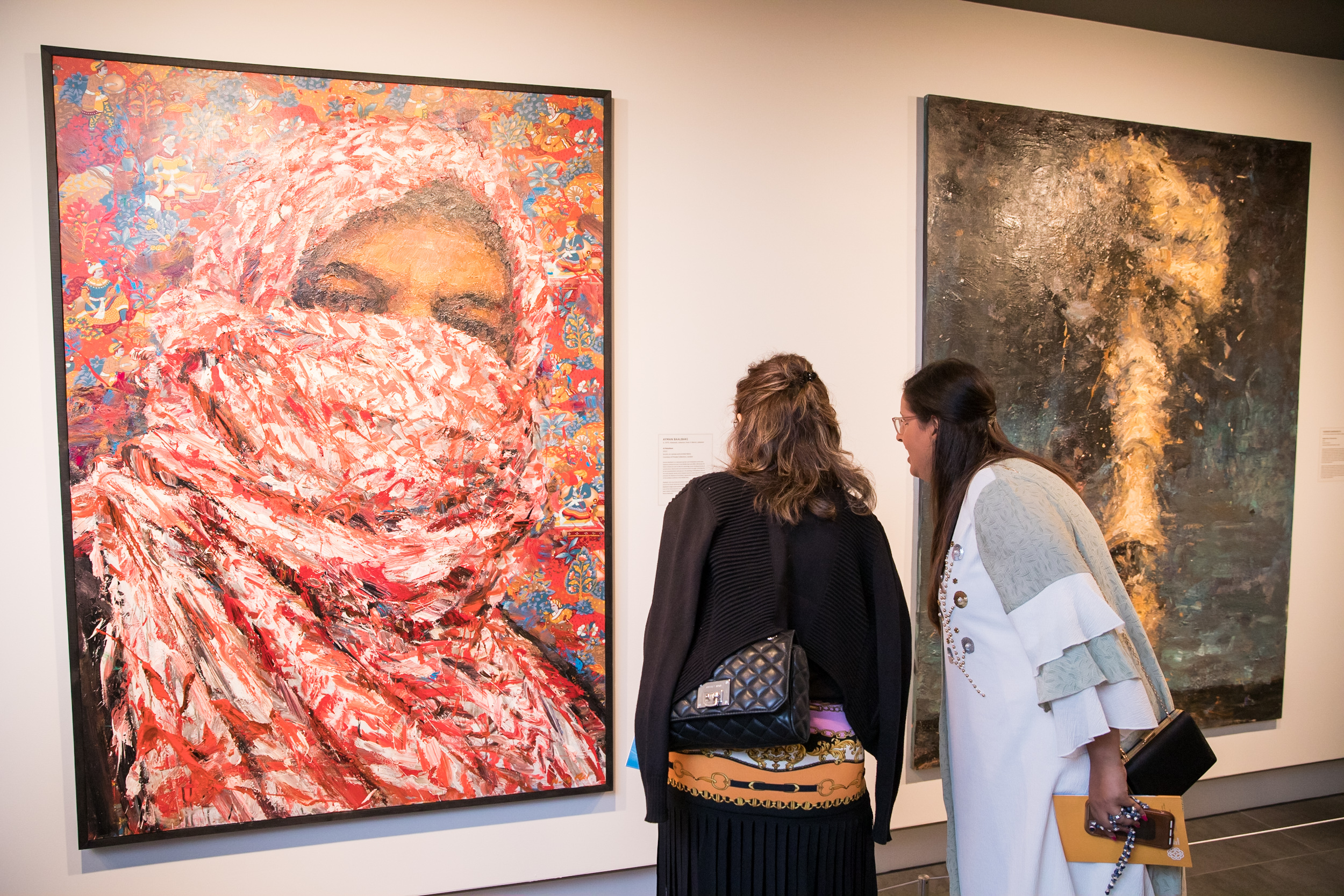
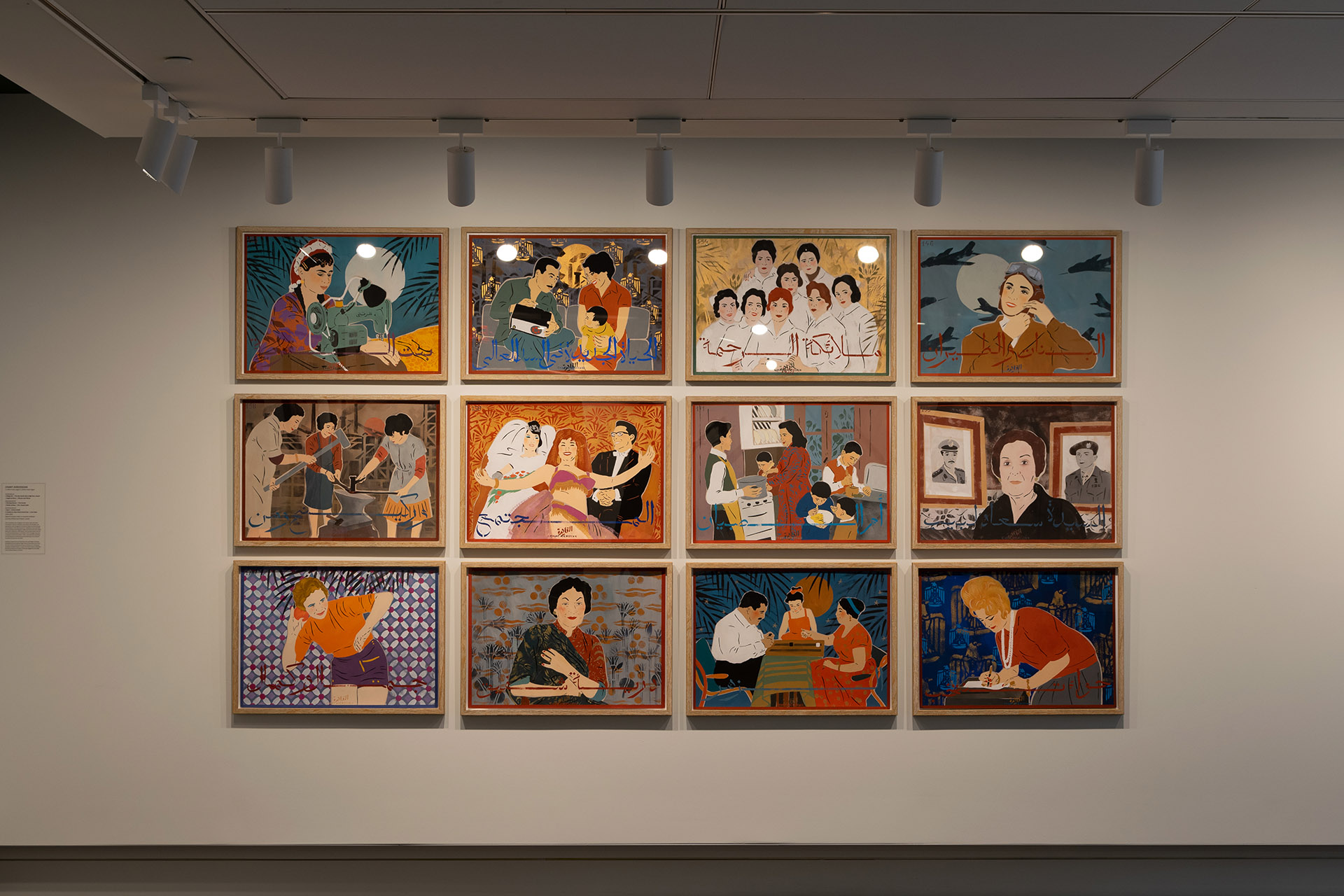
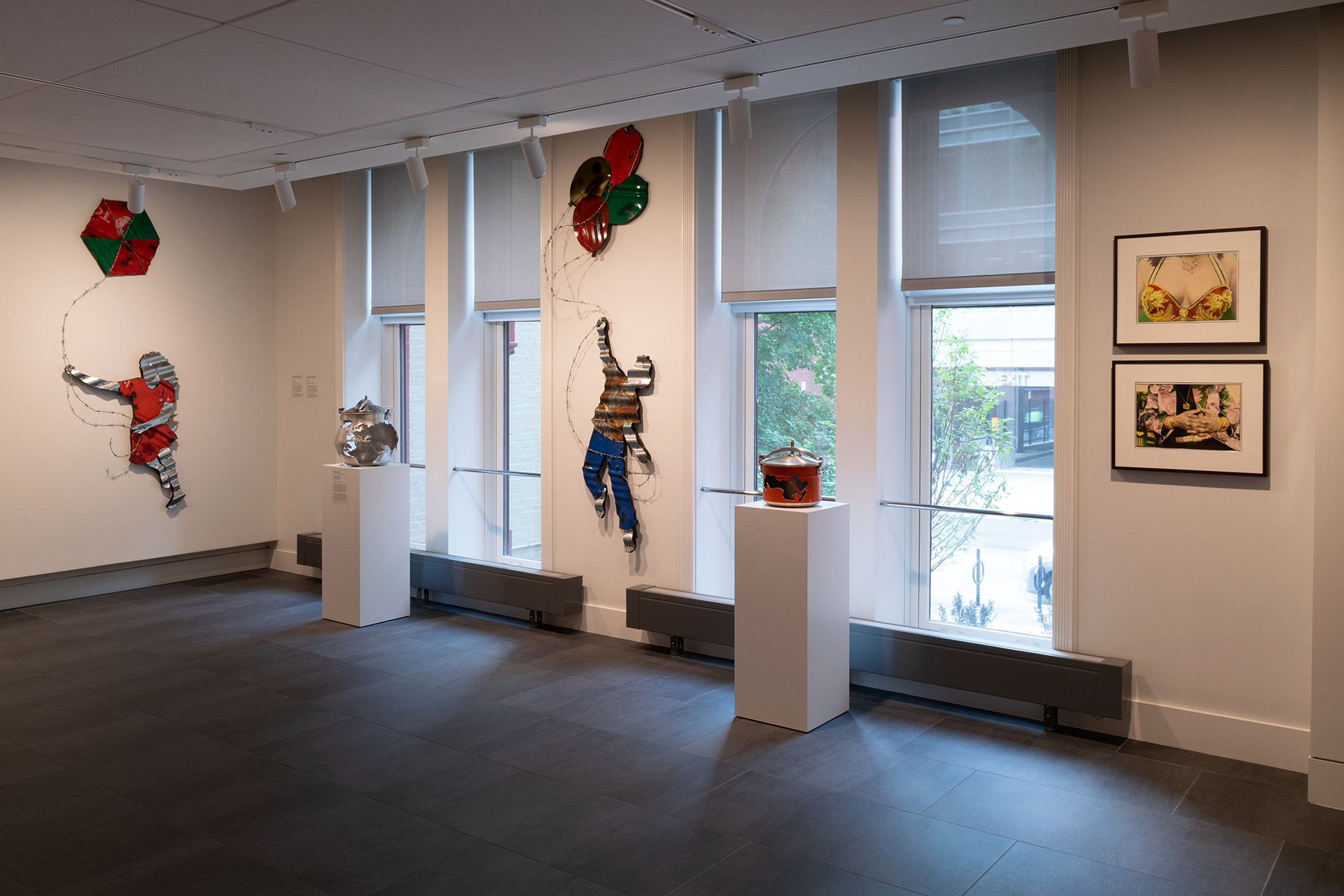
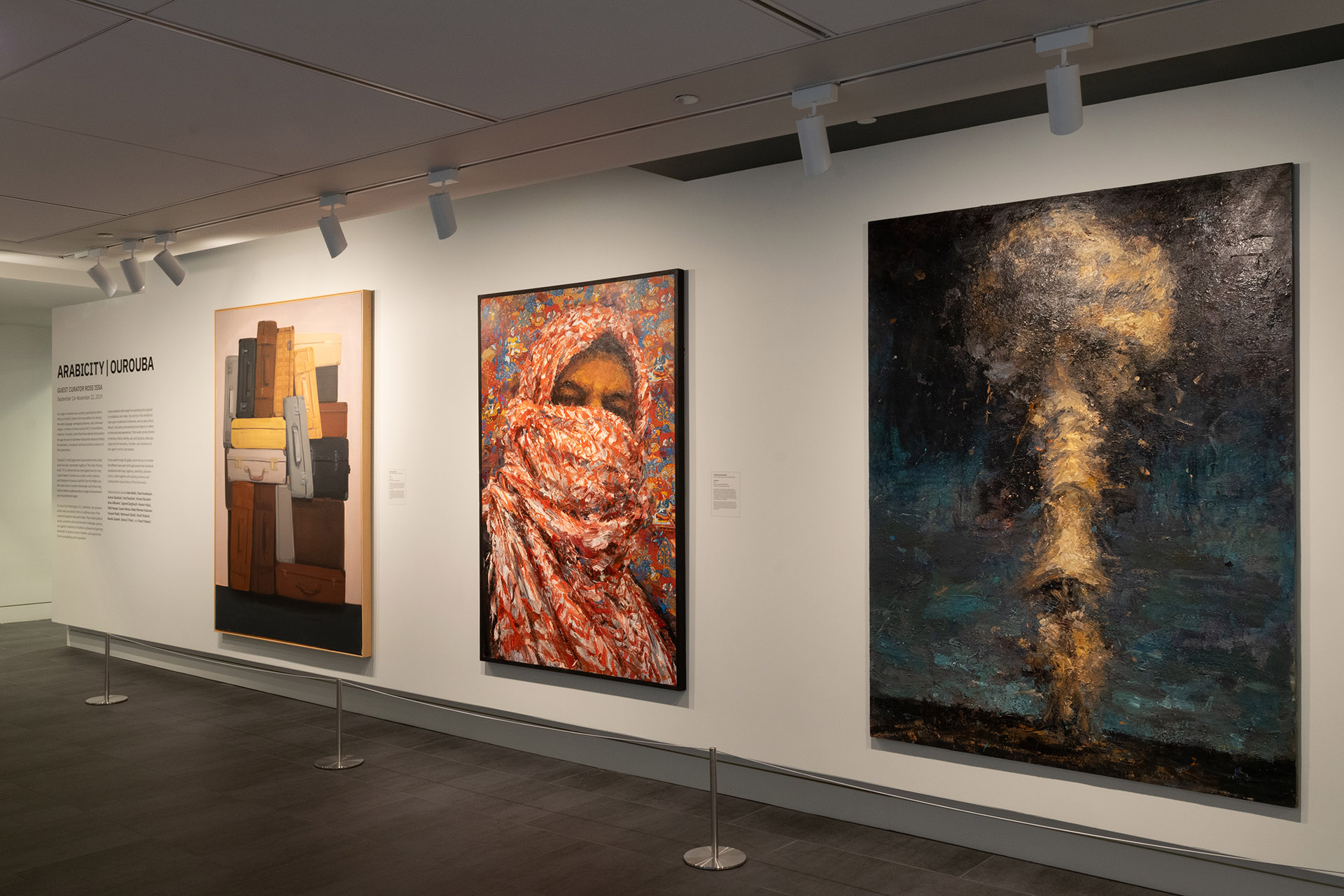
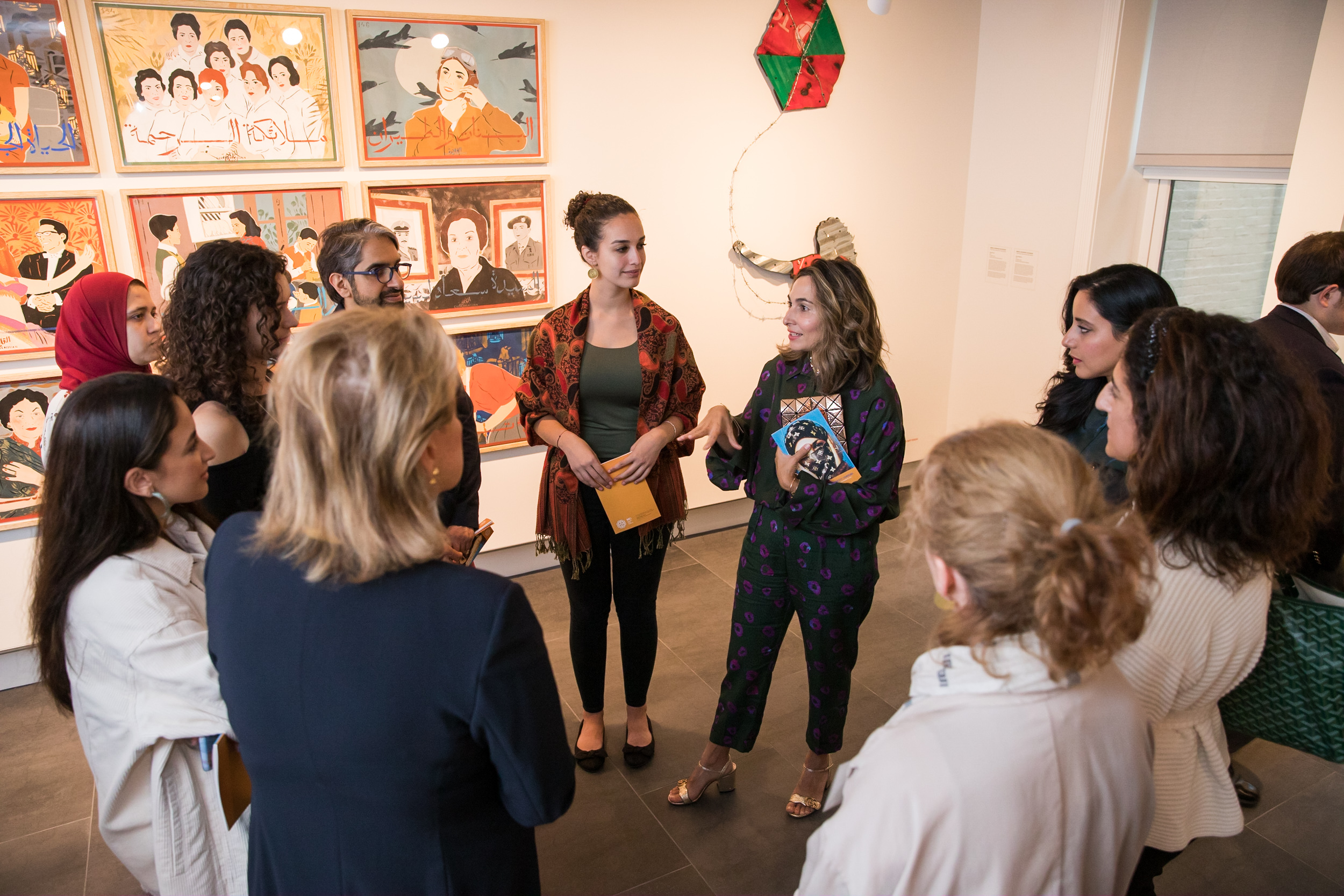
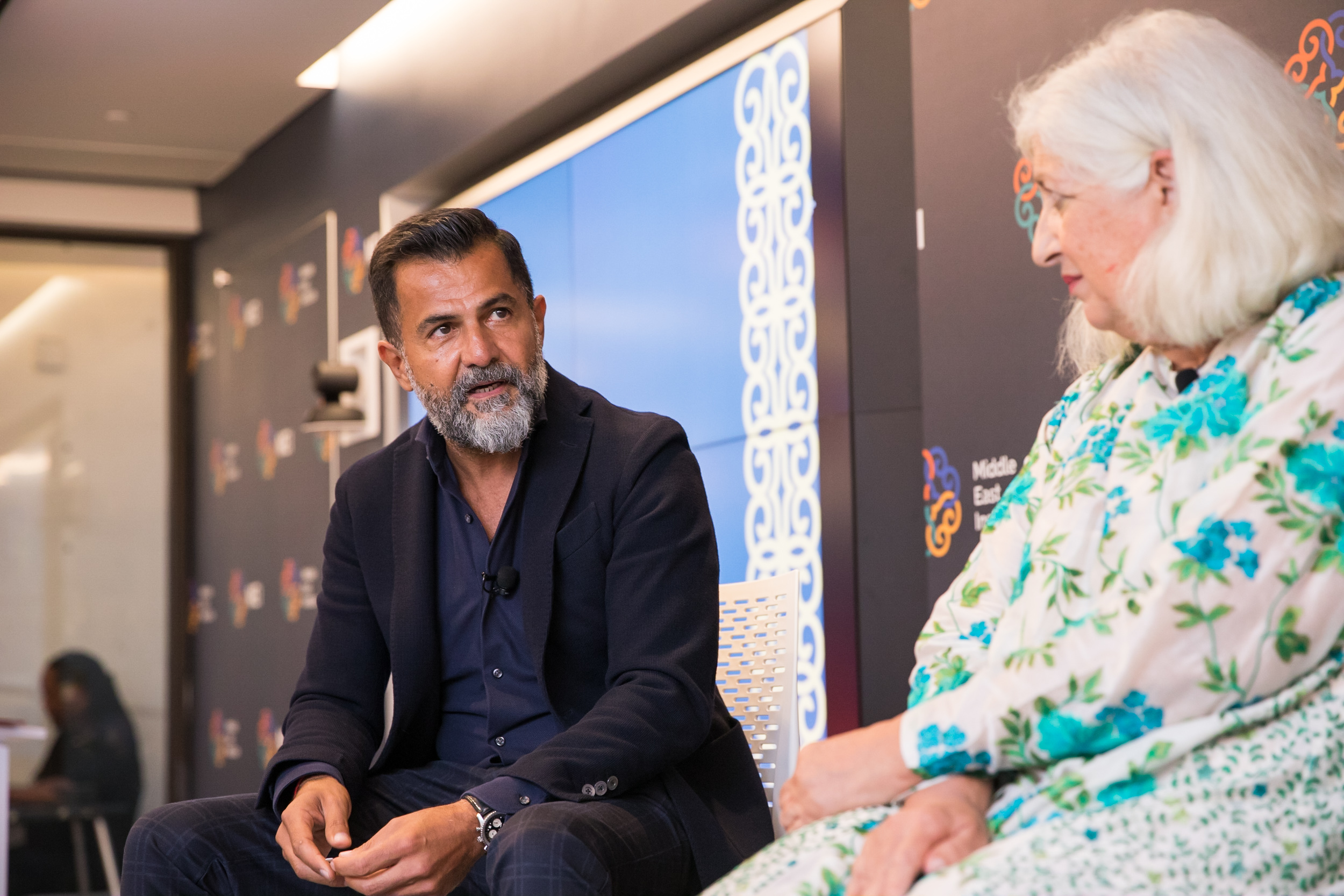
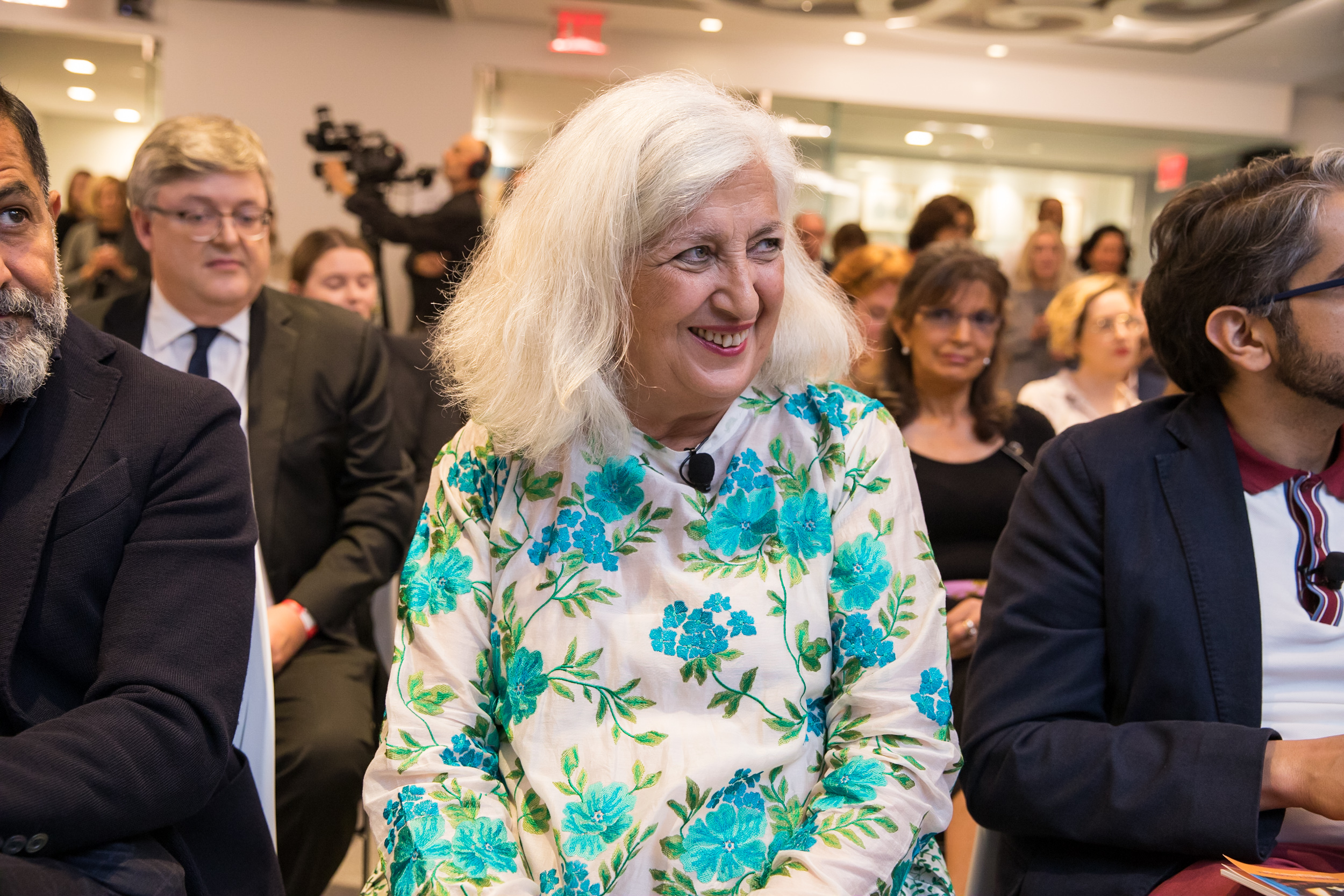
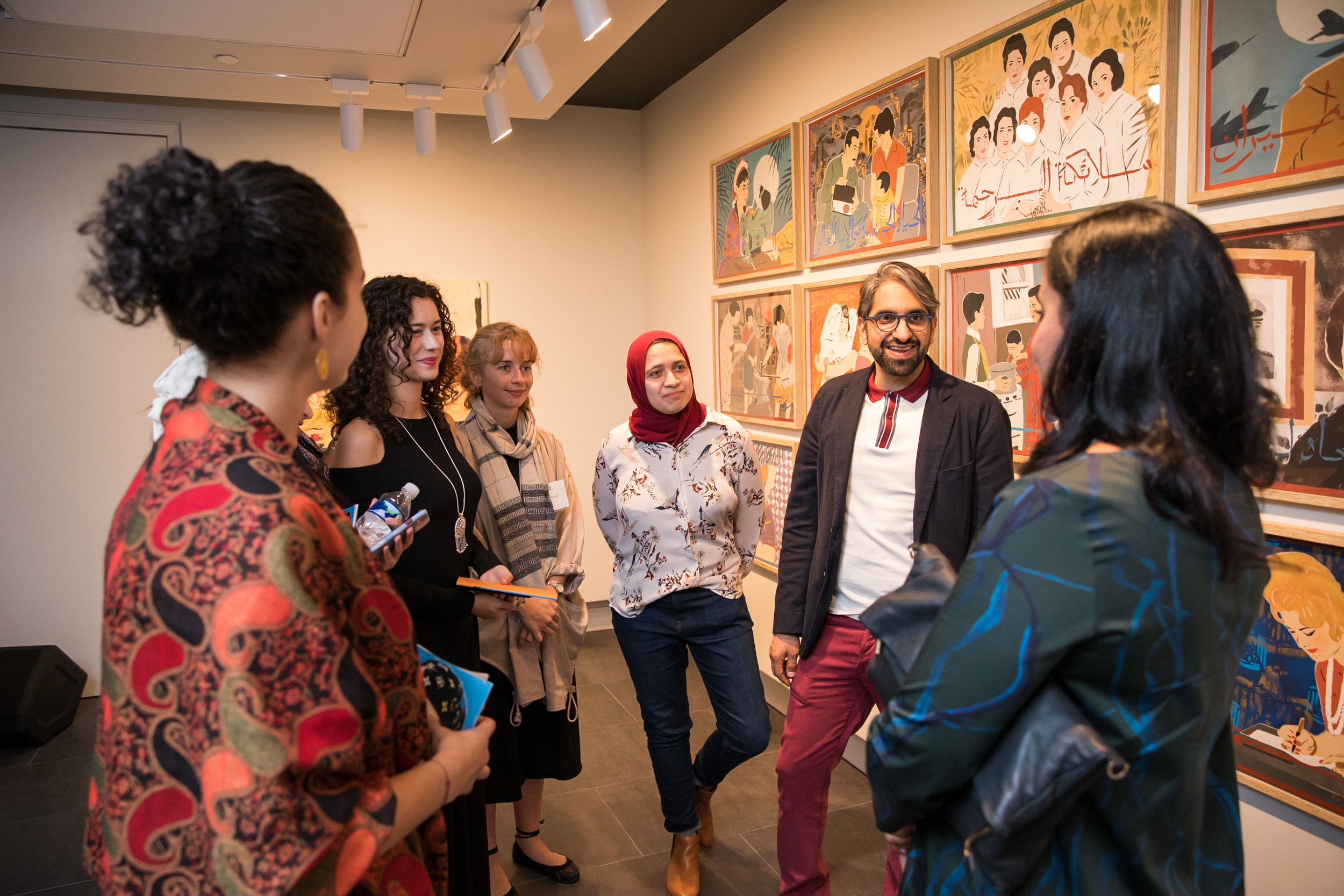
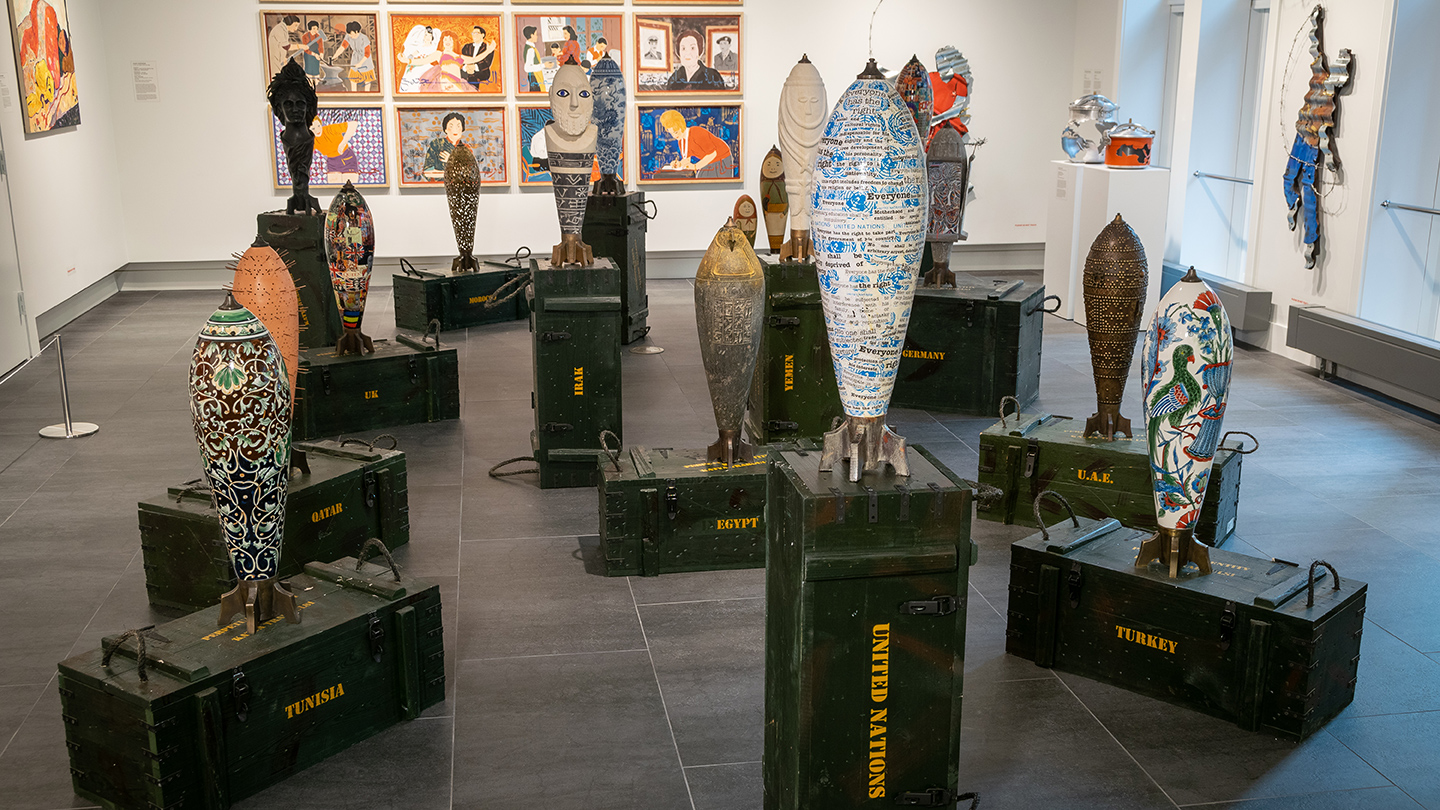
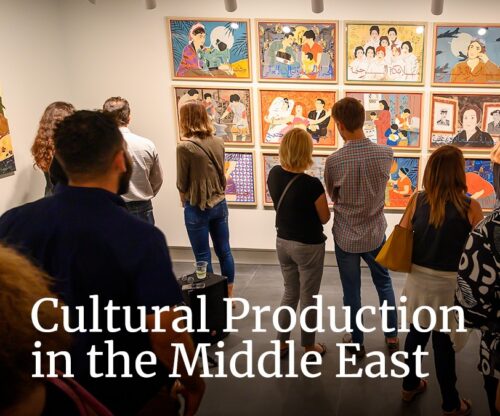
In a region of twenty-two countries spanning from North Africa to the Gulf, distinct from one another, but sharing the same language, overlapping histories, and a dominant religion, is there a common cultural link? In the exhibition, Arabicity | Ourouba, curator Rose Issa explored that question through the work of seventeen Arab artists whose art reflects the aesthetic, conceptual, and socio-political concerns of their generation.
“Arabicity” is the English term Issa coined from the Arabic word Ourouba, translated roughly as “the state of being Arab.” It is a theme she has interrogated over her long career based in London as a curator, writer, producer, and champion of visual art and film from the Middle East. Her work aims to counter stereotypes and cliches long held by Western audiences about a largely misrepresented and musunderstood region.
In this, Issa’s first Washington, D.C. exhibition, she presented artists who use distinct forms to address many of the concerns facing the Arab world today. They include political, social, economic and environmental challenges, playing out against a backdrop of political upheaval and growing demands for greater justice, freedom, and opportunity from an exploding youth population.
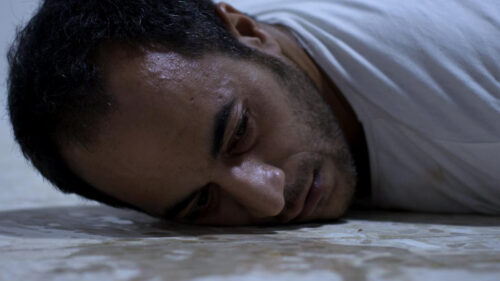
Across mediums that ranged from painting and sculpture to installation and video, the artists in this exhibition drew upon a multitude of influences, such as pop culture, folk art, Sufi poetry, and everyday found objects to reflect on their personal experiences. Their works convey themes of memory, history, identity, war, and justice, while also capturing the humanity, richness, and resilience of the region’s artists and people.