This individual is a guest contributor. MEI is not able to assist with contact requests.
Dr. Dimitar Bechev is a lecturer at the Oxford School of Global and Area Studies and a visiting scholar at Carnegie Europe. He was previously a fellow with MEI’s Frontier Europe Initiative.
Dr. Bechev has published extensively, in both academic and policy format, on EU foreign relations, the politics of Turkey and the Balkans, Russian foreign policy, and energy security. His book Rival Power, published by Yale University Press in 2017, explores Russia’s role in Southeast Europe (Balkans, Greece, Cyprus, and Turkey). He has held research and teaching positions at Oxford and Hitotsubashi University in Tokyo as well as visiting fellowships at Harvard and the London School of Economics. From 2010 to 2014, he was the head of the European Council on Foreign Relations (ECFR) office in Sofia.
Dr. Bechev is a frequent contributor to Foreign Policy, Al Jazeera Online, Oxford Analytica, POLITICO, and EUObserver. His quotes have appeared in leading newspapers such as the Financial Times, the Economist, the Wall Street Journal, and the New York Times. He holds a DPhil in international relations from the University of Oxford.
Competing over Islam: Turkey, Saudi Arabia, and Iran in the Balkans
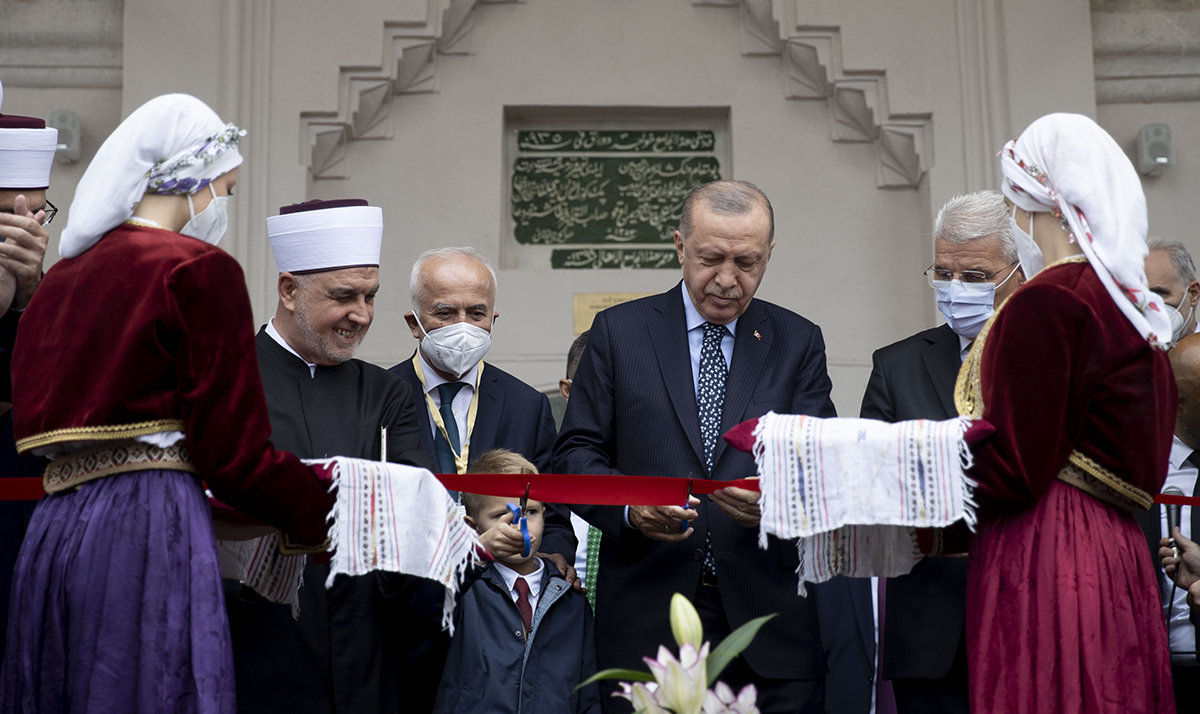
Turkey, Saudi Arabia, and Iran have been the main competitors in a struggle over who — and in what manner — should act as the patron of Muslims in the Balkans. These three countries are very different in terms of their historical footprint, economic and political presence, and local networks. What they share, however, is the use of Islam to exert soft power. This paper will discuss how they are seeking to wield influence, how regional actors respond to their overtures, and whether these three countries are meeting their objectives in the region.
Turkey’s energy relations with Russia: How should the West respond?
While the security relationship between Russia and Turkey has seen ups and downs throughout the years, energy ties have remained stable. But Turkey has made strides toward reducing its dependence. Changes in global energy markets have tipped the power away from producers toward consumers like Turkey, which have greater room for maneuver. Turkish interests remain largely aligned with those of the West, even if Ankara sees itself as an independent player which has links to both Russia and the EU and the US.
The Trans Adriatic Pipeline: Why it Matters and What Comes Next?
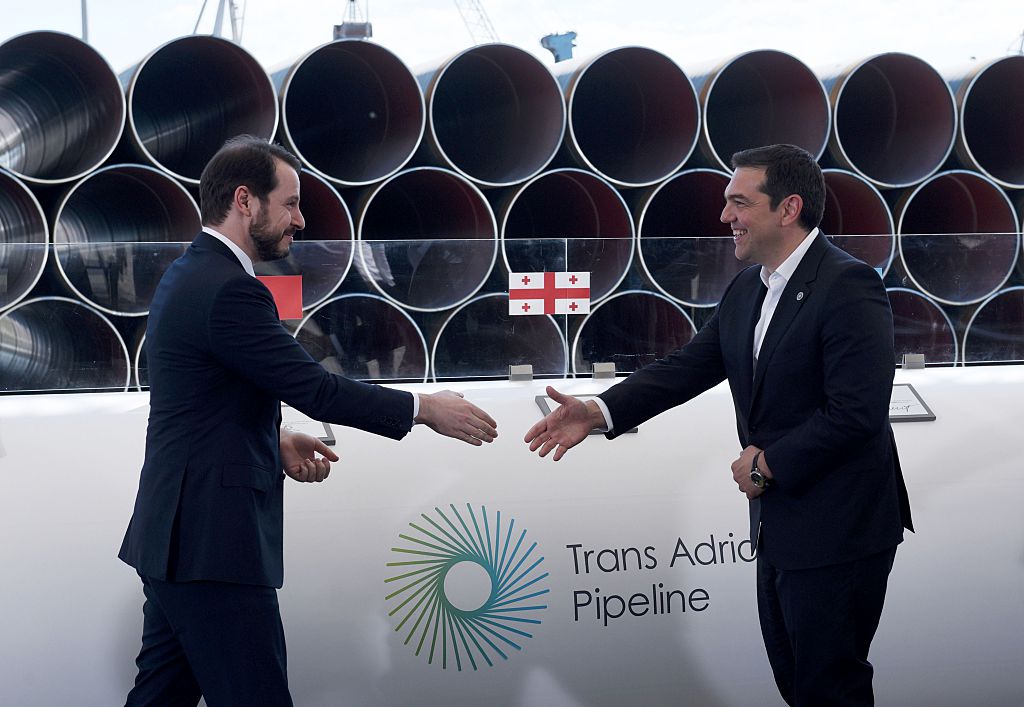
On November 14, the Transadriatic Pipeline (TAP) commenced operation. It is difficult to overstate the significance of this development. The new transit link running from Greece’s border with Turkey all the way to Italy, via a 878-stretch that also crosses Albania and the Adriatic Sea, makes the much-discussed Southern Gas Corridor a reality. It brings an annual 10 billion cubic meters (bcm) of natural gas from the Shah Deniz offshore field in the Caspian to consumers in the EU and the Western Balkans, helps diversify supplies away from Russia, and enhances Azerbaijan’s position on European markets.
TurkStream 2 or Balkan Stream? Either way, Moscow is the main beneficiary
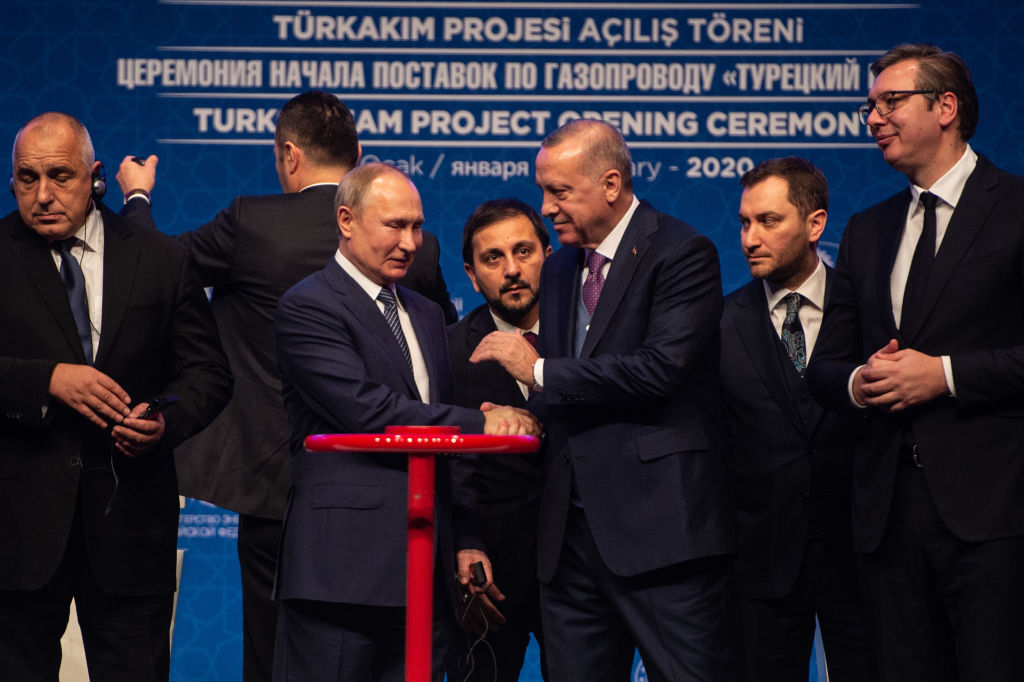
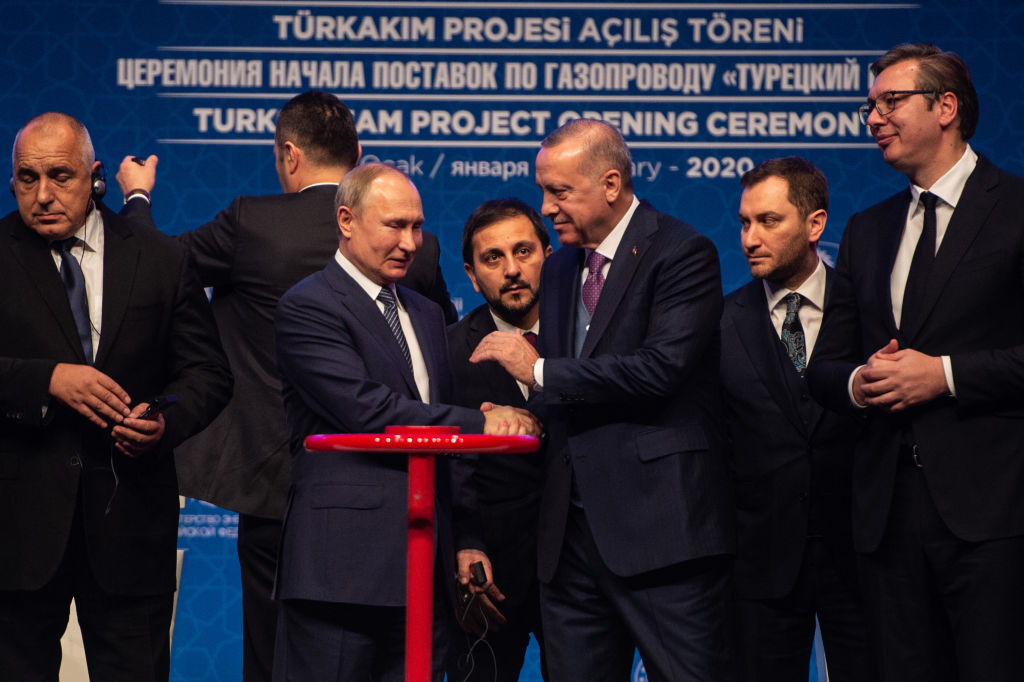
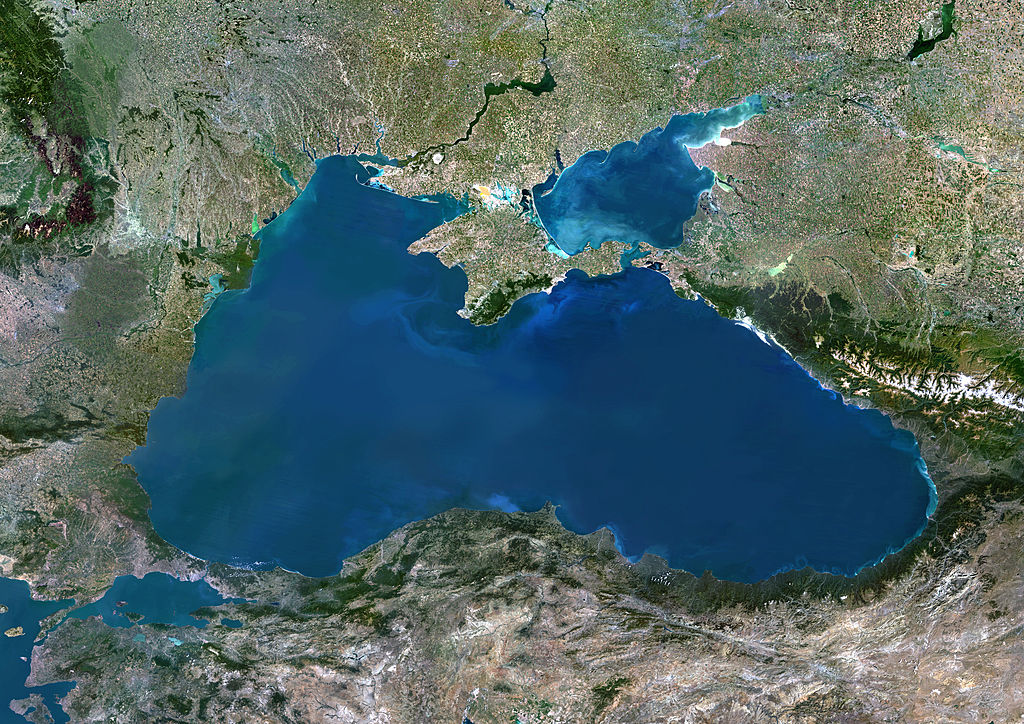
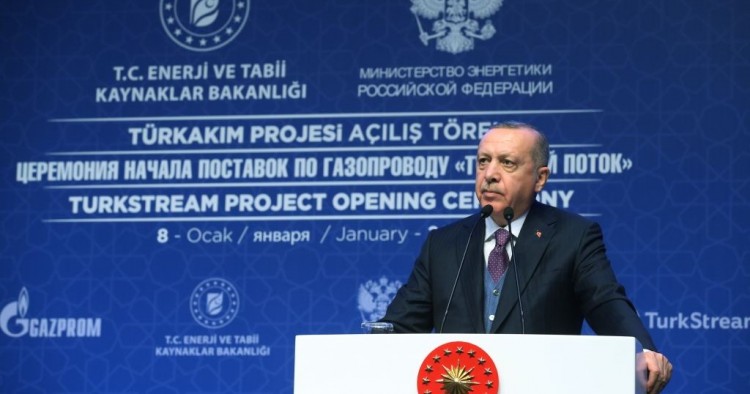
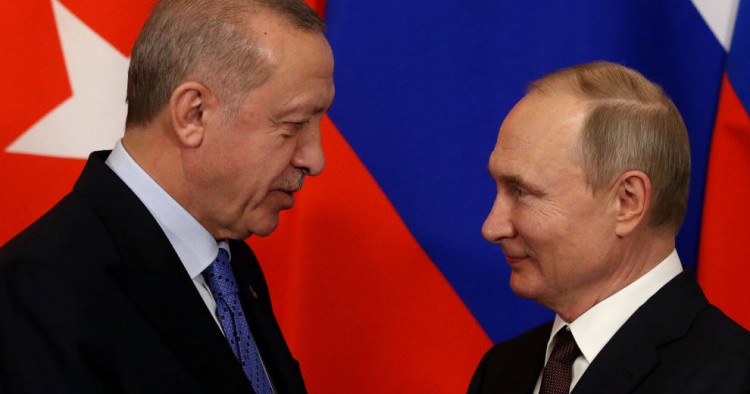
TurkStream, the much discussed gas pipeline across the Black Sea, is now a reality. In January, President Recep Tayyip Erdogan and President Vladimir Putin presided over the launch ceremony in Istanbul. Gas shipped over the so-called “Western route” is now pumped into the Turkish grid through TurkStream rather than via Ukraine, Romania, and Bulgaria as before.
Election 2020: The Future of U.S.-Black Sea Relations
In Frontier Europe Initiative’s new briefing book, entitled Election 2020: The Future of Black Sea-U.S. Relations, MEI scholars and external contributors identify key issues across the region, highlight U.S. interests at stake, and provide policy insights and recommendations for the path forward. The pieces in this book serve as a contribution to the broader discussion about the challenges and opportunities for U.S. policy in the region
Turkey, Russia and the escalation in Nagorno-Karabakh
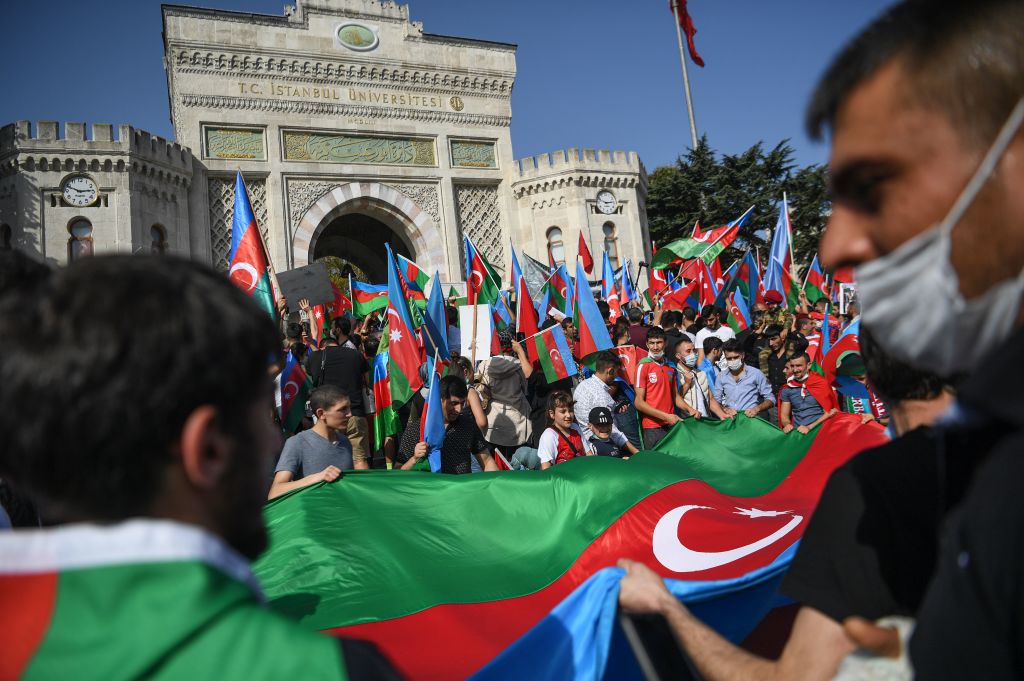
On September 27, hostilities broke out between Armenia and Azerbaijan in the disputed region of Nagorno-Karabakh (NK). Following several days of fighting, the region is now witnessing the worst escalation of tensions since the early 1990s. This time, Azerbaijan’s efforts are boosted by Turkey’s readiness to render robust military support.
Can Turkey lead the way in regional cooperation on Black Sea gas?
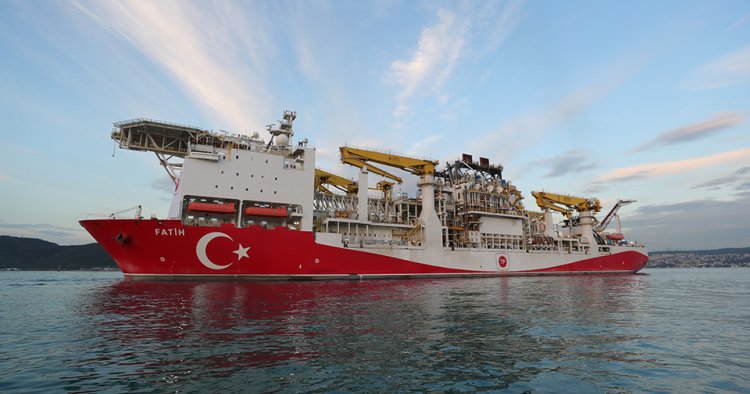
On August 22, Turkey announced the discovery of Tuna-1. Though questions remain as to whether it is economically viable to start production – President Recep Tayyip Erdogan has suggested this could happen as early as 2023 – the news could not go unnoticed in other littoral countries of the Black Sea. The discovery may well help spur regional cooperation.
Until recently, Russia’s dominance in the natural gas markets southwest of its borders appeared unassailable. These days, that is less and less the case. Largely unnoticed yet dramatic changes are taking place in Turkey – Moscow’s top gas customer outside of Germany.
Are Turkey and Russia bracing for conflict in the South Caucasus?
On July 12, the Armenian and the Azerbaijani armed forces started a border skirmish. Fighting went on for several days, leaving at least 16 dead in its wake. Remarkably enough, the two sides are facing off outside the disputed region of Nagorno-Karabakh, the usual flashpoint. This time around the flare-up took place well to the north, where Armenia’s Tavush region meets Azerbaijan’s Tovuz district. It is little wonder then that the crisis caught Turkey’s attention.
Can corona diplomacy cure Turkey’s foreign policy isolation?
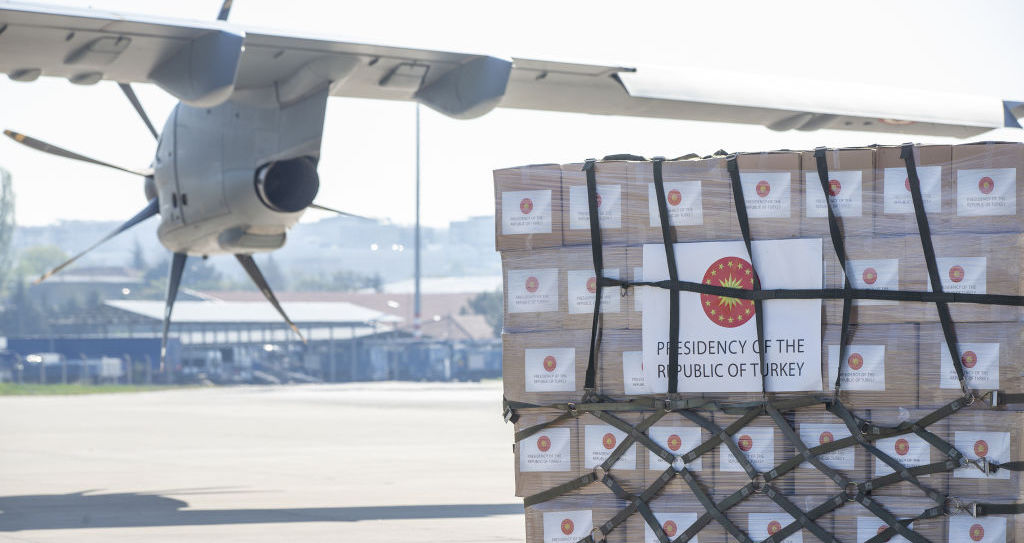
Even before the coronavirus upended life around the world, Turkey’s President Recep Tayyip Erdogan was already grappling with a host of problems. Then COVID-19 hit the country. Many argue the virus will exacerbate Erdogan’s problems but where others see a problem, Turkey’s president sees an opportunity. He is using the crisis to undercut the opposition, distribute government contracts to his loyalists, and punish his critics. Erdogan is relying on the virus to score foreign policy points as well. Sending medical aid to its neighbors and beyond helps assert Turkey’s leadership and improves its shattered image. The coronavirus likewise provides an excuse to remove a long-time irritant in Ankara’s ties with Washington and perhaps end its isolation in the region.