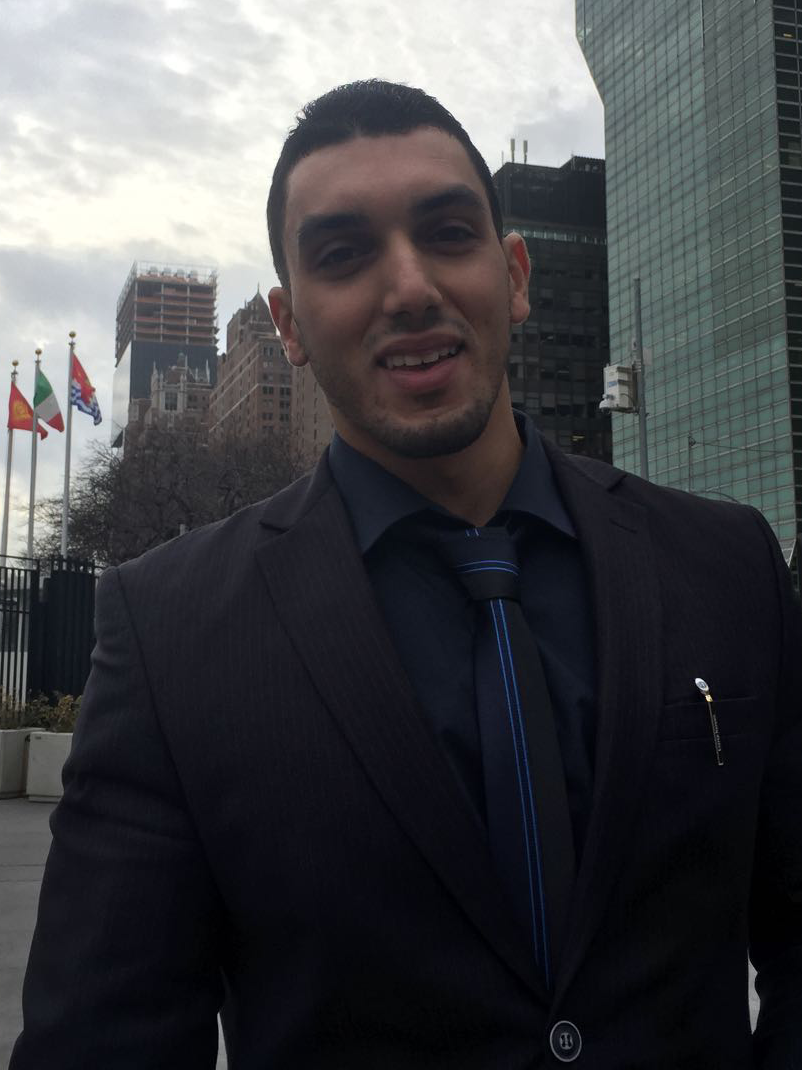
Emadeddin Badi is a researcher and political analyst that focuses on governance, conflict and the political economy of Libya and the Sahel. He has worked with multiple development organizations as a consultant, with a focus on mainstreaming conflict sensitivity within the programming of post-conflict stabilization initiatives in Libya as well as providing analysis regarding local conflict dynamics in the country.
He often provides commentary and publishes papers, blog posts and analytical pieces regarding Libya’s political, economic and security developments, with the aim of informing foreign policy towards the country. Emad is also a UNAOC fellow with main pillars of expertise in the areas of migration, counter-terrorism and conflict resolution.
Education:
Licentiate from Tripoli University, BA from the University of Essex, MSc from the School of Oriental and African Studies (SOAS)
Countries of Expertise:
Libya, Sahel
Issues of Expertise:
Libyan politics and foreign policy, political economy and development, counterterrorism, migration, formal and informal governance
Libya’s Hifter and the false narrative of authoritarian stability
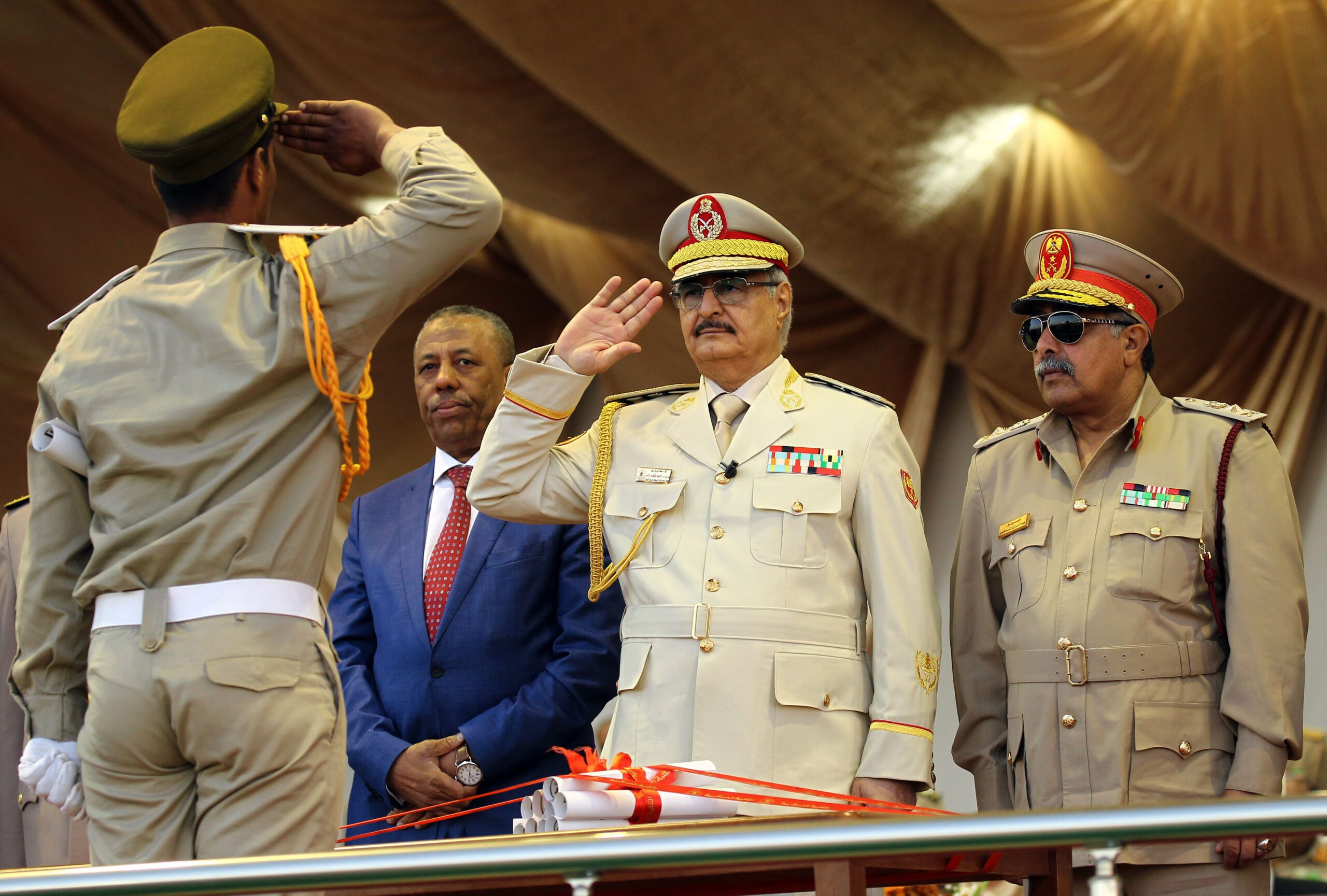
Khalifa Hifter has managed to garner outside support by appealing to foreign states’ desire for a stable Libya, but this rogue former general and would-be authoritarian has proven a troublesome proxy. In supporting his ongoing offensive on Tripoli, foreign states are undermining their own narrative of authoritarian stability.
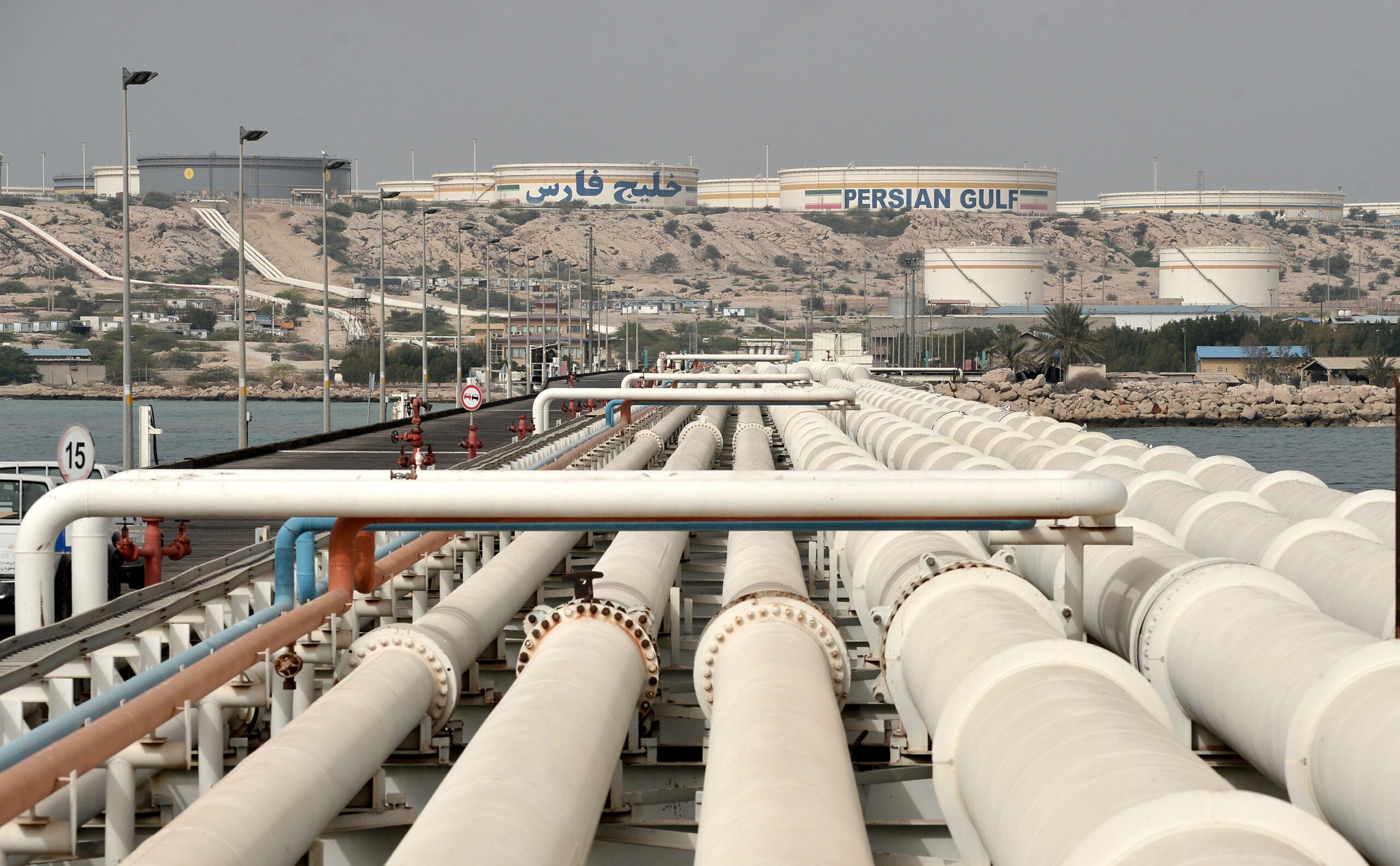
Monday Briefing: US and key partners on course for conflict over Iran oil waivers
In this week’s Monday Briefing, MEI experts Gerald Feierstein, Marvin G. Weinbaum, Randa Slim, Emadeddin Badi, and Robert S. Ford provide analysis on recent and upcoming events including the US decision to end Iran oil waivers, the flagging Afghan peace process, Iraq’s evolving regional policy, the status of General Hifter’s offensive in Libya, and Russia’s maneuvering to control the upcoming Syria talks in Astana.
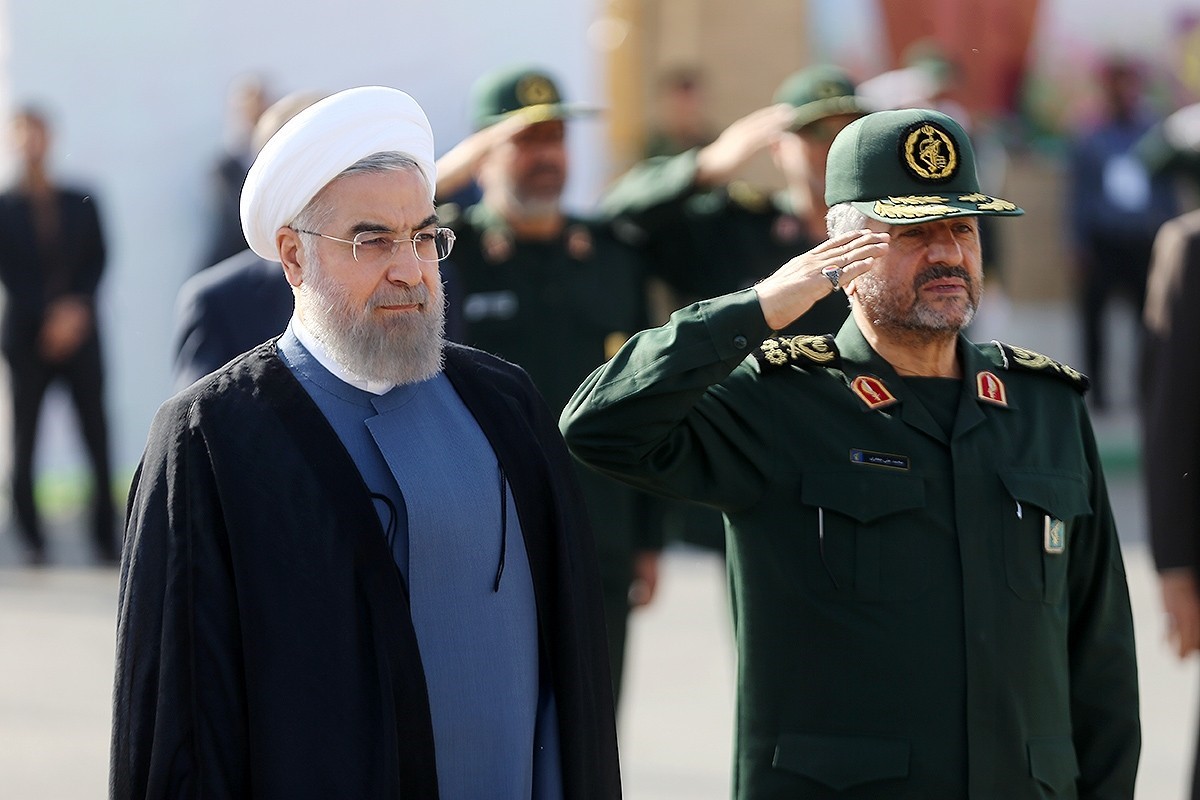
Monday Briefing: US IRGC terrorist designation and the view from Tehran
In this week’s Monday Briefing, MEI experts Alex Vatanka, Emadeddin Badi, Yousef Munayyer, Randa Slim, and Shahrokh Fardoust provide analysis on recent and upcoming events including the IRGC’s designation as a terrorist group, the battle for control of Tripoli in Libya, the impact of Israel’s elections on the Palestinian crisis, Iraqi PM Abdul-Mahdi’s first official visit to Iran, and the spring meetings of the World Bank and IMF in DC.
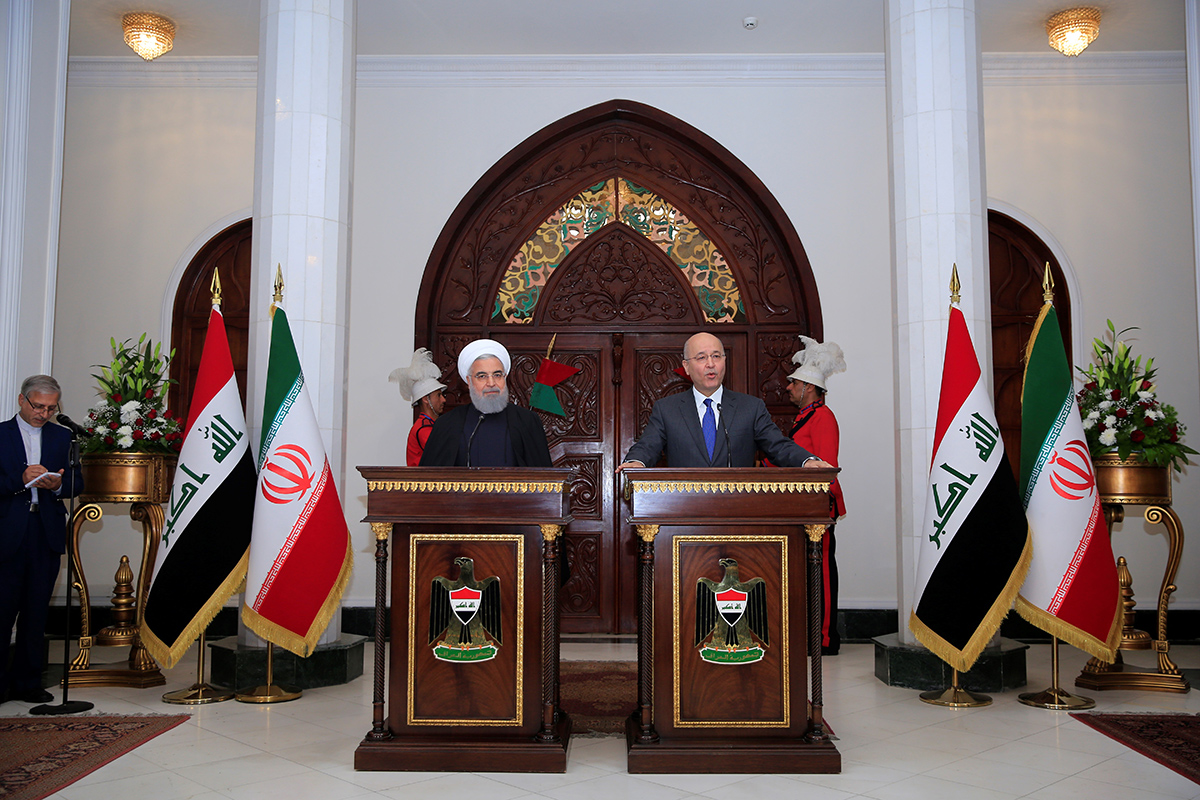
In this week’s Monday Briefing, MEI experts Randa Slim, Robert S. Ford, Marvin G. Weinbaum, James P. Farwell, Emadeddin Badi, Guney Yildiz, and Jean-François Seznec provide analysis on recent and upcoming events including Iranian President Hassan Rouhani’s visit to Baghdad, reconstruction efforts in Syria, the crackdown on militant Islamists in Pakistan, Iran’s cyber attack capabilities, upcoming elections in Libya, Turkish-Egyptian tensions, and Qatar’s $12B loan from bond markets.
General Hifter’s southern strategy and the repercussions of the Fezzan campaign
The Libyan National Army (LNA) loyal to General Khalifa Hifter has launched a military operation to capture the Fezzan region in Libya’s southwest. While the move seems to have garnered significant international and regional support, it is unclear what the implications of this operation may be for the country’s fragile stability and the country’s dialogue-based political process.
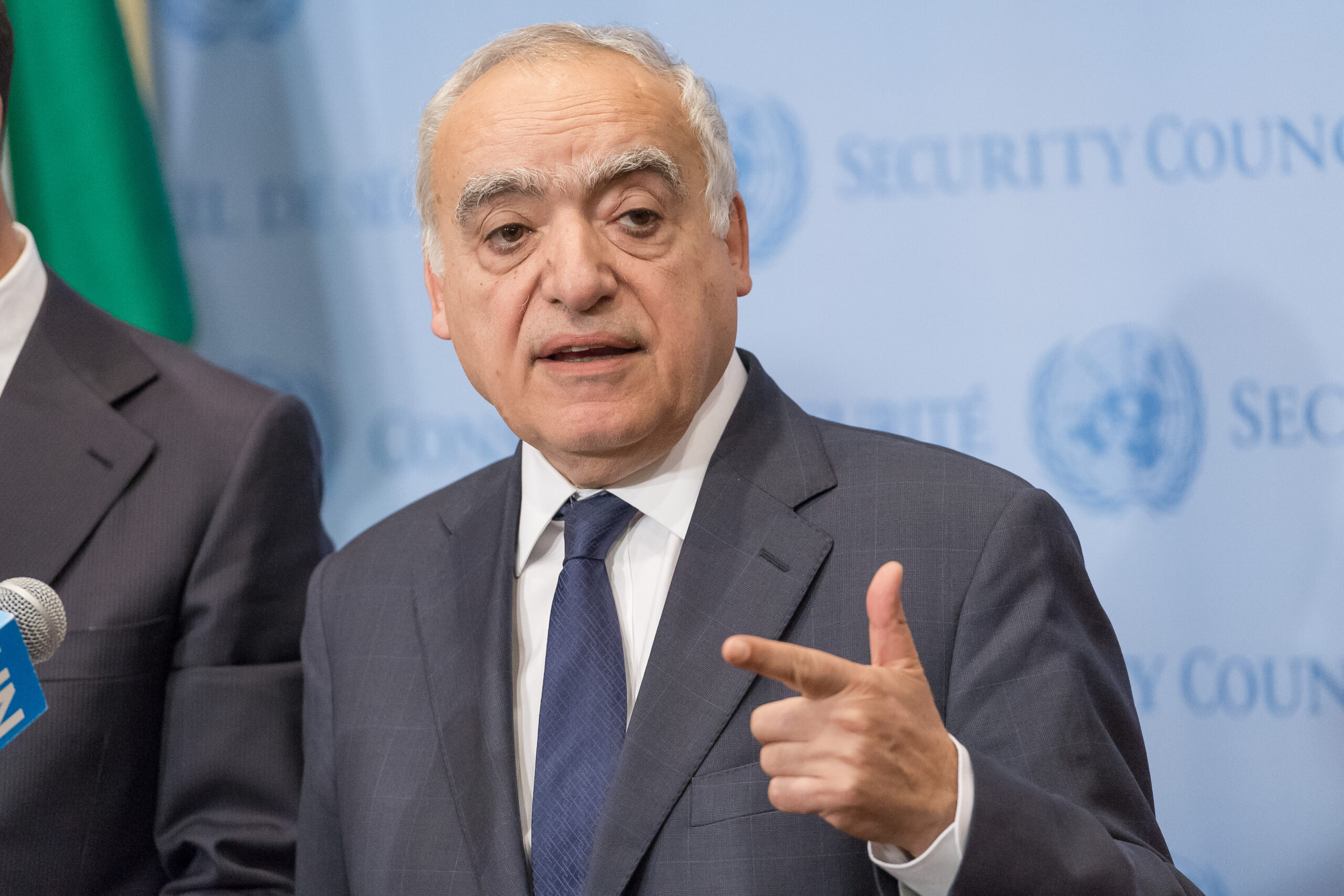
If all goes to according to plan, in the coming months Libya will hold a National Conference, an event that could serve as an inflection point for the country and has the potential to right the course of its political trajectory. In order for this to work, however, Special Representative of the Secretary-General (SRSG) to Libya Ghassan Salamé must simultaneously plan for both the conference and its aftermath, capitalizing on America’s increasing, behind-the-scenes involvement in Libya.
Mergers and assassinations as Tripoli remains under militia control
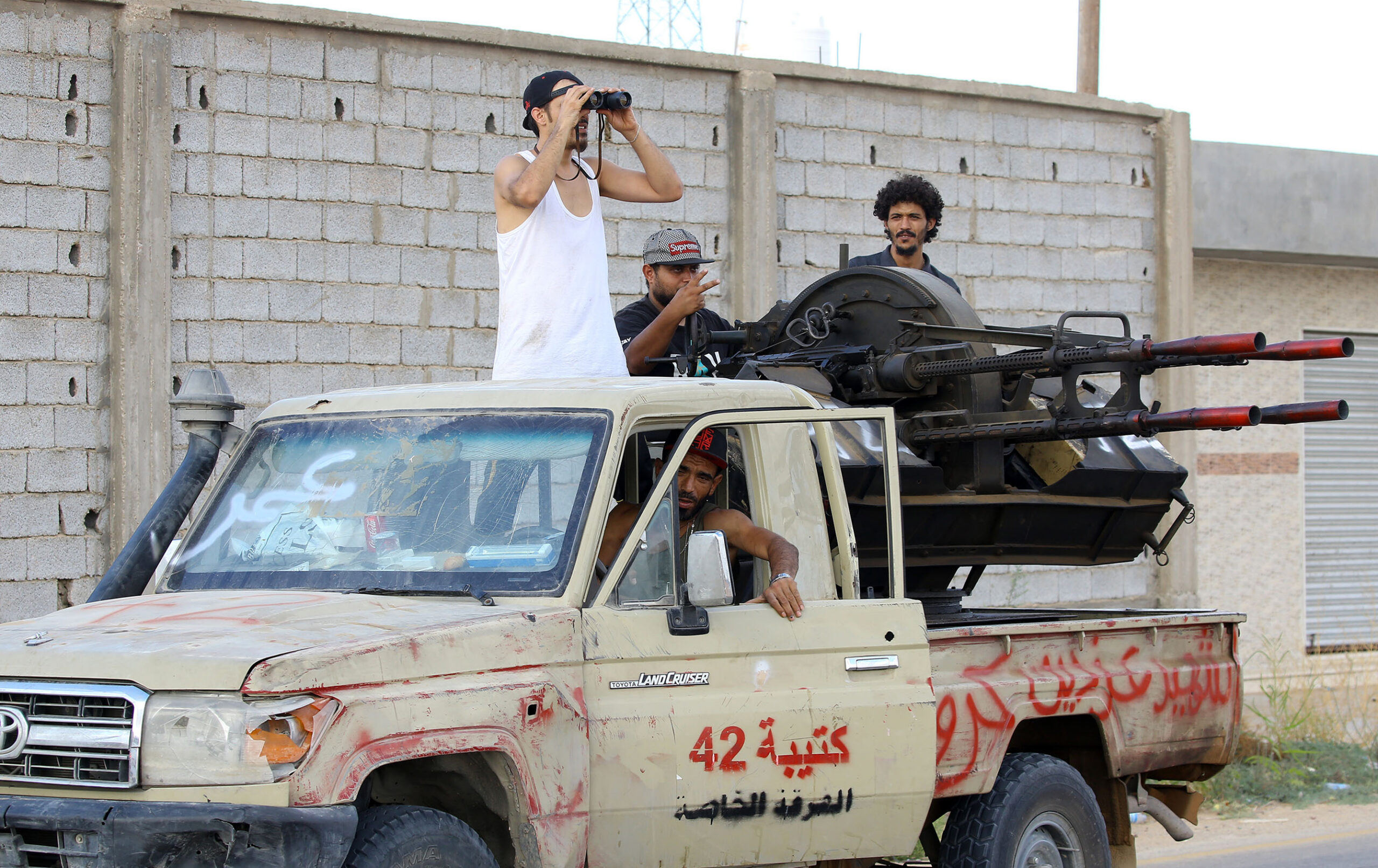
On Dec. 18, 2018, the seaport in Libya’s capital was the scene of a surprising yet deft maneuver orchestrated by the city’s four main armed groups, namely the Tripoli Revolutionaries’ Brigade (TRB); Abu Salim’s Special Deterrence Force; the Nawasi Battalion; and the Bab Tajoura Brigade.