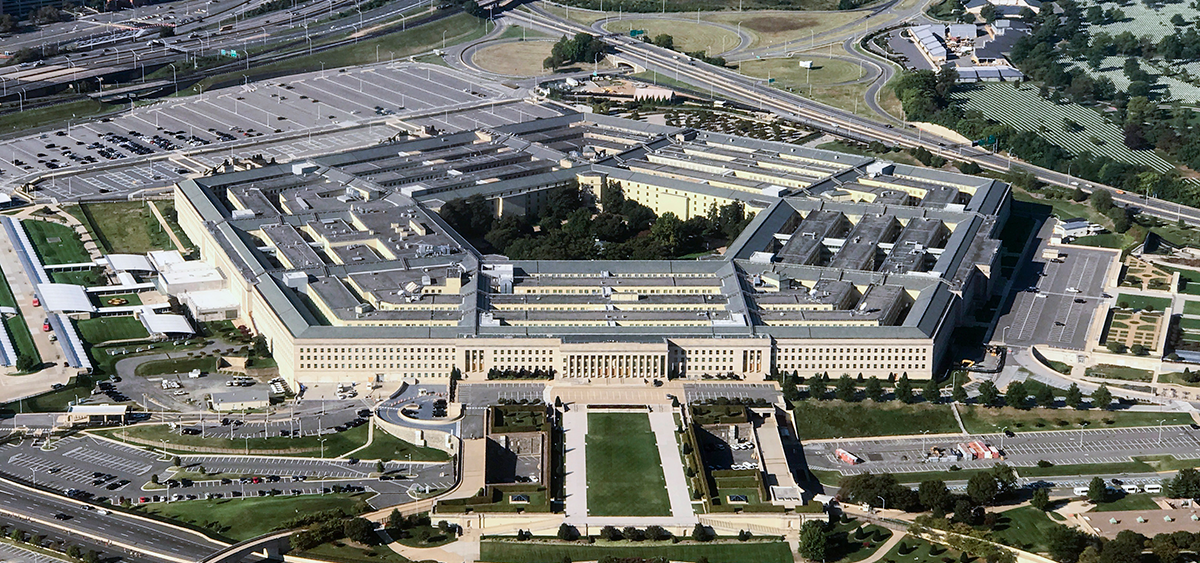
Michael K. Nagata retired from the US Army in 2019 after 38 years of Active Duty, with 34 years in US Special Operations. His final position was Director of Strategy for the National Counterterrorism Center from 2016 to 2019.
After graduating from the National War College in 2003, he served for 2 years in the Office of the Undersecretary of Defense for Intelligence. From 2005 to 2008, as a Special Mission Unit commander, he led multiple Joint SOF task forces across more than a dozen countries in Africa, the Middle East, and Southeast Asia.
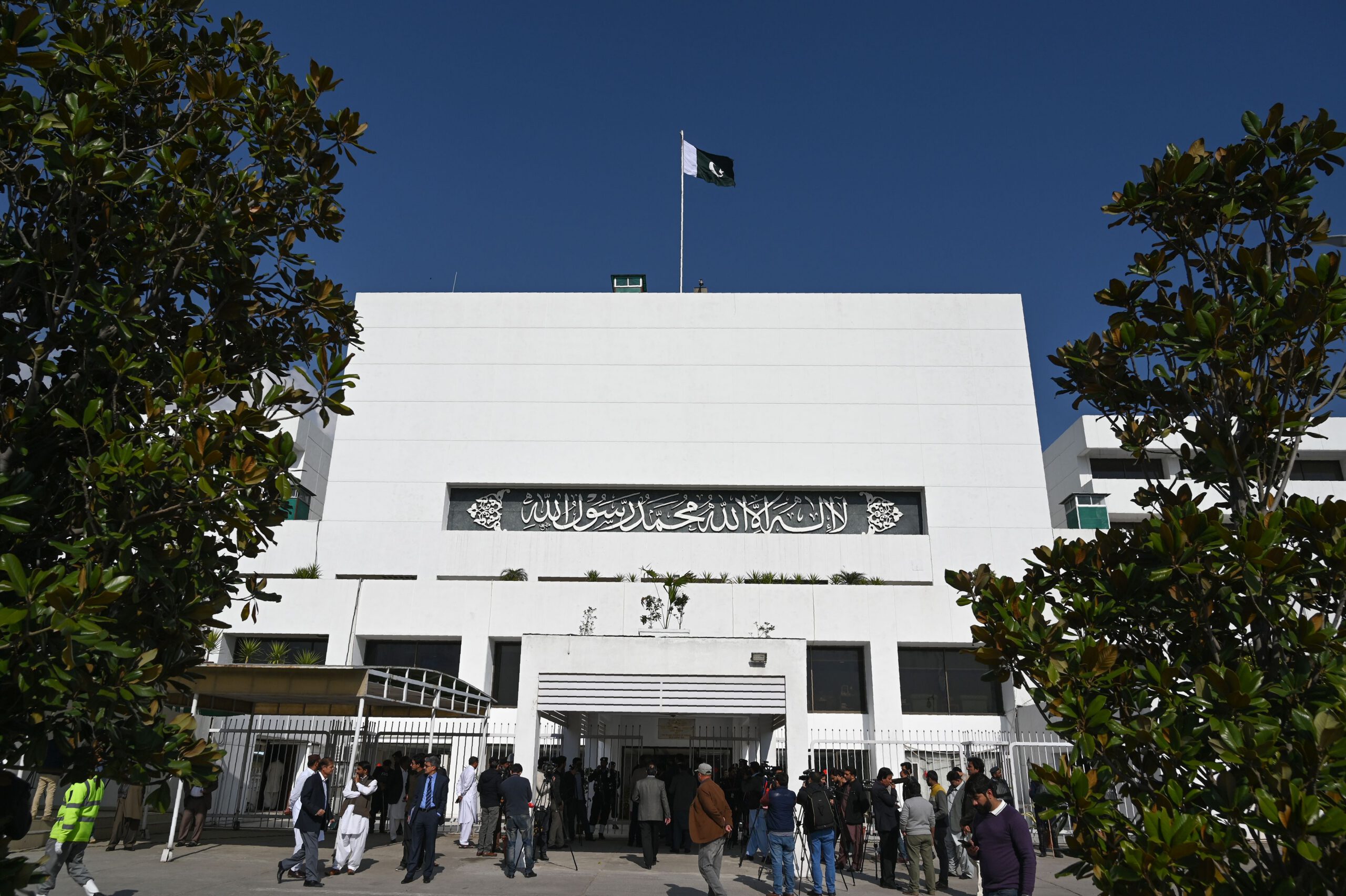
He then served within the US Intelligence Community in Washington D.C. as a Military Deputy for Counterterrorism until 2009. He then deployed again until late 2011 to Pakistan as the Deputy Chief, Office of the Defense Representative at the US Embassy there. Upon returning to the US, he served on the Joint Staff as the Deputy Director for Special Operations and Counterterrorism until 2013.
Nagata then assumed command of US Special Operations Command-Central, and was responsible for Special Operations across the Central Command region from 2013 to 2015, and was heavily involved in the first two years of combat operations against the Islamic State in Iraq, Syria, and elsewhere.
Education
Georgia State University
National War College
Issues of Expertise
US Military, Defense & security policy/strategy formulation, Counterterrorism
Regions of Expertise
Iraq, Pakistan, Syria, East Africa
Defense Rapid Reaction: Israel expands its war aims to neutralize Hezbollah
In the latest installment of the Defense Rapid Reaction series, experts from MEI’s Defense & Security Program provide their views on the likely evolution of the Israeli-Hezbollah war, the potential for the conflict to draw in outside actors, as well as the impact of the war on global terrorist recruitment and appeal for extremist activities.
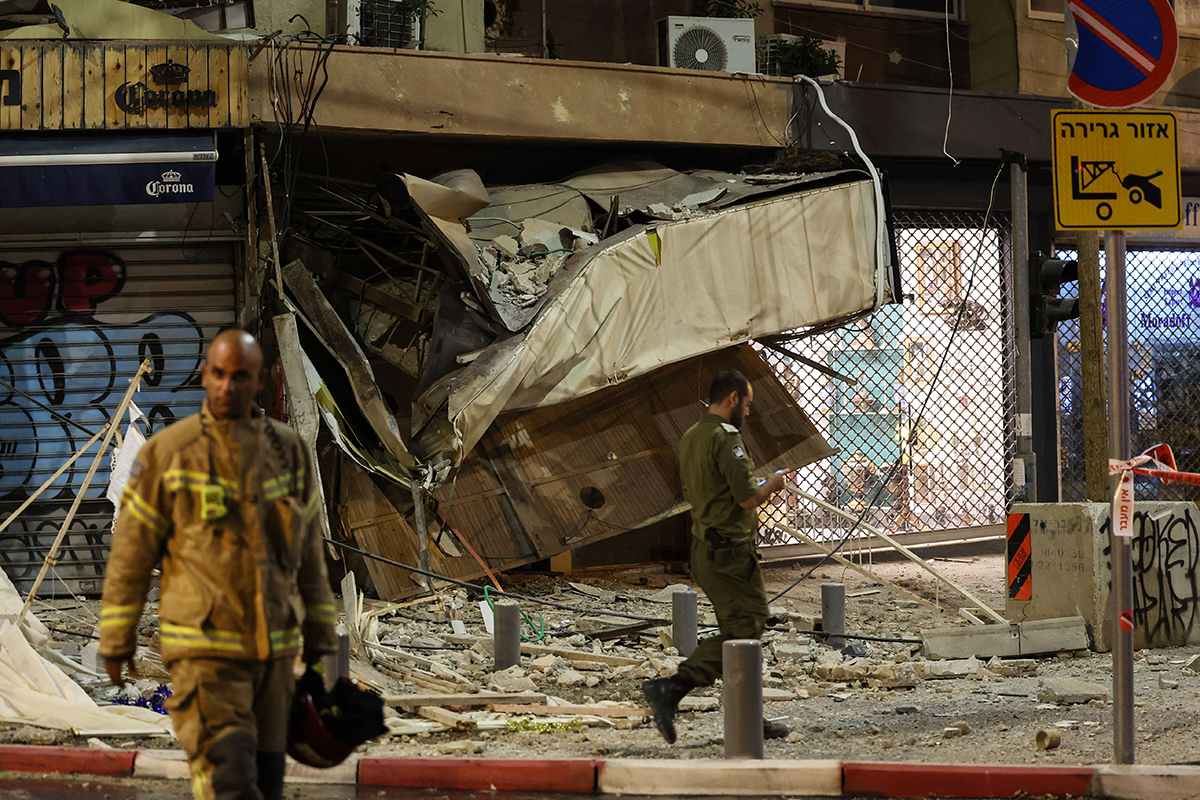
Houthi drone strike on Tel Aviv illustrates unstoppable “democratization” of high-technological capabilities
The recent Houthi drone attack on Tel Aviv, which struck an Israeli apartment building near the Embassy of the United States, killing at least one person, should surprise no one. And the fact Israel’s state-of-the-art air defense could not prevent it will probably embolden future attempts.
In the latest installment of the Defense Rapid Reaction series, experts from MEI’s Defense & Security Program provide their views on the Oct. 7 Hamas surprise attack on Israel and what it might mean for Israelis and Palestinians, the wider region, and U.S. policy.
Defense Rapid Reaction: Proposed reforms to the U.S. Foreign Military Sales process
In the latest installment of the Defense Rapid Reaction series, experts from MEI’s Defense & Security Program provide their views on what reforms to the U.S. Foreign Military Sales process could or should accomplish and how an improved approach to approving foreign arms sales can strengthen U.S. relations with international partners and allies.
Defense Rapid Reaction: The Biden administration’s new Conventional Arms Transfer policy
Last week, the Biden administration released its new Conventional Arms Transfer (CAT) policy. The new CAT policy emphasizes human rights and strategic competition with China. In the latest installment of the Defense Rapid Reaction series, experts from MEI’s Defense & Security Program provide their views on what the new CAT policy means and how the historical tension between human rights and national security might play out in U.S. policy toward the Middle East.
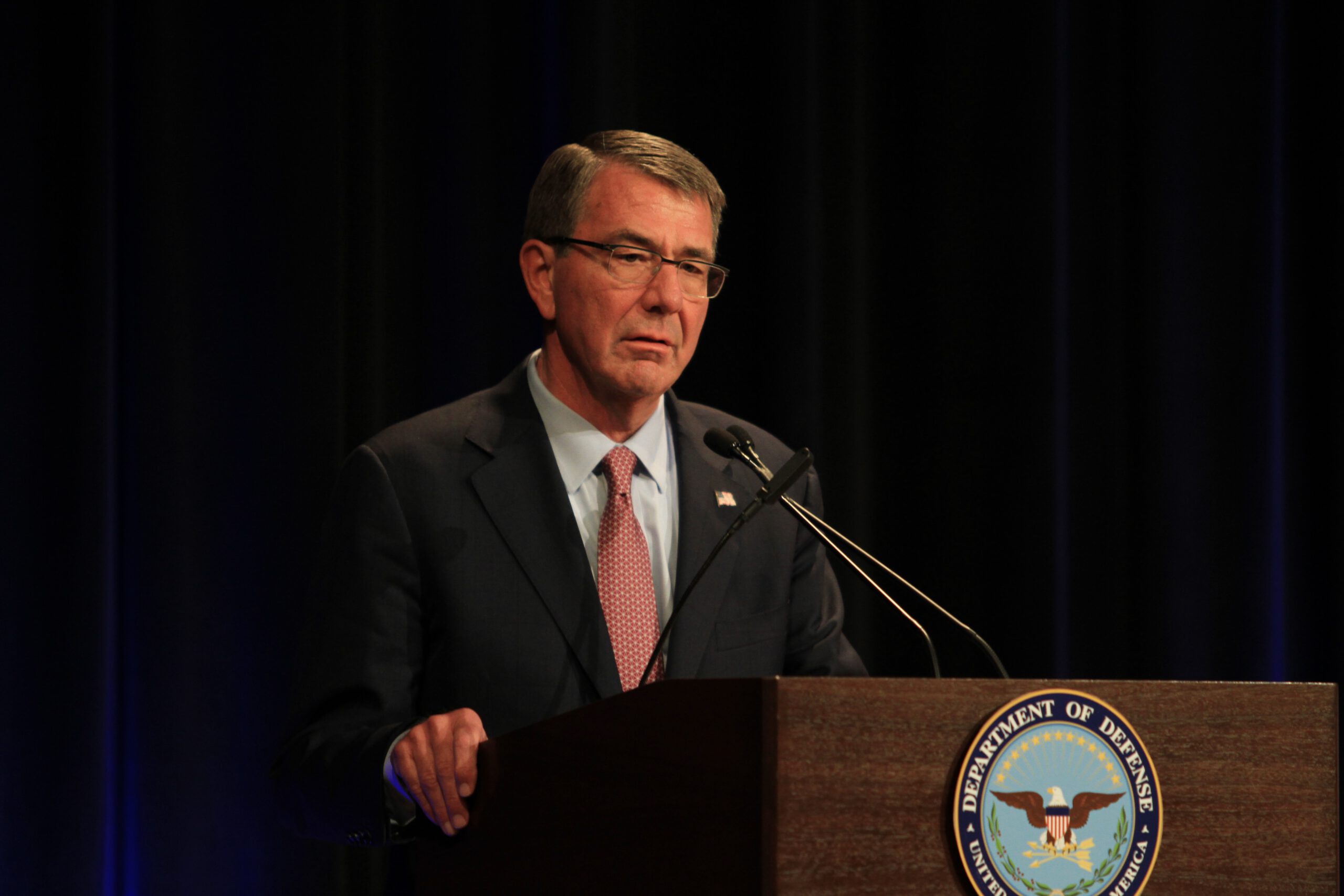
Ashton B. Carter, the 25th U.S. Secretary of Defense, who served under former President Barack Obama, passed away on October 24, 2022. MEI’s scholars react to the news and remember his rich legacy.
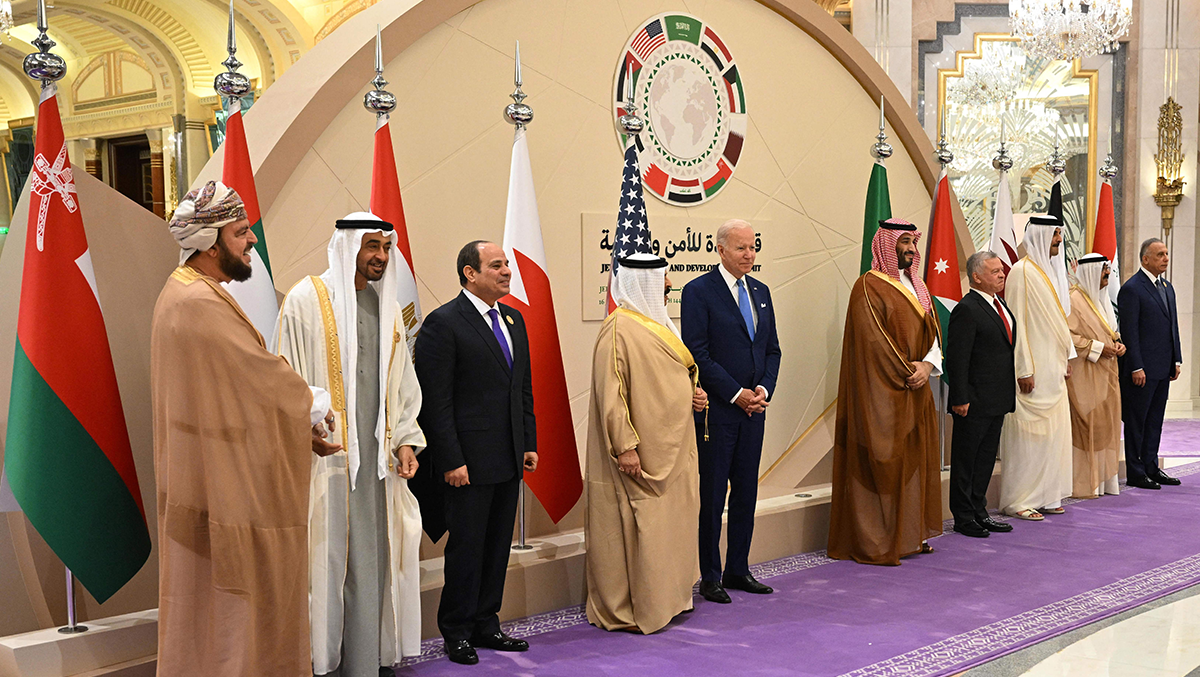
Biden's Middle East Trip: What It Means and What’s Next
The main objective of President Joe Biden’s trip to the Middle East last week was to signal to both partners and adversaries that the United States was serious about restoring its strategic position in the region, which has taken considerable hits in recent years.
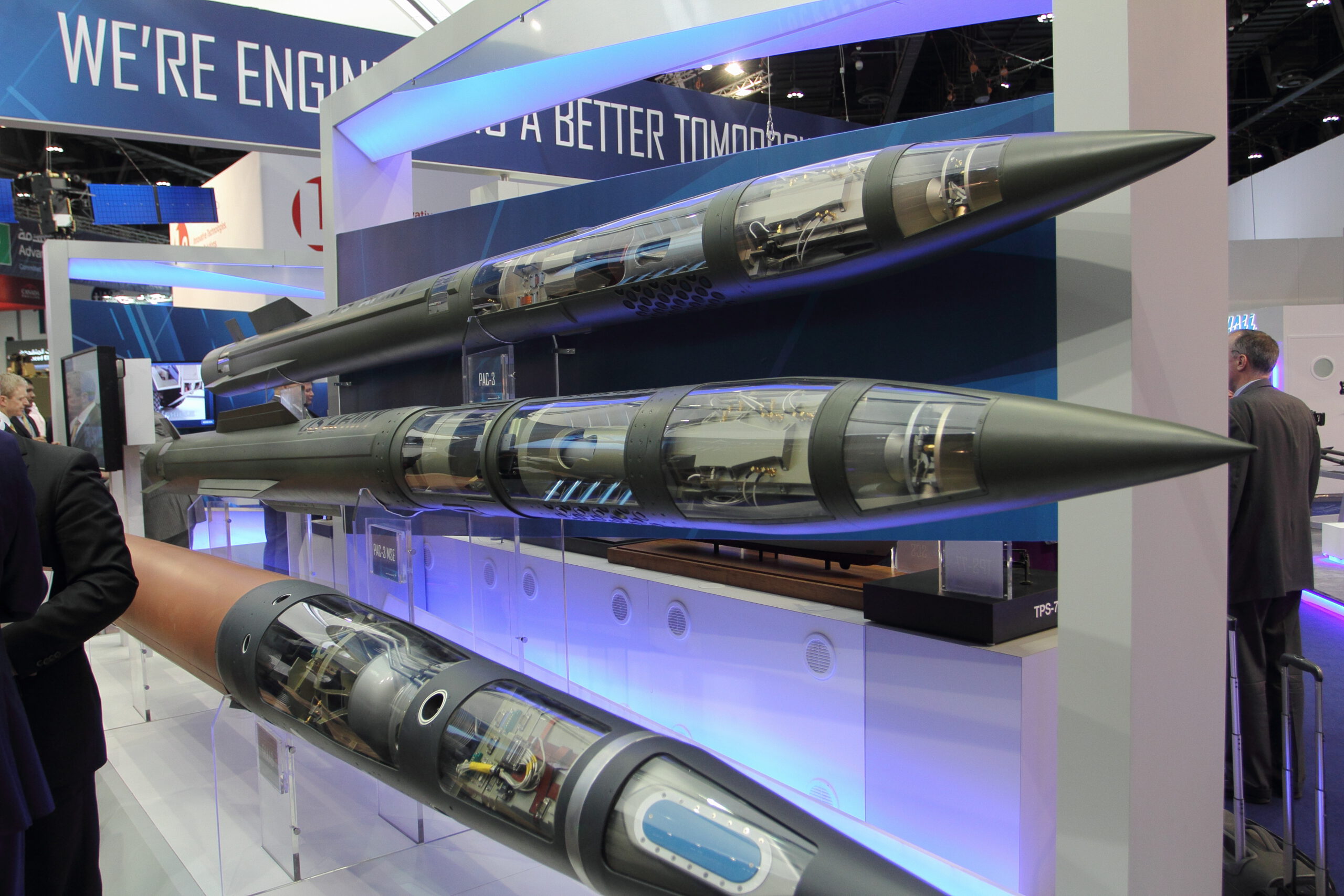
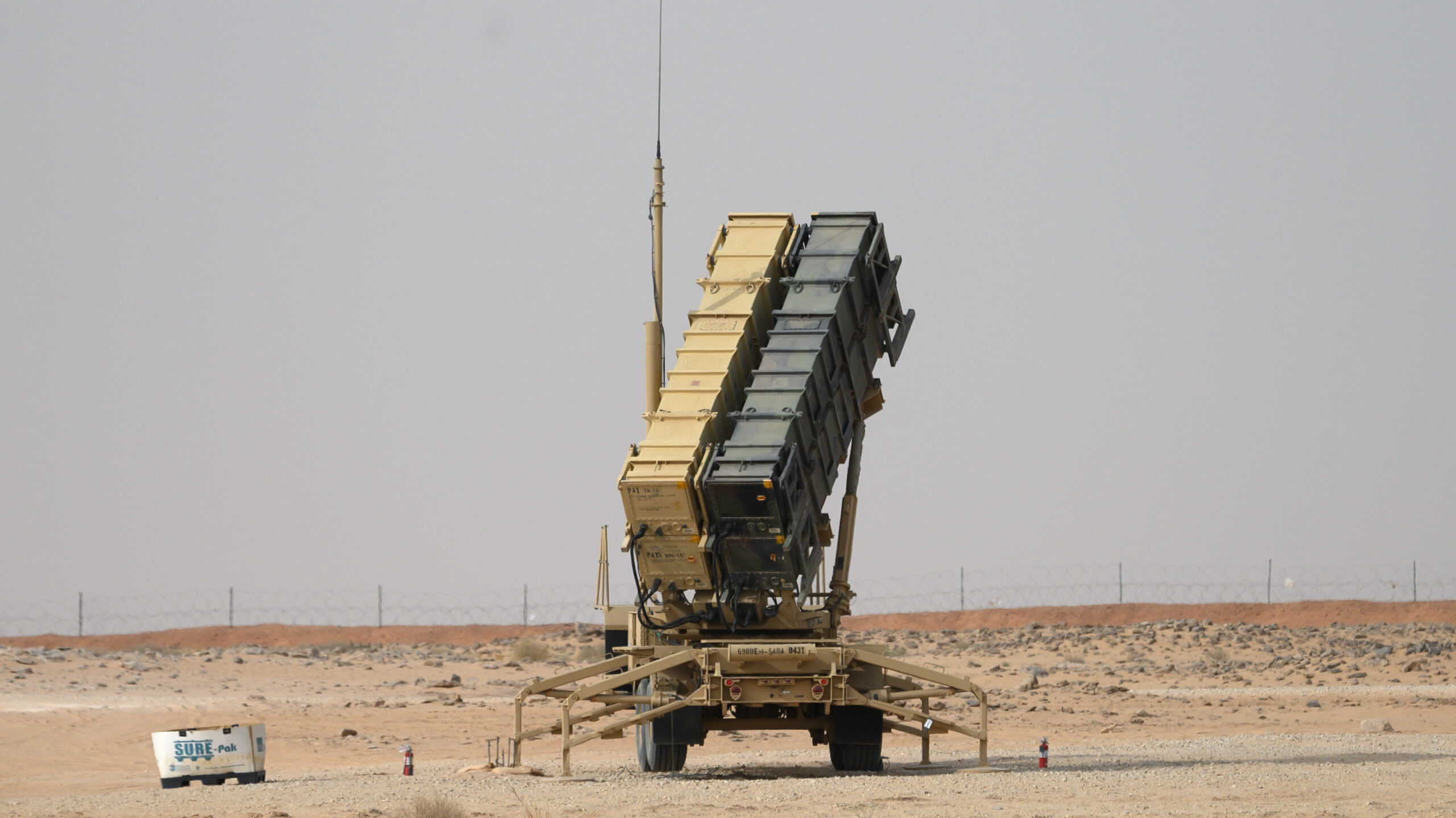
في 24 يناير/كانون الأول، أصدرت القيادة المركزية الأمريكية (CENTCOM) بيانًا أكدت فيه أن “القوات الأمريكية في قاعدة الظفرة الجوية، بالقرب من أبو ظبي في دولة الإمارات العربية المتحدة، اعترضت صاروخيين متجهين للداخل بالاستعانة بعدة صواريخ باتريوت اعتراضية بالتزامن مع جهود القوات المسلحة الإماراتية في الساعات الأولى من صباح 24 يناير 2022. نجحت الجهود المشتركة في منع كلا الصاروخين من إصابة القاعدة.
What these attacks and many others in the region have in common is Iran’s irrefutable involvement. They may have different local contexts and their perpetrators, all loyal to Iran, may have different motivations, but every single one of those attacks was possible only because Iran provided either the weapons or the know-how to assemble and use them.
The Department of Defense’s new overarching principle, U.S. strategic competition, will likely replace great power competition in the next National Defense Strategy, set to be released in 2022. In the latest installment of the Defense Rapid Reaction series, experts from MEI’s Defense & Security Program weigh in with their thoughts on what strategic competition means for the U.S. and how it should go about implementing it in practice.
The United States and Pakistan have had a complex and often disappointing “love-hate” relationship since 1947 — one severely tested during the 20-year U.S.-led intervention in Afghanistan. We believe the time has come for serious policy consideration of whether and how both nations can achieve a more strategically beneficial and sustainable post-intervention relationship between the American and Pakistani governments and their populations