Mohammed Sinan Siyech is a doctoral candidate at the Islamic and Middle East Studies Department at the University of Edinburgh. Previously, he was a senior analyst with the International Centre for Political Violence and Terrorism Research at the S. Rajaratnam School of International Studies (RSIS), Singapore. He has written and spoken extensively on Security, Foreign Policy and Religion in South Asia and the Middle East.
Civil Society and COVID–19 in India: Unassuming Heroes
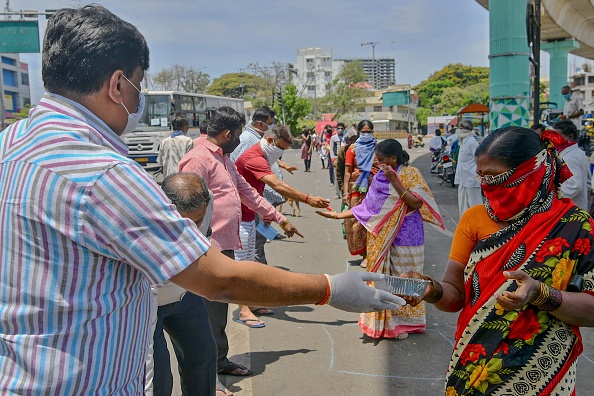
In battling public health crises and natural disasters, non-government organizations (NGOs) often step up to plug response capacity gaps. This article looks at the example of a coalition of NGOs in Bangalore, India that functioned as a force multiplier in the city’s underserved communities during the three-week lockdown induced by the COVID-19 pandemic. It argues that such organizations will become a necessary part of the eco-system working to sustain countries for the duration of this crisis and in others.
What Makes a Movement Violent: Comparing the Ahle Hadith (Salafists) in India and Pakistan
This article examines the Salafist movements in Pakistan and North India (known as the Ahle Hadith movement), which originated in the colonial era in India. The article seeks to explain what led Salafist/Ahle Hadith organizations in Pakistan, though not those in India, to adopt violence.
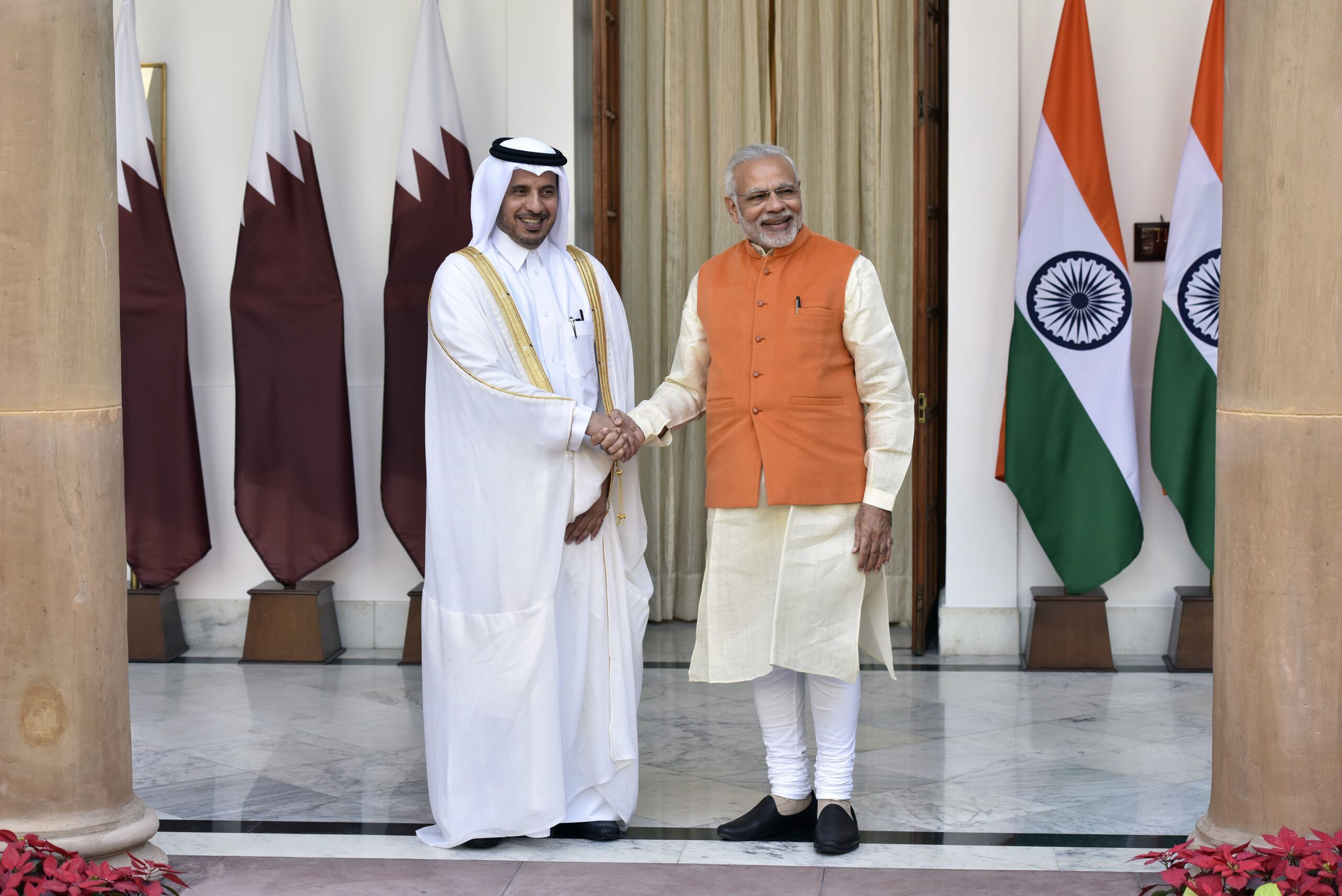
Examining India’s relations with Qatar provides a lens through which to illuminate Delhi’s goals and approach to West Asia at a time when the Gulf countries are mired in tensions and controversies.
The Islamic State in India: Upgrading Capabilities?
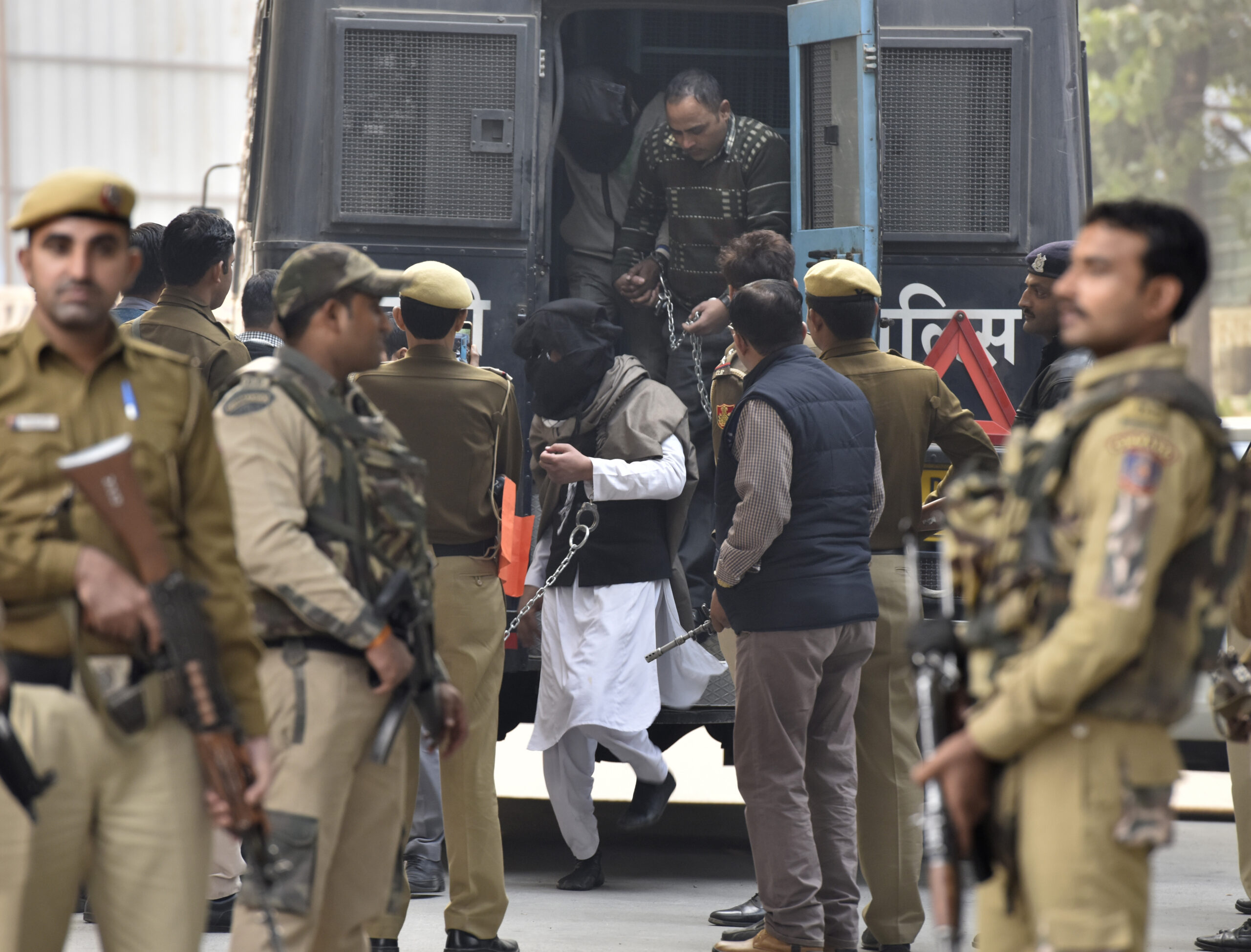
The Islamic State (IS) is generally considered to be a very modest threat to Indian national security when compared to Kashmiri separatists, Naxalites, and the North East insurgencies. Yet, paradoxically, of all such violent non-state actors it has been IS that has garnered the most national attention in recent years. In December 2018 and January 2019, it was reported that Indian authorities had disrupted terrorist plots by two IS-inspired groups. This article discusses these incidents and what they reveal and might portend.
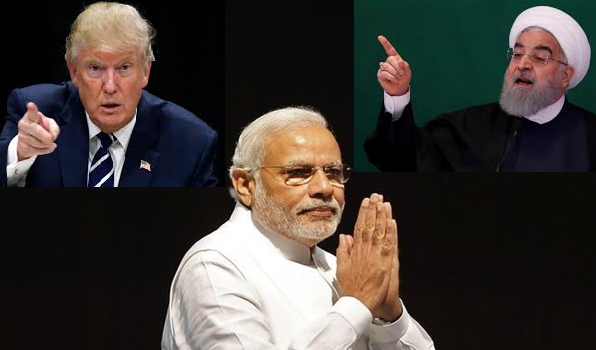
India finds itself in a precarious situation. On one hand, Delhi does not want to antagonize the United States, with which it has developed a strong relationship over the past two decades. On the other hand, India has had a long-standing generally positive relationship with Iran that it is keen to maintain and in fact build upon. This essay examines the economic, domestic political, and international challenges that the Trump administration’s “maximum pressure” approach poses for India.
Anti-India Sentiments in South Asia: Terrorist Recruitment Narratives
India’s strategic choices in South Asia have prompted it to interfere in the domestic affairs of some of its neighbors. As a result, India has become a part of domestic politics of most of its neighboring states where anti-India sentiment is often used to bolster the nationalist credentials of various political formations. Importantly, such sentiments have been leveraged by Jihadist groups — especially those operating in Pakistan and Bangladesh — to shore up support for themselves.
India’s burgeoning economic relations with the Gulf Cooperation Council (GCC) countries have been accompanied by heightened security risks, including in the domain of terrorism. In light of these developments, this article addresses three questions: What is the nature and gravity of the transnational terrorist linkages that exist between India and Gulf Arab countries? What steps has India taken, in concert with its Gulf Arab partners, to counter the terrorist threat? And what more could be done to strengthen India-Gulf Arab counterterrorism (CT) cooperation?
Al-Qaeda in the Indian Subcontinent (AQIS): Renewing Efforts in India
On September 4, 2014 Al-Qaeda Central (AQC) announced the formation of a new regional affiliate called “Qaedat al-Jihad fi’shibhi al-qarrat al-Hindiya,” or Al-Qaeda in the Indian Subcontinent (AQIS). Recently, AQIS has been ramping up its efforts to increase its presence in India. This article examines AQIS’ renewed ambitions and activities in India.
The India-U.A.E. Strategic Partnership in Regional Context: A Zero-Sum Game?
Since the government of Narendra Modi took office in 2014, India and the U.A.E. have moved relatively quickly to consolidate their existing ties and to explore new areas of cooperation. During this time, they have elevated the relationship to a comprehensive strategic partnership, with the expressed intention of extending their cooperation to the security and defense spheres. This essay discusses these recent developments, with particular attention to the role of Pakistan as a constraining factor in India-U.A.E. relations going forward.