This individual is a guest contributor. MEI is not able to assist with contact requests.
Nasser bin Nasser is the managing director of the Middle East Scientific Institute for Security based in Amman, Jordan. In this position, he focuses on addressing chemical, biological, radiological, and nuclear (CBRN) risks across the region. Mr. Nasser is also the head of the Middle East Regional Secretariat, the first of eight secretariats to be established globally under the European Union’s Centres of Excellence initiative on CBRN issues.
Previously, Mr. Nasser worked in the office of His Majesty King Abdullah II of Jordan, where he last served as senior analyst in the Foreign Affairs Directorate. During that time, he managed several bilateral and thematic files and led analytical studies on Jordan’s regional and international relations.
Mr. Nasser is also involved with numerous organizations. He served as the chairman of a leading insurance company in Jordan and currently serves as the vice chairman of a public national commission offering support to injured and disabled veterans, as well as the president of a charity that offers therapeutic riding services to children with special needs. He received his master’s degree in Near Eastern studies from Princeton University and his undergraduate degree in environmental science and policy and business management from Clark University in Worcester, Massachusetts (2001). Nasser is also the chair of the Princeton alumni committee in Jordan.
In 2015, Mr. Nasser was selected by the World Economic Forum as a “Young Global Leader,” along with 187 candidates globally.
Will COVID-19 hasten the rise of lethal autonomous weapons?
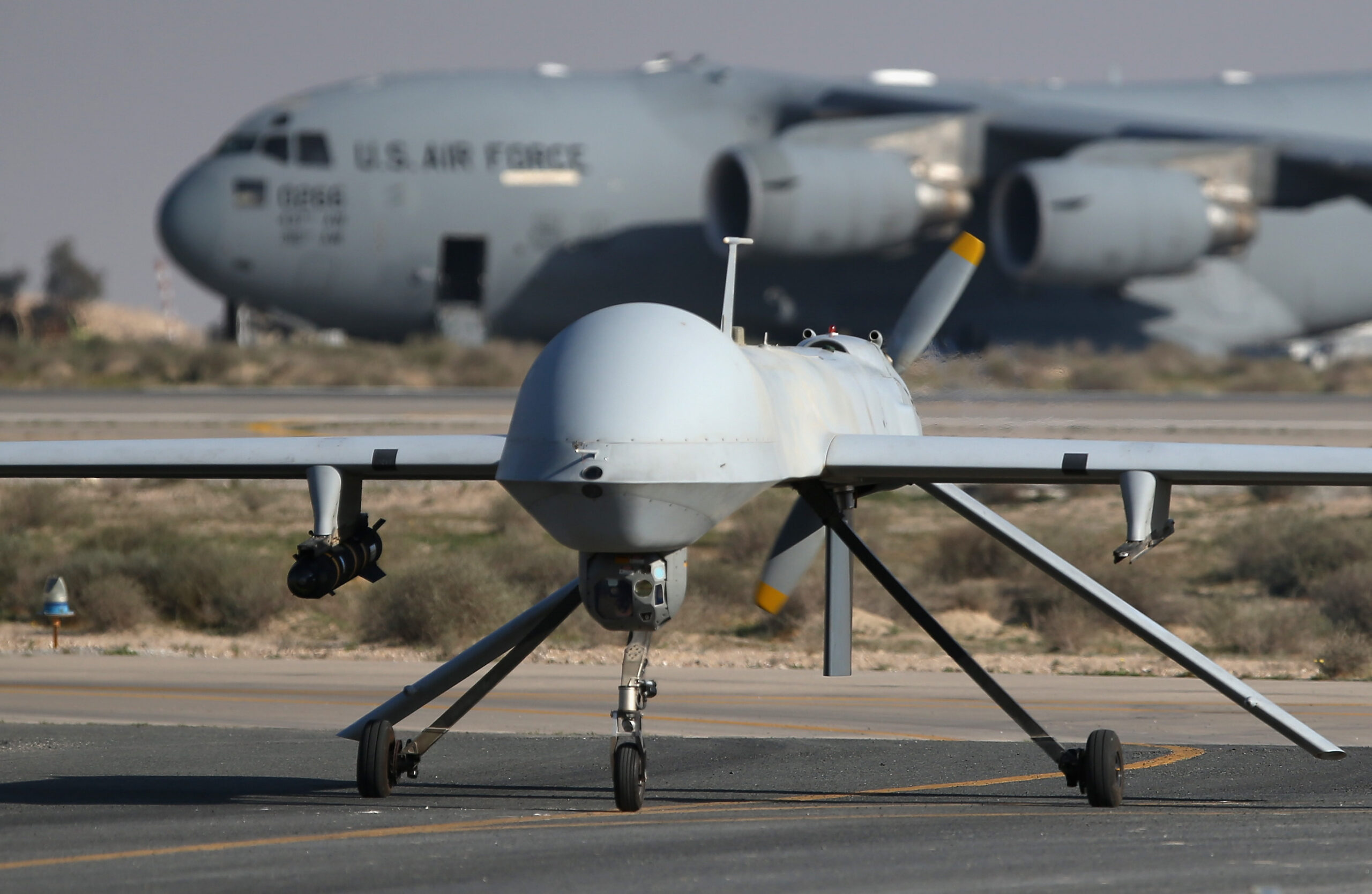
The latest figures from the Pentagon indicate that the total number of COVID-19 cases among members of the U.S. military has topped 60,000 since the onset of the pandemic. COVID-19 and other similar outbreaks could become an increasingly important consideration in the calculus of future military deployments. They could add impetus to the Pentagon’s development of lethal autonomous weapons or at least be cited as a perfect reason to do so. This could, in turn, have significant implications for the future of both U.S. military operations in the Middle East and the U.S. military presence in the region.
Election 2020: Challenges and Opportunities for US Policy in the Middle East
In a new briefing book released ahead of the U.S. elections in November, entitled Election 2020: Challenges and Opportunities for US Policy in the Middle East, MEI scholars lay out key issues across the region, highlight the U.S. interests at stake, and provide policy insights and recommendations for the path forward.
Israel’s upcoming elections: Much ado about nothing?
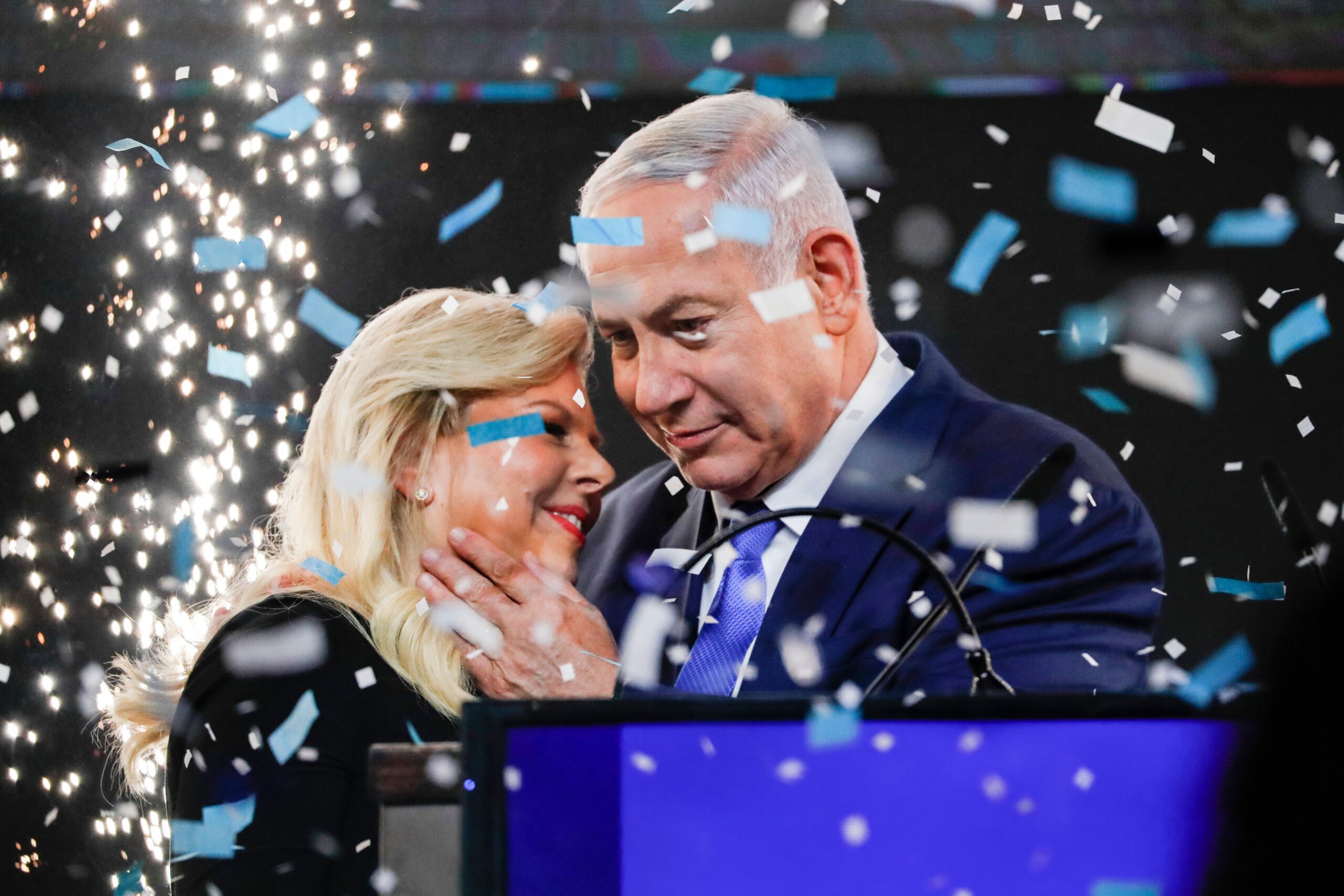
Prime Minister Benjamin Netanyahu won a fifth term in April, the first such victory for an Israeli politician. In May, he failed to form a governing coalition, a first for an Israeli politician as well. Snap elections are scheduled for Sept. 17 and, true to form, rivals and observers are saying that surely his era may be nearing an end. Notwithstanding the possible changes that could be witnessed on the local political scene, skeptics are hard-pressed to see how the elections could bring about drastic change for either Israel or the region.
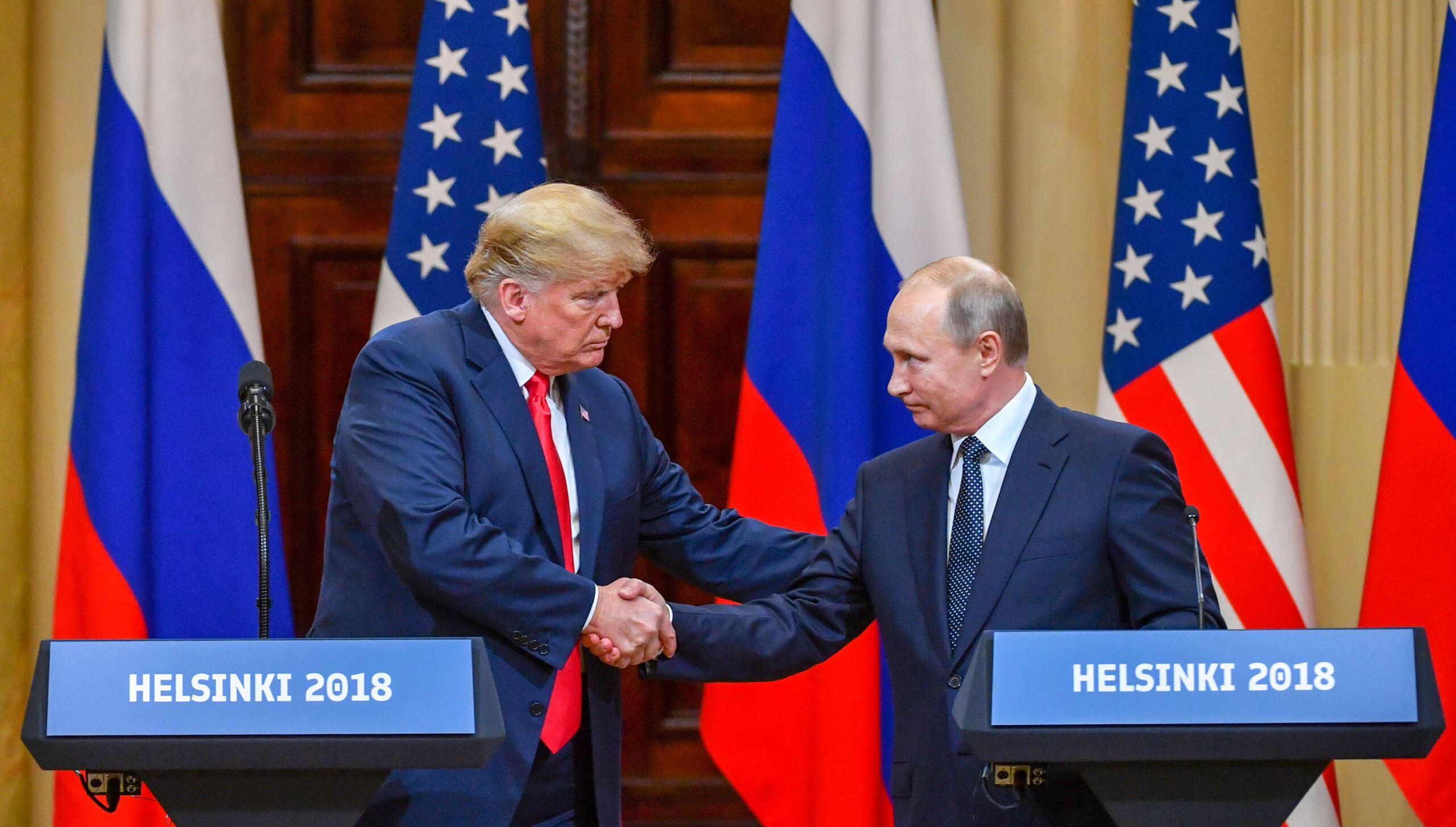
Despite the absence of a public and formal account of what transpired during the meeting between Presidents Trump and Putin in Helsinki on Jul. 16, it seems that there is at least tacit agreement that effectively endorses the Syrian regime’s takeover of southern Syria and limits Iranian presence in Syrian areas near the Jordanian and Israeli borders.