This individual is a guest contributor. MEI is not able to assist with contact requests.
Sultan Sooud Al Qassemiis a Lecturer at the Council of Middle East Studies at Yale University. His articles as a columnist have appeared in The Financial Times, The Independent, The Guardian, The Huffington Post, The New York Times Room for Debate, Foreign Policy, Open Democracy, and The Globe and Mail, as well as other notable publications.
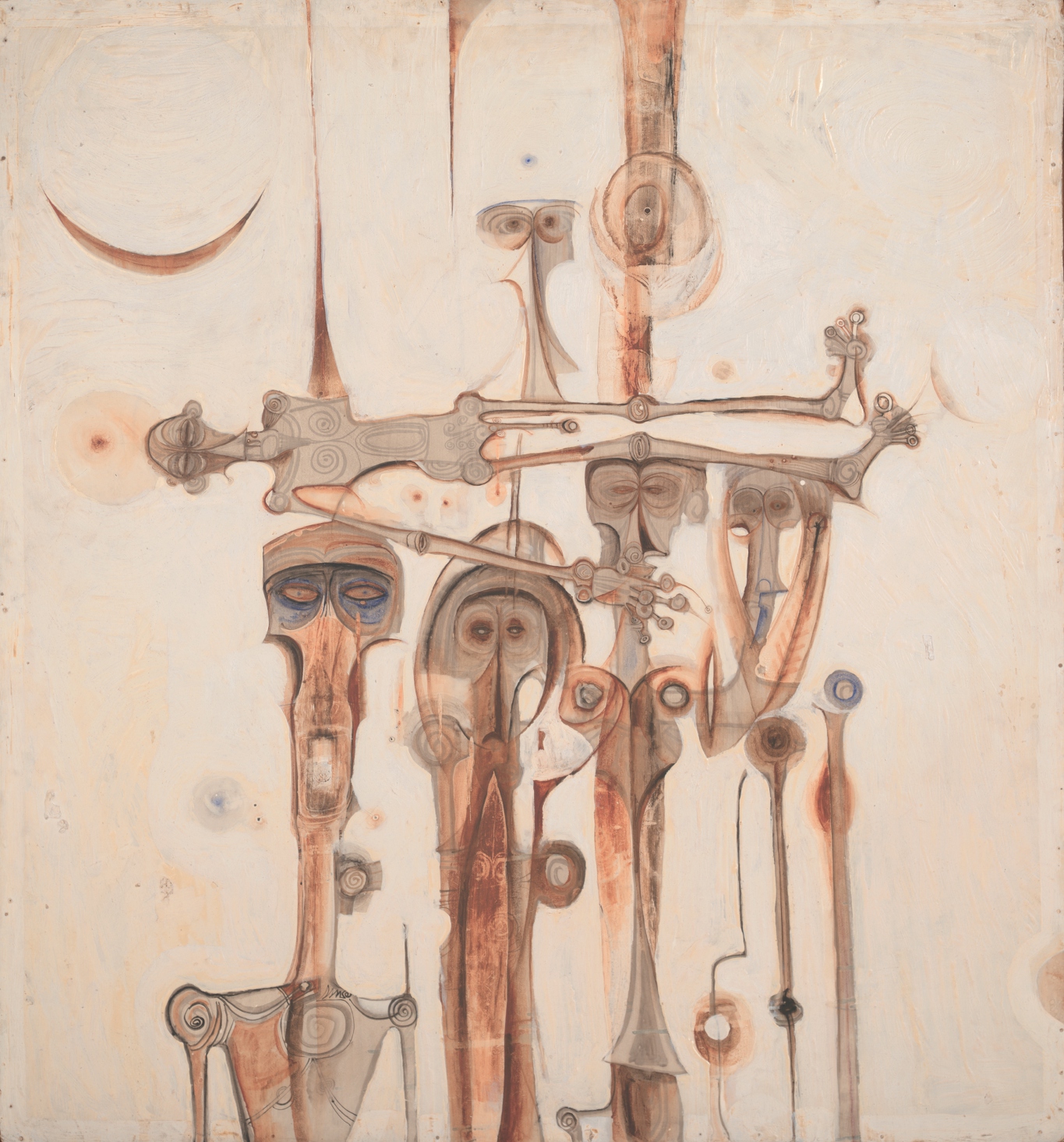
The works of Sudanese artist Ibrahim El Salahi were long overlooked by the international arts community. Today, his extraordinary works are recognized globally as defining works of African modernism and are housed in some the world’s most prestigious galleries, including they Tate Modern and the MoMA – all thanks to the tireless work of fellow Sudanese scholar Salah Hassan.
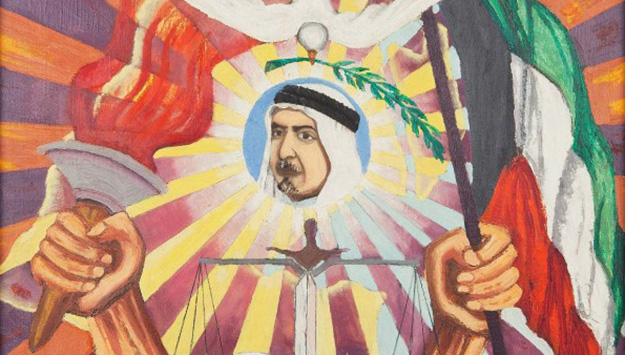
Remembering the Father of Democracy in the Gulf—Sheikh Abdullah al-Salem
It was the age of nationalism and strong men. Egypt’s Gamal Abdel Nasser had just enacted a new charter that guaranteed his hold on power, unelected and unopposed. Iraq’s revolutionary government was overthrown by Baathists, who had also assumed power in neighboring Syria, while Iran’s Mohammad Reza Pahlavi was entrenching his family’s legitimacy through the so-called White Revolution. The lower Gulf emirates were under British “protectorism,” while Saudi Arabia’s King Faisal was wrestling power from his half-brother Saud.
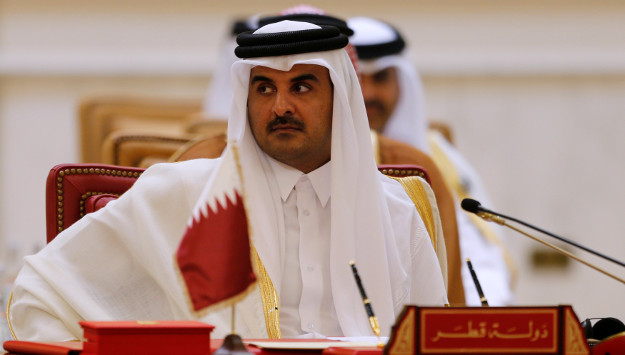
Citizens of the Gulf Cooperation Council (GCC) states woke up on Monday morning to what is the most severe crisis in the regional block’s 38 year history to date. In a closely coordinated series of statements, Saudi Arabia, Bahrain and the UAE, along with Egypt, announced the severing of ties with the peninsular state of Qatar.
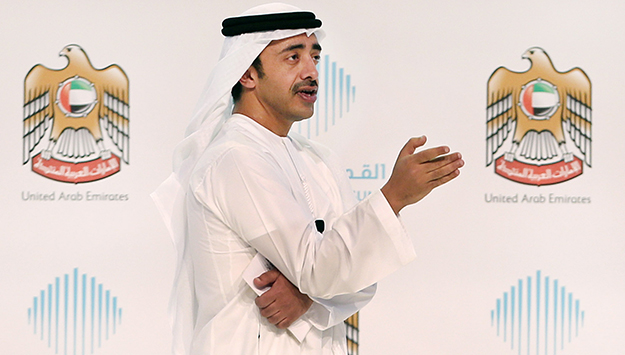
U.A.E’s Reformed Foreign Ministry a Pioneer in the Region
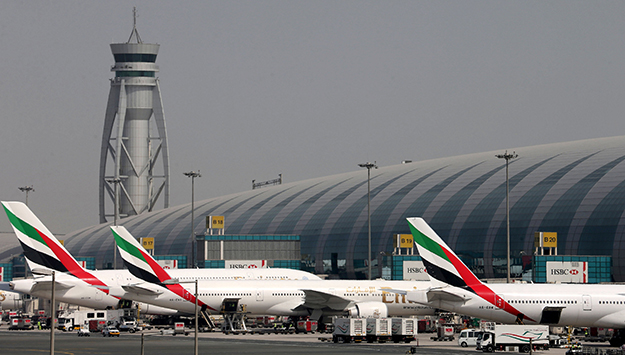
When Dubai Ports World made an offer in October 2005 to purchase ports manager P&O, it did not imagine the deal would unleash a firestorm of bipartisan wrangling in the United States. The P&O purchase would have resulted in a Middle Eastern firm managing six U.S. ports including those in New York, Newark, Baltimore, and Miami, which some senators found to be unacceptable. While D.P.
When I was approached last summer by New York University’s Hagop Kevorkian Center for Near Eastern Studies to teach a class this spring, I did not imagine the changes that would take place in the American political landscape. Since Donald Trump took office, his promise to place “America first” has manifested itself in numerous ways. Although I am committed to the university and the students, traveling to the United States is becoming less and less enticing.
Special Briefing: The Middle East in the Year Ahead
Another turbulent year lies ahead for the Middle East. Civil wars rage in Syria, Libya, and Yemen; the battle against ISIS proceeds in Iraq; Iran pushes its advantage against regional rivals; governments continue to struggle with economic, political, and security challenges; and the region awaits a new administration in Washington.
Much of the world has been horrified by recent scenes of mostly Arab migrants drowning in the Mediterranean. However, migration has long been a trademark of the Middle East, and today it threatens to clear the region of its rich diversity. The lack of tolerance of minorities—both ancient, as in the Christians and Jews, as well as recent, as in the large minorities from the subcontinent in the Gulf—runs contrary to the Middle East’s long history as a cultural, ethnic, and religious mosaic.
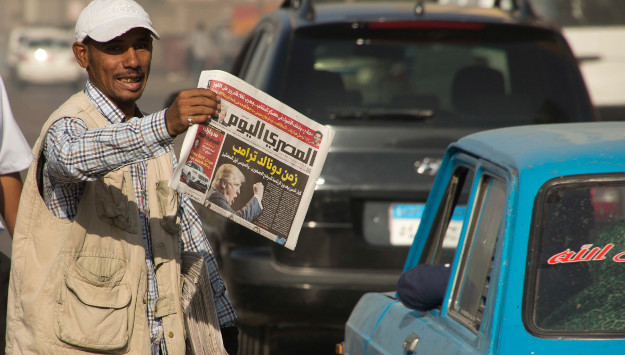
As objectionable as it may seem to many, it’s becoming increasingly likely that Donald Trump will be the Republican Party’s presidential nominee. It is also no longer a remote possibility for Trump to become the 45th president of the United States come next January. What would a Trump presidency mean for the oil-rich Gulf Arab states?
The demise of Sheikh Khalifa Bin Saeed al-Qassimi, the Arab ruler of the southern Persian governorate of Lingah, in the late 19th century resulted in its bustling port switching to Iranian hands.
The New Year has seen relations in the region spiral out of control with Saudi Arabia cutting off diplomatic ties with the Islamic Republic of Iran. Sectarian tensions mounted following the execution of prominent Saudi Shi’a cleric Nimr al-Nimr and the subsequent attack on the Saudi embassy in Tehran. The immediate impacts of this escalation will likely be felt in Yemen, with the latest ceasefire collapsing over the New Year, and in Syria where U.N.-sponsored peace talks are set to begin later this month.