
Iulia Joja is a senior fellow at the Middle East Institute (MEI), where she focuses on European and Black Sea security, with particular attention to defense, strategic cultures, and transatlantic relations. She is also an adjunct professor at Georgetown University and George Washington University, teaching European affairs and security.
Before joining MEI, Dr. Joja served as an adviser to the Romanian president and as a deputy project manager at NATO Allied Command Transformation in Virginia. She has also worked with the Romanian delegation to the United Nations, the European Parliament, and the Romanian Ministry of Foreign Affairs.
Dr. Joja has held prestigious academic positions, including as a visiting scholar at the Center of Military History and Social Sciences of the German Armed Forces in Potsdam/Berlin and as a German Academic Exchange Service (DAAD) post-doctoral fellow at the Foreign Policy Institute of the Johns Hopkins School of Advanced International Studies.
She holds a PhD in Strategic Studies from the National School of Political and Administrative Studies in Bucharest, an MA in International Conflict Studies from King’s College London, and a BA in Political Science and International Relations from Freie Universität in Berlin.
She is a native Romanian speaker.
The Latest from Iulia Joja
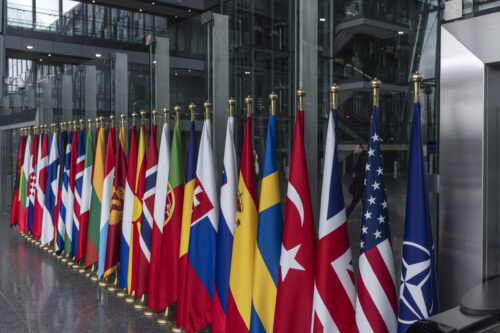
A Deal on Iran to Save NATO — and Ukraine
In the midst of a fragile cease-fire to the US-Israeli war on Iran, European leaders remain reluctant to get involved in another Middle Eastern war and are bristling under threats and insults from the US. As the NATO alliance frays and Russian attacks on Ukraine continue, the moment for Europe to take action has arrived, and is fleeting.

Special Episode: Europe and the Iran War
This special episode of Middle East Focus features a conversation from MEI’s Virtual Briefing Series. Host Alistair Taylor is joined by former National Security Council Senior Director Stephen Flanagan and MEI Senior Fellow Iulia-Sabina Joja to discuss the impacts of the Iran war on US-European relations. The conflict has hit Europe’s economy hard and created deep divisions across the continent, even as some European countries play a quiet supporting role to the US. President Donald Trump has called for NATO member states to help secure shipping through the Iranian-blocked Strait of Hormuz, a critical chokepoint for international maritime trade. Flanagan and Joja explore the prospects for stepped-up European military involvement, the knock-on effects on the war in Ukraine, and the potential longer-term impact on the future of the US-European alliance.
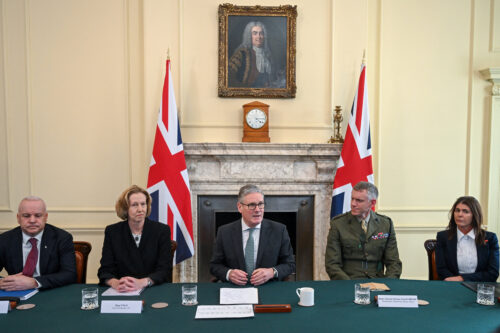
Europe and the Iran War: On the Sidelines or Into the Fray?

How Iran, China, and Russia Use the Shadow Fleet to Evade US Sanctions
Crude oil legally sanctioned by the United States and its allies today makes up an estimated 18% of global tanker capacity, or 6-7% of total unrefined petroleum flows — shares that have been growing. Increased pressure on Russian exports and US intervention in Venezuela have further constrained Russian flows and temporarily removed Venezuela, the smallest sanctioned producer, from the market. Iranian exports, however, remain largely untouched.
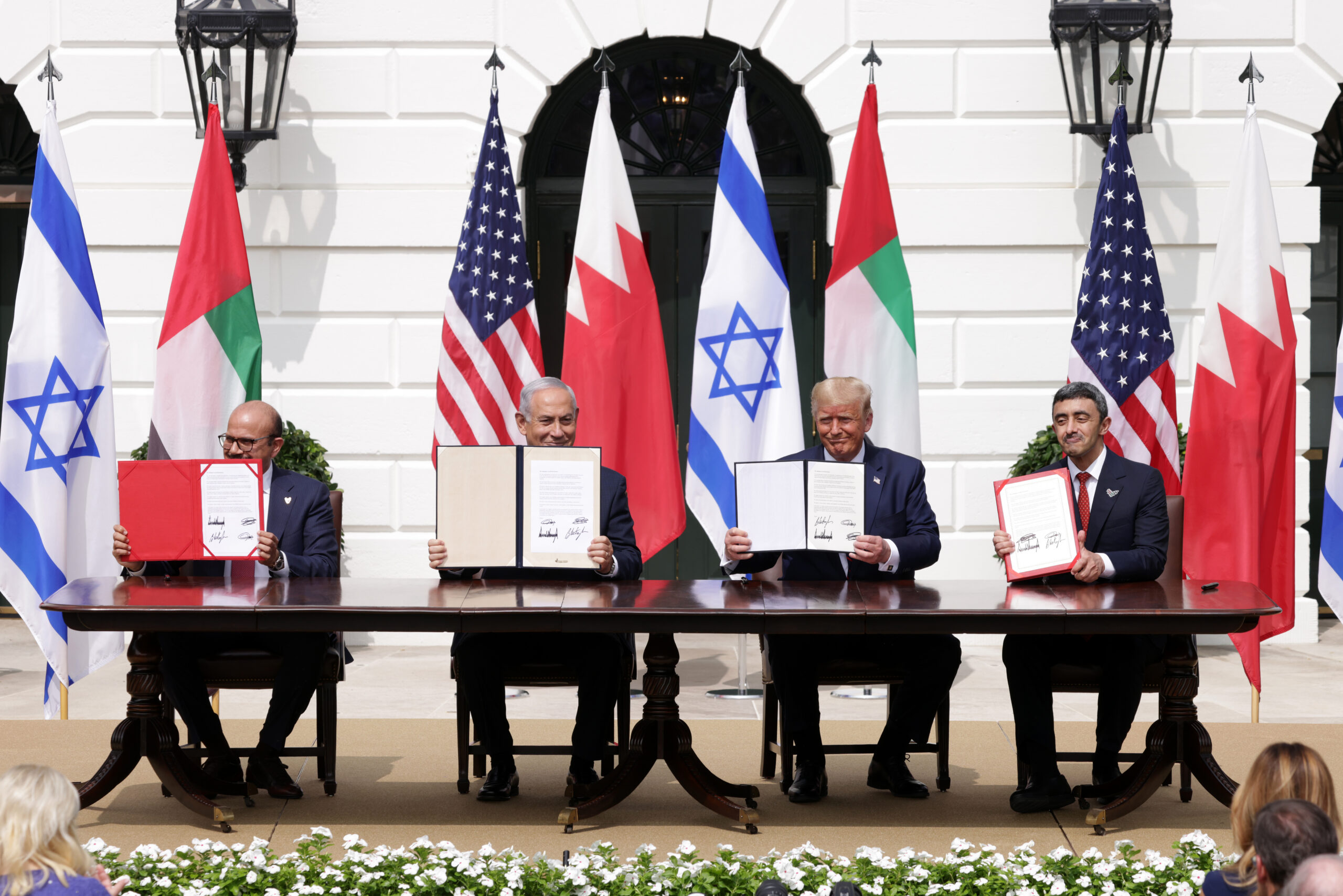
The Abraham Accords: The US Perspective
The Abraham Accords have represented a remarkable shift in U.S. Middle East policy. They reframed Arab-Israeli normalization as a result of shared interests – within the Middle East and directly with the US, rather than as a byproduct of Israeli-Palestinian peace. Signed in September 2020, on the last leg of the first Trump administration, the Accords brokered by Washington normalized relations between Israel and the United Arab Emirates (UAE) and Bahrain, followed by framework agreements with Morocco and Sudan. From the American perspective, the Accords were intended to break decades of diplomatic stagnation in the Middle East in order to establish a regional framework aligned with American strategic objectives.
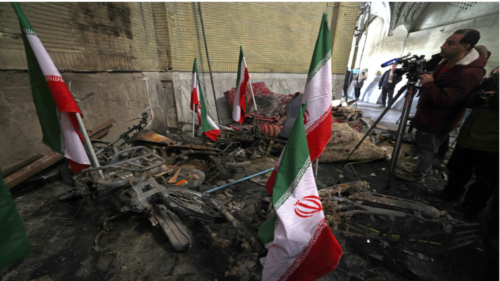

Unfinished business will drive the Mideast agenda in 2026
Following another year of pivotal developments and transformational change, the Middle East could be poised to turn the page on many of its long-running conflicts and sources of instability. But lasting fruits of the processes begun in 2025 will require a determined, intentional focus by regional actors and the United States. Given current trends, MEI experts weigh in on where the region may be headed in 2026.
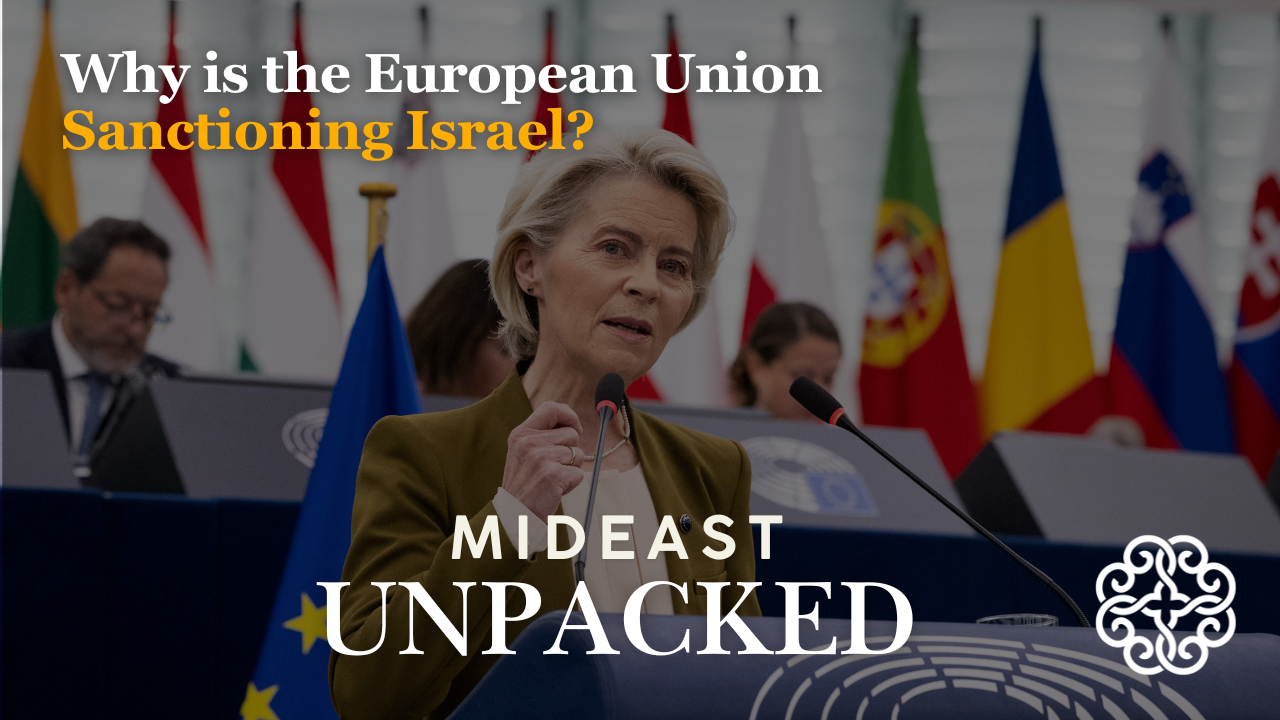
Why is the European Union Sanctioning Israel?
The European Union has announced plans to sanction Israel over the humanitarian crisis in Gaza. If adopted, the move would mark a historic shift in EU-Israel relations. MEI’s Iulia Joja unpacks the proposal’s background, what the sanctions would entail, and their potential impact on the EU’s position in the Middle East.
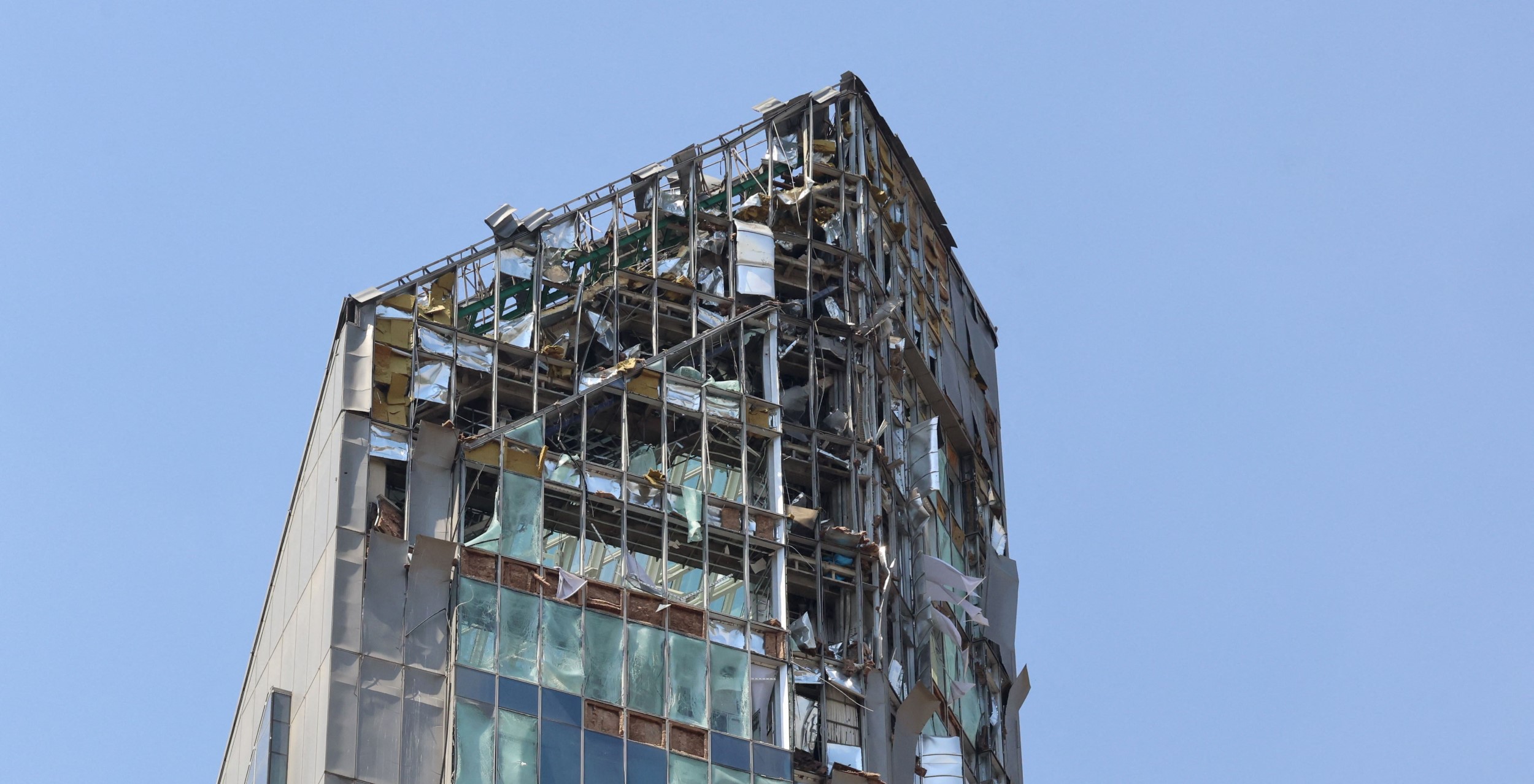
Special Briefing: Israel strikes Iran’s nuclear program
MEI’s experts react to the Israeli strikes on Iran’s nuclear program and the consequences for the wider region.
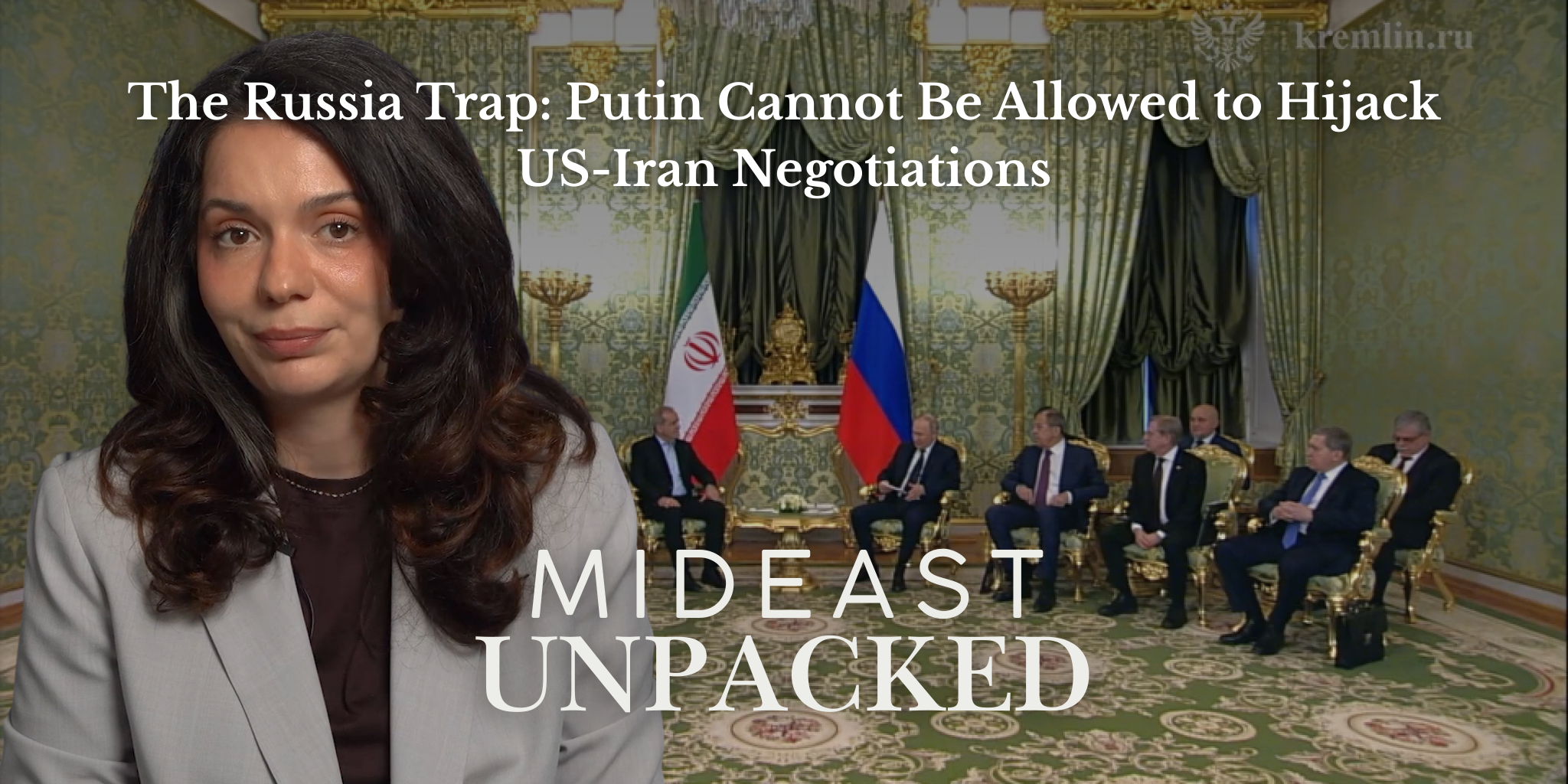
The Russia Trap: Putin Cannot Be Allowed to Hijack US-Iran Negotiations
MEI Senior Fellow Iulia Joja delivers a sharp and timely warning against Russia being offered a direct role in US-Iran negotiations. Far from acting as a neutral broker, Moscow wants to leverage this moment to reshape the balance of power in the Middle East. From meetings in Muscat to tightening alliances with Tehran and Beijing, Joja unpacks how Putin’s diplomacy is less about peace — and more about building up Russian influence against the US. Washington should be paying close attention.

Trump travels to a Middle East in transition
This week, US President Donald Trump makes his inaugural visit to the Middle East since the start of his second term, traveling to Saudi Arabia, Qatar, and the United Arab Emirates on May 13-16. Amid the heightened focus on US policy toward the Middle East, MEI’s experts take stock of Trump’s trip to the Gulf, how his administration has shaped its approach to the wider region in its first several months, and how regional actors are responding to the policies coming out of Washington.
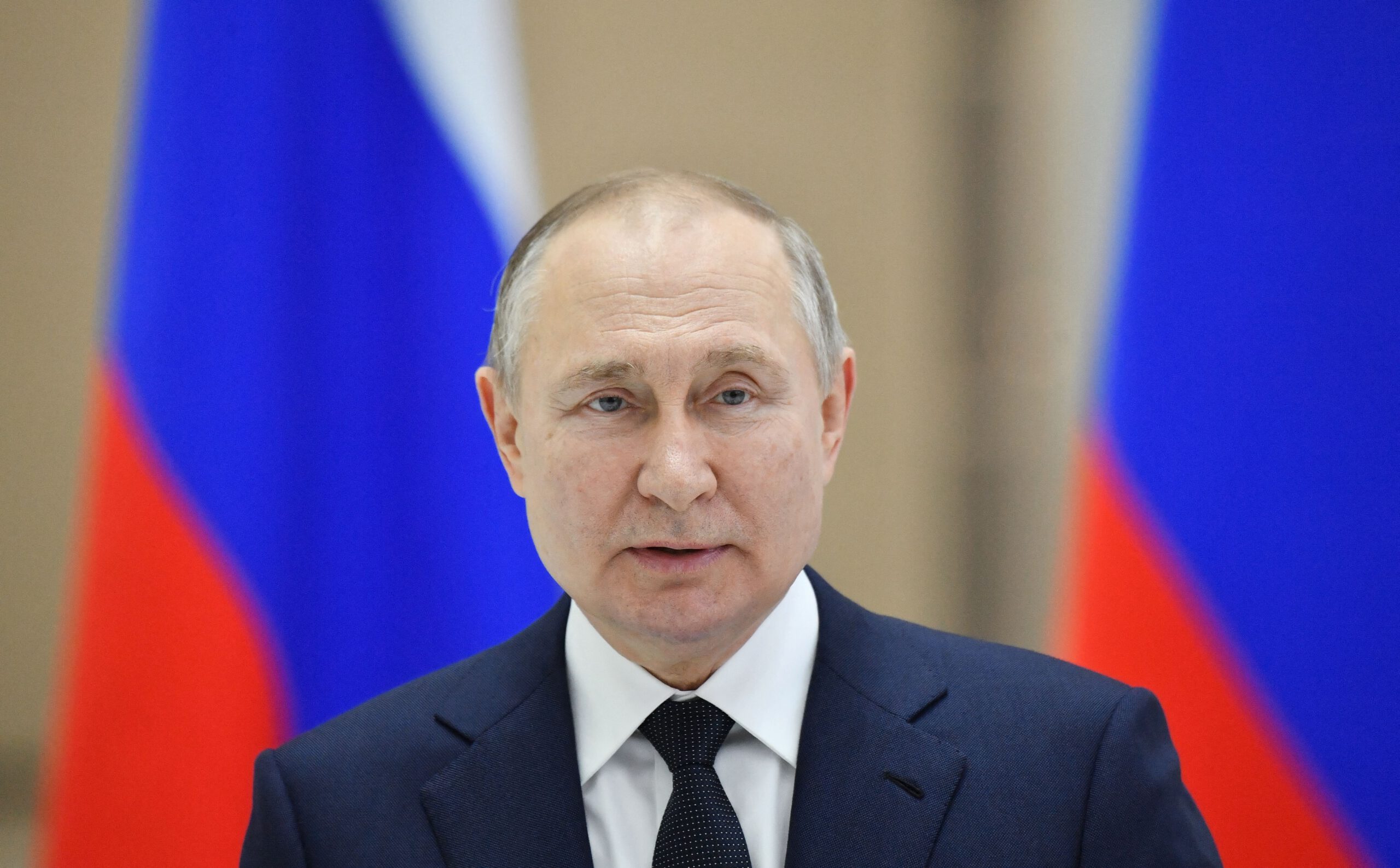
Could Russia support US-Iran negotiations? The risks outweigh the benefits.
President Donald Trump wants a deal with Iran. Russia has offered to mediate. But an agreement negotiated by Moscow would turn the Middle East upside down as well as negate years of Western efforts to impede and deter further aggression by the Kremlin.

Four years of tectonic shifts that redrew the Middle East
Read MEI’s weekly briefing featuring expert analysis of key regional developments for the week ahead.
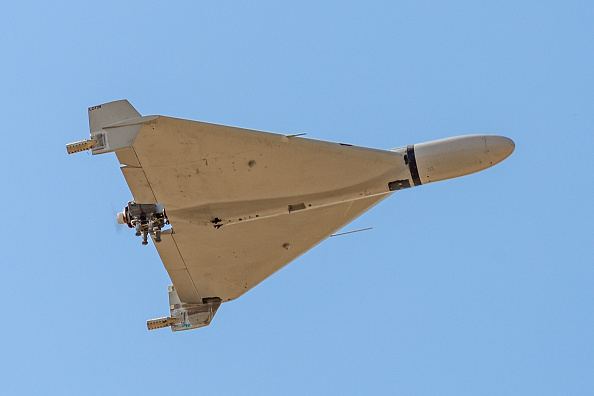
Iran’s growing influence in the Black Sea region: Consequences and Western responses
Russia’s full-scale war against Ukraine has provided several strategic opportunities for Iran to increase its foothold in the Greater Black Sea Region. A closer analysis of Iran’s deepening footprint there is necessary to inform how the next administration in Washington and the new European Commission can strengthen and better coordinate their policy responses.