Algeria’s 2024 presidential elections: Keeping up with populist authoritarianism
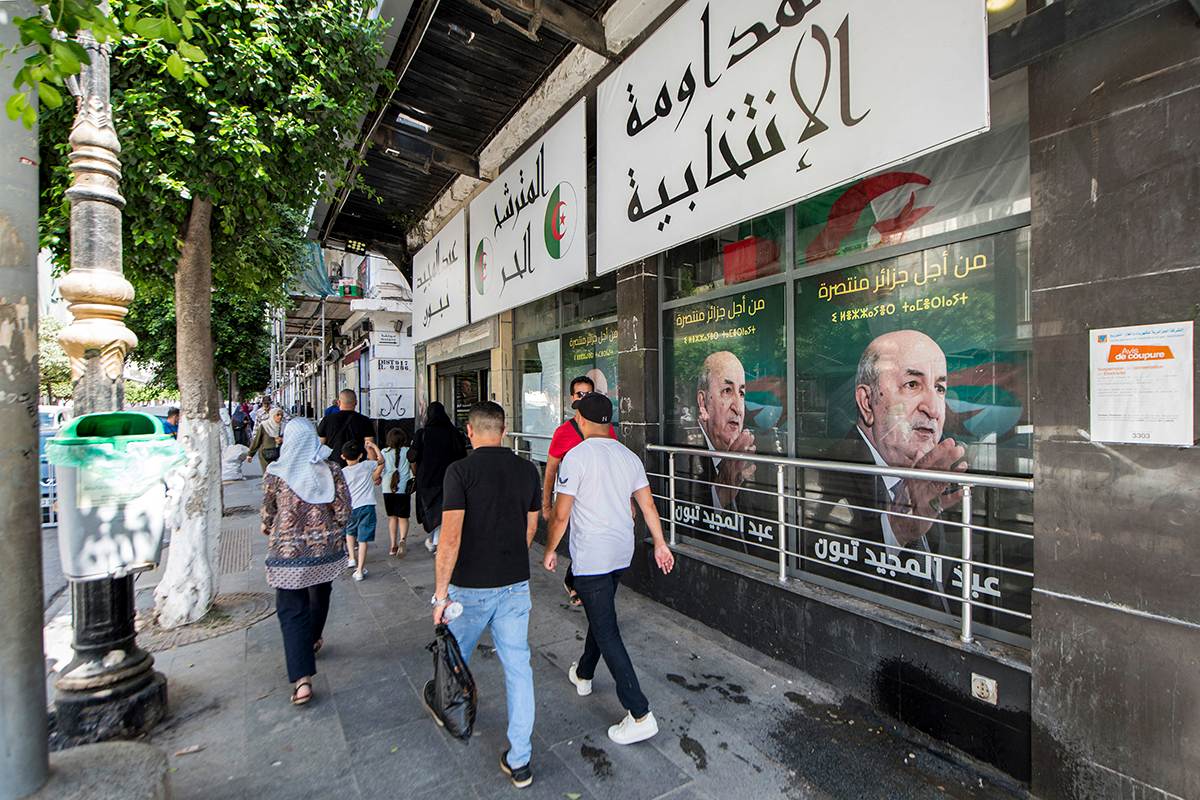
Algeria is poised for a presidential election on Sept. 7 that, while seemingly predetermined, reveals the complexities of a political landscape profoundly shaped by popular disillusionment following the failure of the 2019 Hirak protest movement. Five years on, incumbent Abdelmadjid Tebboune is promising a second term based on the “continuation of the social state,” but his attempt to renew a social contract based on populist promises of a neoliberal economic renewal is colliding with the lack of institutional reforms necessary to achieve them.
Understanding Algerian unemployment policies beyond rent redistribution
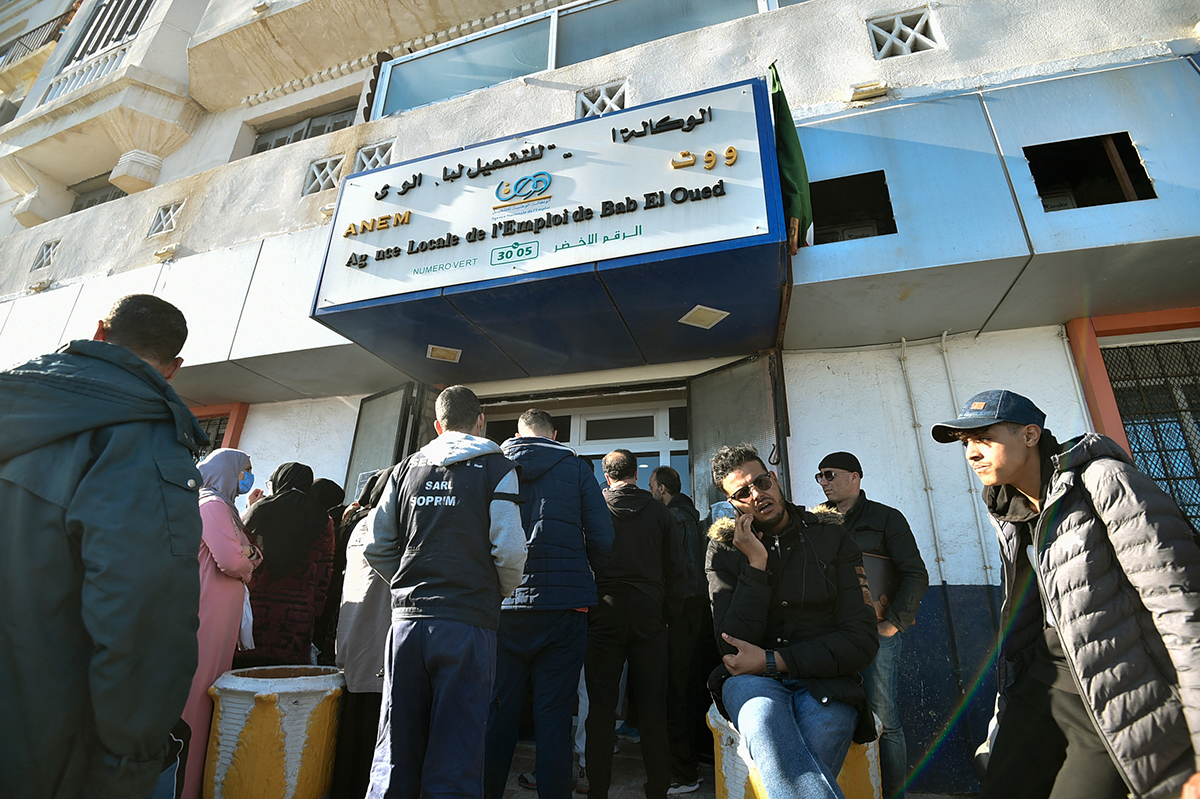
In February 2022, Algerian President Abdelmadjid Tebboune announced a new unemployment benefit for first-time jobseekers aged 19 to 40. On March 28, 580,000 young Algerians received their first $90 monthly payment. Though many young people have rushed to the offices of the National Employment Agency (ANEM) to register for the new benefit, potential problems have already cropped up.
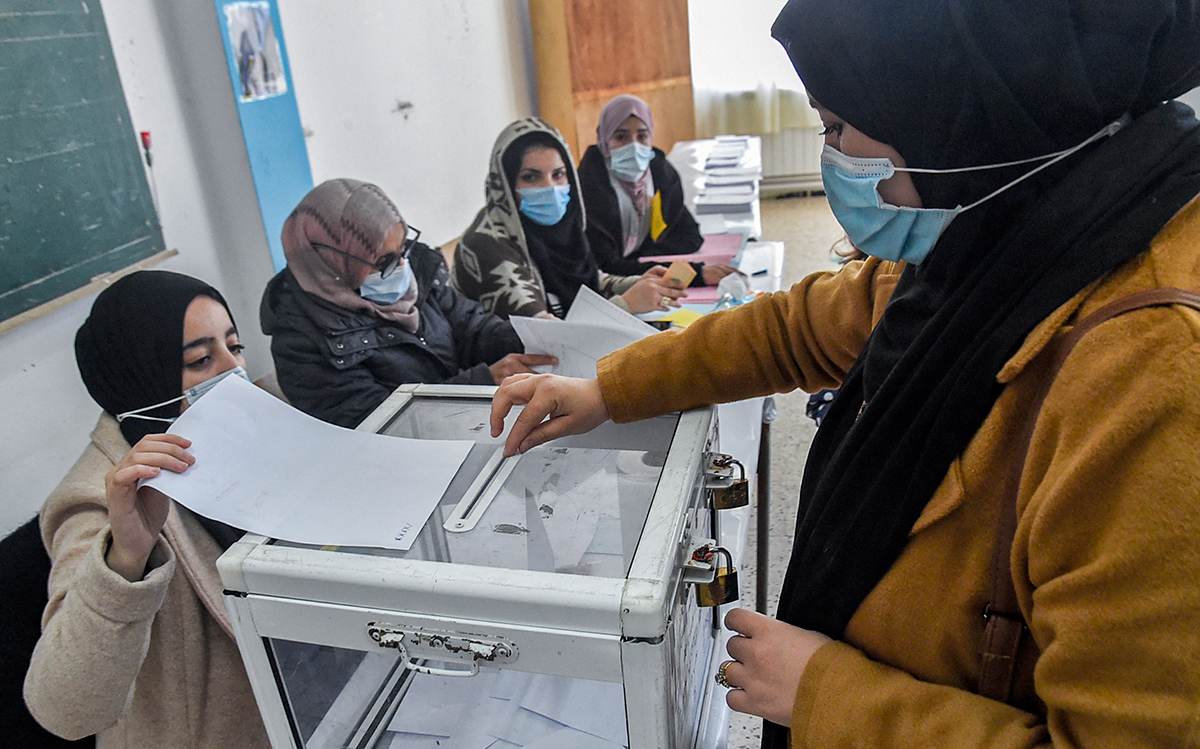
The local and regional elections that took place in Algeria on Nov. 27 are the last in a series after the fall of President Abdelaziz Bouteflika in April 2019. They were preceded by a presidential election that elevated Abdelmadjid Tebboune in December 2019, a referendum on the revision of the constitution in November 2020, and legislative elections in June 2021. Once again, Algerian observers can’t help but ask about the meaning of these repetitive flawed elections. Analyzing elections held in an authoritarian context for what they should be, namely a bridge toward a democratic transition, is indeed fruitless. By analyzing the purpose they serve for the actors themselves, however, we can understand why they still occur despite their lack of credibility and how their illegitimacy shapes current Algerian politics.