This individual is a guest contributor. MEI is not able to assist with contact requests.
Ari Heistein served as chief of staff and a research fellow at Israel’s Institute for National Security Studies (INSS). Following that, he worked in business development for a cyber intelligence company. Today, he works to bring innovative Israeli startups into the U.S. federal market.
Saudi-Houthi Agreement: Four Scenarios and Their Potential Impact
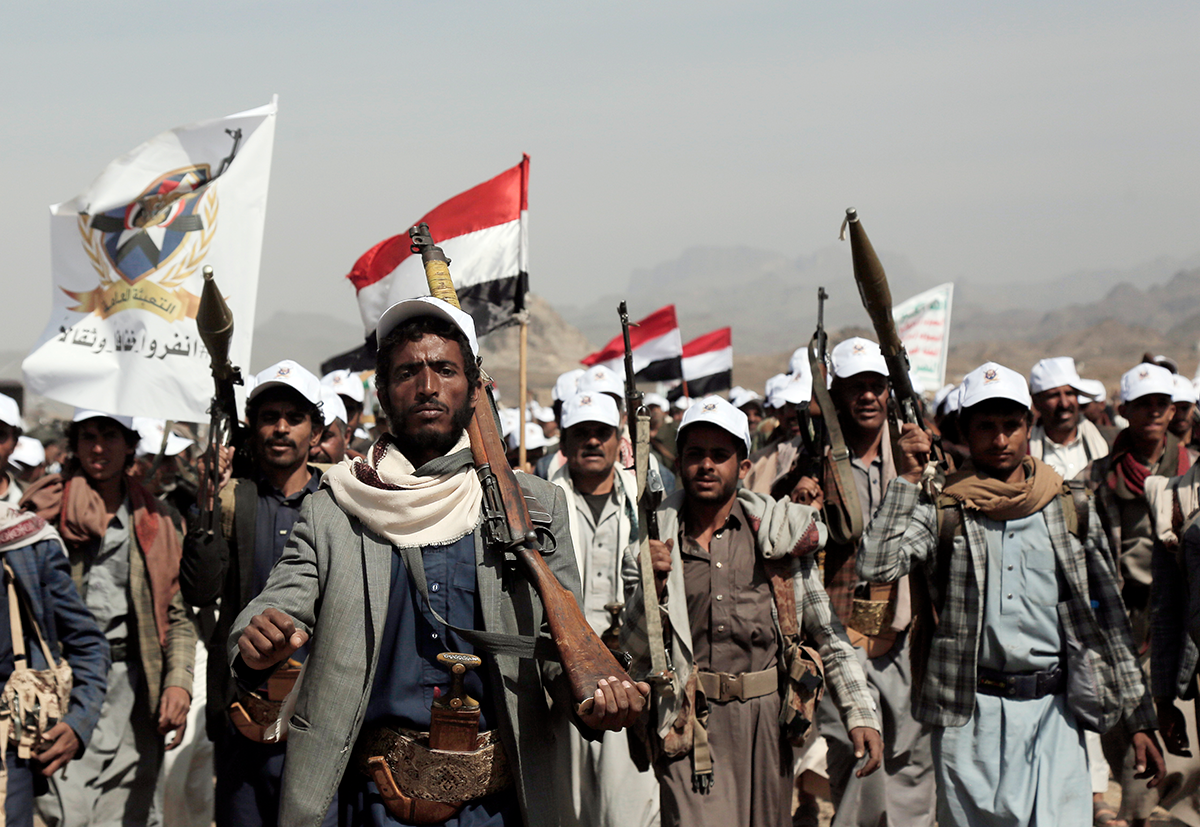
Less than 10 years after seizing power in Yemen, the Iran-backed Houthi militia continues to evolve — and so do the threats emanating from it. After several years of negotiations, it now seems likely that the Houthis and Saudis will reach a peace agreement, and it is worth considering how such a deal could change the group’s trajectory. This report examines a number of possible futures that could develop in Yemen over the next 1-2 years based on shifting capabilities, interests, and alliances.
Preventing a miscalculation between the US and Israel on Iran
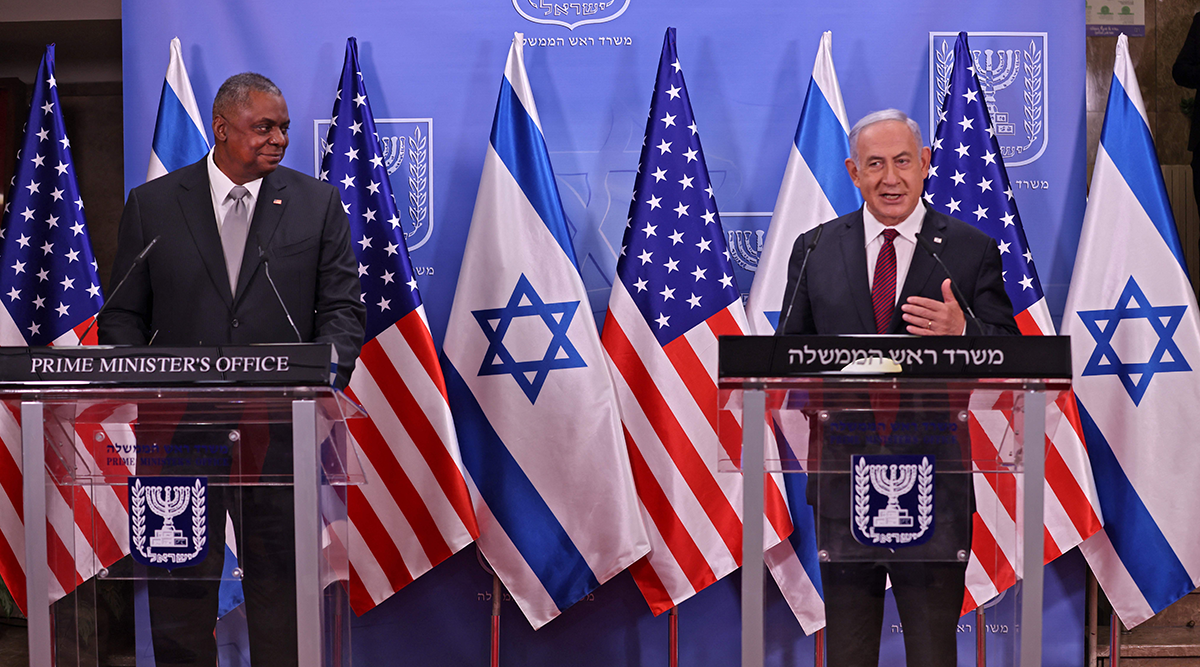
The U.S.-Israel relationship is a close partnership founded on shared national security interests as well as democratic values. Washington’s commitment to the security and wellbeing of the state of Israel is exceptional, and bilateral ties remain strong despite the erosion of support for Israel among progressive and isolationist circles in the U.S. In spite of all this, the Iran issue presents many pitfalls for miscalculation that could derail even the most well-intended efforts at formulating a coordinated U.S.-Israel strategy.
What will the Middle East look like in 2030? An Israeli Perspective
The following article addresses the question of how the Middle East might develop in the coming decade. Long-term and detailed strategic predictions are a thankless task and are often doomed to failure. Therefore, this article refrains from attempts at prophecy but deals instead with “thinking about the future.” It opens with an analytical framework for scenario development, supplemented by “trends impact” and “horizon scanning.” The second section studies “the futures of the past,” in terms of what we might learn about the pitfalls of future projection and scenario-building from those outlining possible futures for 2020 from years past. Then, on the basis of the first two sections, four scenarios elaborate some distinctly different pathways that the Middle East might take to 2030. Finally, the article concludes with several key takeaways for Israeli decision makers.
Preventing the next crisis in U.S.-Israeli relations
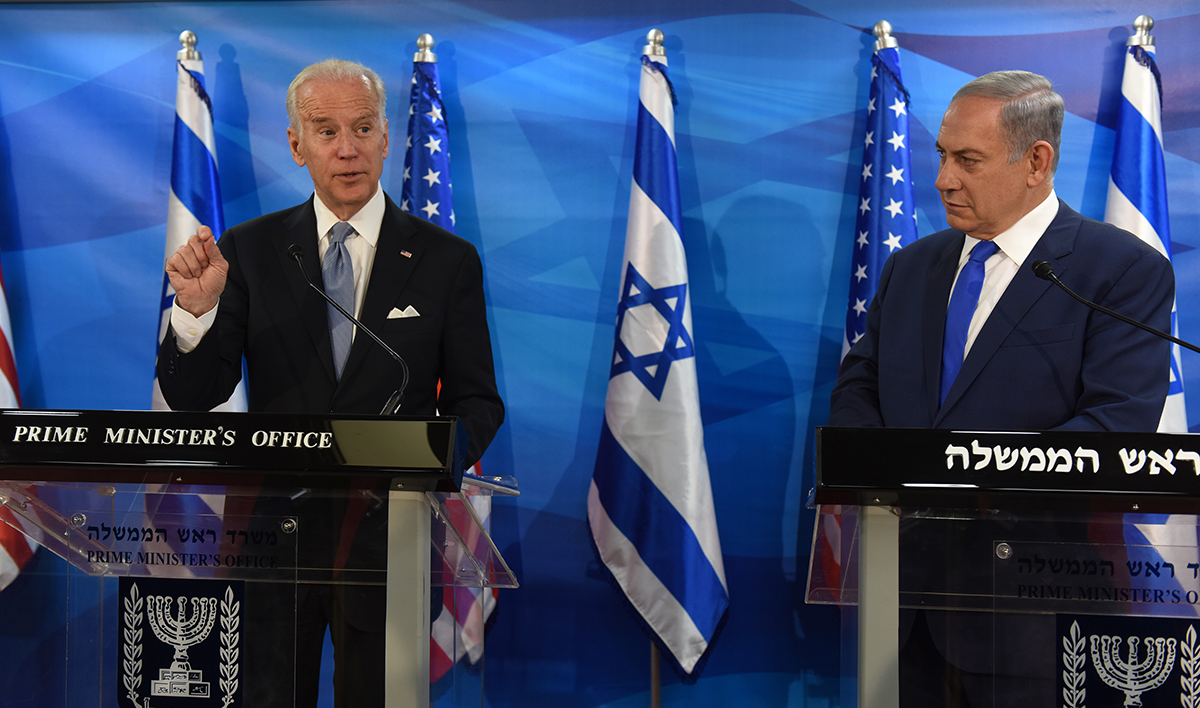
There was little daylight between Washington and Jerusalem during the four years of Donald Trump’s presidency. The new U.S. administration under President Joe Biden appears poised — based on staffing decisions and declared policies — to revert to a U.S. policy in the Middle East that more closely resembles that of Obama. Meanwhile, Netanyahu, who fought bitterly and publicly against Obama’s policies regarding the Israeli-Palestinian conflict and the Iran nuclear issue, remains at the helm in Israel. The stage may be set for a sequel of the acrimonious relationship between Jerusalem and Washington.
The benefits and challenges of UAE-Israel normalization
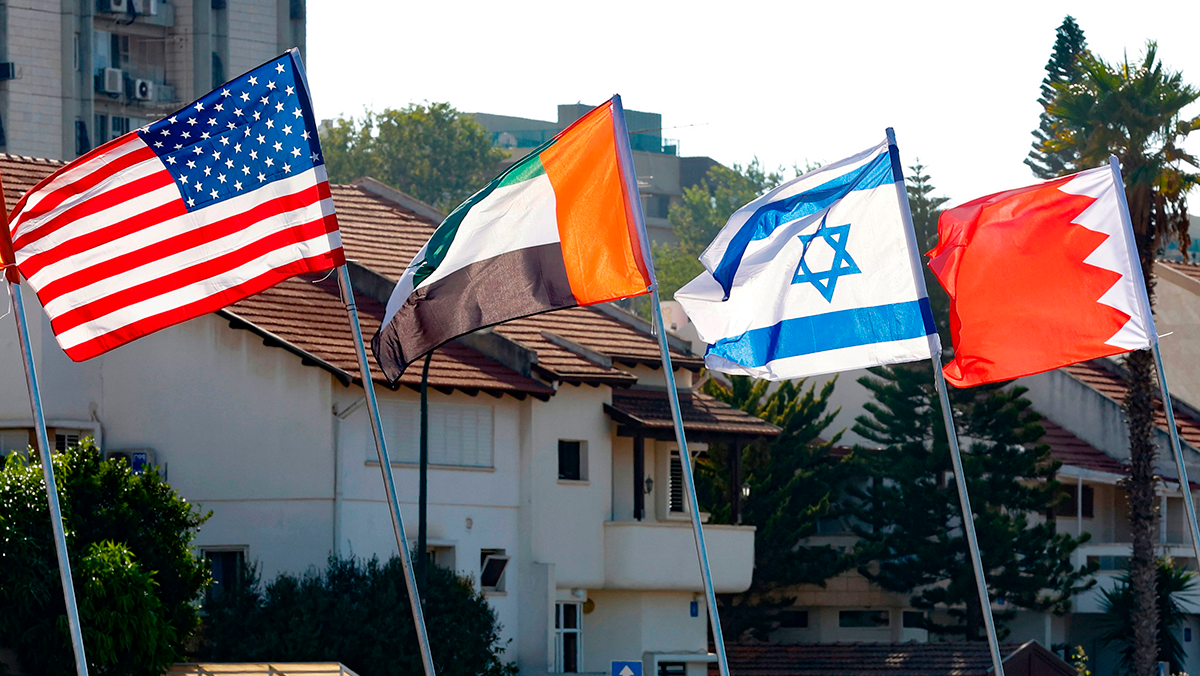
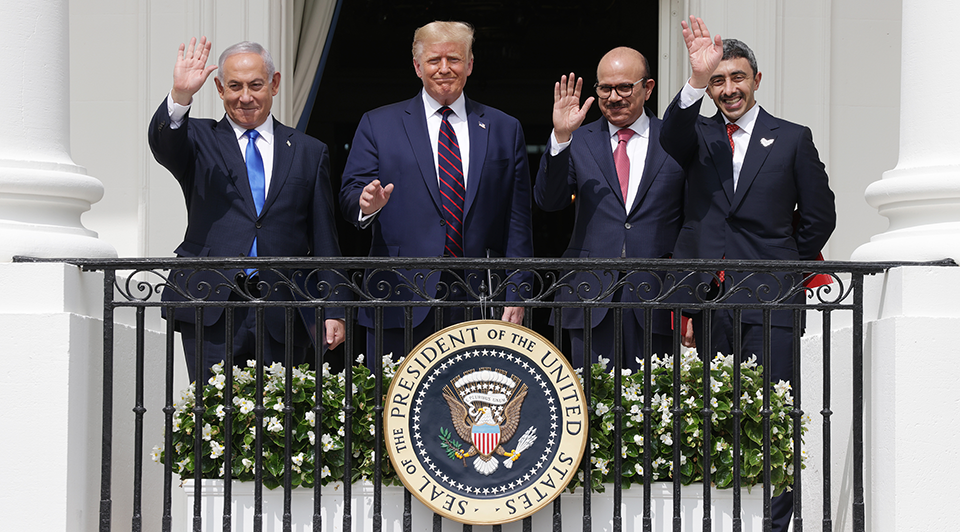
Israel and the United Arab Emirates (UAE) have initiated a process that, if it comes to fruition, will bring about the normalization of relations between the two countries. The broader geostrategic challenges that the agreement could pose for Israel and the UAE have not been part of the public discourse, however, and any balanced treatment requires a discussion of those aspects as well.
Is the Israel-UAE agreement a game changer for Israel?
In an Aug. 13 tweet, U.S. President Donald Trump celebrated the Israeli-Emirati accord to normalize relations as a “HUGE breakthrough.” Israel’s integration into the region has been a goal of U.S. and Israeli foreign policy for decades, and the mid-August announcement was the first major official step in that direction in over 25 years. But is this really a game changer for Israel’s strategy in the Middle East?