Skip to Content

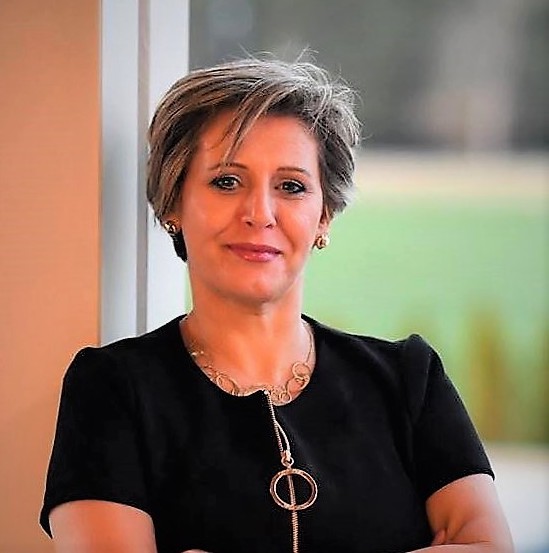
Carol Daniel Kasbari

This individual is a guest contributor. MEI is not able to assist with contact requests.

Carol Daniel Kasbari

Carol Daniel Kasbari, Ph.D, is a social scientist with an interdisciplinary doctoral degree in conflict analysis and resolution with 20+ years of experience designing and leading programs in the field of conflict mitigation, peacebuilding, advocacy, and nonviolent resistance in very complex international environments focusing on the Middle East and North Africa (MENA) region and Europe. She is a Non-resident Scholar with MEI’s Program on Palestine and Palestinian-Israeli Affairs, has participated in several second track negotiations of Palestinians and Israelis, and led hundreds of dialogue sessions among adversaries in different political contexts, including Palestine, Israel, Jordan, Iraq, Turkey, Cyprus, Greece, and Bosnia.

She was a consultant for UNESCO’s division of Freedom of Expression, Democracy and Peace for eight years, where she led media and education programs in the Middle East. And later on, she worked with the EU program for peace to lead and design educational programs and workshops for critical media consumption at several academic institutions in Arabic and English. In 2009, she led CMM programs funded by USAID and international NGO’s such as Search for Common Ground and Catholic Relief Services, where she ran multimillion-dollar programs on conflict sensitive reporting and peace journalism and trained hundreds of media professionals, facilitators and advocates from the region.

The Latest from Carol Daniel Kasbari

Filter by
19 Results
Netanyahu’s US visit highlights strains over Gaza war and an opportunity for a new approach
Photo by Hu Yousong/Xinhua via Getty Images
  • Commentary
  • Netanyahu’s US visit highlights strains over Gaza war and an opportunity for a new approach

    Prime Minister Benjamin Netanyahu’s recent visit to Washington highlighted the growing rift between Israel and the United States, particularly within the Democratic Party. This alliance, once solid, now faces significant discord over three critical issues: ending the war in Gaza, addressing the humanitarian crisis, and recognizing Palestinian self-determination.

    July 30, 2024

    Why we can’t forget the Nakba
    Photo by Majdi Fathi/NurPhoto via Getty Images
  • Commentary
  • Why we can’t forget the Nakba

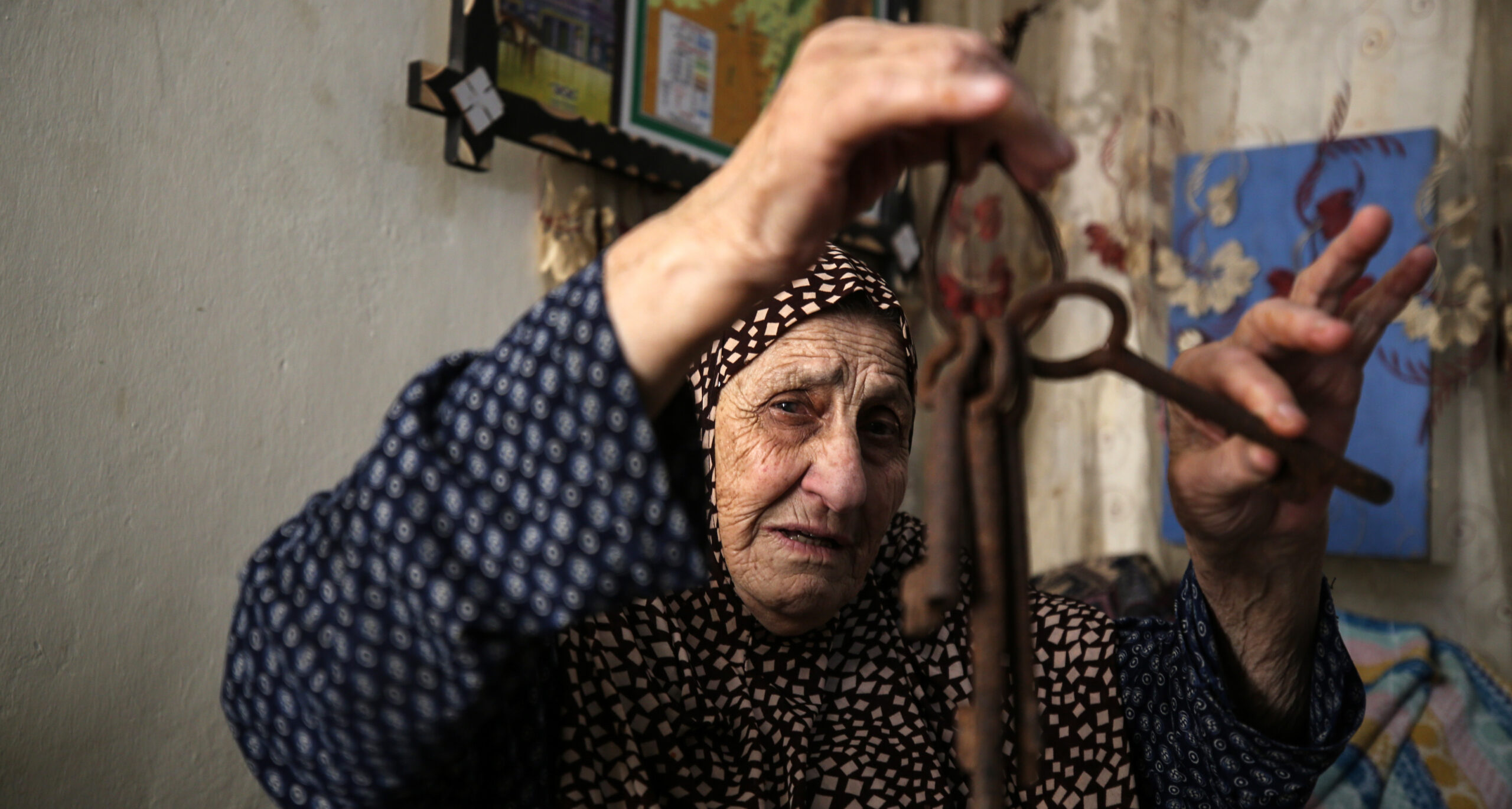
    For Palestinians, the Nakba (Catastrophe) is a somber occasion that represents the loss of their homeland and the forced displacement that followed. To truly understand the tragedy of the Nakba and the ongoing trauma experienced by Palestinians, it is important to humanize their experiences. By listening to and amplifying these voices, we can begin to truly understand the complexity and depth of the Palestinian experience.

    May 15, 2023

    The victory of Israel’s extreme right: Implications for citizens’ rights and Israeli-US relations
    Photo by Eyad Tawil/Anadolu Agency via Getty Images
  • Analysis
  • The victory of Israel’s extreme right: Implications for citizens’ rights and Israeli-US relations

    Since winning the Israeli elections on Nov. 1, Benjamin Netanyahu leads a bloc that is ideologically homogeneous in ways never before seen, with a majority of religious nationalists and ultra-Orthodox parties set to enter government and likely to work cohesively for the next four years, unlike in the past.

    November 11, 2022

    مرة أخرى، عرقلة إسرائيلية غير قانونية للم شمل العائلات الفلسطينية
    Photo by MENAHEM KAHANA/AFP via Getty Images
  • Commentary
  • مرة أخرى، عرقلة إسرائيلية غير قانونية للم شمل العائلات الفلسطينية

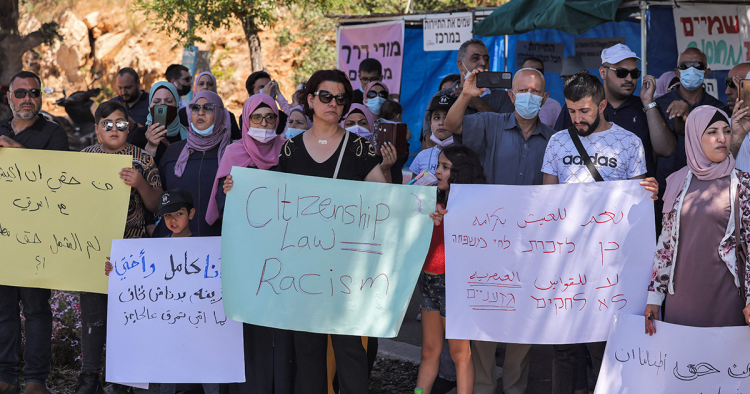
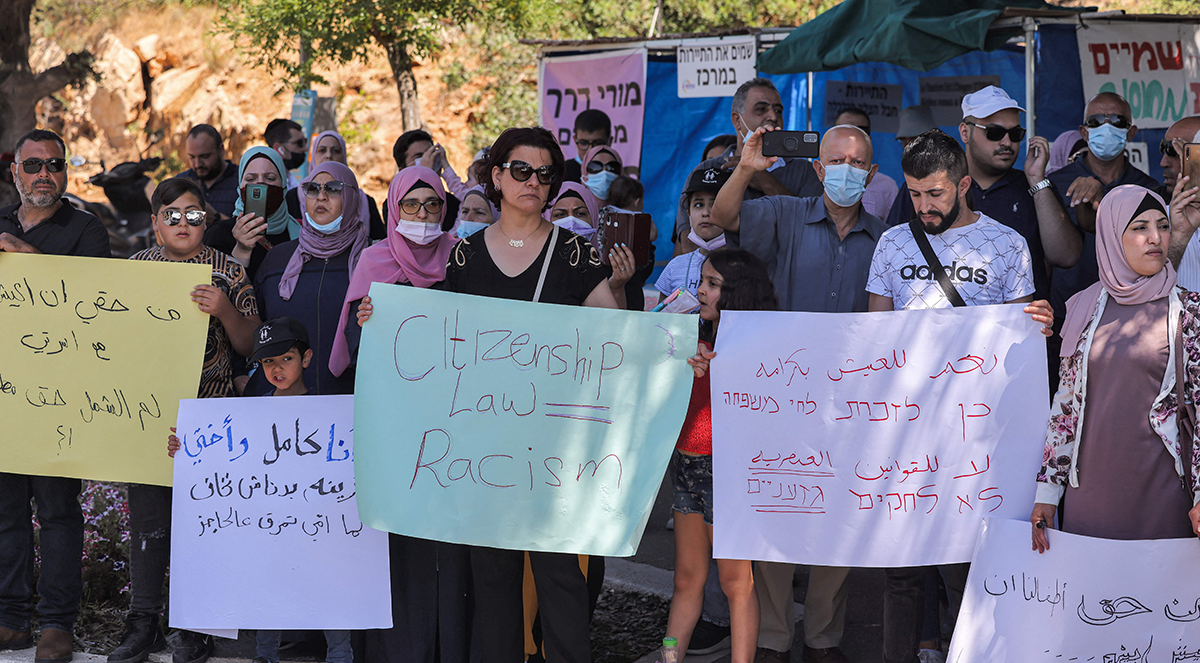
    أقر البرلمان الإسرائيلي، في العاشر من آذار مارس الجاري ، مشروع قانون يمنع منح الجنسية للفلسطينيين من الضفة الغربية المحتلة وقطاع غزة المتزوجين من مواطنين إسرائيليين.

    March 25, 2022

    Once again, Israel throws up an unlawful barrier to Palestinian family reunification
    Photo by MENAHEM KAHANA/AFP via Getty Images
  • Analysis
  • Once again, Israel throws up an unlawful barrier to Palestinian family reunification

    On March 10, Israel’s parliament enacted a bill denying naturalization to Palestinians from the occupied West Bank and Gaza who marry Israeli citizens. While most foreign nationals who marry Israelis can live in Israel and eventually become citizens, Palestinians and certain other Arabs cannot.

    March 15, 2022

    معضلة الخيارات الصعبة في الصراع الإسرائيلي الفلسطيني: ثلاثية القوة والمساعدات والسلام
  • Commentary
  • معضلة الخيارات الصعبة في الصراع الإسرائيلي الفلسطيني: ثلاثية القوة والمساعدات والسلام

    هل المصالحة ممكنة في ظل الاحتلال العسكري، وفي ظل انسداد أفق الوصول إلى حلول للأسباب الكامنة وراء النزاع؟

    February 3, 2022

    The Trilemma of Power, Aid, and Peacebuilding in the Israeli-Palestinian Context
    Xinhua/xiongsihao via Getty Images
  • Analysis
  • The Trilemma of Power, Aid, and Peacebuilding in the Israeli-Palestinian Context

    On Dec. 21, 2020, the United States Congress passed the Nita M. Lowey Middle East Partnership for Peace Act. The new law provides $250 million over five years to expand peace and reconciliation programs between Israelis and Palestinians as well as to support projects bolstering the Palestinian economy. But such programs are unlikely to be effective because the whole approach on which they are based is structurally flawed in two critical ways: first, because it is disconnected from local political, social, cultural, and economic processes and expectations; and second, because it tends to reinforce the inequalities that sustain the conflict between the two sides while undermining the declared goals of this intervention.
    June 21, 2021