Christophe Abi-Nassif was formerly Lebanon program director at MEI.
Prior to that, he was a Beirut-based management consultant advising public sector entities throughout the Middle East on growth strategy, operating model design and implementation, and operations launch. More recently, he was a consultant at the World Bank’s Office of the Chief Economist for the Middle East and North Africa. He writes on Lebanese current affairs.
Education
MPA, John F. Kennedy School of Government, Harvard University
MBA, The Wharton School, University of Pennsylvania
BA in Economics, American University of Beirut
Regions of Expertise
Lebanon
Issues of Expertise
Economic Policy, Political Economy, Institutional Development
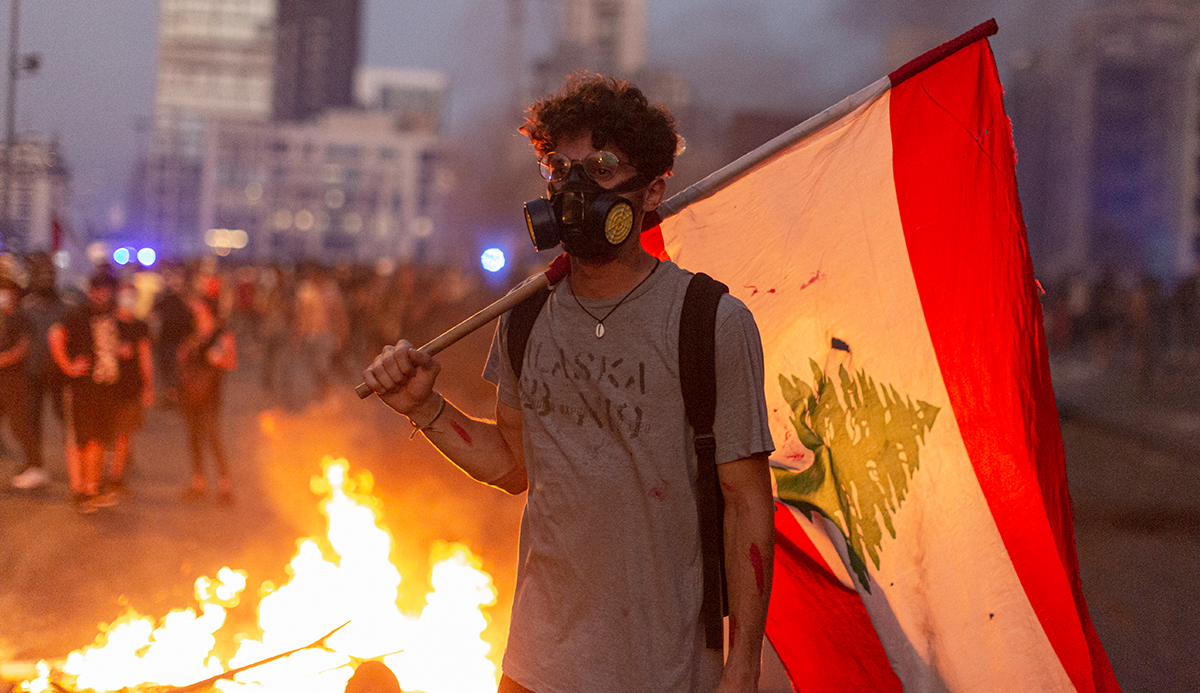
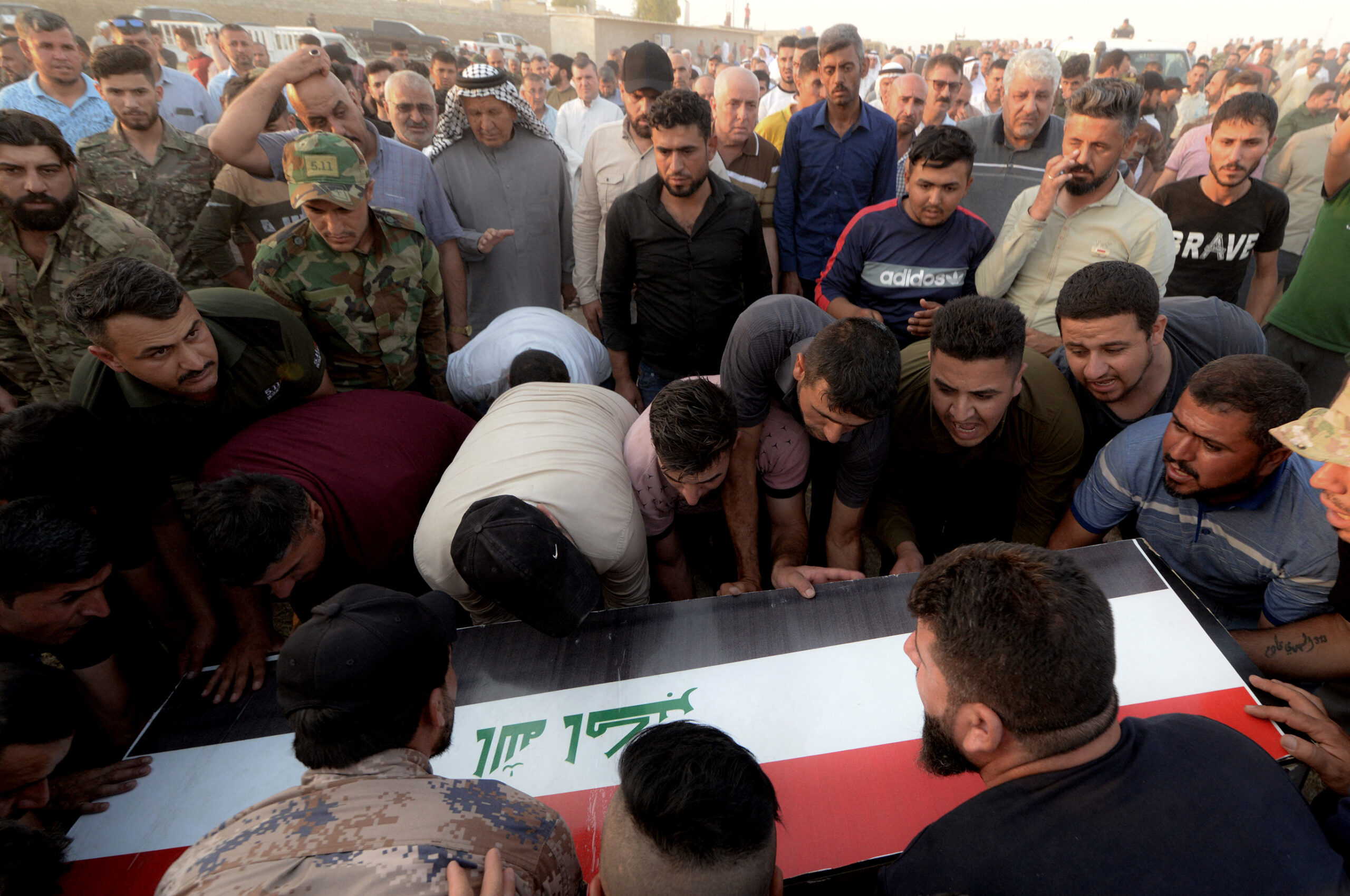
Memories of the Lebanese civil war resurfaced this week as images appeared of children hiding in hallways and behind cars while deadly sectarian clashes unfolded outside their schools in Beirut’s Tayouneh neighborhood. Protests organized by Hezbollah and the Amal Movement to demand the removal of the judge investigating the August 2020 Beirut port blast quickly went south when as yet unidentified snipers opened fire on the crowds, eventually killing seven and wounding dozens. The “peaceful” protesters seemingly retaliated with gunfire and rocket-propelled grenades. The two sides turned Tayouneh and its surrounding areas into a war zone, terrorizing citizens and destroying property at a time of unprecedented socio-economic hardship.
Lebanon’s power crisis is on the agenda, as Arab Gas Pipeline quartet prepares to meet in Amman
These developments come against the backdrop of multiple U.S. hints that Washington is potentially willing to circumvent sanctioning the participating parties under the Caesar Act.
Hezbollah, America, and the race to supply Lebanon with power
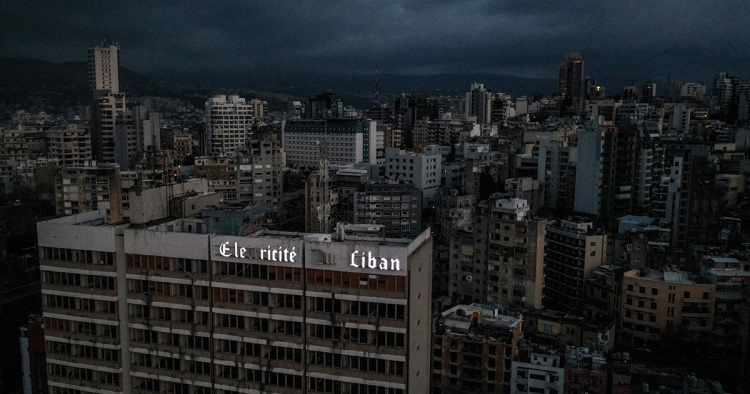
Amid typical governmental absenteeism, Hezbollah’s Secretary-General Hassan Nasrallah announced on Aug. 19 that the party had secured fuel shipments from Iran. He asserted that the first of many fuel tankers would set sail to Lebanon that same day. Hours later, U.S. ambassador to Lebanon Dorothy Shea declared that the U.S. was working closely with Egypt, Jordan, and the World Bank to find solutions to Lebanon’s crippling fuel shortages. Shea’s comments imply a U.S. willingness to loosen Caesar Act restrictions that would otherwise prevent Lebanon from importing natural gas and electricity through Syria from Egypt and Jordan respectively. The two announcements have been in the making for weeks, but both come at a time when Lebanon’s physical and human infrastructure is crumbling in the absence of essential fuel supplies and energy sources.
Lebanon is a tinderbox, and Lebanese politicians have started dropping matches
Premeditated political paralysis and the absence of economic leadership have brought Lebanon to its knees. Critical infrastructure has collapsed. Reliable electricity and safe water provision are rare. Hospitals and medical services are crippled by the lack of power, medications, and supplies. Food security is at risk for the majority of the population. Desertions from the ranks of security forces are growing. A nationwide security collapse is increasingly likely. The humanitarian collapse is already here.
Unforgiven and unforgotten: Beirut’s port blast one year on
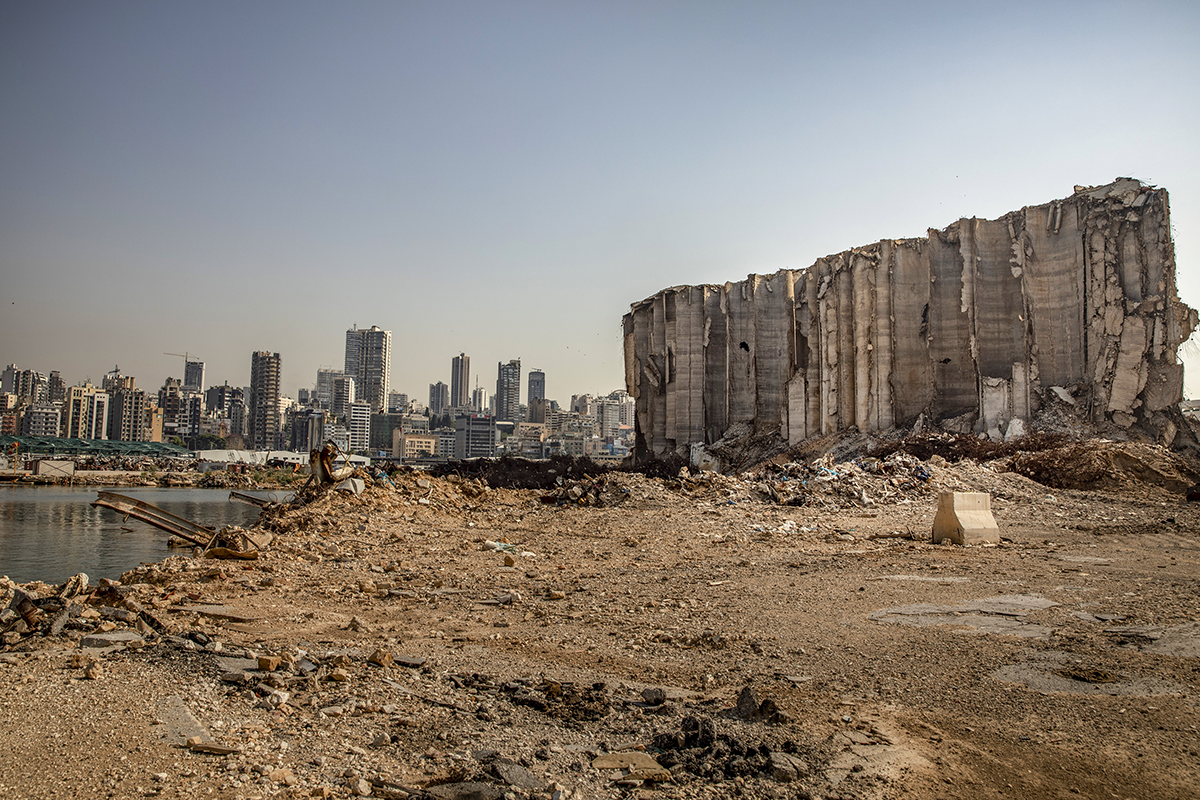
On August 4, 2020, images out of Beirut shocked the world. Hundreds of tons of ammonium nitrate exploded in the capital’s port, destroying most of the city and leaving behind 206 victims, thousands of injured, and hundreds of thousands of displaced. In this series, guest contributors join MEI’s resident and non-resident experts to reflect upon the political, legal, urban, and foreign policy implications of what may well be Lebanon’s crime of the century.
It's Now or Never: Lebanon Policy Conference Key Takeaways
Over the course of two weeks in May and June, the Middle East Institute hosted its inaugural Lebanon policy conference in collaboration with the American Task Force on Lebanon (ATFL) and LIFE. This series of events brought together leading diplomats, policymakers, economists, development practitioners, and think tank professionals from the U.S., Europe, the Middle East, and Lebanon to discuss the urgency and viable paths forward for the country’s political, financial, and humanitarian crises.
The unfolding struggle for political survival in Lebanon
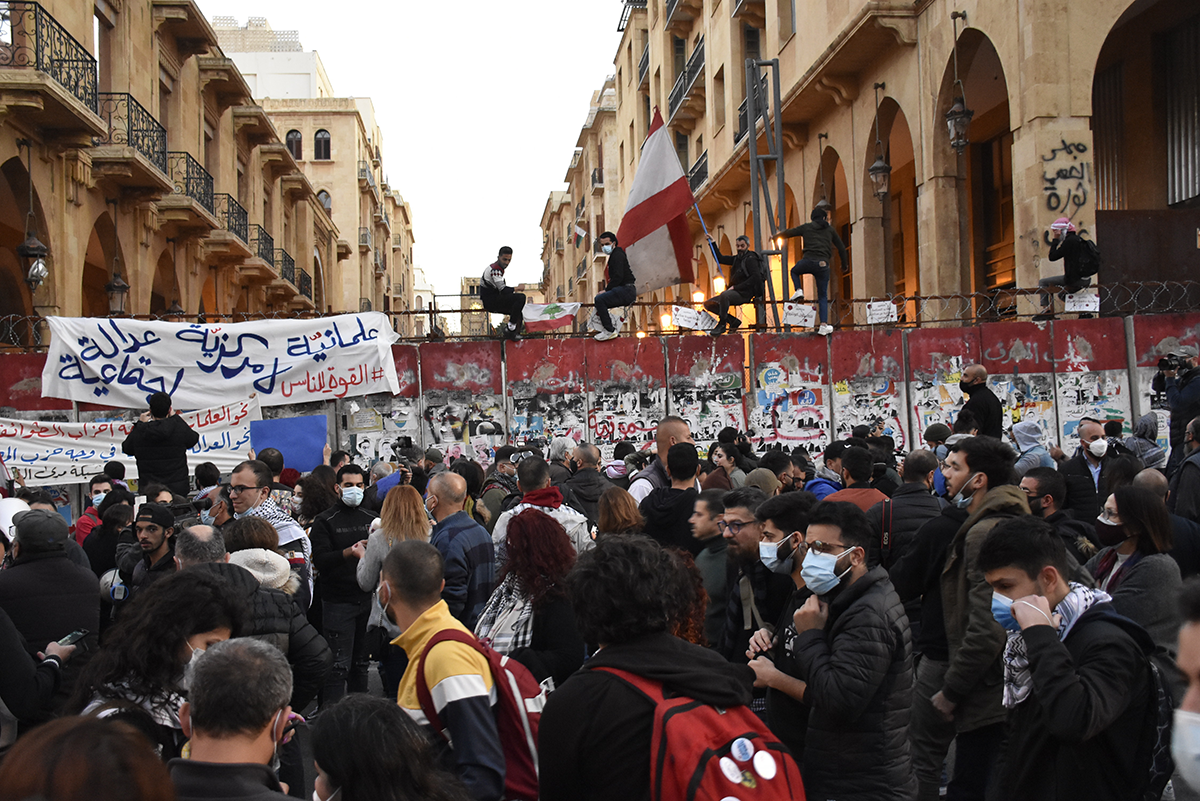
Lebanon’s political leaders are getting deeper into trouble, and they know it. This does not make them any less dangerous. Recurring skirmishes over cabinet formation — namely those referencing constitutional powers, cabinet size, sectarian representation, and ministerial allocation — continue to dominate the public discourse and waste precious time. They remain, however, peripheral to the central issue that establishment parties currently face: an all-out struggle for political survival at a time when tough and unapologetic decisions need to be made.