Weekly Briefing: Remembrance of Mahsa Jina Amini and calls for change remain strong, as Pezeshkian’s cabinet disappoints
Expert regional analysis by MEI scholars and contributors.
Governance, Reform, and State Capacity, Bahrain, Iraq, Jordan, Lebanon, Oman, Qatar, Saudi Arabia, Tunisia, United Arab Emirates (UAE)
Press inquiries: [email protected]
Dima Toukan is a development practitioner and researcher with over 20 years of experience in policy analysis, and development strategy and monitoring, evaluation, and learning systems. Over the course of her career, Toukan has led research assignments in Jordan, Lebanon, Iraq, Tunisia, Yemen, and the Gulf countries and consulted for various international organizations including CARE, DFATD, UNDP, UNOPS UNESCO, USAID, Expertise France, IOM, AECID, and OXFAM. She is the co-founder and chairperson of Integrated International, a consulting firm supporting development and humanitarian programming across the MENA region. Previously, Toukan served as Political/Women’s Issues Specialist at the MEPI Regional Office in Abu Dhabi covering Jordan, Yemen, and the GCC. She also served as Head of Communication and Foreign Affairs at the Jordan Institute of Diplomacy.
Toukan has written for Daedalus – the Journal of the American Academy of Arts and Sciences, Global Studies Quarterly, the Wilson Center, the Arab Reform Initiative, and the Carnegie Endowment for International Peace, among others.
Education:
Master of Arts in Law and Diplomacy (MALD), The Fletcher School, Tufts University
Languages:
Arabic, English
Countries/Regions of Expertise:
Primary focus: Jordan; Secondary: MENA region
Issues of Expertise:
Democracy and governance; political economy and development; gender equality and women’s empowerment

Expert regional analysis by MEI scholars and contributors.
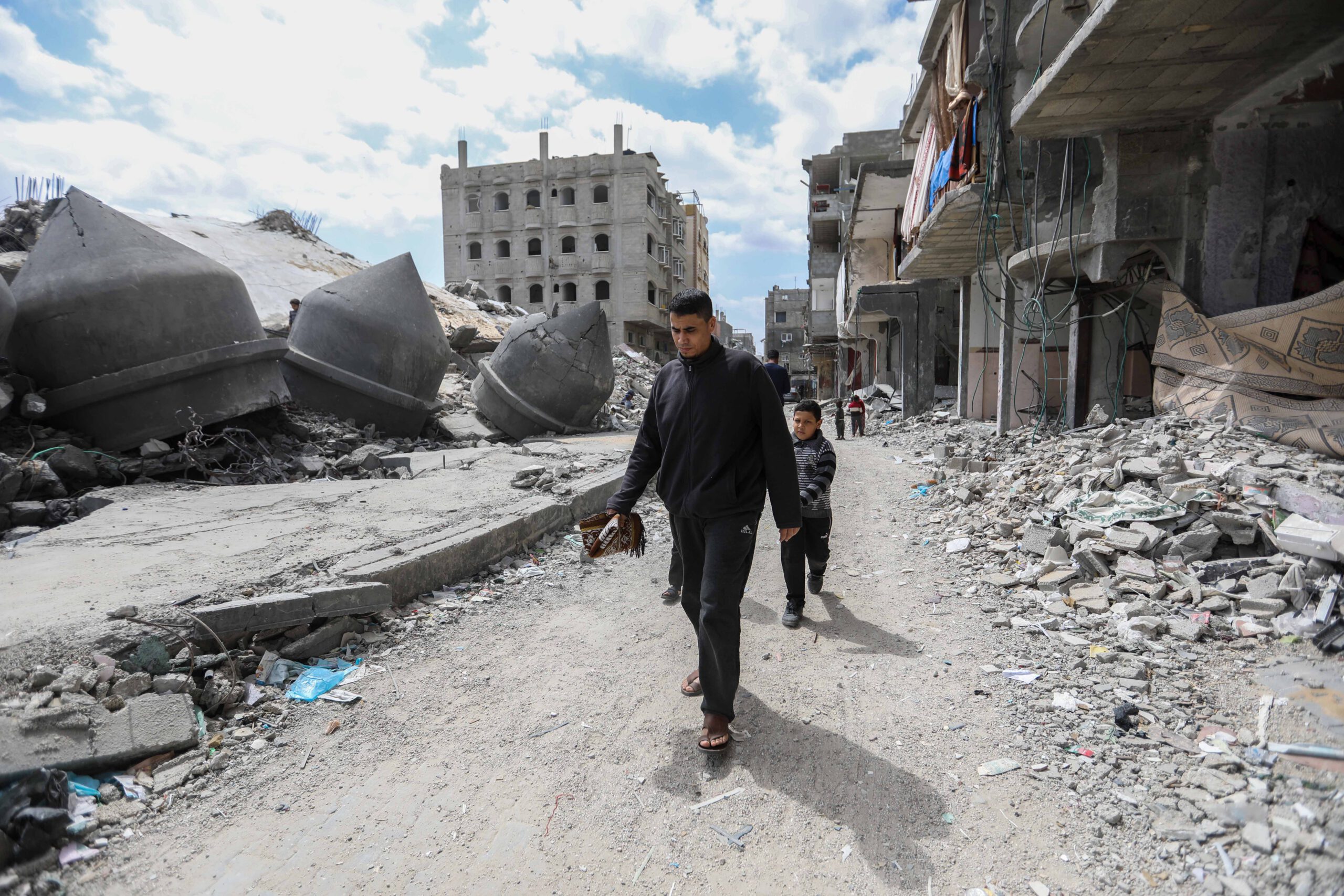
Six months since the October 7 Hamas attacks on Israel and subsequent outbreak of war in Gaza, the deadly and devastating conflict looks no closer to concluding. Is it still possible to achieve a sustainable cessation of hostilities and restart the conflict-resolution process? To get there, what are the incentives and disincentives that could be constructed for the two main combatants, Israel and Hamas?
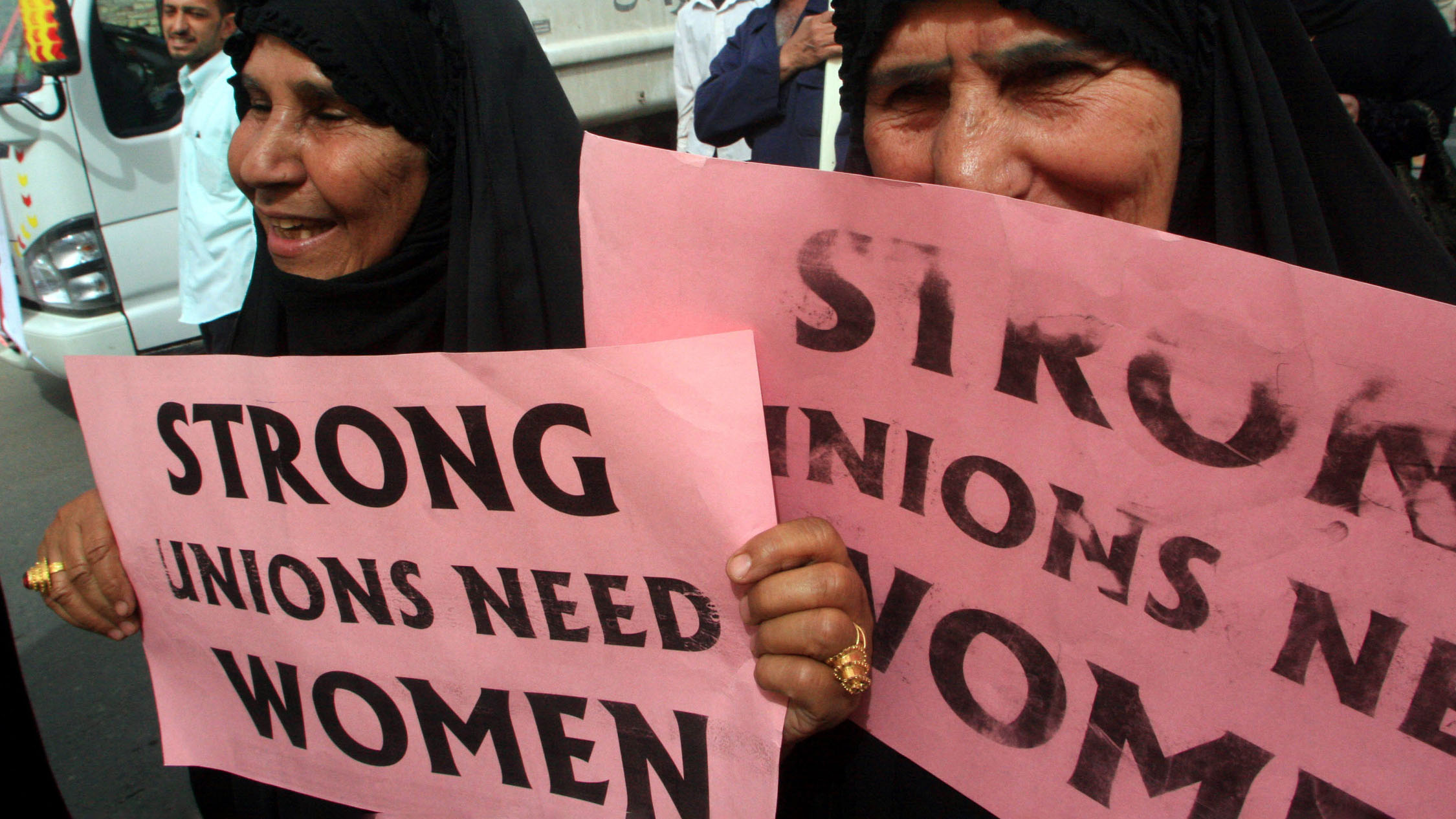
Key findings from the latest Arab Barometer survey, its seventh wave, reveal that, despite some political gains in several Arab states, clear majorities in the 12 countries in which the survey was conducted still hold traditional views on gender norms.
Read MEI’s weekly briefing featuring expert analysis of key regional developments for the week ahead.
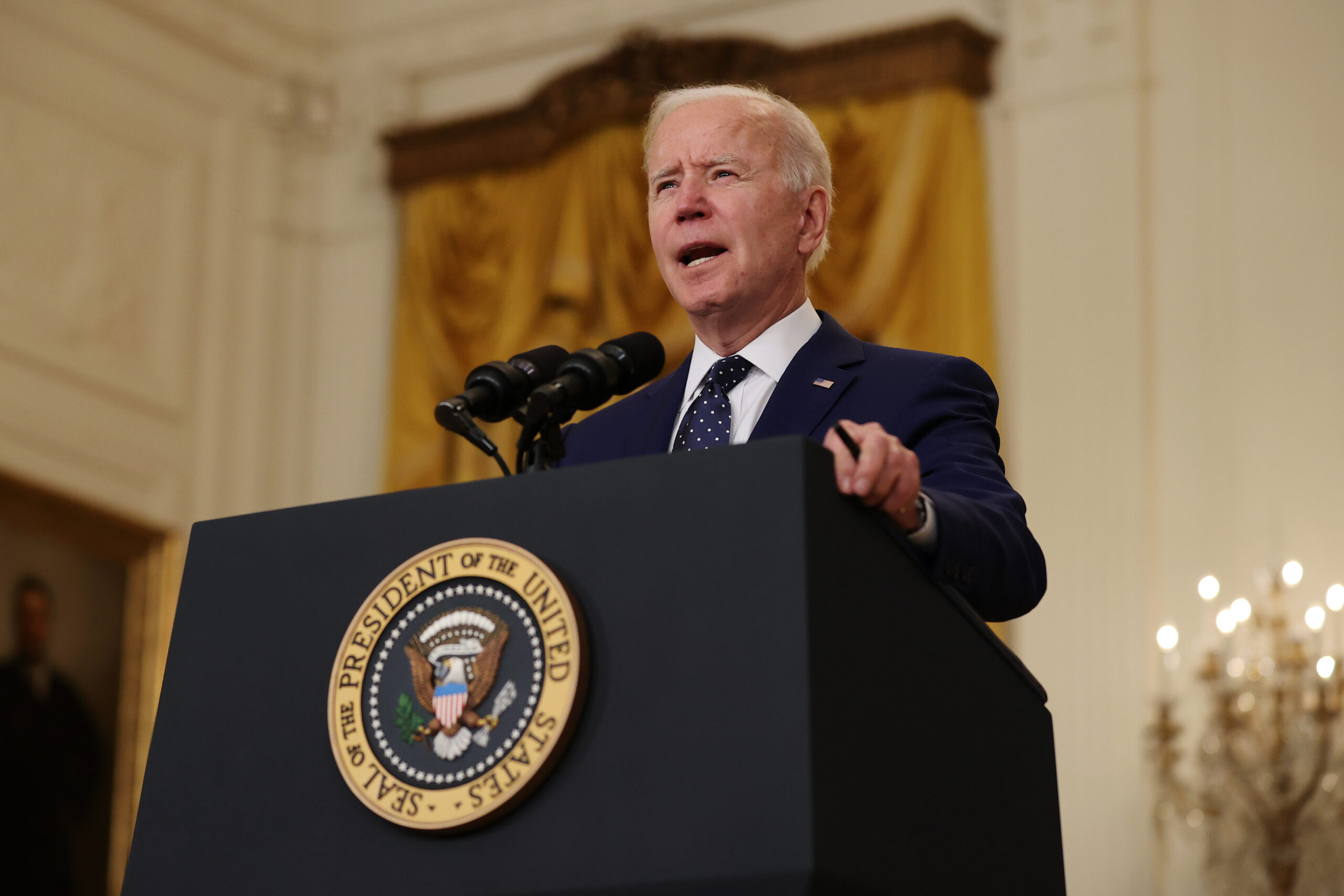
In a new policy briefing book, entitled The Biden Administration and the Middle East: Policy Recommendations for a Sustainable Way Forward, MEI scholars tackle a large number of country-specific and region-wide issue areas, laying out both the abiding U.S. interests and specific recommendations for Biden administration policies that can further U.S. interests amid a region in turmoil.
A decade on from the Arab Spring, 9 experts from across MEI offer their thoughts on what has and hasn’t changed — and what it all means for the future of the region.
This week’s briefing on recent news and upcoming events in the region featuring Marvin G. Weinbaum, Alex Vatanka, Dima M. Toukan, and Syed Mohammad Ali.
11 scholars and experts from across MEI weigh in with the latest on how the coronavirus pandemic is affecting the Middle East.