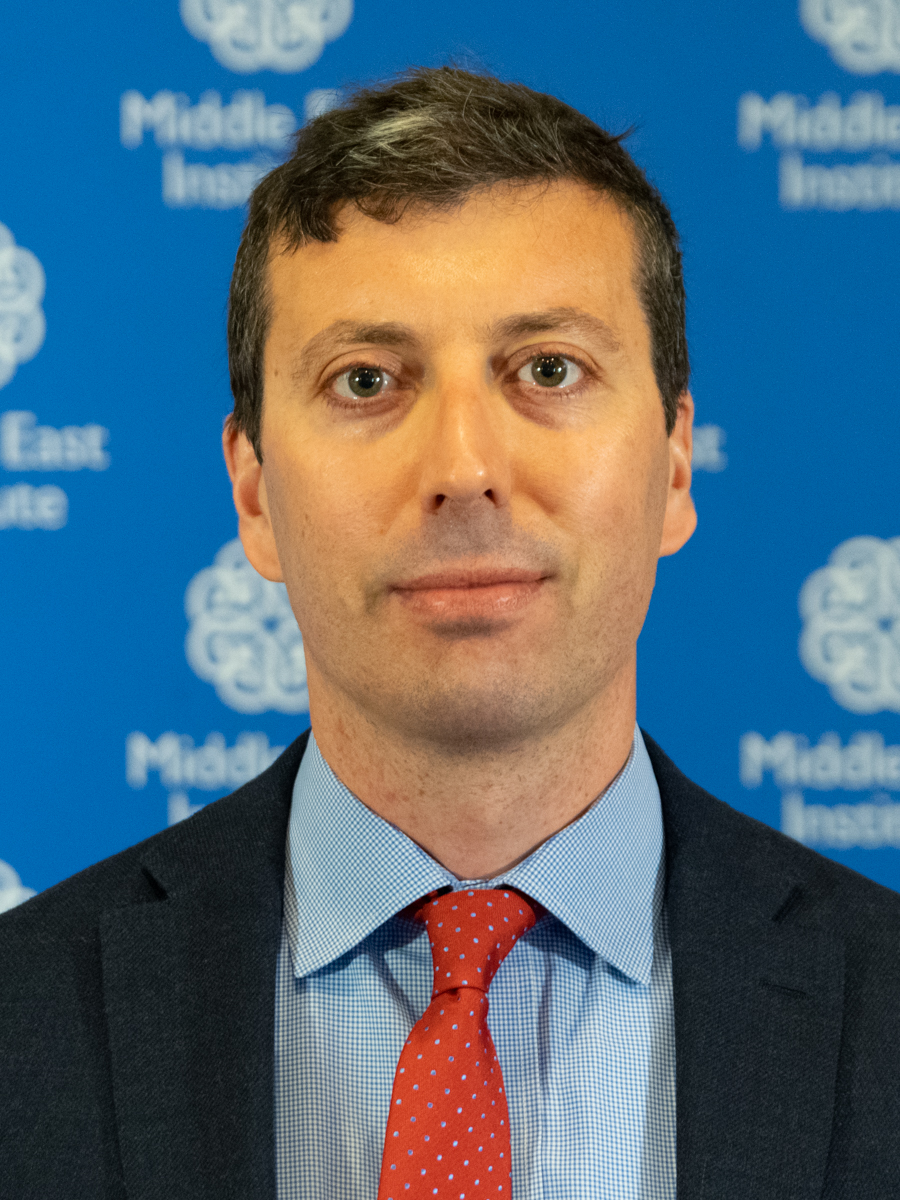
Emiliano Alessandri is an international affairs expert with a focus on Euro-Atlantic security and the interplay between security dynamics in Europe and the Middle East and North Africa. He has taught at various universities, including the College of Europe in Bruges and the Central European University in Vienna. He has worked as a policy advisor and senior officer in various capacities, most recently for the Organization for Security and Cooperation in Europe. He is a non-resident senior fellow with the German Marshall Fund of the US and a non-resident scholar with the Middle East Institute. He earned a PhD in International History from Cambridge University in 2010 and an MA in International Relations and Economics from the Johns Hopkins School of Advanced International Studies in 2005.
Education:
PhD in international history, Cambridge University; MA in international affairs, Johns Hopkins School of Advanced International Studies
Countries of Expertise:
Morocco, Algeria, Libya, Tunisia, Egypt, Turkey
Issues of Expertise:
Regional security; conflict prevention, management and resolution; transnational threats; democratization; migration; trade
The Other MoU: Launching a Europe-Gulf Resilience Initiative After the US-Iran Deal
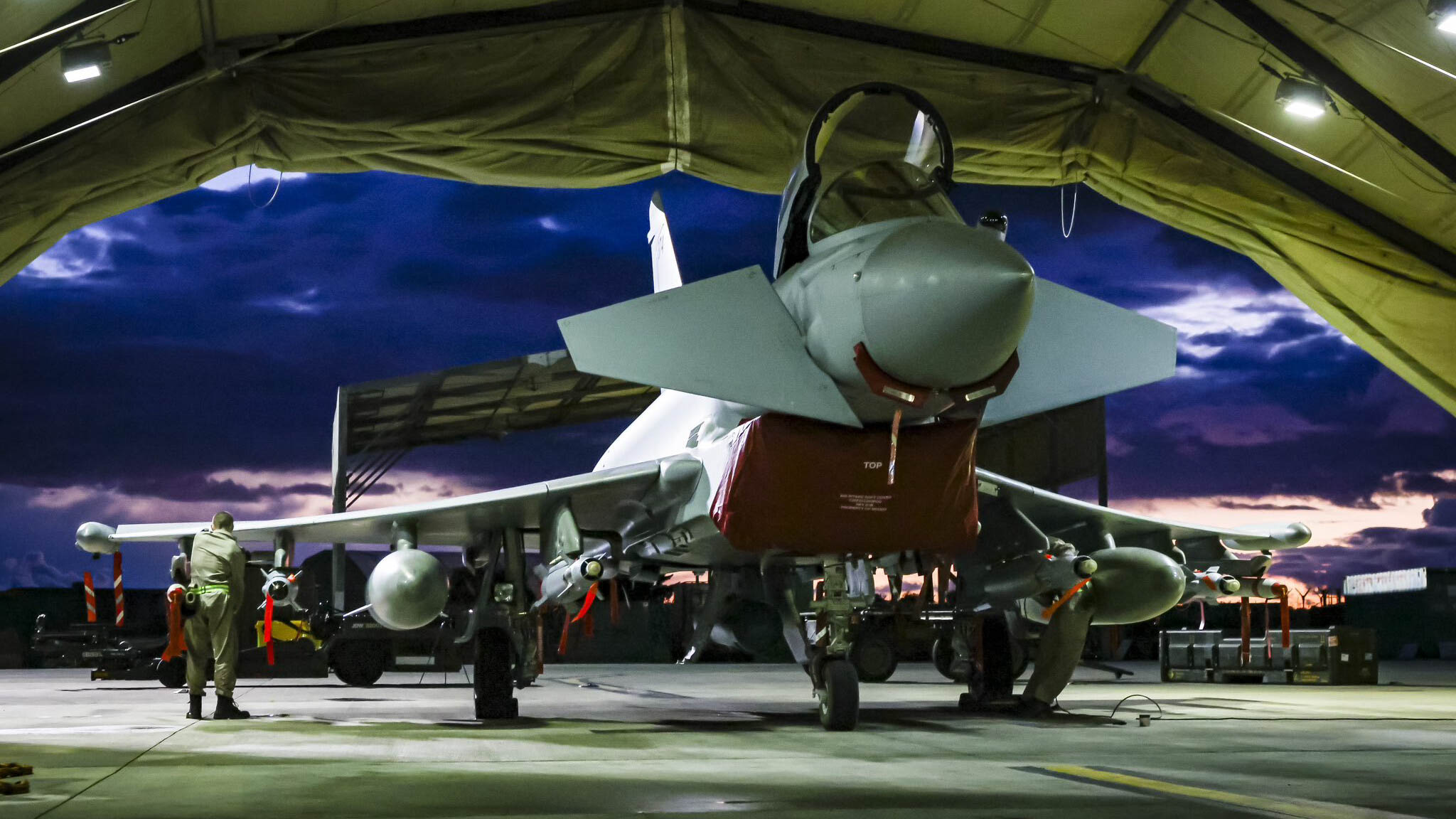
The Islamabad Memorandum of Understanding (MoU) between the United States and Iran may have ended one of the most consequential Middle Eastern crises in decades, but it has not resolved the strategic problem it exposed. Whether the 60-day talks it set in motion will produce a final agreement remains far from certain.Yet the central lessons are already clear: Iran has preserved significant leverage, Washington has had to scale back its ambitions, and Europe and the Gulf face the prospect of protracted regional tension. Europe and the Gulf should therefore use the aftermath of the US-Iran deal to articulate their own “other MoU”: a Europe-Gulf Resilience initiative.
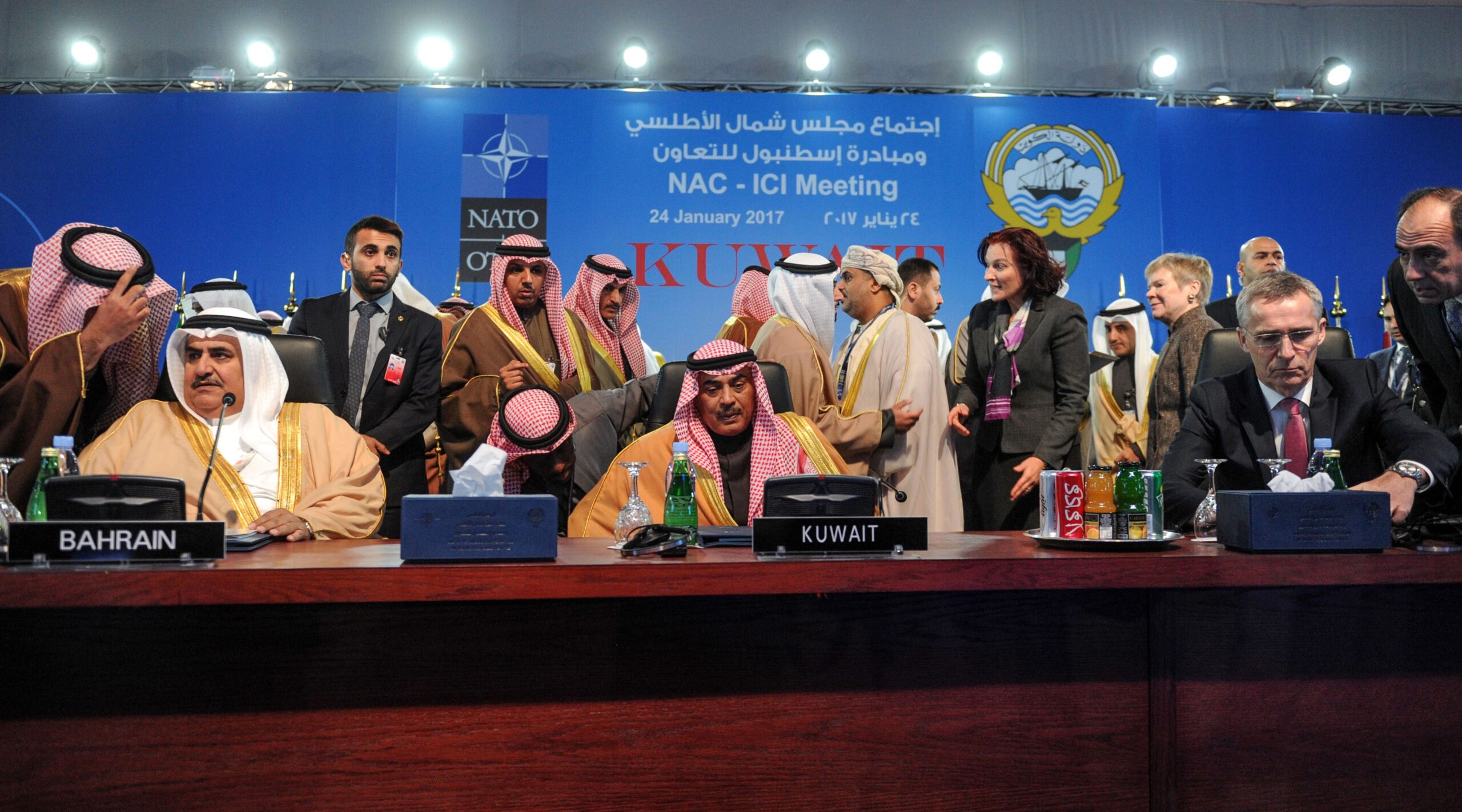
NATO’s narrow window of opportunity for an effective Southern Strategy
While the Washington Summit is unlikely to deliver any ground-breaking outcome, it certainly offers the opportunity to articulate the nexus between security in Europe and the Mediterranean-African region. NATO also has the opportunity to renew and streamline its partnerships with Middle Eastern and North African countries while strengthening its outreach to Africa.
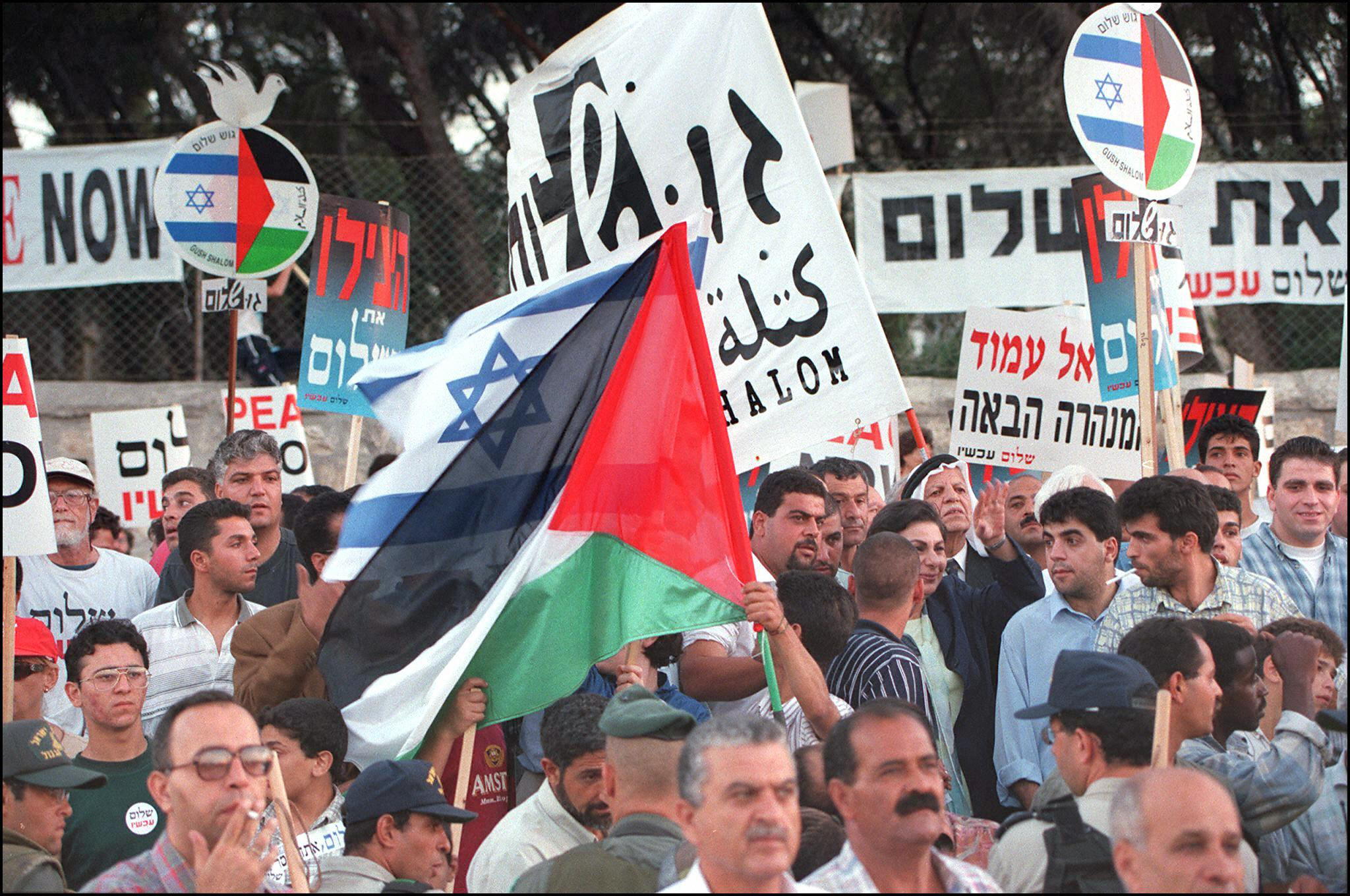
Expert Views: How do we restart the Middle East peace process?
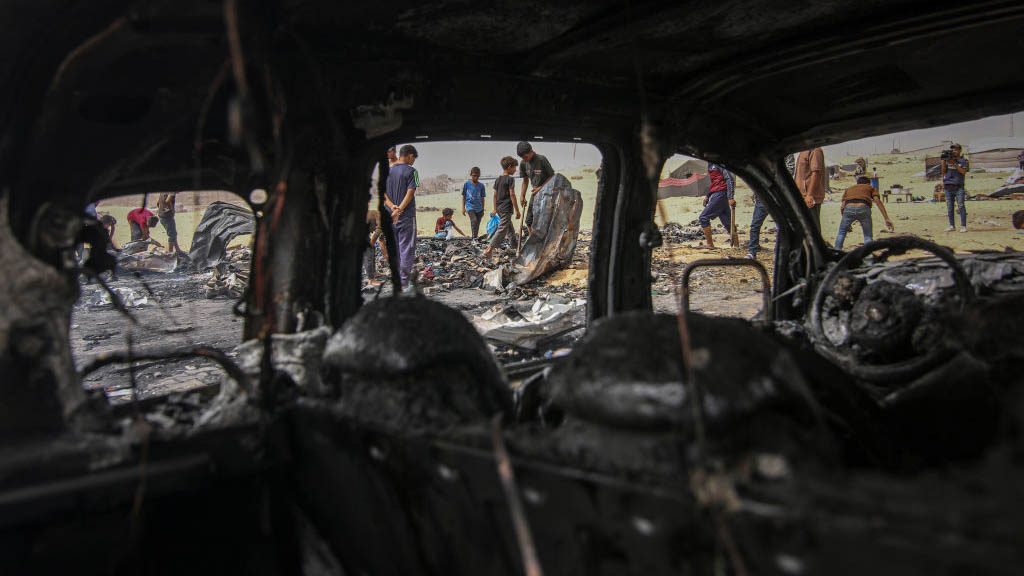
What would it take to start a new Israeli-Palestinian peace process that could actually have the prospect for enduring success? MEI has asked a group of regional and U.S. experts to weigh in.
The EU and the Israel-Hamas war: A narrow but important niche
Much has been written about the European Union’s confused and cacophonic response to the heinous Oct. 7 Hamas terrorist attack that has plunged the Middle East into one of the most violent crises the region has known since World War II. While the condemnation of Hamas’ atrocities was unanimous, not much else was.
Iraq’s new geopolitics and the importance of regional engagement: A view from Brussels
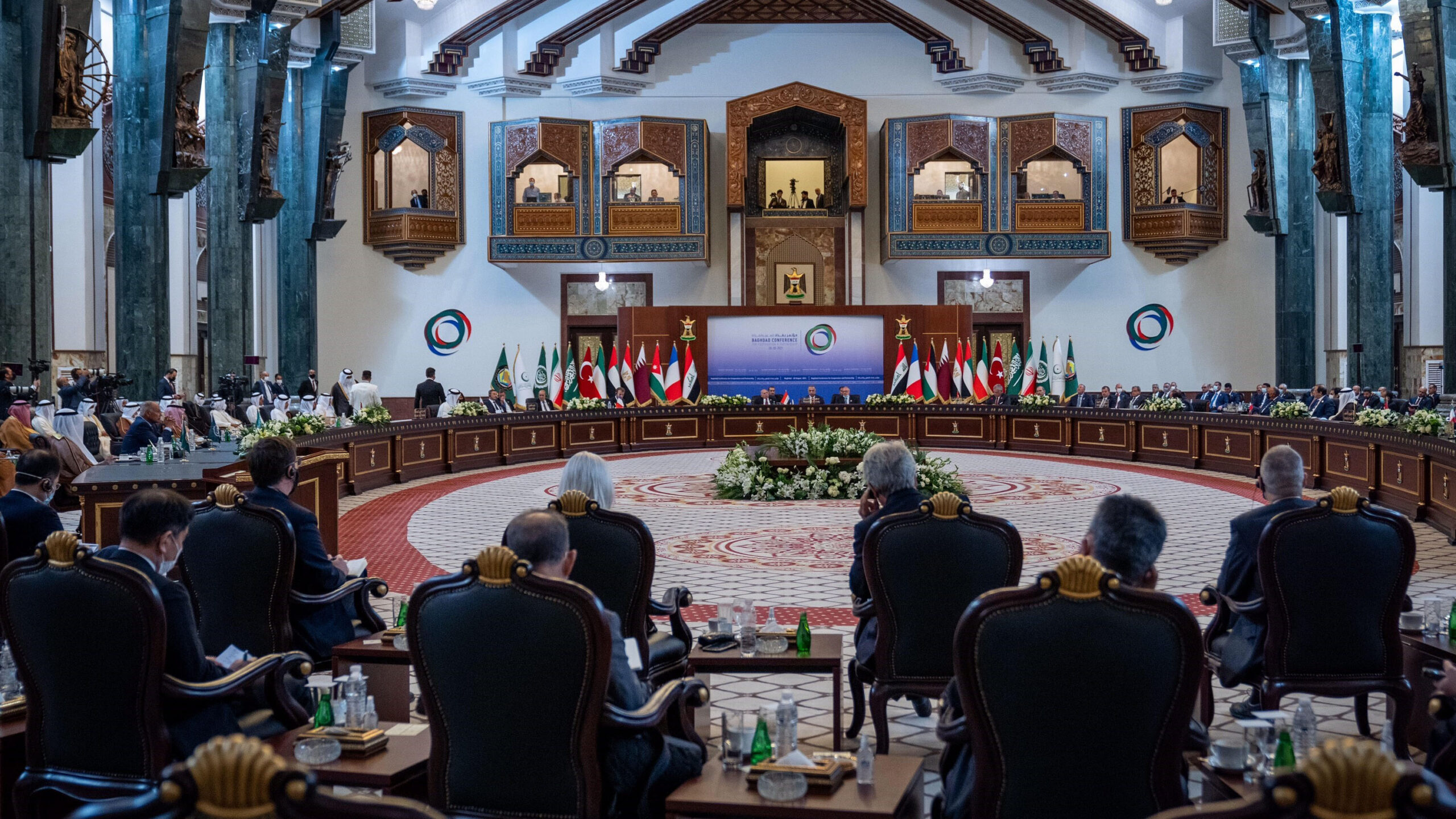
Despite Iraq’s systemic and ongoing domestic instability, division, and foreign interference, there are fragile but hopeful signs of de-confliction and de-escalation. These include important efforts that a number of international actors as well as the government in Bagdad itself have been making to turn Iraq into a platform for regional engagement.
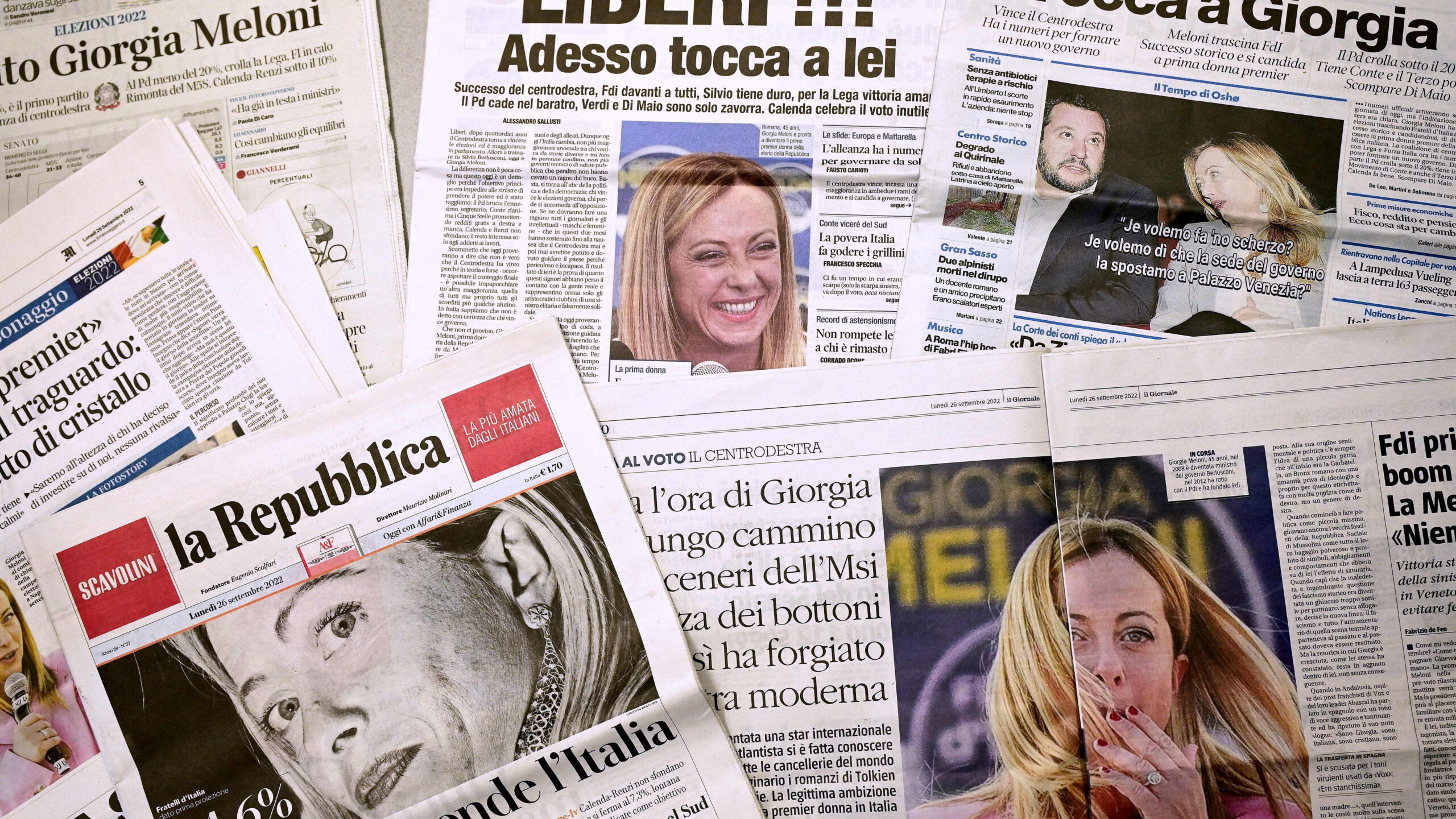
Will Italy’s MENA policy change under the new government?
Although Italians have elected the most far-right government of the postwar era, the future might be marked more by evolution than drastic change, at least in the short term. This is especially true when it comes to Italian foreign policy, including toward the Middle East and North Africa.
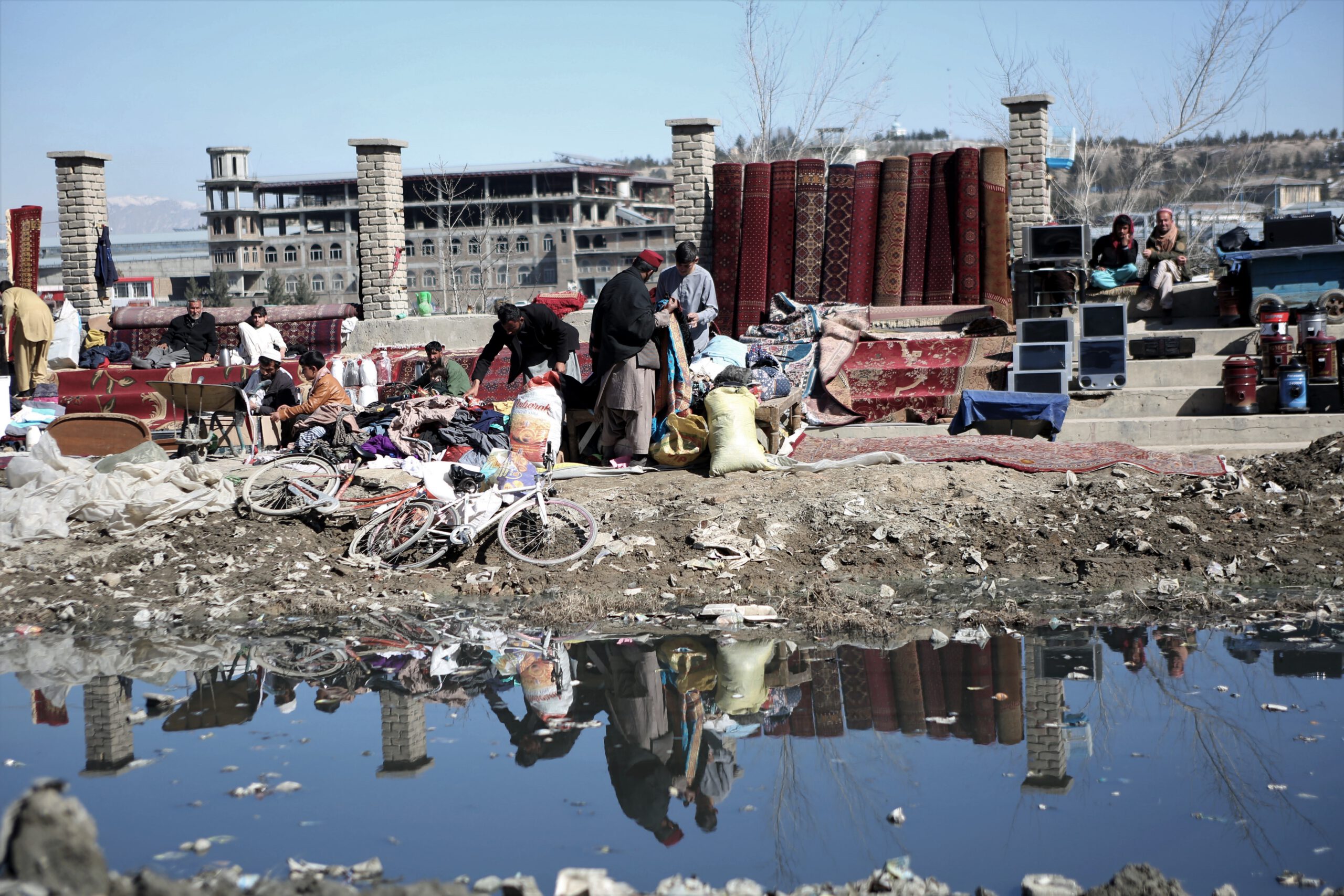
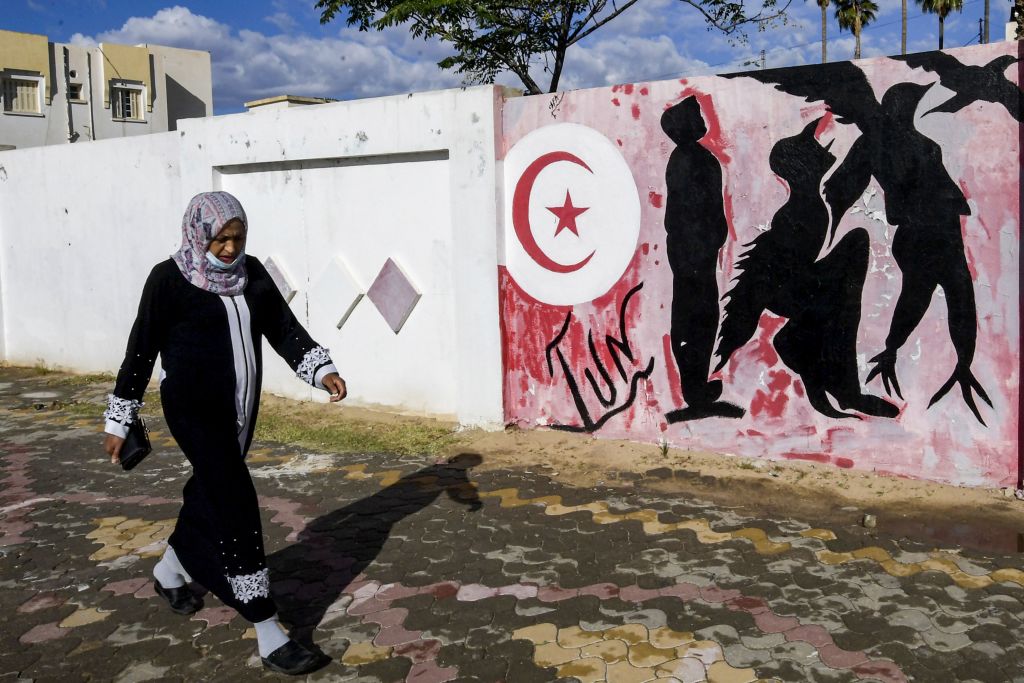
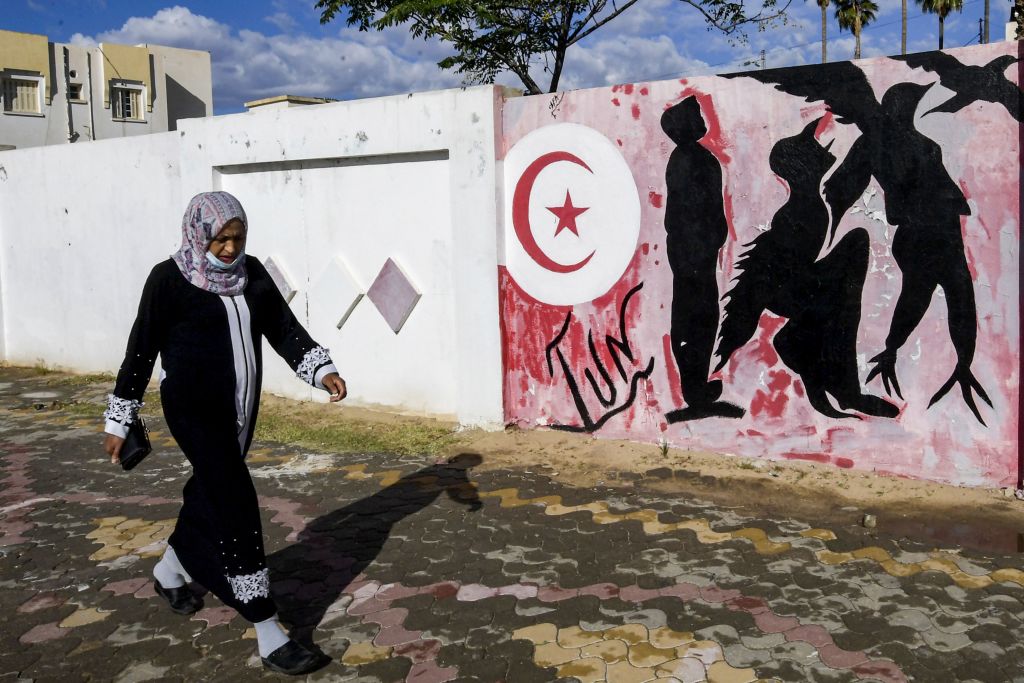
A decade on from the Arab Spring, 9 experts from across MEI offer their thoughts on what has and hasn’t changed — and what it all means for the future of the region.
The geopolitical map of Europe and neighboring regions has changed profoundly in recent years. Yet the countries “in between” are still very much stuck in the middle, either because their internal situation remains complex or because of external interference, from disinformation warfare to more straightforward armed aggression.