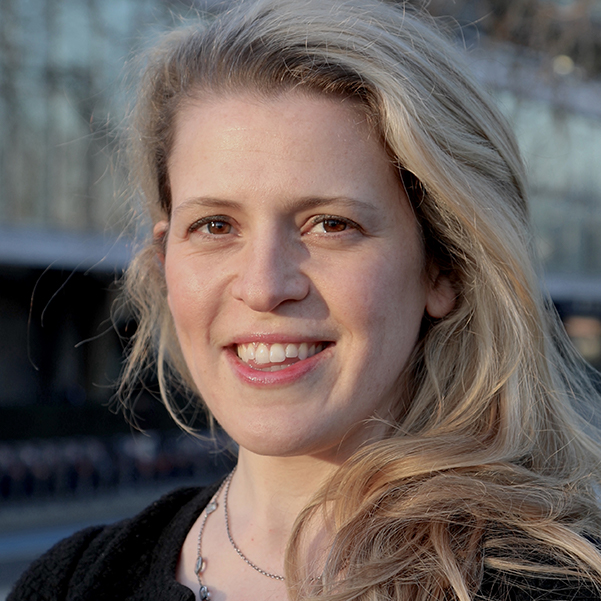
Emily Stromquist has over a decade of experience advising corporate and financial services clients on global energy market trends and political risk, and has lived and worked across Europe, Eurasia, the Middle East, and Africa. She is currently a Managing Director at Teneo, the global CEO advisory firm.
Previously, Emily was a senior analyst at Eurasia Group on the firm’s global energy team based out of the London office. In this role, she worked with a wide range of clients in the energy sector advising on changes in energy policies, regulation, and markets, and helping clients identify risks and opportunities in their global portfolios and supply chains. She then joined the International Energy Agency (IEA) in Paris as a Programme Manager for Sub-Saharan Africa and Russia. In this capacity, she oversaw the development of the IEA’s engagements and joint work with these respective governments on a range of energy access, security, and clean energy transitions issues.
Most recently, Emily has launched energy advisory services for several Middle East-focused startups in London and MENA, consulting for government and private sector clients on energy transitions strategies and roadmaps, and their impacts on a range of policy, economic, and investment trends in the region.