Skip to Content

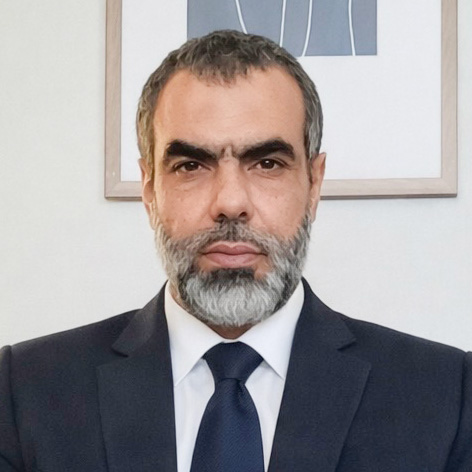
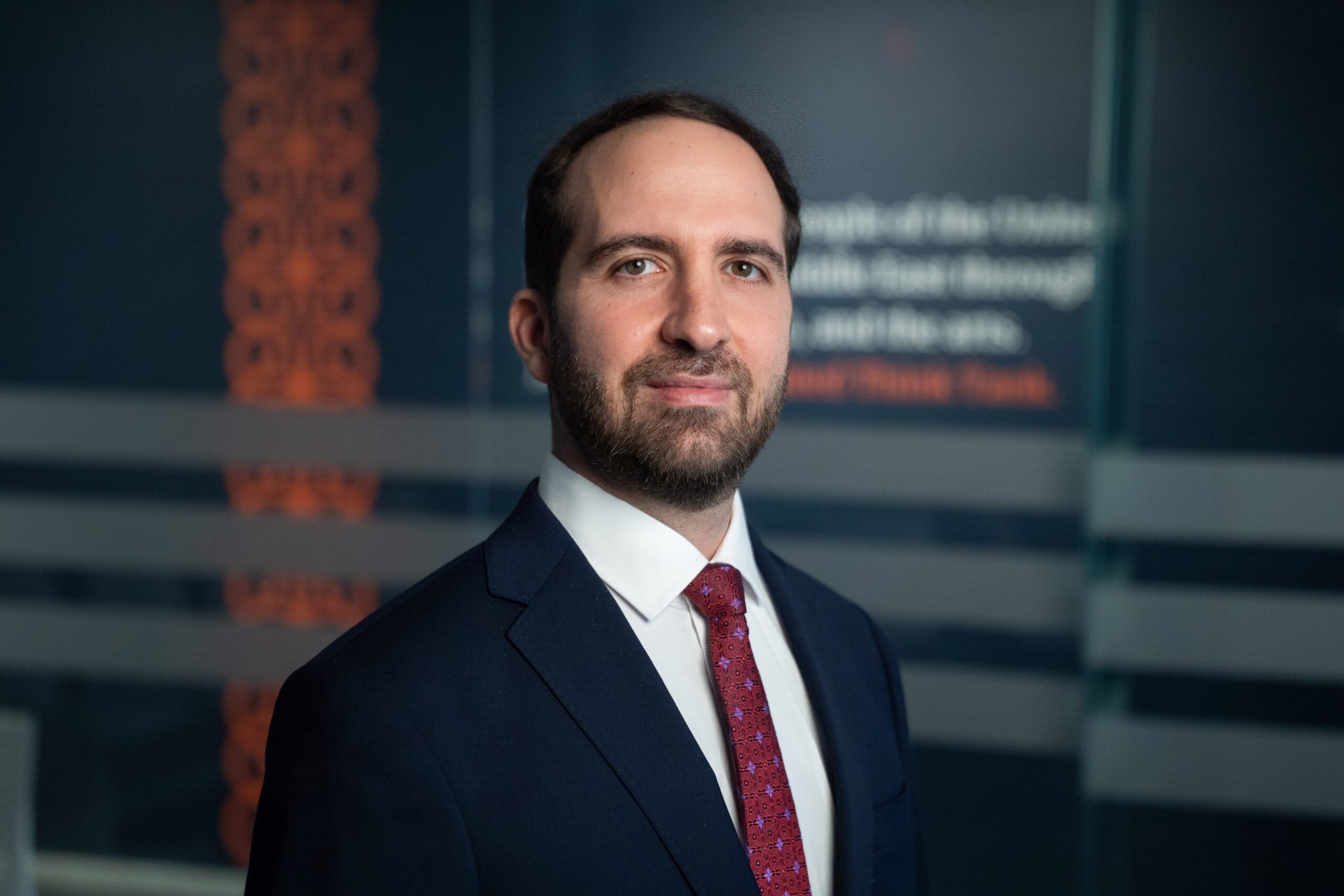
Fadi Nicholas Nassar is a Senior Fellow at the Middle East Institute specializing in US foreign policy, state capacity in fragile states, and the geopolitics of the Levant. His work focuses on how international policy, local politics, and regional power dynamics shape the survival, reform, and recovery of states under crisis.

From 2019 to 2025, he worked on the ground in Lebanon through the country’s financial collapse, the 2020 Beirut Port explosion, and the conflict between Hezbollah and Israel. During this period, he directed the Institute for Social Justice and Conflict Resolution and served as assistant professor of political science and international affairs at the Lebanese American University.

Following the Beirut Port explosion, he served on the core team for the World Bank’s Beirut Rapid Damage and Needs Assessment (RDNA), the primary evidence-based study informing recovery efforts. He has also led research and policy initiatives supported by the Carnegie Corporation of New York, the United Nations Development Programme, UNICEF, and the European Union on governance, institutional reform, and resilience across the Arab world.

He is the author of UN Mediators in Syria: The Challenges and Responsibilities of Conflict Resolution (Cambridge University Press, 2024). His work on US strategy and Middle Eastern politics has appeared in academic journals and international outlets in English, Arabic, French, and Spanish.

Dr. Nassar holds a PhD from King’s College London (War Studies), an MPA from Columbia University, and a Bachelor of Foreign Service from Georgetown University.
The Latest from Fadi Nicholas Nassar

Filter by
34 Results
How to Wrest Lebanon From Iran’s Grip
  • Podcast
  • How to Wrest Lebanon From Iran’s Grip

    Despite efforts to extend the cease-fire in Lebanon and disarm Iranian proxy Hizballah, fighting continues between the militant group and Israeli forces. Hosts Alistair Taylor and Matthew Czekaj are joined by MEI Senior Fellow Fadi Nicholas Nassar to examine what the renewed fighting means for attempts to counter Iranian influence in Lebanon and what could lie ahead. They discuss the prospects for a lasting agreement, Iran’s broader proxy strategy, and how Washington can help strengthen the sovereignty of the Lebanese state.

    May 7, 2026

    Lebanon: Between War and Diplomacy
  • Event
  • Lebanon: Between War and Diplomacy

    April 21, 2026, 2:30 PM – 4:00 PM

    Middle East Institute 1763 N St NW Washington, District of Columbia 20036

    US Leadership Can Dislodge Iran from Lebanon
  • Policy Memo
  • US Leadership Can Dislodge Iran from Lebanon

    Operation Epic Fury has created a dramatic opportunity in Lebanon that the US cannot afford to miss. Sustained leadership and support for the Lebanese Armed Forces can result in real disarmament, eliminating Hizballah as an Iranian proxy, and dealing Tehran another massive defeat that would further undermine the Iranian regime and help bring about its collapse.

    Lebanon on the Brink: Hizballah, Iran, and the War’s Spillover
  • Podcast
  • Lebanon on the Brink: Hizballah, Iran, and the War’s Spillover

    Hosts Alistair Taylor and Matthew Czekaj are joined by MEI Senior Fellow Fadi Nicholas Nassar to discuss Hizballah’s role in the escalating conflict in the Middle East and the implications for Lebanon. A day after the United States and Israel launched a joint military campaign against Iran, Tehran’s Lebanese proxy fired missiles at northern Israeli territory. Israel responded swiftly and forcefully, and Lebanon’s government and population now fear the Iranian-backed militia is dragging the country back into war. The conversation explores the broader repercussions of Hizballah’s actions against the backdrop of a widening war in Iran and Lebanon’s quickly evolving political climate. Nassar also outlines recommendations for how Lebanon can move forward as a sovereign and effective state.

    March 5, 2026

    How Lebanon’s authorities can keep the Iran war from engulfing the country
    Photo by Nidal SOLH / AFP via Getty Images
  • Commentary
  • How Lebanon’s authorities can keep the Iran war from engulfing the country

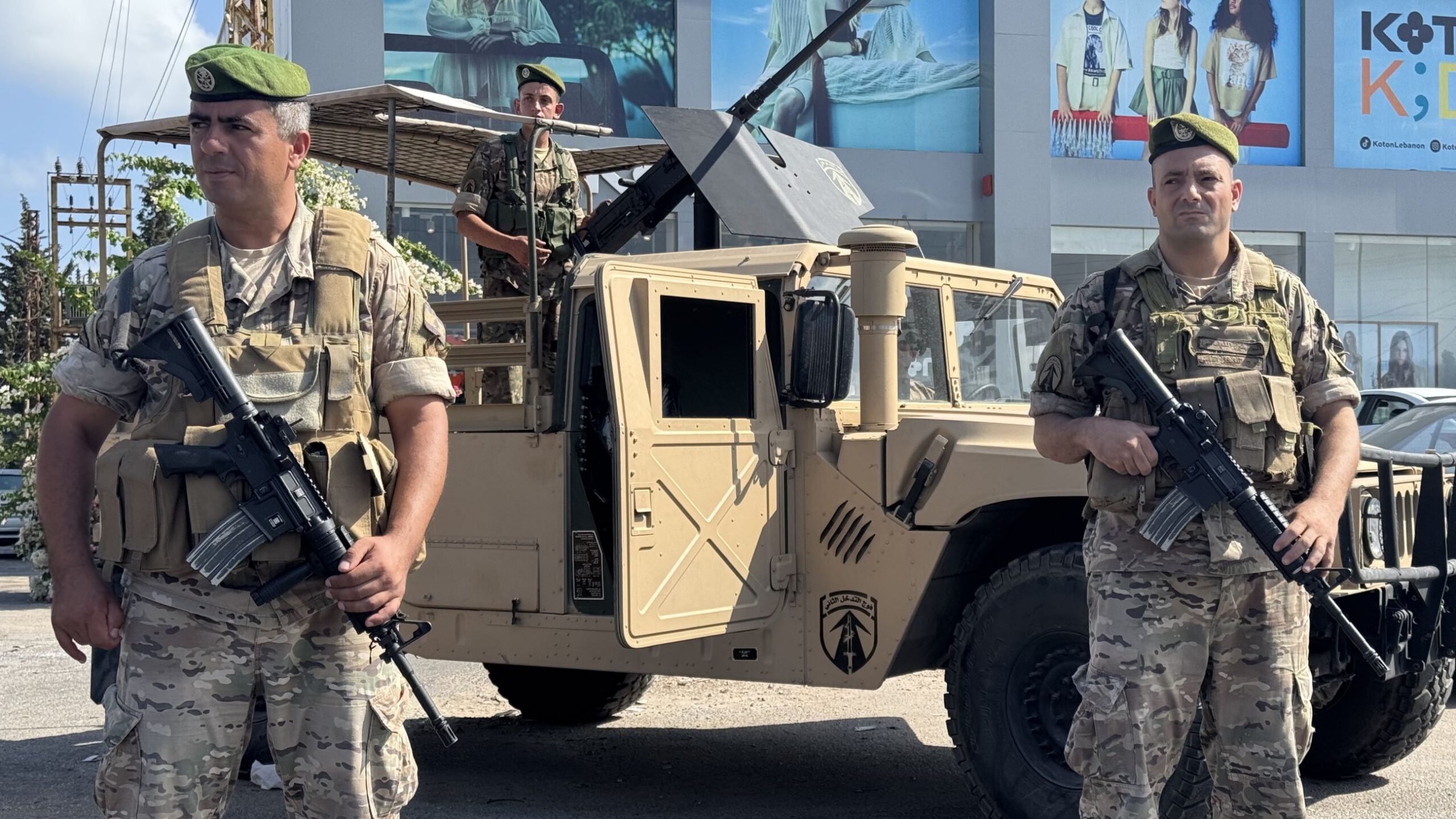
    Today’s decision taken by the Lebanese government — to declare all of Hizballah’s security and military activities illegal — is a landmark development. But how the government and the Lebanese Armed Forces implement this directive now that a new round of attacks has actually taken place will be the ultimate test of their credibility.

    Soft Power in Hard Times: Pope Leo XIV’s Visit to Lebanon
  • Podcast
  • Soft Power in Hard Times: Pope Leo XIV’s Visit to Lebanon

    MEI Senior Fellow Fadi Nicholas Nassar joins host Matthew Czekaj to share expert insights and personal reflections on Pope Leo XIV’s trip to Lebanon from November 30 to December 2. Nassar unpacks the significance of the visit, part of the pontiff’s first overseas tour since assuming office, and its potential impact on Lebanon’s untenable status quo. The conversation explores key questions, including the ability of spiritual and moral authority to compensate for the shortcomings of political leadership as well as whether Lebanon’s government will be able to capitalize on the momentum generated by this visit as the possible return of conflict looms on the horizon.

    December 4, 2025

    A realistic, step-by-step approach to restoring Lebanese sovereignty
    Photo by Ahmad Kaddoura/Anadolu via Getty Images
  • Analysis
  • A realistic, step-by-step approach to restoring Lebanese sovereignty

    Seizing Lebanon’s once-in-a-generation opportunity hinges on its ability to resolve its core dysfunction: reclaiming the state’s monopoly on force and its exclusive authority to determine matters of war and peace. Beirut, backed by deepening US support, must focus on achieving tangible milestones and strategic victories that momentum, making Hizballah’s disarmament unstoppable and the state’s reassertion of authority irreversible.

    UNIFIL’s moment of truth in Lebanon
  • Commentary
  • UNIFIL’s moment of truth in Lebanon

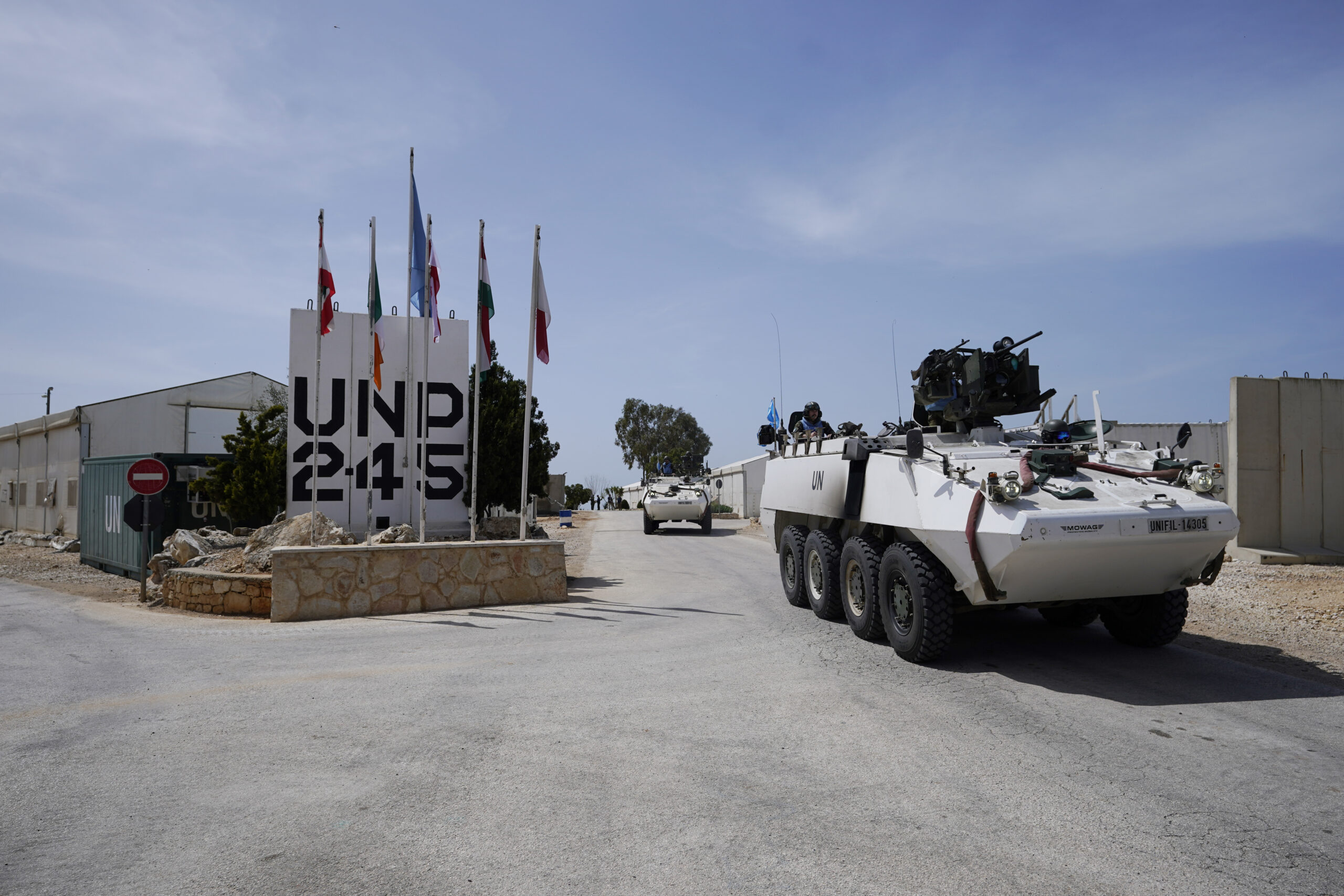
    At the end of August, the United Nations Security Council renewed the mandate of the United Nations Interim Force in Lebanon (UNIFIL) for the final time. For nearly half a century, blue helmets have been a fixture in South Lebanon, an extraordinary tenure for a country only eight decades old. In many ways, UNIFIL’s longstanding presence served as a reminder of Lebanon’s struggle to assert its sovereignty, which has had destabilizing consequences for international peace and security.

    Now, that dysfunction may be nearing resolution.

    UNIFIL should reset or go home
    Photo by Niall Carson/PA Images via Getty Images
  • Analysis
  • UNIFIL should reset or go home

    At the end of August, the future of the United Nations Interim Force in Lebanon (UNIFIL), established nearly 50 years ago, goes on trial in New York, where the Security Council will debate the renewal of its mandate. Nearly two decades after its transformation under UN Security Council Resolution 1701, UNIFIL is now part of the problem it was created to solve. Ten thousand blue helmets from almost 50 countries, including major North Atlantic Treaty Organization (NATO) members, failed to stop the latest conflict between Israel and Hizballah, and, if business continues as usual, will fail to prevent the next.

    Trump travels to a Middle East in transition
    U.S. President Donald Trump boards Air Force One on May 12, 2025, at Joint Base Andrews, Maryland. President Trump is traveling to Saudi Arabia, the first stop on his four-day Middle East visit and the first international trip of his second term. Photo by Win McNamee/Getty Images
  • Analysis
  • Trump travels to a Middle East in transition

    This week, US President Donald Trump makes his inaugural visit to the Middle East since the start of his second term, traveling to Saudi Arabia, Qatar, and the United Arab Emirates on May 13-16. Amid the heightened focus on US policy toward the Middle East, MEI’s experts take stock of Trump’s trip to the Gulf, how his administration has shaped its approach to the wider region in its first several months, and how regional actors are responding to the policies coming out of Washington.

    The way forward in Lebanon
    Photo by ANWAR AMRO/AFP via Getty Images
  • Analysis
  • The way forward in Lebanon

    The election of President Joseph Aoun and Prime Minister Nawaf Salam is a political breakthrough in Lebanon and a harbinger of what could happen in a country long dismissed as unsalvageable. Beirut’s new leadership reflects the aspiration of a majority of the Lebanese people to live in a functioning state free from the dual drivers of its failure: political violence and pervasive corruption. Those leaders must now deliver on their commitment to establish a state committed and accountable to its people and rise to meet the responsibility that comes with holding the promise of a nation’s future.