This individual is a guest contributor. MEI is not able to assist with contact requests.
Farnaz Seifi is an independent essayist and consultant who has worked at the juncture of gender and media with several international organizations and stakeholders in Iran, Europe, and the United States. She was a journalist and staff writer for Germany’s public international broadcaster, Deutsche Welle for seven years. Her areas of interest include international women’s movement and community initiatives, gender politics in the Middle East, modern comparative literature, and local media performances. She holds two B.A. degrees in Sociology and English and M.A. in Journalism and Media Studies. Farnaz has a proud background in feminist grassroots movement and was a founding member of Iran’s renowned Change for Equality Campaign (2006 – 2008).
Iranian and Saudi women: Overcoming comparative suffering?
For many decades, Iran and Saudi Arabia have been bitter rivals, but not over women. If there was a competition, it was only over whose government could impose more limitations on their female population.
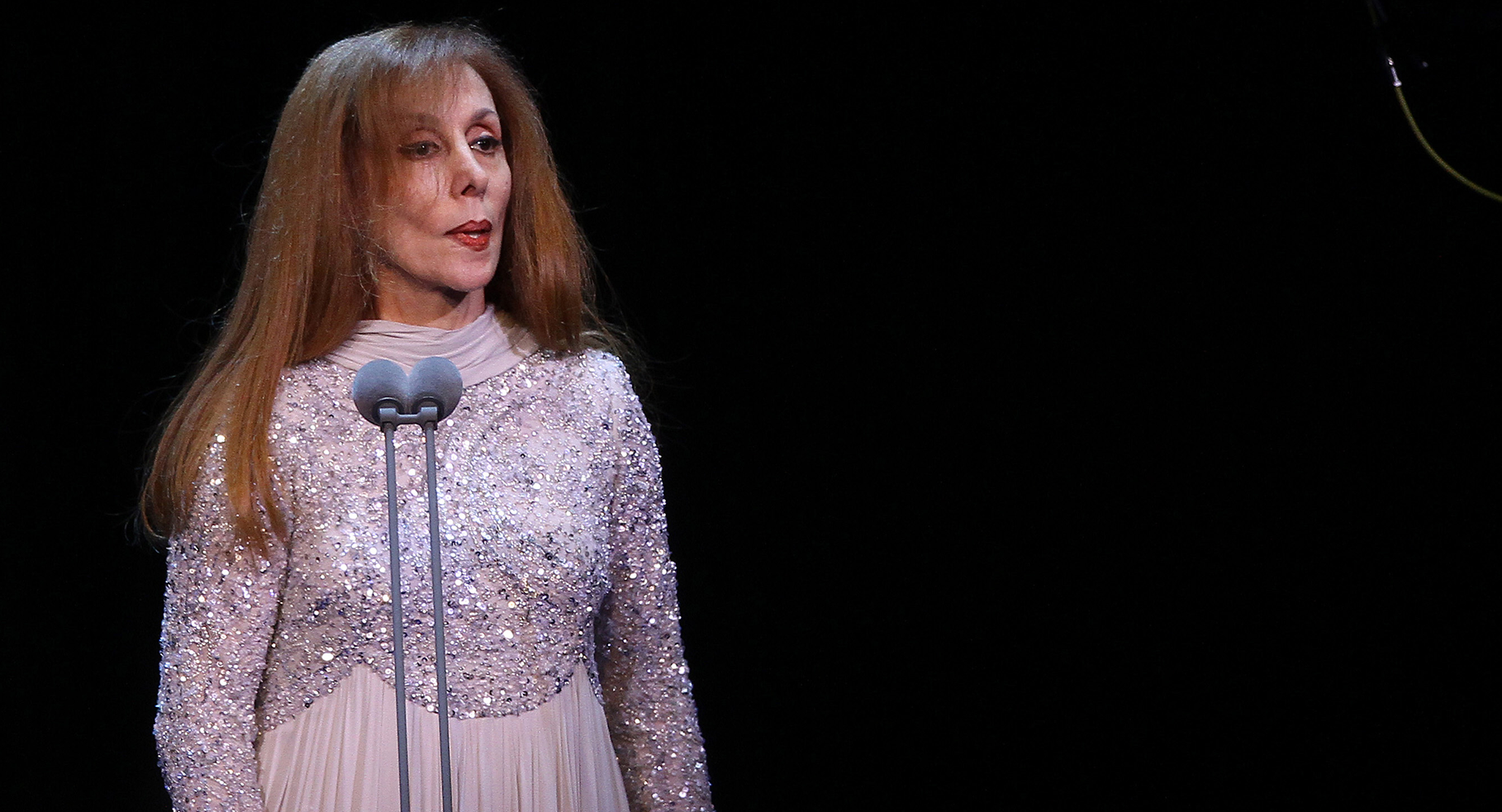
Love for Fairuz has proven that Iranians, despite their intense political differences, can have a common interest. After the deadly explosion in Beirut — which killed more than 190 people and displaced about 300,000 — the first thing Iranians thought of to express their sympathy was Fairuz’s famous song “Li Beirut,” which became a trending hashtag on Persian Twitter.
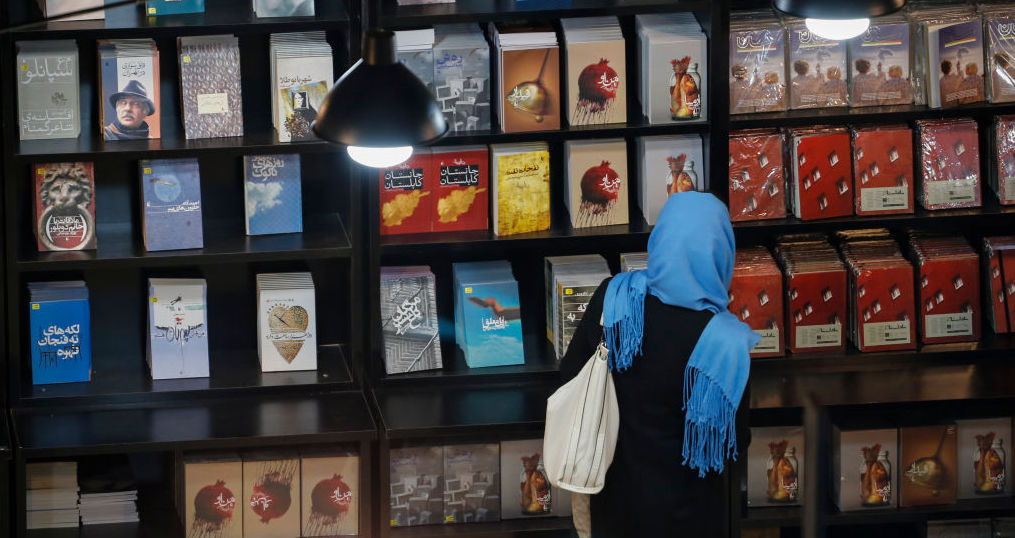
Unfortunately, many distinguished Arab writers are unknown to the majority of Iranian readers and their works are not available in Persian. Arab literature has largely been neglected in the Iranian literary translation market.