Will Iran turn to al-Qaeda to combat Islamic State?
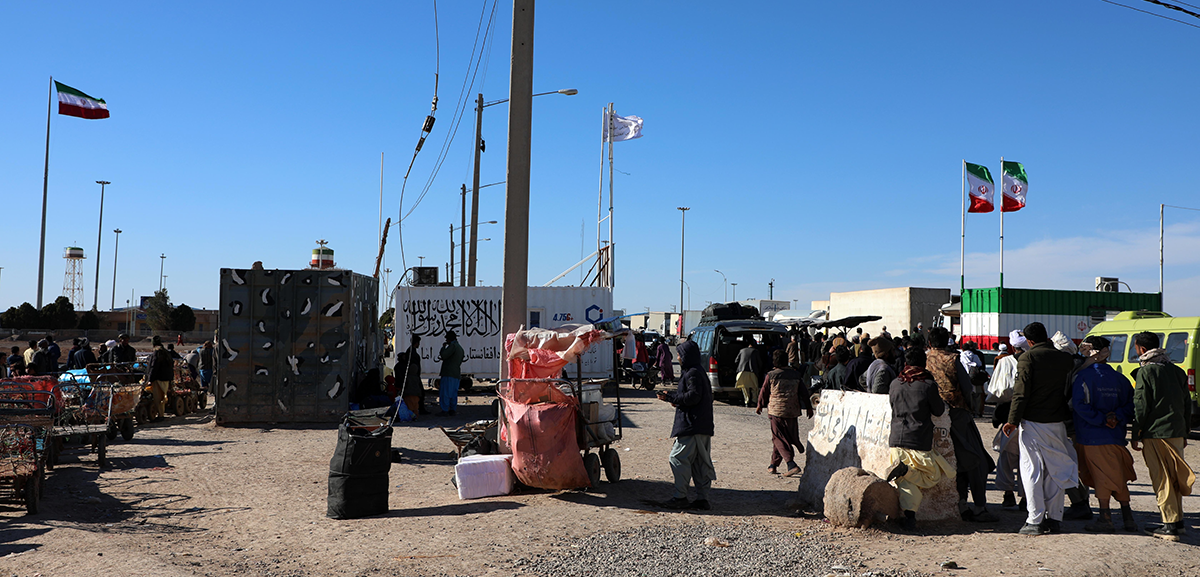
As the security situation in Afghanistan deteriorates and the Taliban seem incapable of defeating ISKP and protecting religious minorities, Tehran is alarmed about the potential outbreak of a civil war next door and the chances that such a conflict might spill over into Iran. Under these circumstances, Iran may look for more effective means of countering ISKP.
The Afghan refugee crisis: What does it mean for Iran?
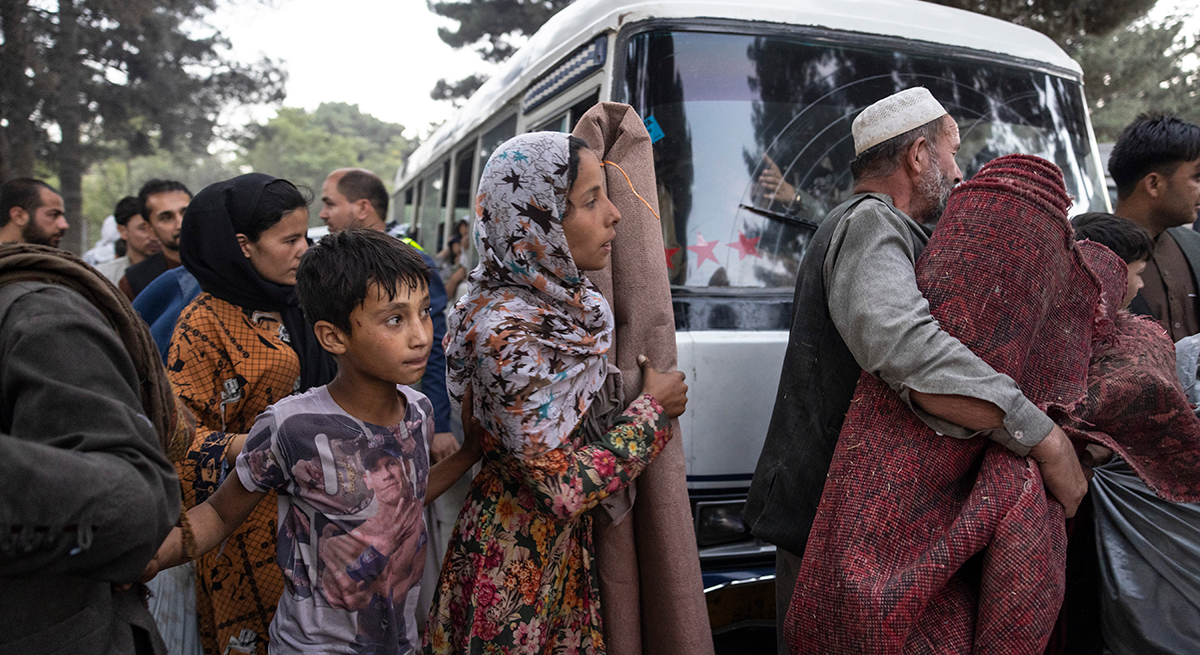
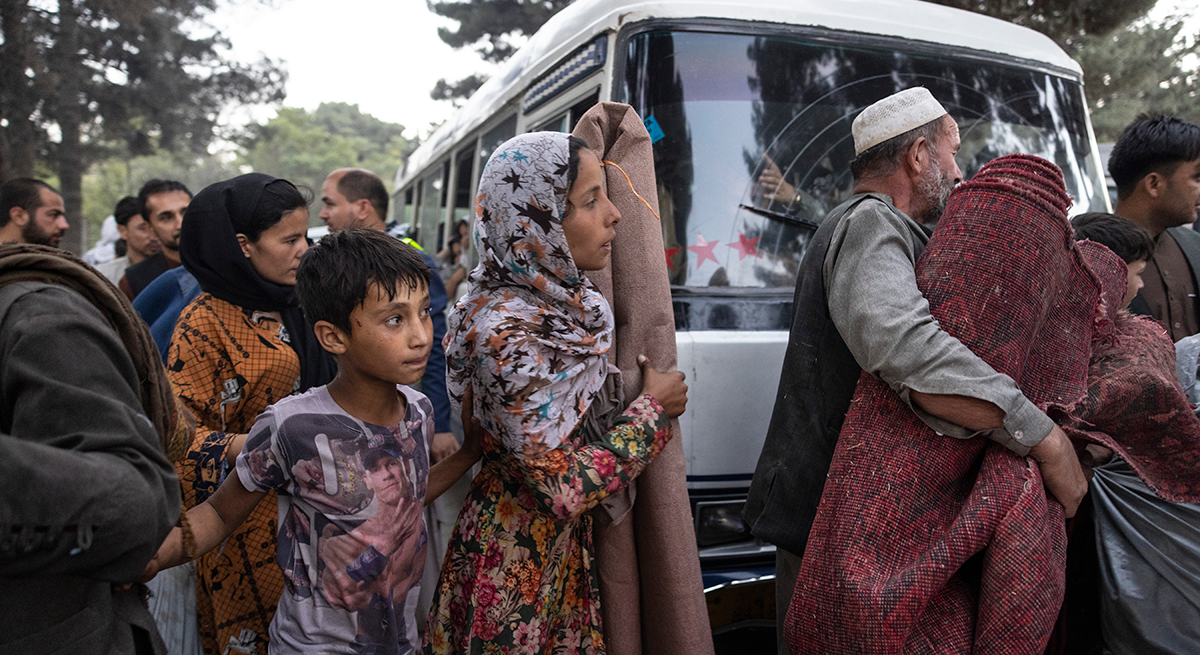
The images of desperate Afghan citizens trying to leave their country, beyond highlighting a massive human tragedy, may become a symbol of the so-called war on terror. Many of those Afghans already understand the feeling of abandoning their homes, because their families experienced it. They know what happens when foreign armies withdraw from their country and the tragedies that can ensue. The difference this time, however, was the deadline — only a few weeks.
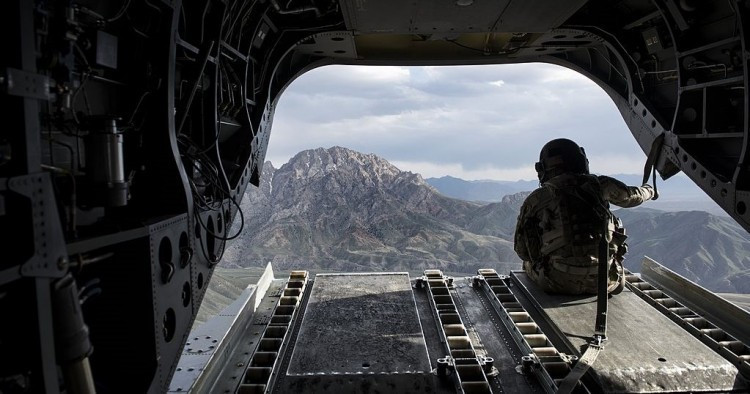
Weeks before the official U.S. military withdrawal, Afghanistan is unraveling rapidly as the Taliban continue their swift military advance. They now control more than two-thirds of the country and half of the provincial capitals. With the government’s hold on Kabul in doubt, the Biden administration has dispatched troops to evacuate U.S. citizens from the country. We asked experts and scholars from across MEI to weigh in with their thoughts on the situation and what it means for the country, the wider region, and key international players.
Finding common ground: Fostering environmental cooperation in the Persian Gulf
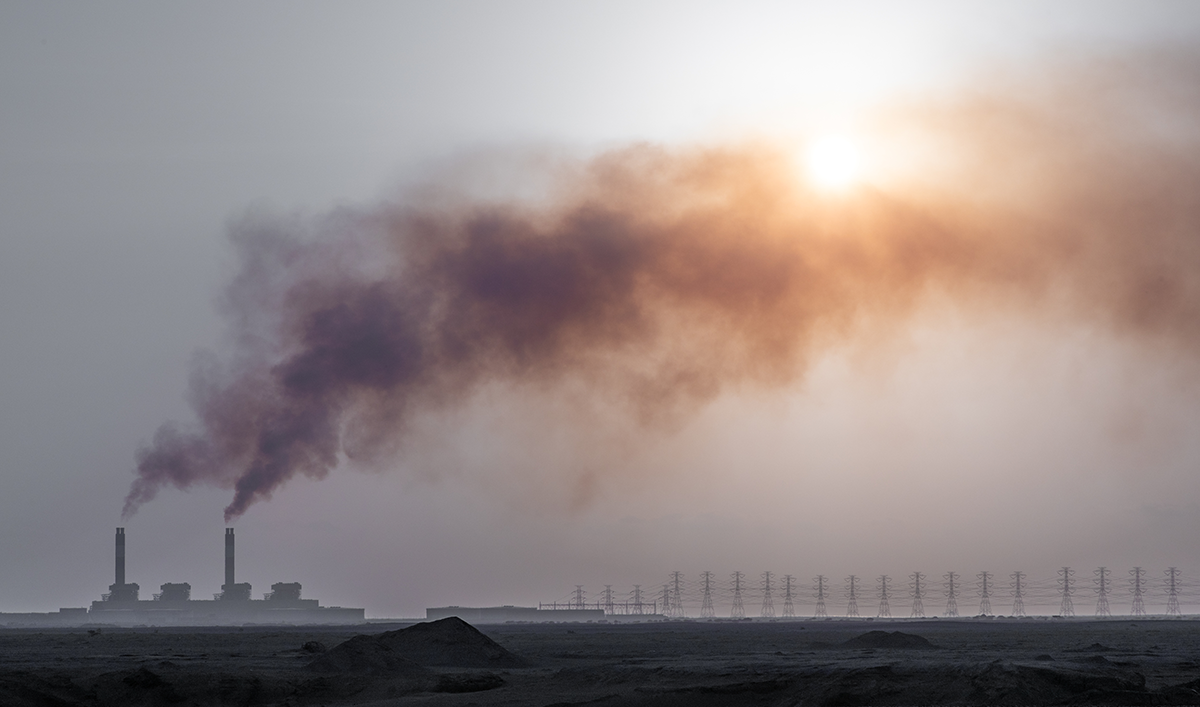
When it comes to the Persian Gulf, saving the environment might seem like it would be the last item on the to-do lists of the region’s Iranian and Arab rivals. It is an urgent matter, however — and one that could help turn these foes into friends. The United States can play an important role in this: It has helped the region to resolve conflicts over water in the past, and it could do so again.
Iran’s Uneasy Relationship with its Sunni Minority
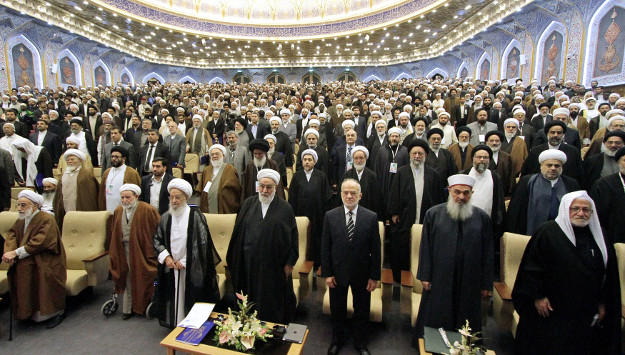
The threat of militant extremism among Iran’s Sunnis is being taken very seriously in Tehran. Iranian authorities have been exerting considerable effort to stem the spread of Salafism and Wahhabism into Iran’s mainly Hanafi Sunni majority regions. One strategy that authorities are not pursuing, however, is development. Indeed, the continued underdevelopment of these regions is leaving the door open to radical Islam. Iran’s Sunnis have long struggled with poverty and discrimination, and are suspiciously viewed as the country’s fifth column.
Peace with Taliban Could Stem ISIS Growth in Afghanistan
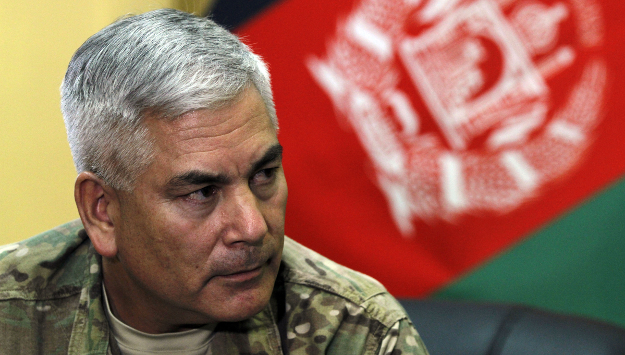
U.S. Army General John Campbell, the outgoing commander of coalition forces in Afghanistan, estimates the number of ISIS militants in Afghanistan to range from 1,000 to 3,000 and warns that “they have the ability to recruit quite well, not only around the world, but inside Afghanistan.”
Iranian women have long been in a cat-and-mouse game with the interpretation and enforcement of many aspects of Islamic law, but most especially the hijab. Since 1983, when the first written law was passed, the Islamic Republic has made it officially mandatory for women to wear the headscarf and loose clothing, with punishment for failing to comply ranging from lashes to imprisonment. Even before the law was passed, just a few strands of hair outside the scarf would not be tolerated.
In an official gathering in December 2010, Major General Attollah Salehi, Commander-in-Chief of the Iranian Army said that during his visits to Army barracks, he would see the pictures of the leaders of the “sedition” (The Islamic Republic’s present hard-line leadership refers to opposition leaders and 2009 presidential candidates Mir Hossein Moussavi and Mehdi Karrubi as leaders of sedition) hanging on the walls.