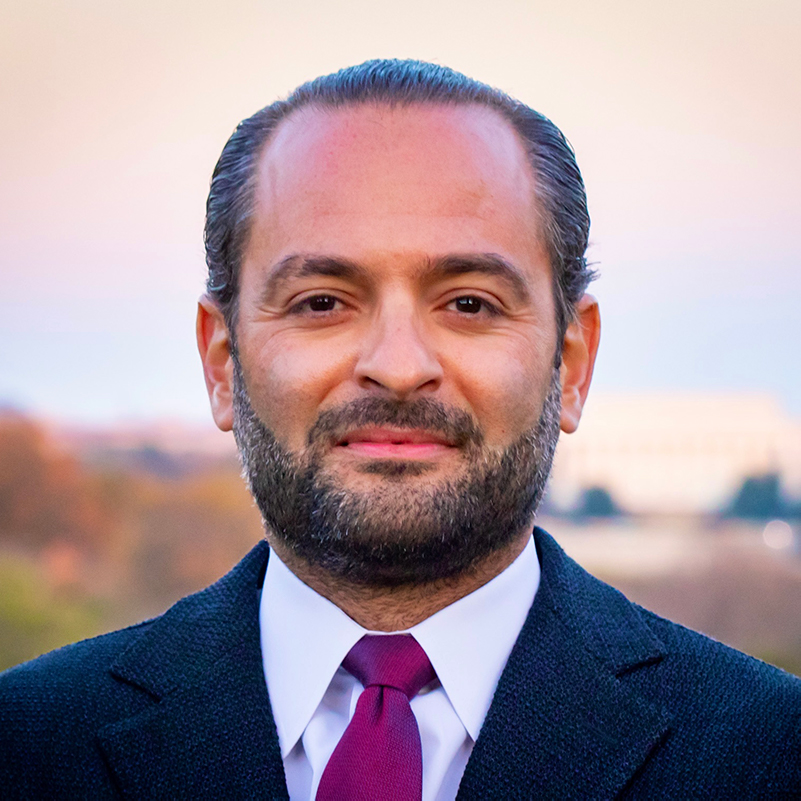
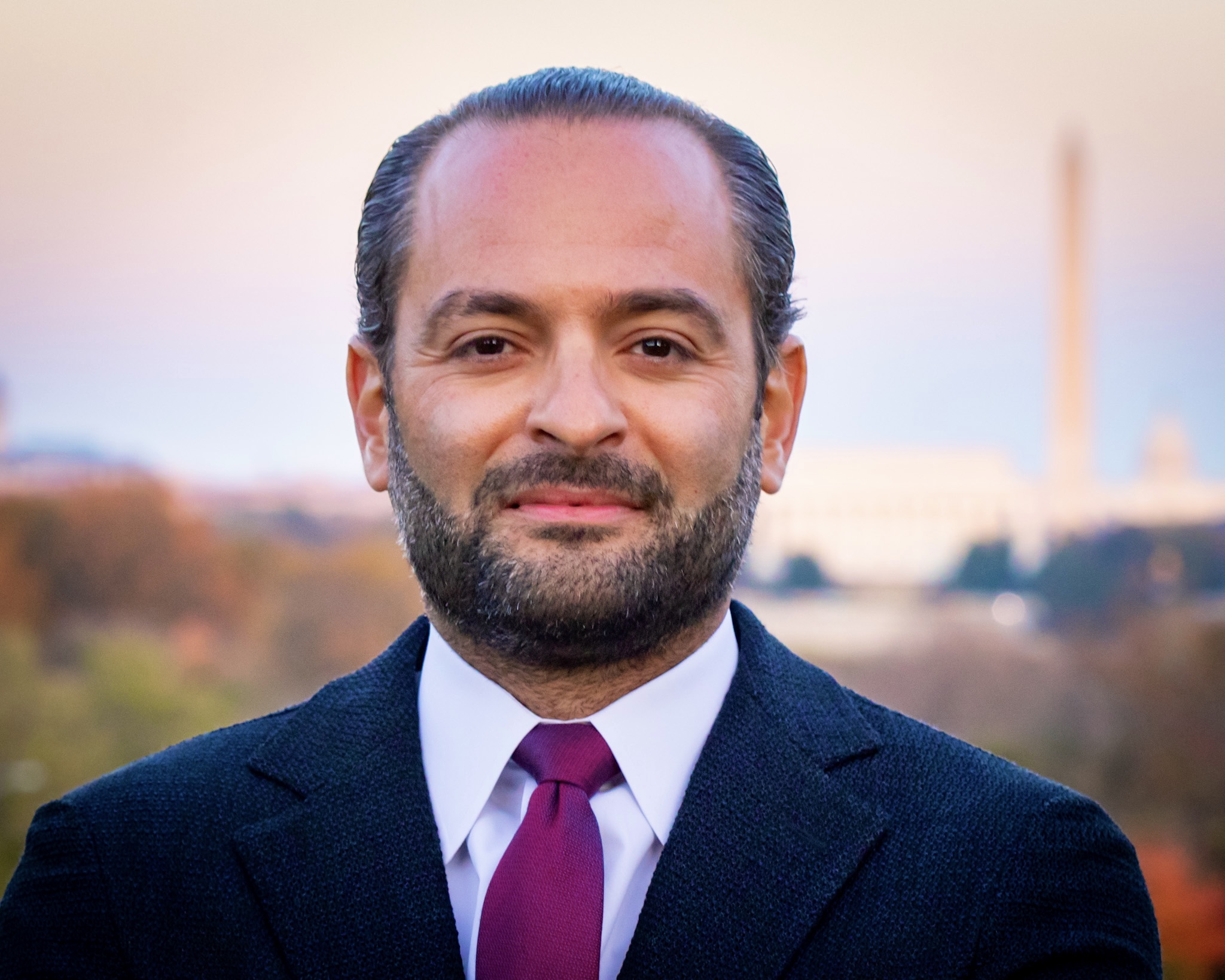
Firas Maksad is an Associate Fellow at MEI. He previously served as its Senior Director for Strategic Outreach. He is a recognized expert on the politics of Lebanon and Syria, the geopolitics of the Arab Gulf, and the broader dynamics of the Middle East region. Firas is also an adjunct professor at George Washington University, where he teaches graduate courses on the Middle East at the Elliott School for International Affairs. His writings have appeared in top-tier publications such as the Washington Post, Wall Street Journal, Foreign Policy Magazine, Foreign Affairs, and the Los Angeles Times. Firas frequently offers expert commentary on U.S. politics and the Middle East for global news networks, including BBC, CNN, CNBC, Al Arabiya, and others. Firas holds a Master of Science in Foreign Service degree, as well as an honors certificate in International Business from Georgetown University. He completed his undergraduate degree in Political Studies at the American University of Beirut.
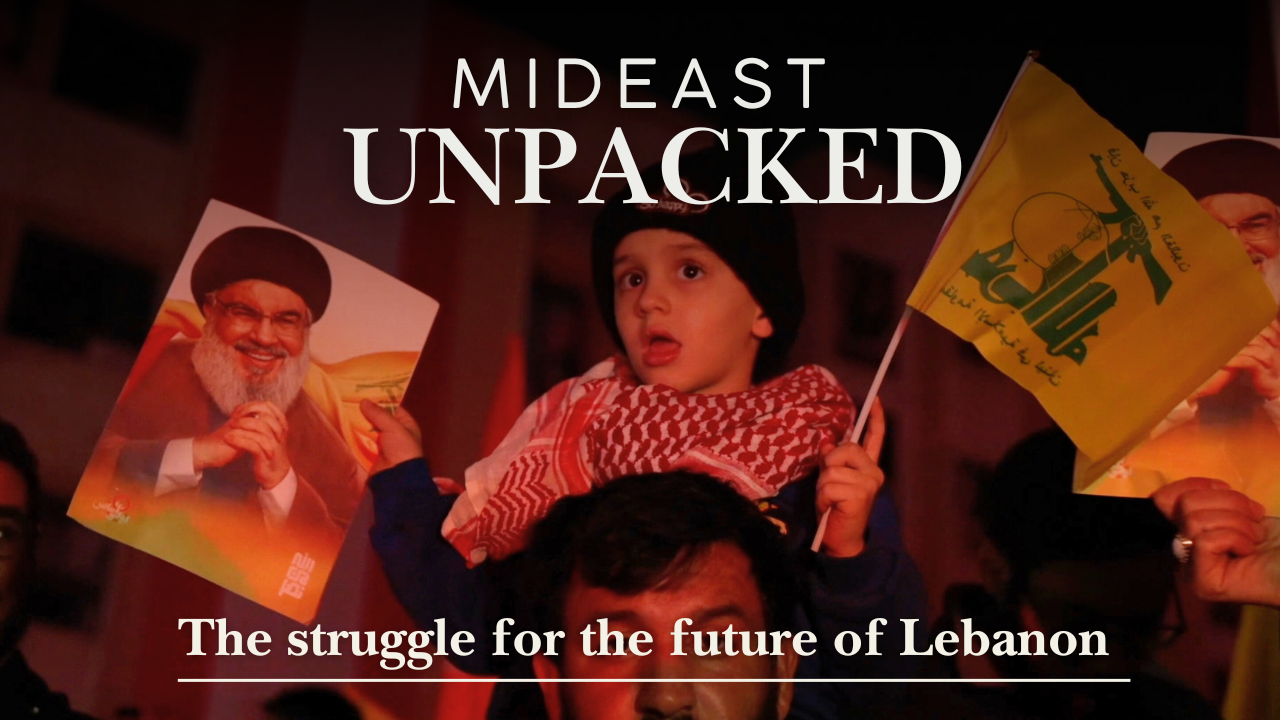
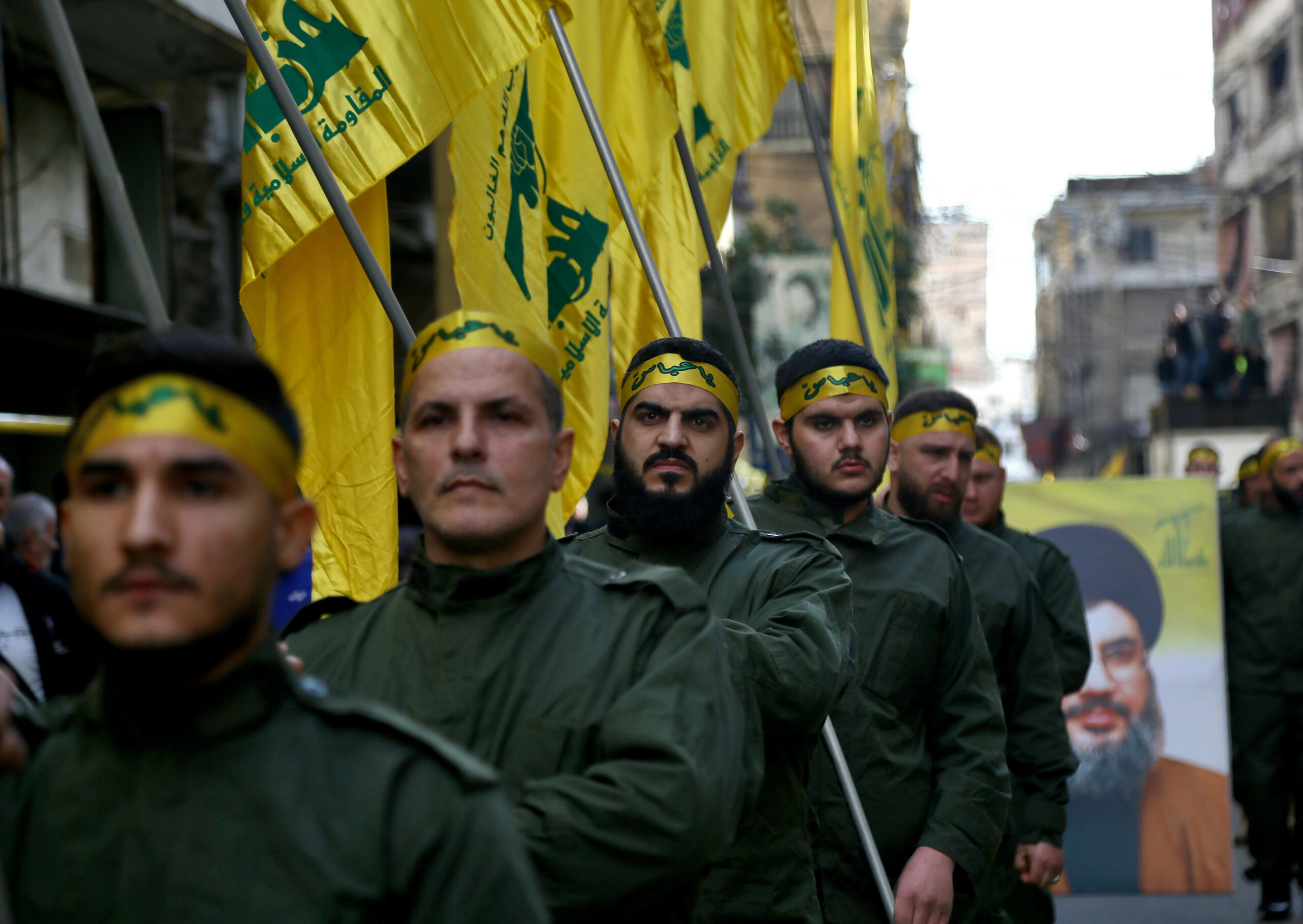
Nasrallah’s funeral is one of the most consequential moments for Lebanon & the Levant. Will the show of force mark the start of Iran’s campaign to sabotage an emerging American order? Much depends on what the US does next. MEI’s Firas Maksad offers insights & recommendations.
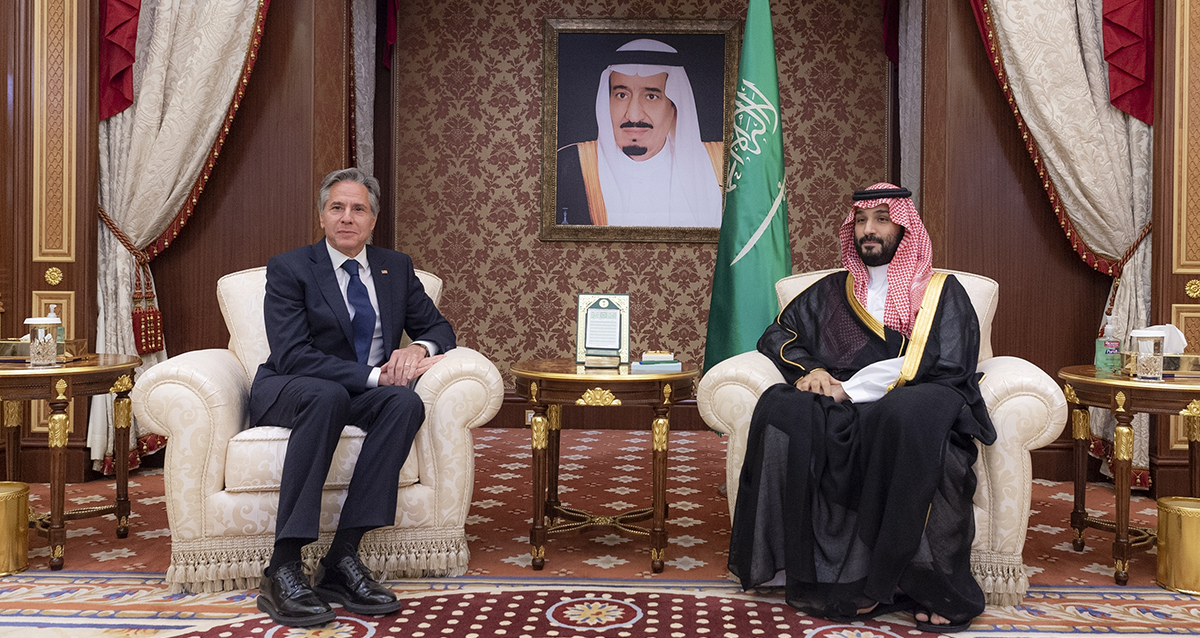
US-Saudi accords must not remain hostage to normalization with Israel
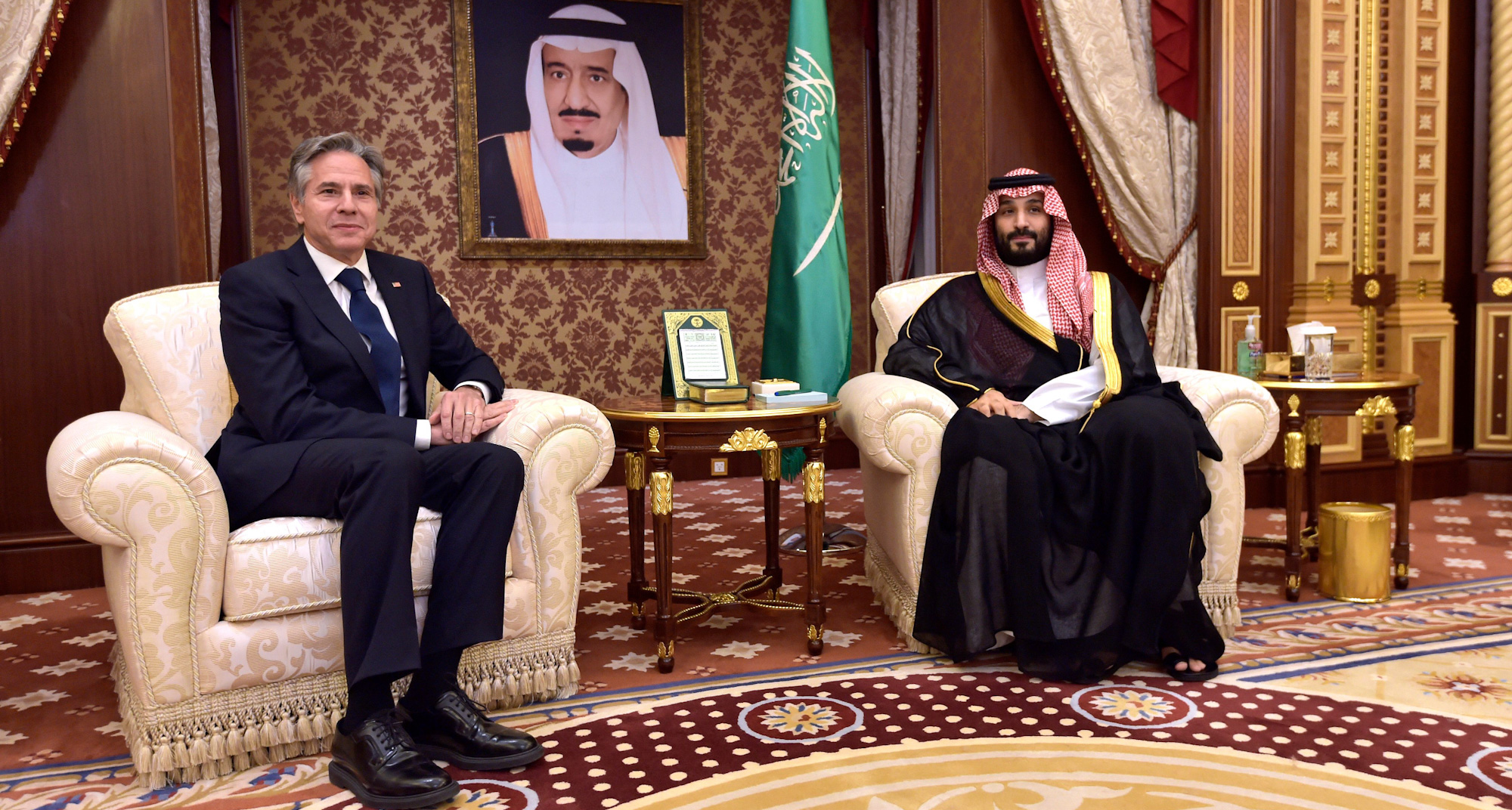
After Hamas’s unprecedented attack against Israel on Oct. 7, the siren song of Saudi-Israeli normalization risks wrecking the US-Saudi relationship against the rocks of stubborn geopolitical realities. An interim less-for-less approach in US-Saudi negotiations that doesn’t immediately require Senate approval nor is beholden to a much less certain Israeli-Palestinian peace process could set the stage for an even more consequential “mega deal” down the line.
Israel and Lebanon are sliding into war, but the US can still stop it
A battle for hearts and minds is being waged in the winding alleyways of Beirut. The Lebanese are anxiously going about their lives while keeping an eye on the intensifying border skirmishes between Israel and the Iranian-backed militant group Hezbollah.
Plastered across the city walls and hanging from lampposts is the enigmatic image of Abu Obeida, Hamas’s masked spokesperson. Wrapped in a red kufiyah, the traditional Arab head garb, he is put forth as a symbol of defiance against Israel.
A devastating Israel-Lebanon war is brewing, but it can still be stopped
This week’s shock attack by Palestinian militant group Hamas against Israel left the Middle East on a knife’s edge. The world remains focused on Israel’s unfolding military response in Gaza, which in the days ahead will surely prove long, punishing, and unpredictable.
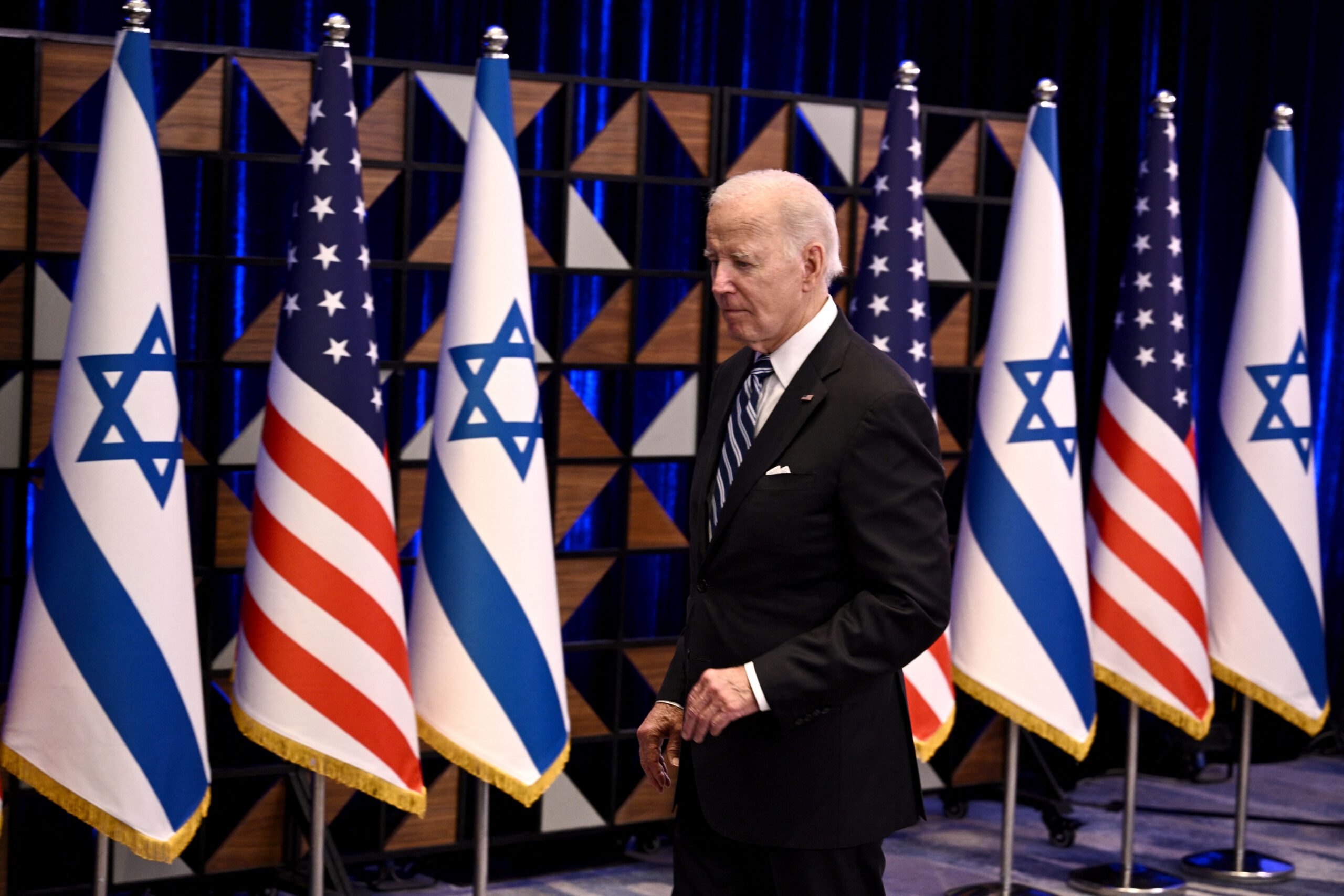
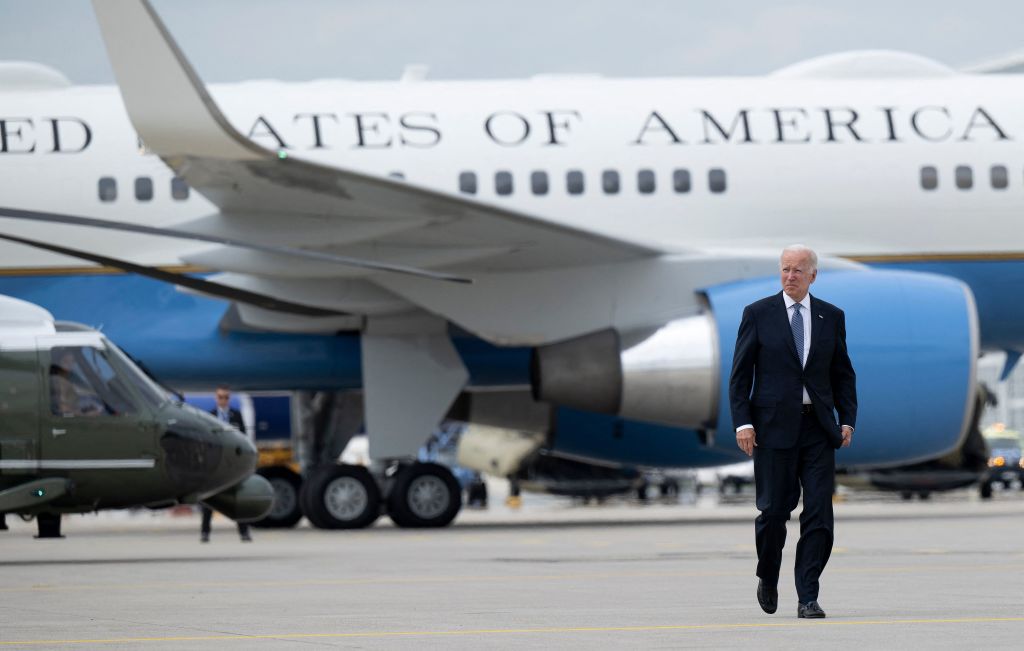
Despite U.S. President Joe Biden’s meandering efforts to explain his about-face on Saudi Arabia—visiting the country this week after having dubbed it a “pariah” on the campaign trail—there remains much apprehension about his trip on both ends of the political spectrum. Progressives and human rights advocates worry the president will sacrifice U.S. values for short-term Faustian bargains in an attempt to secure cheap oil and expand Arab-Israeli normalization. Republicans and realists, who favor an interest-driven approach to foreign policy, aren’t sure there is enough to be gained by Washington on these fronts to justify a presidential visit.
When the leaders of Saudi Arabia and the United Arab Emirates decline phone calls from the president of the United States, rebuff his requests to help lower oil prices, and shy away from condemning Russia’s invasion of Ukraine, and when the U.A.E. hosts Syrian dictator Bashar al-Assad in Abu Dhabi, there is no doubt that a major crisis in U.S.-Arab Gulf relations is under way.