Lebanon is standing on one leg; the US needs to support it
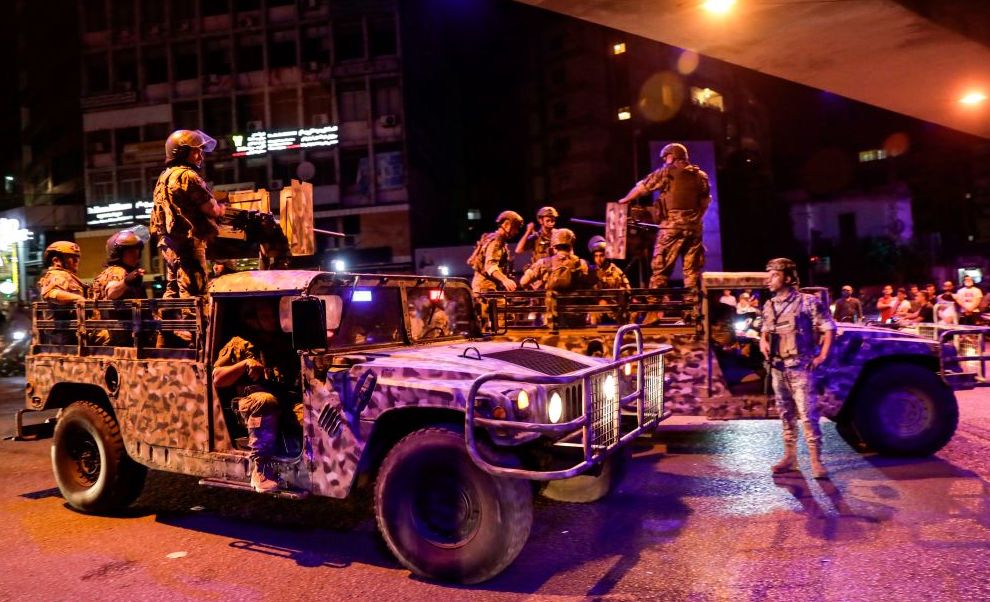
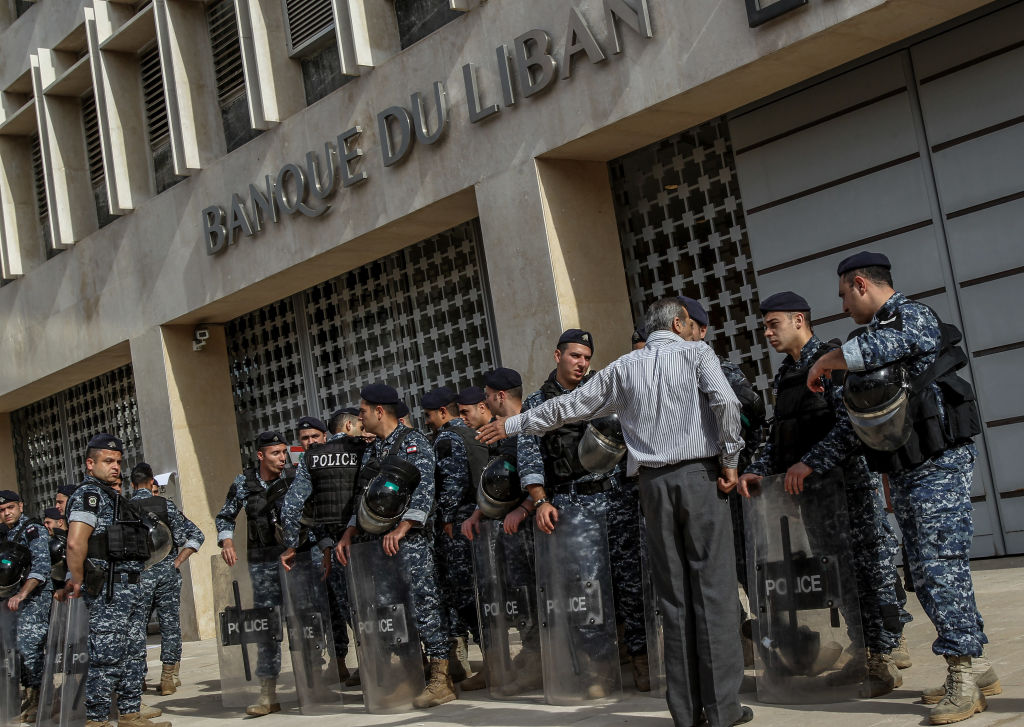
Over the past decade, the two main pillars of Lebanon’s stability have been the country’s army and its banking sector. Today one of those pillars — the banking sector — has all but fallen and Lebanon is standing on one leg: its army.
Washington needs to find a new way of dealing with Lebanon
For too long, Washington has been an accomplice of the rampant corruption in Lebanon, choosing to look the other way as it deals with officials known to be implicated in various corrupt schemes.
The US must remain engaged in Lebanon or risk Russian and Chinese gains
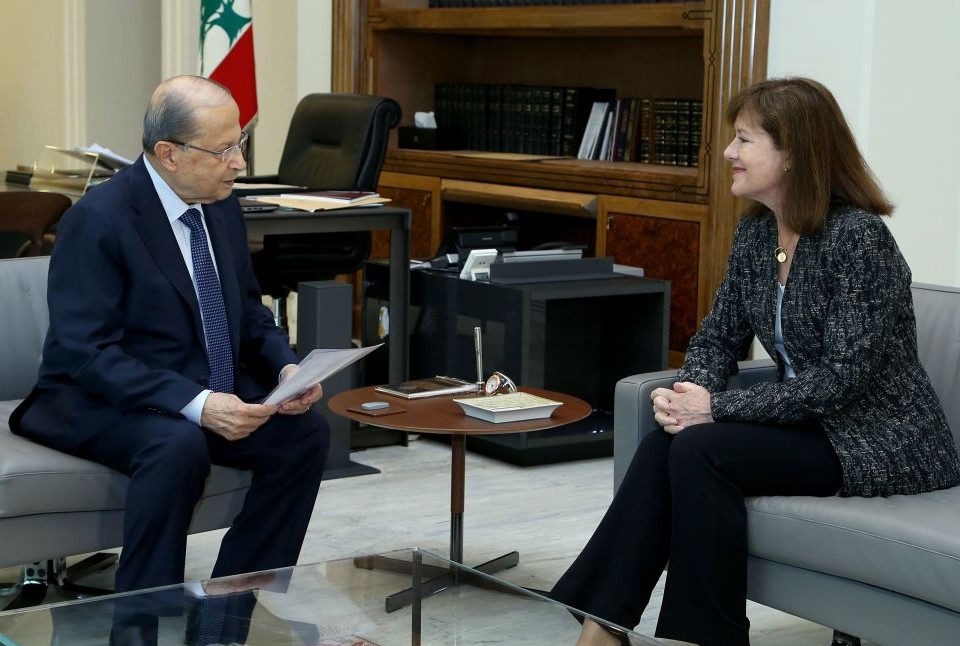
Amid an unprecedented political, economic, and financial crisis and the emergence of a new threat from the global coronavirus pandemic, Lebanon needs all the help it can get. The U.S. has long been an important source of assistance, and yet, as conversations with officials in both Beirut and Washington make clear, the argument for halting U.S. aid to Lebanon seems to be gaining ground.
The link between Lebanon’s Hezbollah and Iraqi militias
Iraq has been relatively calm in recent weeks. This could change following Mohammad Allawi’s withdrawal as prime minister-designate, but Iran’s proxies in Iraq are giving dialogue a chance before pushing ahead with what they say is revenge for the slaying of Qasem Soleimani, head of the Iranian Revolutionary Guard’s Al-Quds Force.
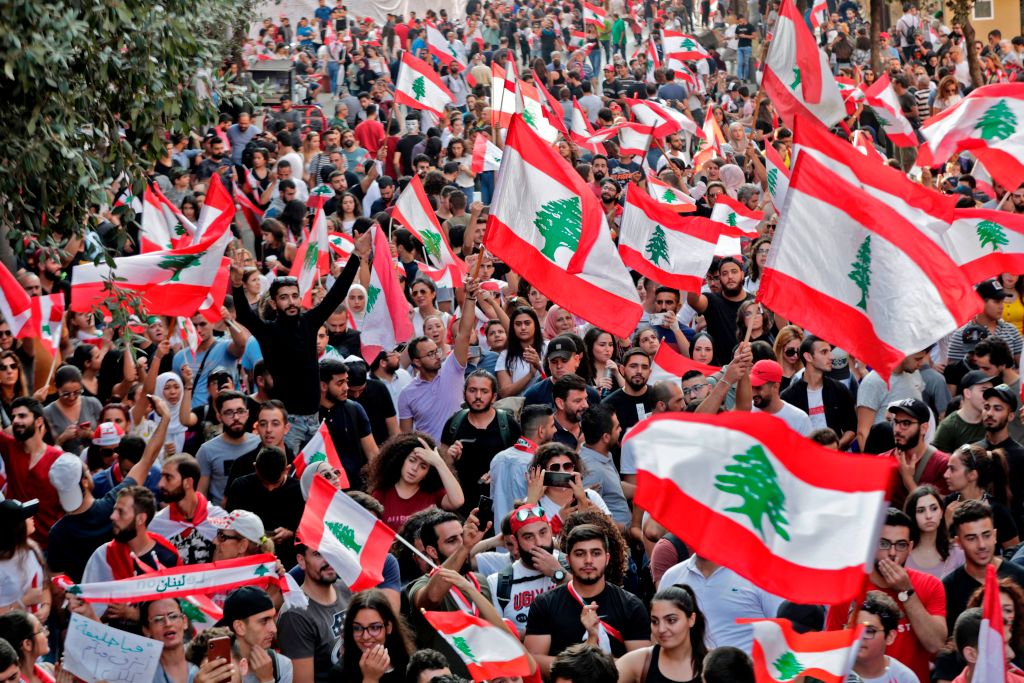
Hezbollah and Amal change tactics and ratchet up violence amid ongoing protests
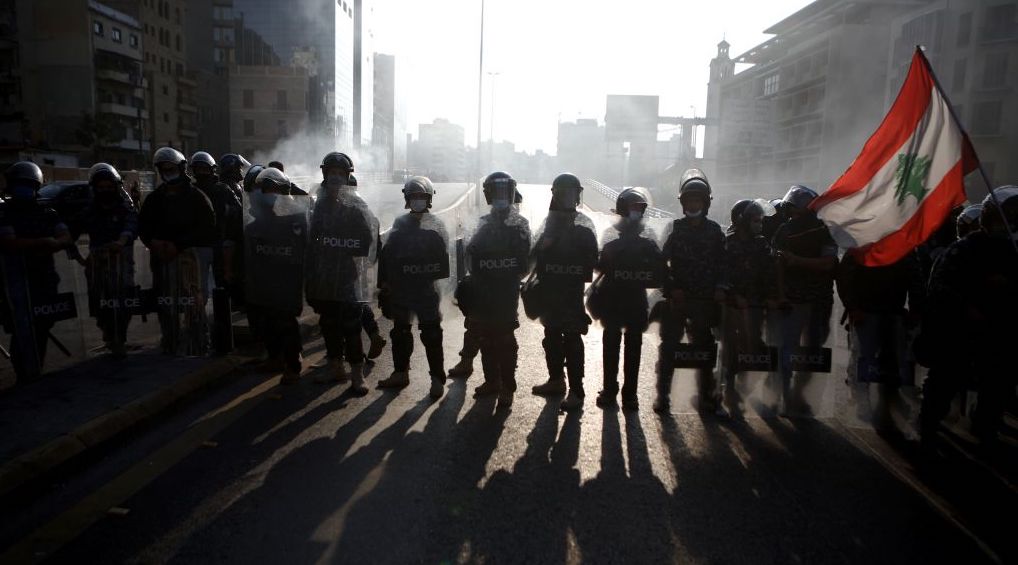
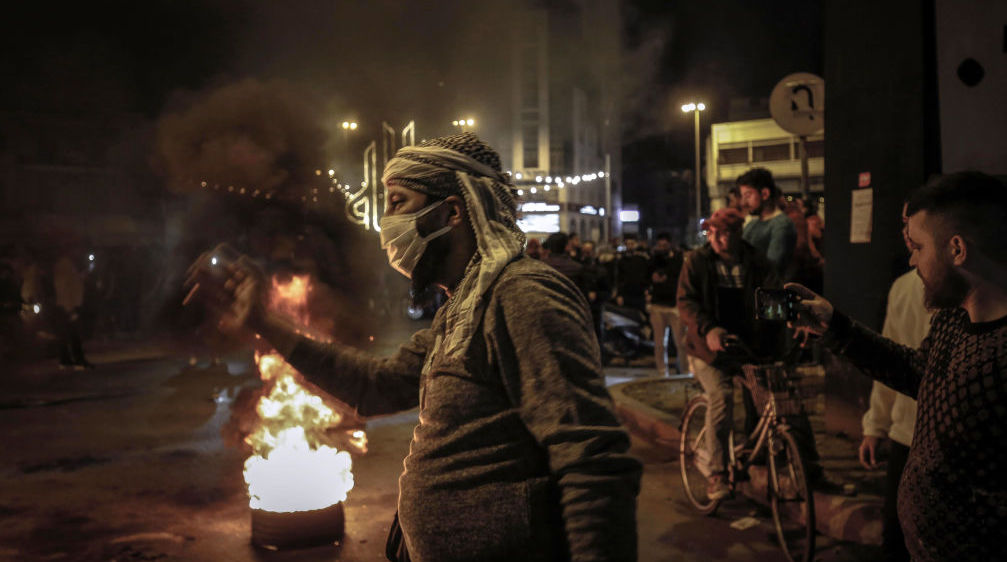
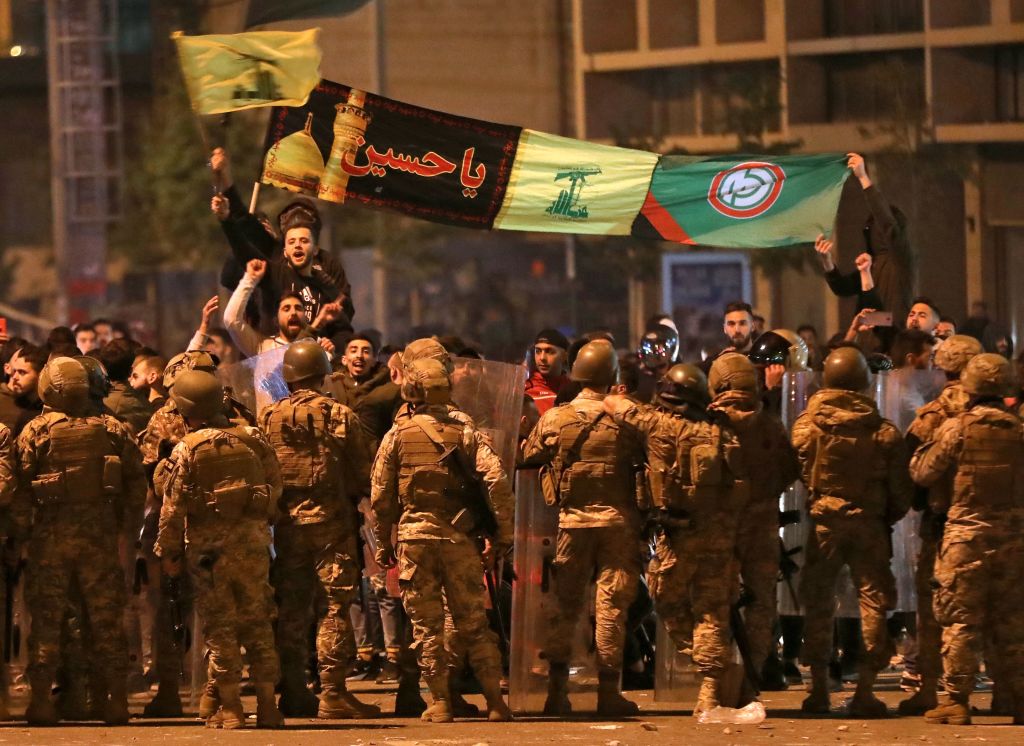
While Hezbollah has largely remained immune to criticism, owing to its widely perceived role as an effective resistance movement against Israeli aggression, the powerful Iran-backed Shi’a militia and political party is now viewed by many demonstrators as part of the corrupt and morally bankrupt political establishment that must be replaced. Against this backdrop, supporters of Hezbollah and its Shi’a ally the Amal Movement have been quick to resort to violence.
Resolving the Lebanese-Israeli border dispute: What’s in it for Washington?
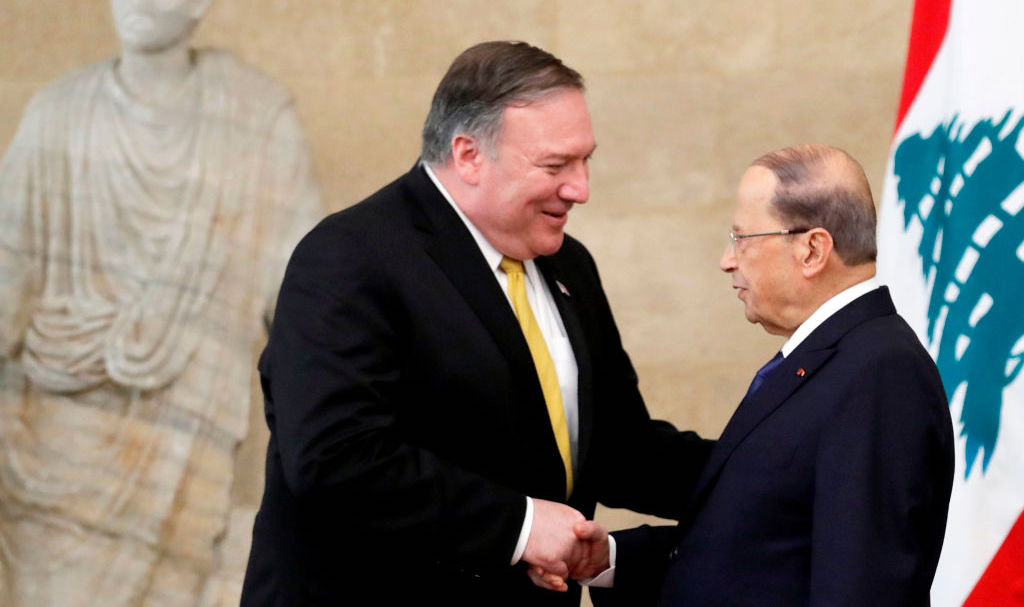
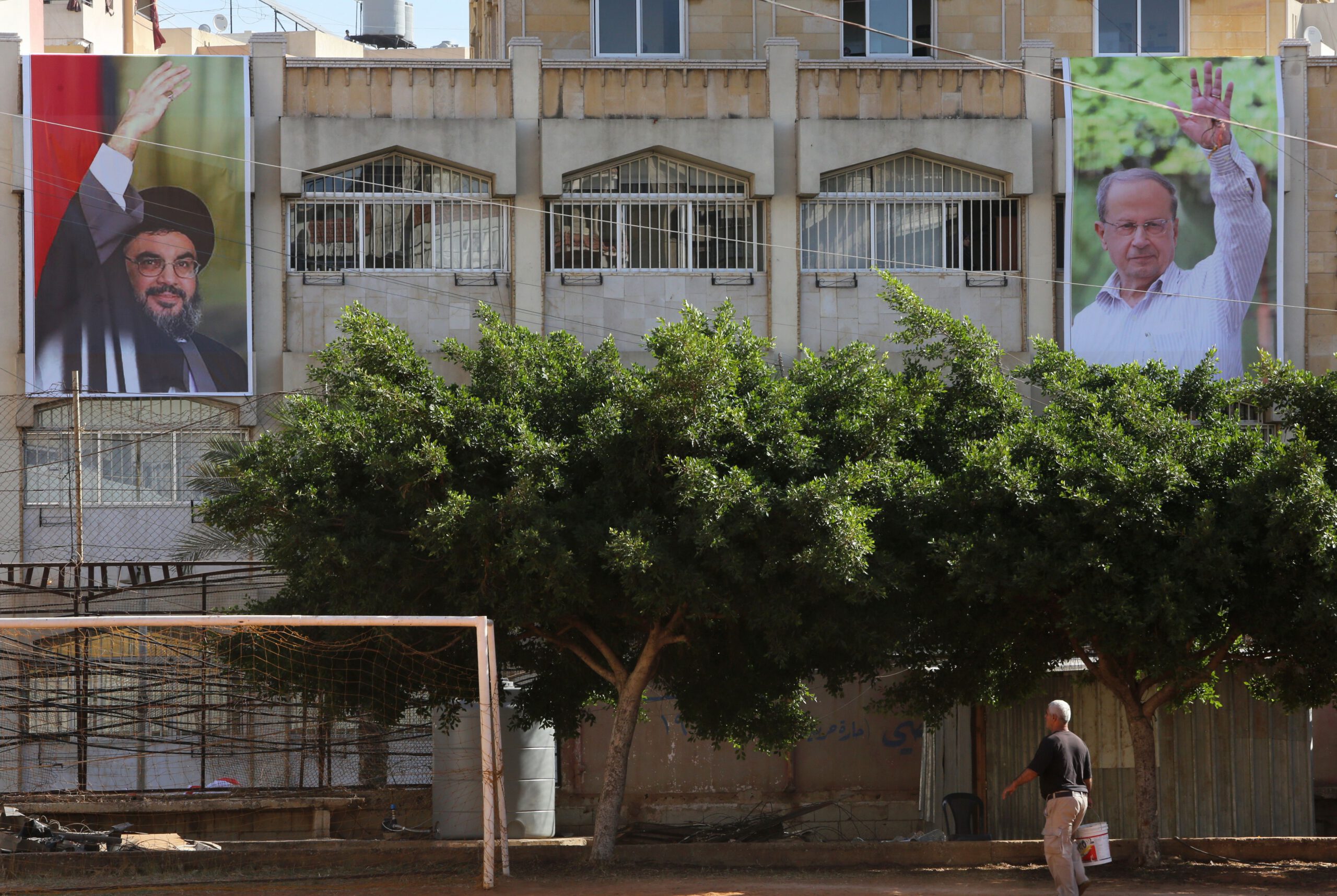
On Sept. 25, Lebanese President Michel Aoun told the UN General Assembly that Lebanon is prepared to welcome any country’s help in demarcating its land and maritime borders. He was referring to Lebanon’s decades-old border dispute with Israel, the resolution of which has become increasingly important as the country inches closer toward its first oil and gas drilling operations later this year.
Is it too late to save Lebanon from financial collapse?
Things seem to be going from bad to worse for Lebanon’s economy. On Aug. 23 Fitch downgraded its credit rating to CCC, meaning both it and Moody’s now rate the country’s bonds as junk. Ten days later, on Sept. 2, Lebanon’s top officials and bankers declared the country was in a state of economic emergency and said emergency measures would be taken.
Lebanese President Michel Aoun and Hezbollah remain at loggerheads over the formation of a new government. The dispute has now entered its eighth month and the country is slowly tiptoeing towards a financial crisis.