This individual is a guest contributor. MEI is not able to assist with contact requests.
Melissa Horvath is a Foreign Military Sales (FMS) Instructor and Curriculum Developer supporting DoD’s Security Cooperation (SC) education and training efforts. She has over 25 years of defense planning, logistics, training, and SC experience. Melissa possesses exceptional Middle East expertise, including multiple deployments, multinational exercises, and partner engagements in the region.
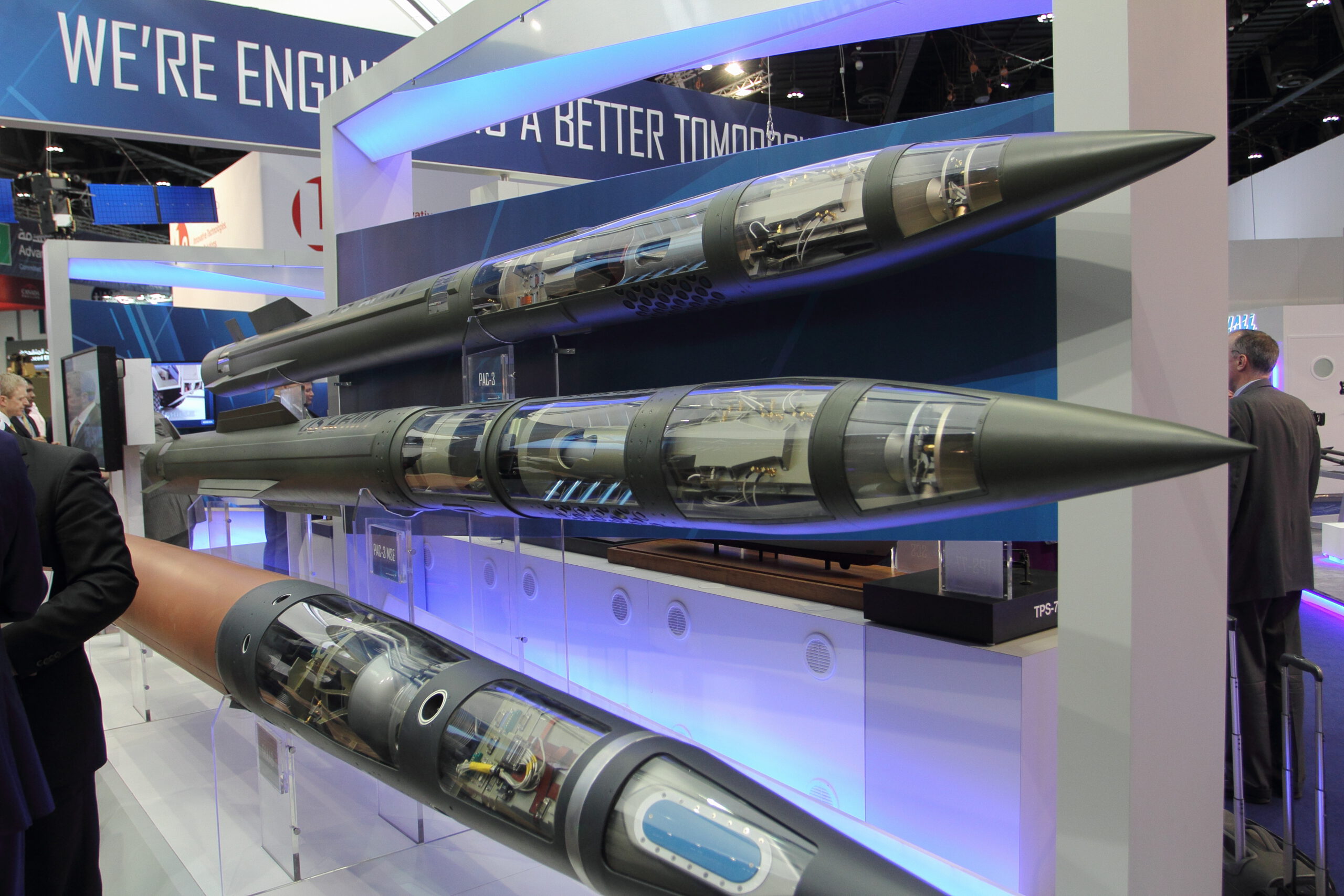
Defense Rapid Reaction: Proposed reforms to the U.S. Foreign Military Sales process
In the latest installment of the Defense Rapid Reaction series, experts from MEI’s Defense & Security Program provide their views on what reforms to the U.S. Foreign Military Sales process could or should accomplish and how an improved approach to approving foreign arms sales can strengthen U.S. relations with international partners and allies.
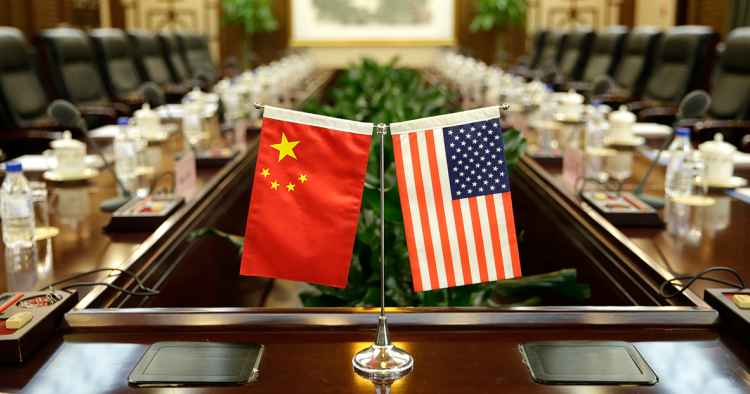
Should the US be wary of Chinese military power in the Middle East?
It is not difficult to see why US officials view China’s increasing influence in the Middle East with greater concern.
Through investments, trade, arms sales, and lately diplomacy, China has patiently built a strategic sphere of influence in the region that is only going to grow and more seriously challenge America’s regional position and interests.
But will China set off alarm bells in Washington and attempt to solidify its regional clout by establishing a permanent military presence in the region?
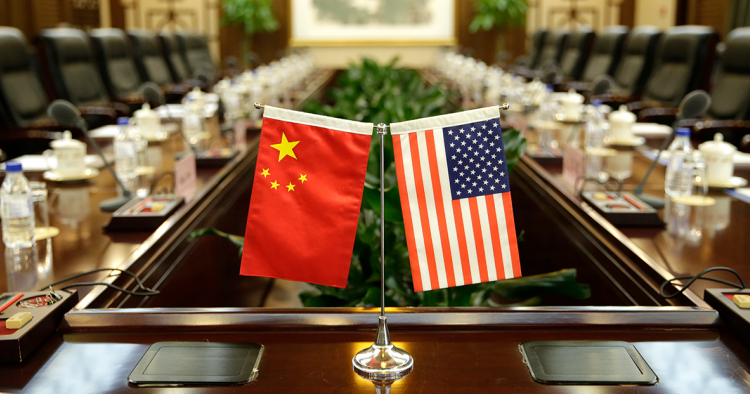
Managing US competition with China in the Middle East
US retrenchment in the Middle East was inevitable given America’s new global priorities, which centre on the Indo-Pacific and Europe. But this historic transition has brought with it strategic uncertainty and confusion, not just for Washington but also for US regional partners.
To effectively navigate this new contested environment in the Middle East, and more specifically, to address the issue of China’s encroachment into that vital part of the world, Washington needs policy clarity and shrewd management of its relations with its regional partners.
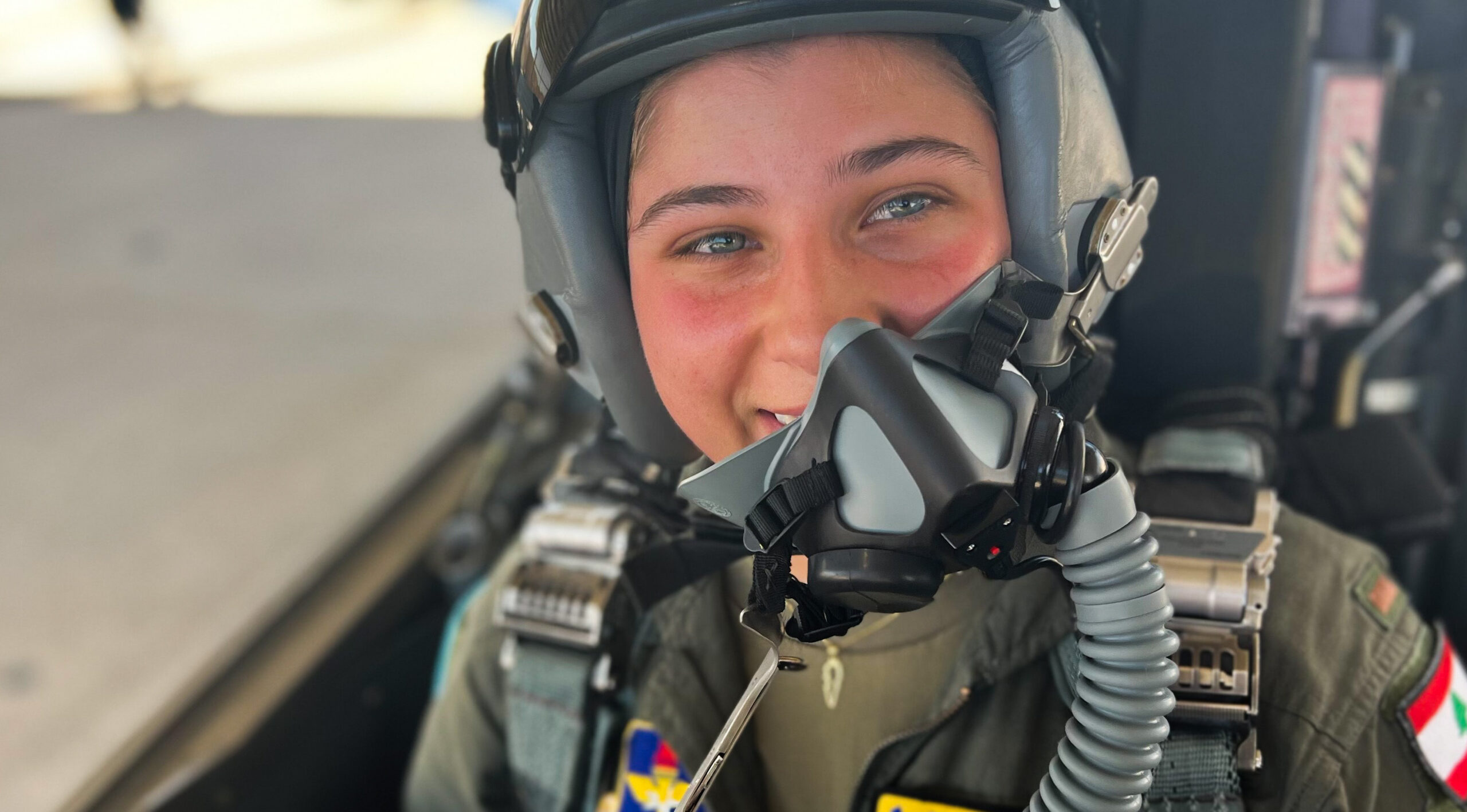
Arab women break boundaries and stereotypes in Middle Eastern militaries
As Women’s History Month in the U.S. draws to a close, women in the armed forces of several Middle Eastern countries continue to achieve historic milestones, with many now serving as pilots, engineers, peacekeepers, and in special forces units. The role of women is steadily increasing as the result of new initiatives, policies, and gradually changing mindsets in the Middle East.
Defense Rapid Reaction: The Biden administration’s new Conventional Arms Transfer policy
Last week, the Biden administration released its new Conventional Arms Transfer (CAT) policy. The new CAT policy emphasizes human rights and strategic competition with China. In the latest installment of the Defense Rapid Reaction series, experts from MEI’s Defense & Security Program provide their views on what the new CAT policy means and how the historical tension between human rights and national security might play out in U.S. policy toward the Middle East.
Juniper Oak 2023 reinforces US commitment to Middle East, sets standard for future regional exercises
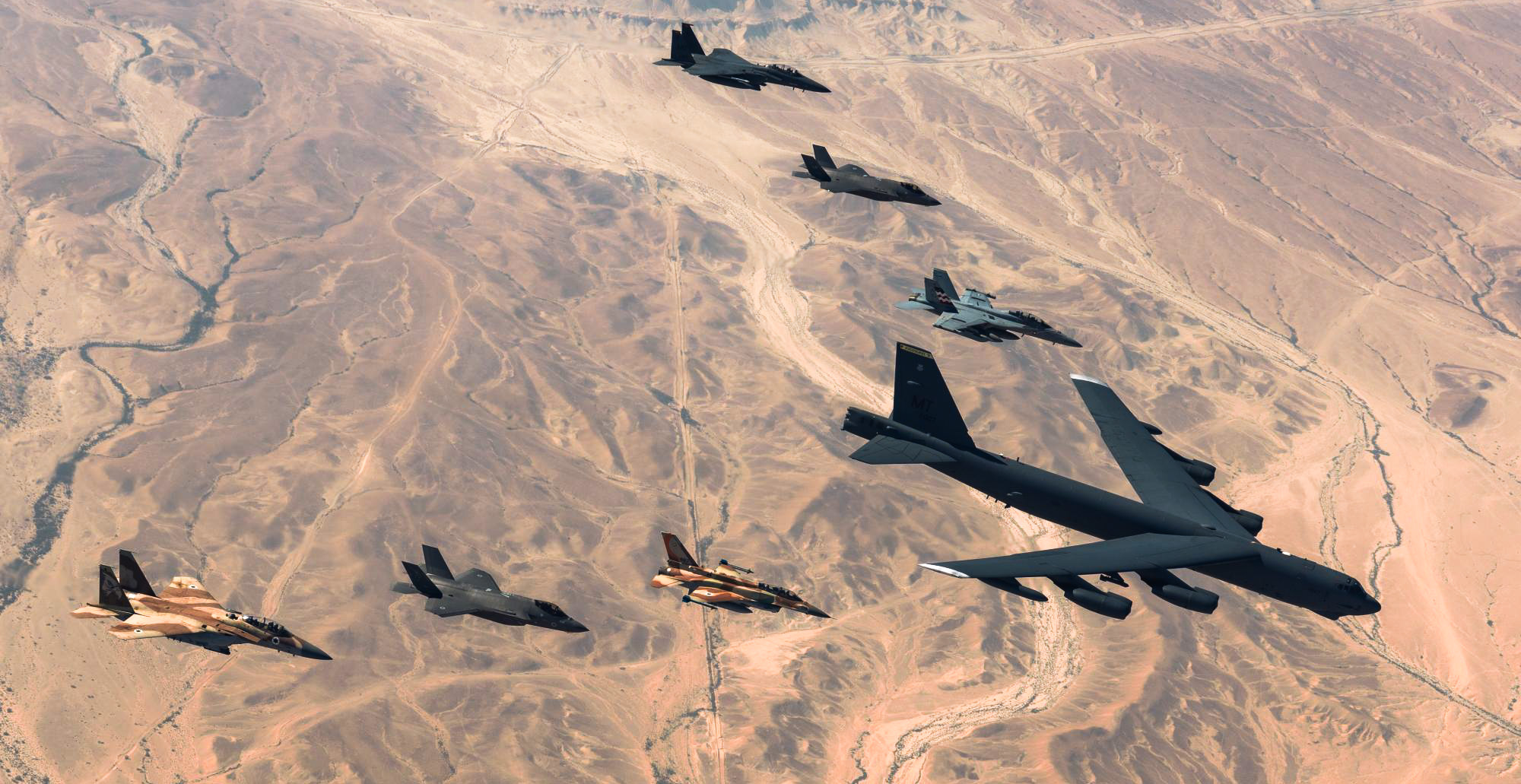
This week, the United States Central Command (CENTCOM) concluded what it called on social media, “the largest ever U.S.-Israel combined exercise.” The drills reasserted U.S. support for partnerships, deterrence, and integration, despite posture reductions and continued concern among partners about Washington’s commitment to the Middle East.
Is Red Sands the future of Middle East defense cooperation?
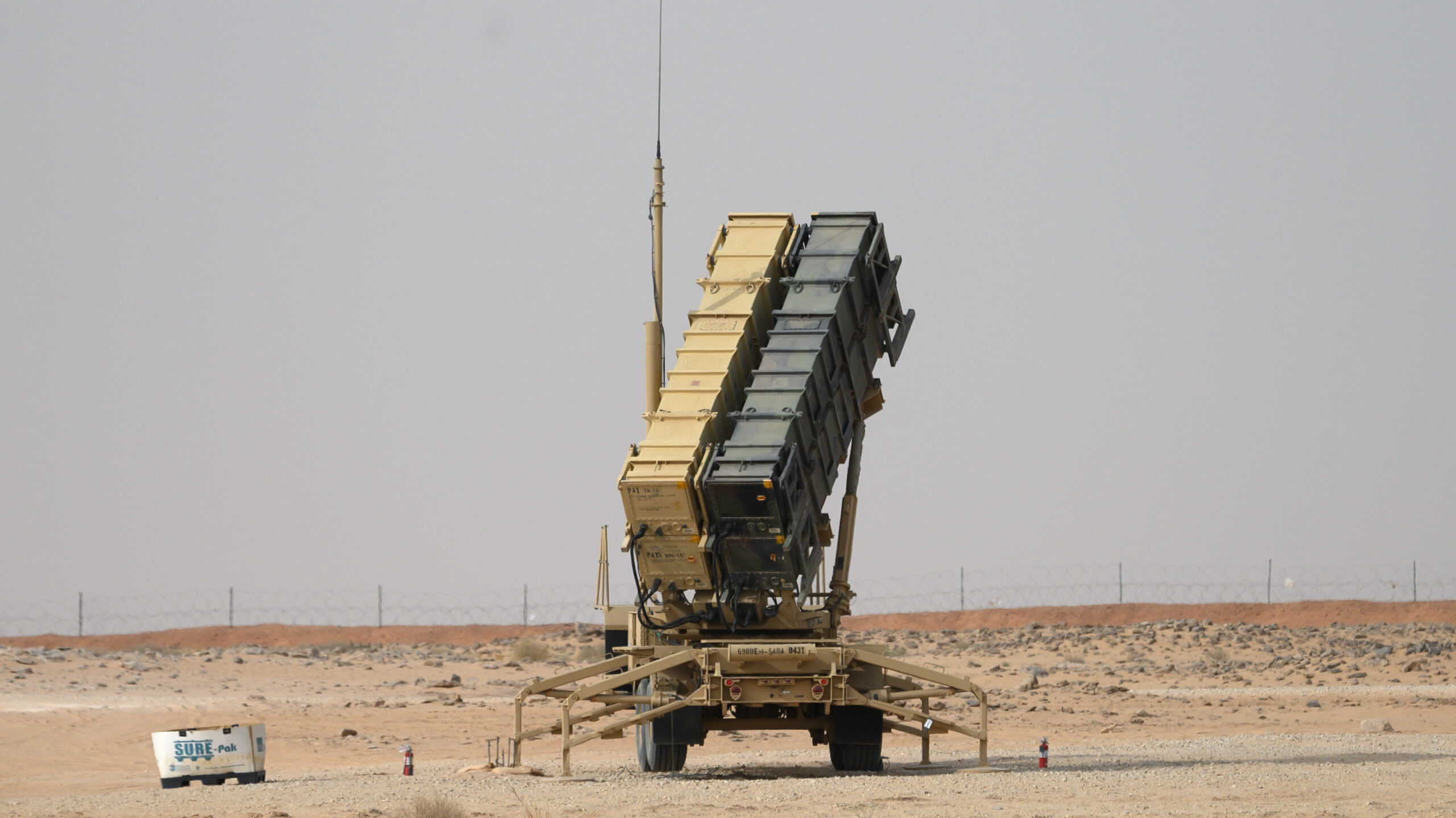
Drawing comparisons to the U.S. Army’s White Sands Missile Range in New Mexico, the Red Sands Integrated Experimentation Center will increase US-Saudi cooperation to counter two of the greatest threats emanating from Iran and its proxies — drone and missile attacks.
Could Ukraine Offer a Template for Better US-Gulf Security Relations?
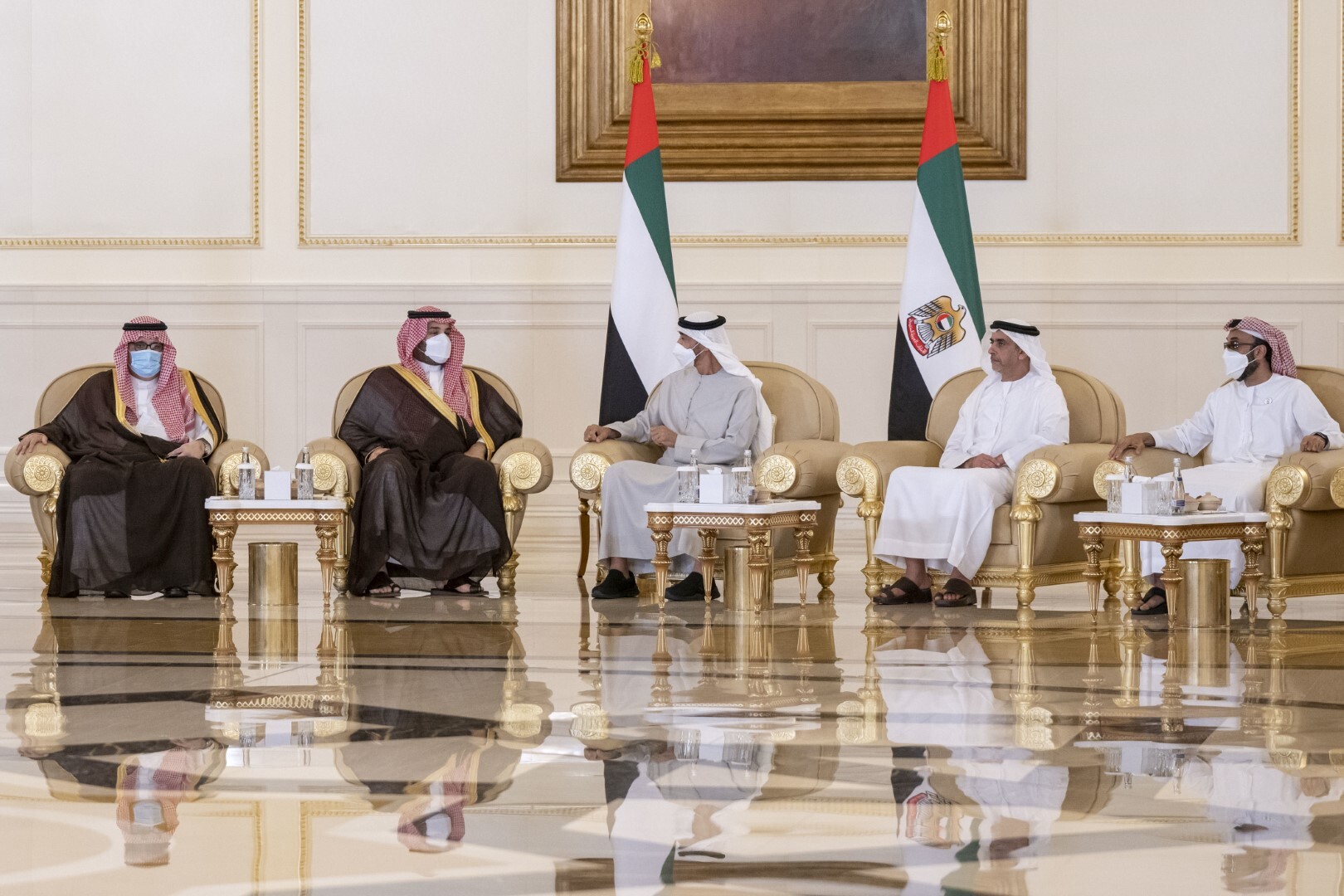
Relations between Washington and some of its traditional Gulf Arab partners, particularly Saudi Arabia and the United Arab Emirates, are at their lowest point in history, which is why the Biden administration on Monday sent a high-level delegation to Abu Dhabi: specifically to pay respects upon the death of former UAE President Sheikh Khalifa bin Zayed Al Nahyan and to congratulate his successor, Mohamed bin Zayed, but more generally to try to heal those ties.
Integrating logistics and engineering into Middle East deterrence
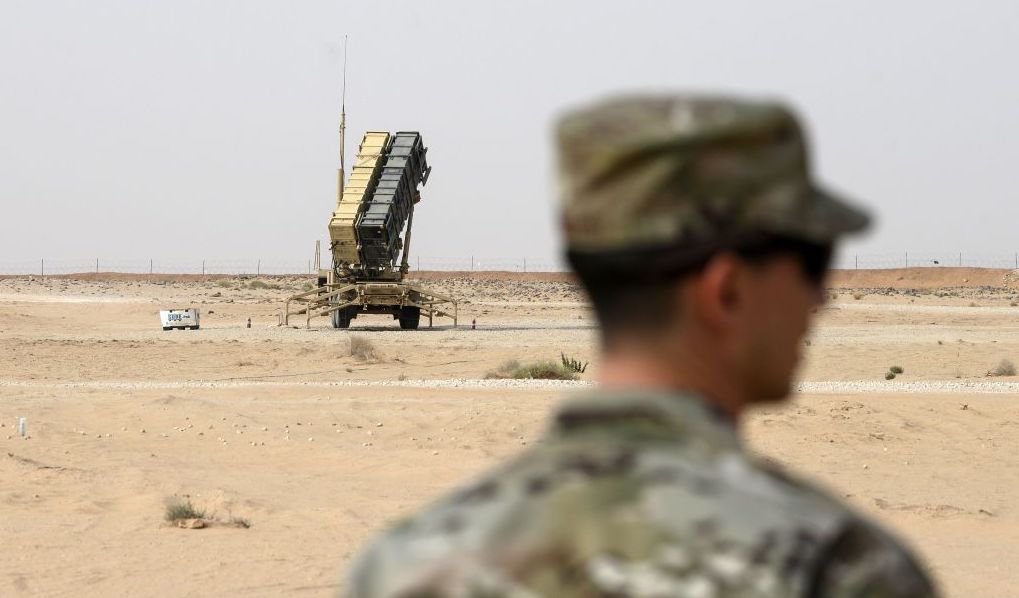
As the Pentagon funnels more military assets and capabilities into the U.S. Indo-Pacific Command theater, U.S. commanders in the Middle East must now adjust their strategy using an economy of force approach. They need to achieve security and deterrence outcomes by proverbially “doing more with less,” including considering new and creative approaches to achieving results for regional deterrence, such as integrating theater logistics and engineering capabilities more prominently into the deterrence campaign.