Skip to Content

Michaël Tanchum

Associate Fellow

Press inquiries: [email protected]

Michaël Tanchum

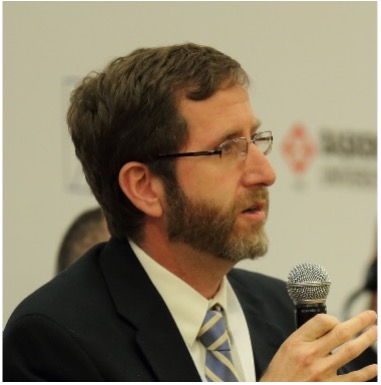
Prof. Michaël Tanchum teaches international relations and political economy of the Middle East and North Africa at Universidad de Navarra, Spain. He is also senior fellow at the Austrian Institute for European and Security Policy (AIES).  

Prof. Tanchum researches newly emerging patterns in Middle East and North African commercial connectivity.  With a special emphasis on the ‘gatekeeper’ nations of Morocco, Algeria, and Egypt, he analyzes the nexus of energy, strategic resources, and manufacturing value chains that connect the Middle East with Africa and Europe. Examining the partnerships of the North African nations with the European Union, China, Russia, Turkey, and the Arab Gulf states in the development of Euro-Africa and Euro-Middle East corridors, Prof. Tanchum assesses the strategic implications of the new connectivity on the evolving security architectures of the Mediterranean basin, North Africa/Sahel, the Horn of Africa, and the wider Middle East. 

His recent publications include: “Turkey’s Maghreb-West Africa Economic Architecture: Opportunities And Challenges” (Berlin – Stiftung Wissenschaft und Politik, 2021); “Europe–Africa Connectivity Outlook 2021: Post-Covid-19 Challenges and Strategic Opportunities” (Rome – Istituto Affari Internazionale, 2021); “Greece’s Rise as a Trans-Mediterranean Power: Greece’s Eastern Mediterranean strategic shift to Europe-to-Africa and Europe-to-Middle East connectivity” (Athens – ELIAMEP, 2021); “Libya, Energy, and the Mediterranean’s New ‘Great Game’” (Madrid – Real Instituto Elcano, 2020).  

He is a regular contributor to Foreign Policy magazine on Middle Eastern and Mediterranean affairs.  His articles have also appeared in The New York Times, Foreign Affairs, and various policy journals. 

Prof. Tanchum holds a Ph.D. from Harvard University and was a Fellow at Harvard’s Olin Institute for Strategic Studies and its Weatherhead Center for International Affairs. He is also an affiliated scholar at the Centre for Strategic Policy Implementation (Başkent-SAM) at Başkent University, Ankara and the Truman Research Institute for the Advancement of Peace at the Hebrew University.
The Latest from Michaël Tanchum

Filter by
31 Results
Turkey Competes with Israel and India to be a Major MENA Weapons Supplier
  • Commentary
  • Turkey Competes with Israel and India to be a Major MENA Weapons Supplier

    With record-breaking arms exports globally, Turkey’s growing market share in the Arab monarchies holds the potential to greatly expand Ankara’s role as a security provider across the Middle East and North Africa.  At the same time, Turkey faces growing competition from Israel and India, which have significantly expanded their own weapons sales to the Arab monarchies, notably the UAE and Morocco.

    Mapping MENA’s Renewable Energy Supply Chains: The Emergence of Green Energy Ecosystems in the Middle East and North Africa
    Photo by Leonhard Simon/Getty Images
  • Analysis
  • Mapping MENA’s Renewable Energy Supply Chains: The Emergence of Green Energy Ecosystems in the Middle East and North Africa

    The Middle East and North Africa has the potential to become the world’s largest renewable energy-producing region. Compared to the immense scale of its resources, renewable energy is virtually untapped at present. This study maps the emerging regional trends in renewable energy development and MENA renewable energy supply chains across North Africa, the Arabian Peninsula, and the Levant. The most successful MENA nations in developing their renewable energy resources to date are doing so through the establishment of green energy ecosystems, in which the development of utility-scale renewable energy infrastructure is coordinated with that of robust offtake markets and the establishment of commercially viable storage and transportation mechanisms to service them.

    Renewable Energy and Morocco’s New Green Industries Can Expand Women and Youth Employment through Sustainable Development
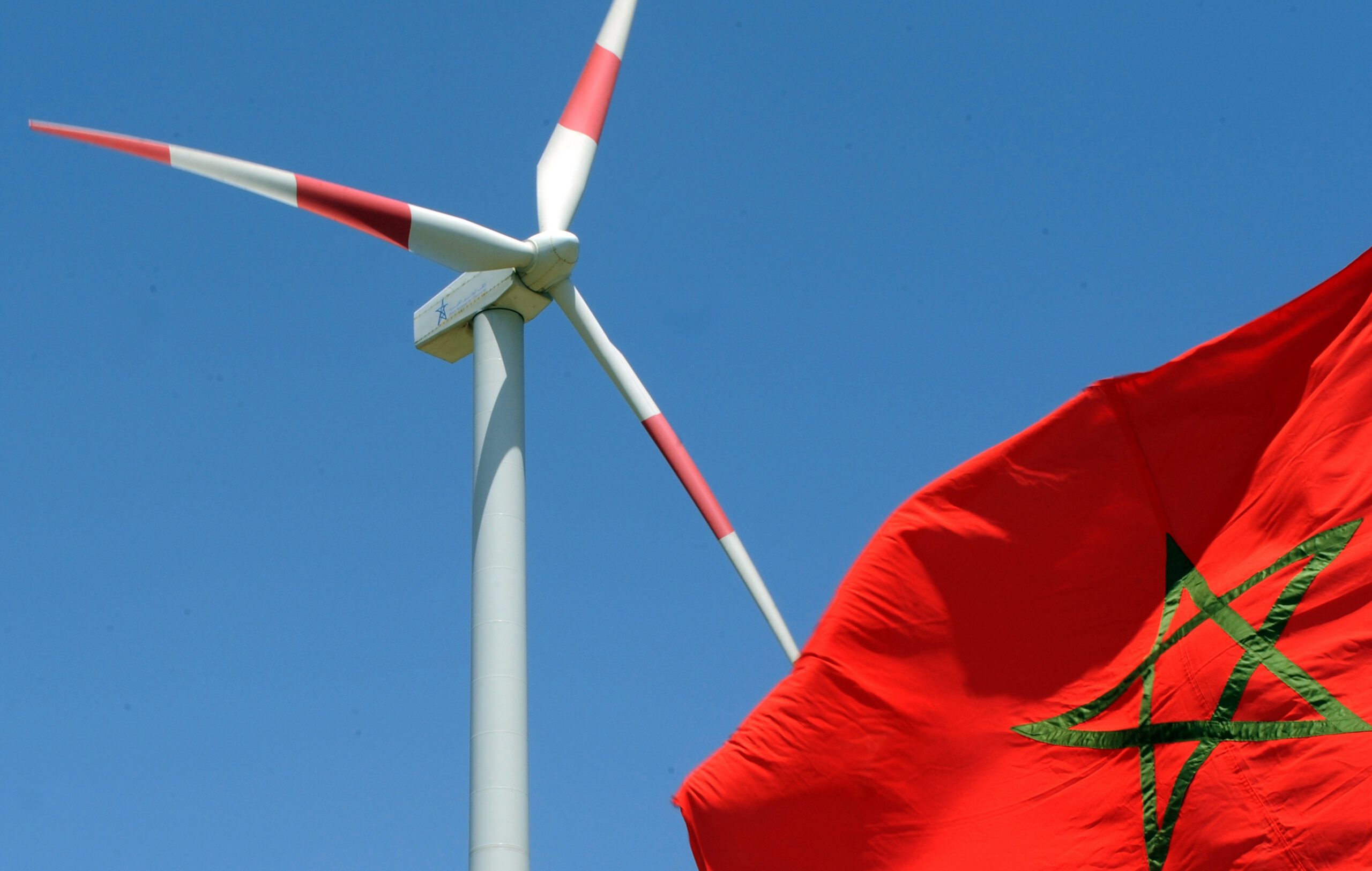
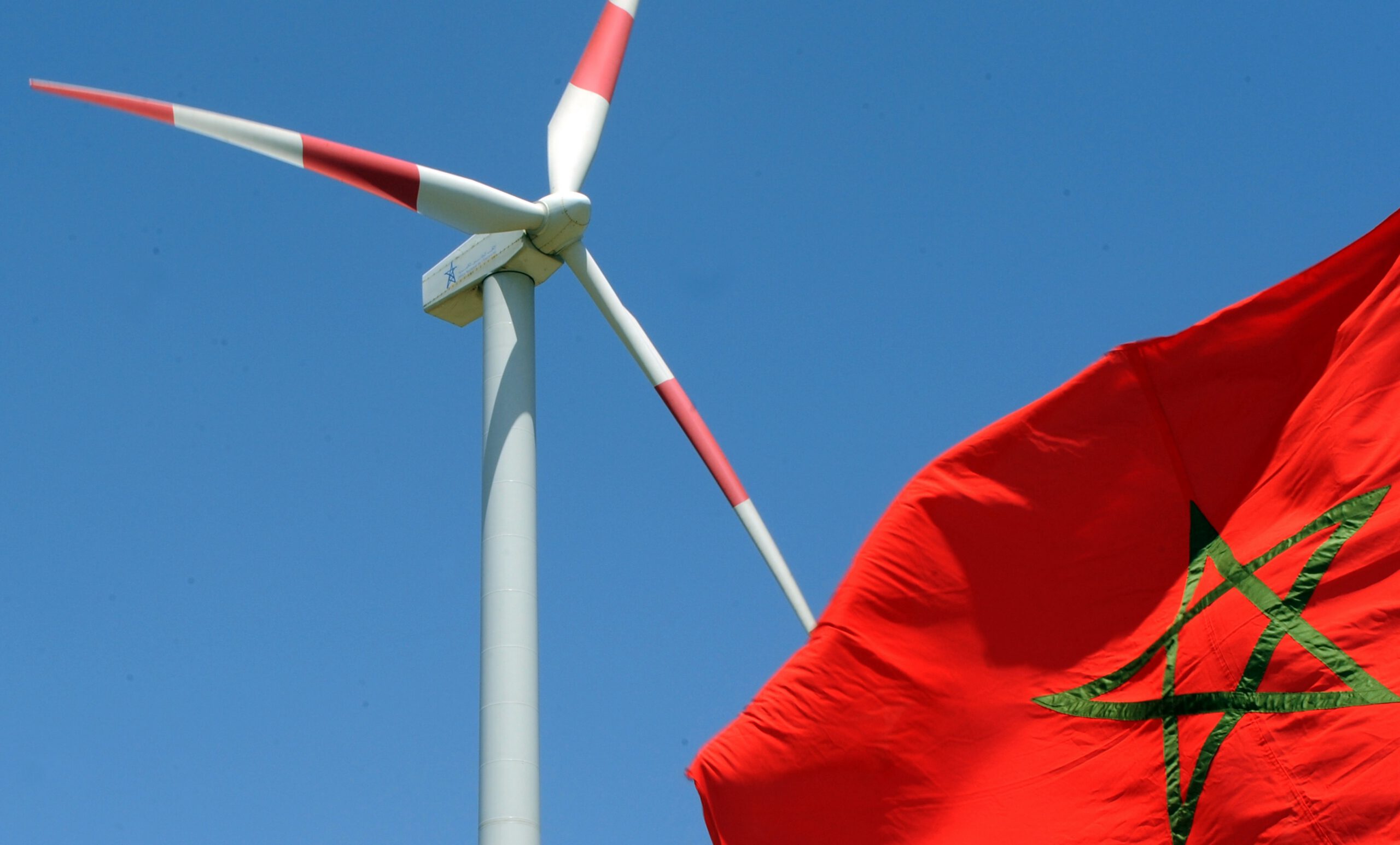
    A Moroccan flag flies next to a wind turbine on June 28, 2010, at a wind farm near Tangiers shortly after its inauguration by Moroccan King Mohammed VI. Photo by ABDELHAK SENNA/AFP via Getty Images.
  • Analysis
  • Renewable Energy and Morocco’s New Green Industries Can Expand Women and Youth Employment through Sustainable Development

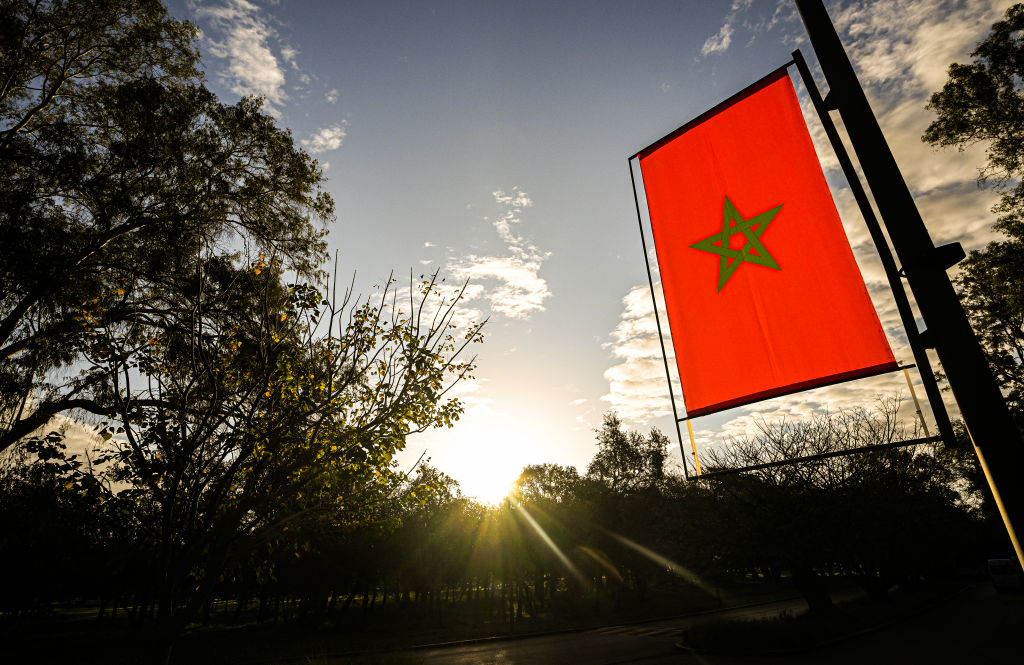
    Morocco is a regional leader in renewable energy development. The country’s success stems from its multi-faceted green energy ecosystem that is giving rise to international renewable energy export supply chains based on production of green hydrogen, in the form of green am-monia, as well as phosphates, other minerals and metals, fertilizers, agri-food products, and electric vehicles. As rising green industrial manufacturing and green agricultural production are becoming drivers of long-term, private sector employment, a synergy is emerging between Mo-rocco’s efforts to expand its already significant renewable energy sector and its objective of in-creasing the number of women and young people engaged in formal employment.

    MENA’s Emergence as a Hub for Renewable Energy Supply Chains
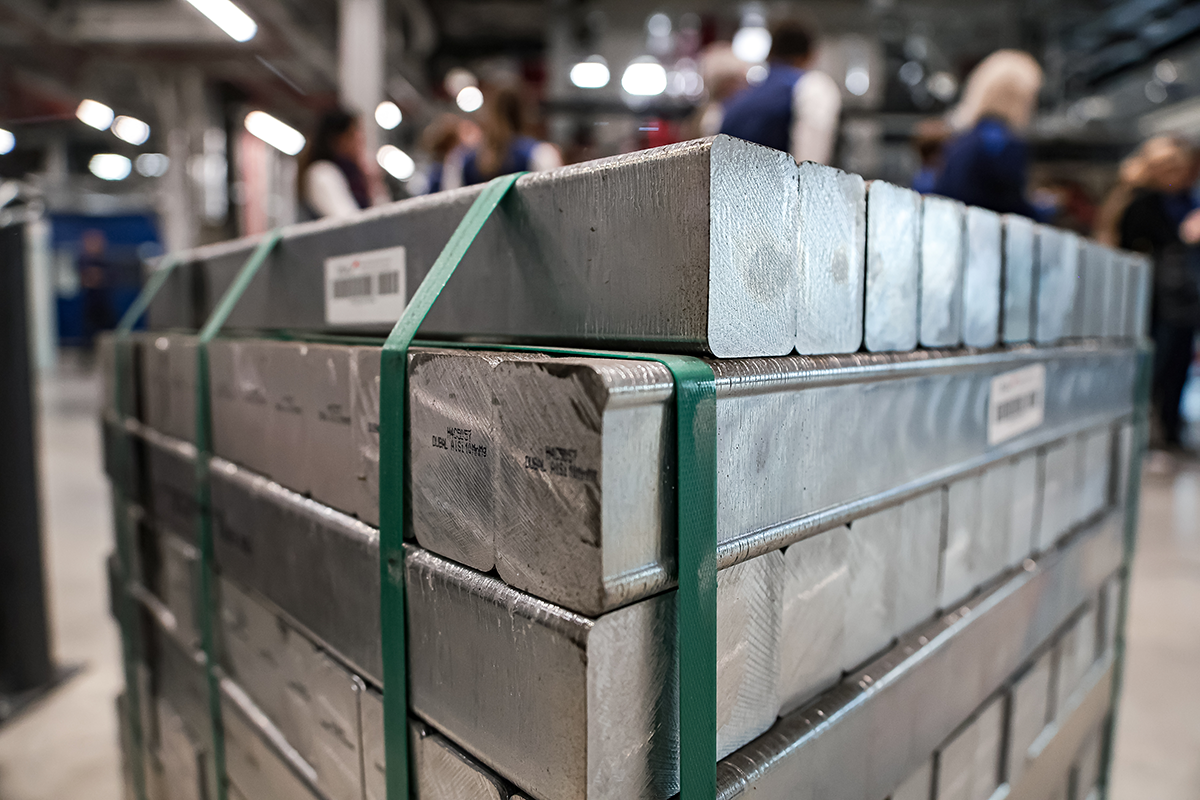
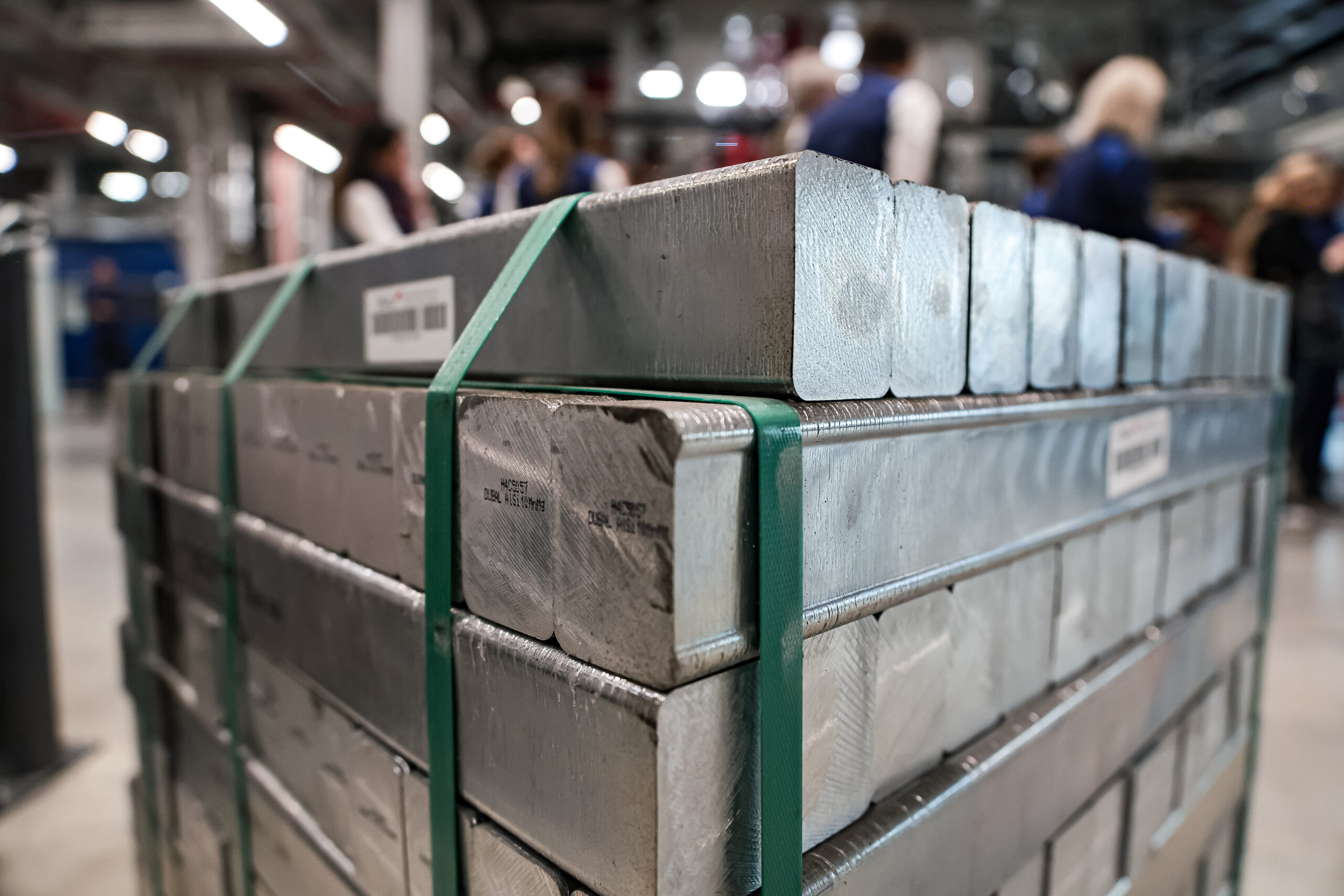
    Main photo: Aluminium from Dubai produced using solar energy at the opening of a new electric car motor housing production line at the BMW Landshut factory on October 25, 2024 in Ergolding, Germany. Photo by Leonhard Simon/Getty Images.
  • Analysis
  • MENA’s Emergence as a Hub for Renewable Energy Supply Chains

    Within the next 25 years, the Middle East and North Africa will be a global leader in renewable energy production and a hub for international renewable energy supply chains. Morocco, the UAE, and Jordan are spearheading the regional trend to develop green energy ecosystems in which renewable energy is used, in part or entirely, to power the manufacture of intermediate and finished goods for export.

    Renewable Energy and Morocco’s New Green Industries: How Morocco’s Green Energy Ecosystem Can Expand Women and Youth Employment Through Sustainable Development
    Photo by ABDELHAK SENNA/AFP via Getty Images.
  • Analysis
  • Renewable Energy and Morocco’s New Green Industries: How Morocco’s Green Energy Ecosystem Can Expand Women and Youth Employment Through Sustainable Development

    A leader in renewable energy in the Middle East and North Africa, Morocco is developing a dynamic green energy ecosystem that is beginning to incorporate renewable power into major sectors of its economy. Moving forward, renewable energy and the green energy ecosystem hold significant potential to drive the creation of employment opportunities for its growing population. Indeed, the expansion of green industrial manufacturing and agricultural production in Morocco could become the engine of sustainable human development more broadly. This case study explores current and planned efforts to expand the kingdom’s renewable energy sector and green energy ecosystem, assessing the opportunities and challenges in using these new green industries as a driver of long-term employment, particularly among women, youth, and rural populations.

    Africa-to-Europe value chains: How nearshoring can mitigate Europe’s migration crisis and aid energy transition
  • Commentary
  • Africa-to-Europe value chains: How nearshoring can mitigate Europe’s migration crisis and aid energy transition

    Africa-to-Europe value chains in manufacturing and agri-food production can mitigate factors driving current migration patterns by employing Africans in local value-added production and boosting African GDP growth, reorienting Africa-Europe relations towards mutual economic benefit and dignity.

    Georgia Can End Russia’s Stranglehold Over its Wheat Supply with NATO Assistance
  • Commentary
  • Georgia Can End Russia’s Stranglehold Over its Wheat Supply with NATO Assistance

    Georgia’s near total reliance on imported Russian wheat forms an extremely dangerous vulnerability that compromises both its food security and sovereignty. Fifteen years after the 2008 Russia-Georgia war, Tbilisi finds itself depending on Russia for over 90 percent of its wheat supply amidst a growing global shortage. In 2022, NATO reiterated its commitment to Georgia, pledging to help build Georgia’s resilience and uphold its political independence.

    Why North Africa is a natural choice for Brics expansion
  • Commentary
  • Why North Africa is a natural choice for Brics expansion

    In a move of unprecedented geopolitical consequence, the Brics grouping of nations has made the landmark decision to expand beyond its five founding members. Announced on Thursday at the conclusion of the Brics summit in Johannesburg, host South Africa along with Brazil, Russia, India and China invited six nations to join the bloc – Egypt, Ethiopia, Iran, Saudi Arabia, the UAE and Argentina.

    The Niger Coup and Turkey’s Military Industrial Complex in Africa
  • Commentary
  • The Niger Coup and Turkey’s Military Industrial Complex in Africa

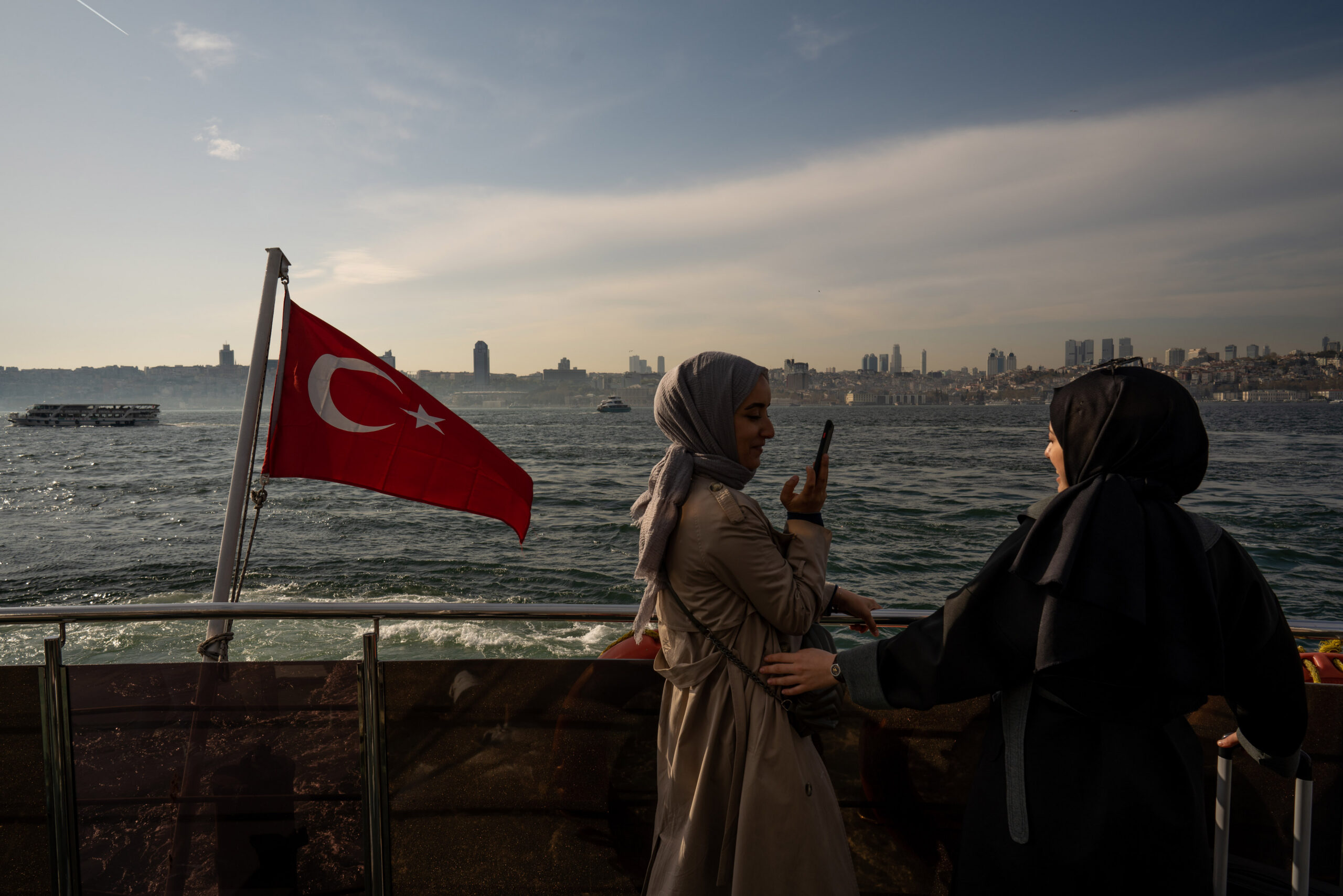
    The recent military coup in Niger marks the point of no return for the unraveling of France’s dominant economic and military influence across West Africa. Turkey is the foreign actor that stands to benefit most, with the potential to emerge as a leading strategic partner for the nations of the region. Turkey’s engagement with West Africa is a unique, dual approach that blends military and economic engagement while deftly intertwining humanitarian aid and cultural outreach.

    It is Niger's food crisis that requires international intervention
  • Commentary
  • It is Niger's food crisis that requires international intervention

    Niger’s new junta may be days away from facing an intervention force from its neighbours, as the Economic Community of West African States, or Ecowas, backed by France and other western nations, seeks to restore Niger’s ousted President, Mohamed Bazoum.

    The Russia-Ukraine war forces Egypt to face the need to feed itself: Infrastructure, international partnerships, and agritech can provide the solutions
    Photo by Mahmoud Elkhwas/NurPhoto via Getty Images
  • Analysis
  • The Russia-Ukraine war forces Egypt to face the need to feed itself: Infrastructure, international partnerships, and agritech can provide the solutions

    After 500 days of coping with the debilitating impact of Russia’s invasion of Ukraine, Egypt’s economy is faltering. At the core of the crisis is its fragile food security. Now, the Egyptian economy is fast approaching a tipping point and Cairo has no alternative but to boost its domestic agrifood production. In addition to building out its infrastructure, Egypt must also adopt cutting-edge agritech solutions to improve the water-use efficiency of the crops themselves.

    Turkey's role after the Black Sea grain deal collapse has become even more critical
  • Commentary
  • Turkey's role after the Black Sea grain deal collapse has become even more critical

    During the 500 days since Russia’s invasion of Ukraine, the Middle East avoided a catastrophic food crisis, thanks in part to the Black Sea grain initiative. Russia’s decision to cancel that agreement is raising fears that the return of supply shortages and skyrocketing wheat prices could quickly plunge the most vulnerable countries of the region into crisis.

    Climate Change Threatens Turkey’s Role as a Food Supplier to Europe and the Middle East
  • Commentary
  • Climate Change Threatens Turkey’s Role as a Food Supplier to Europe and the Middle East

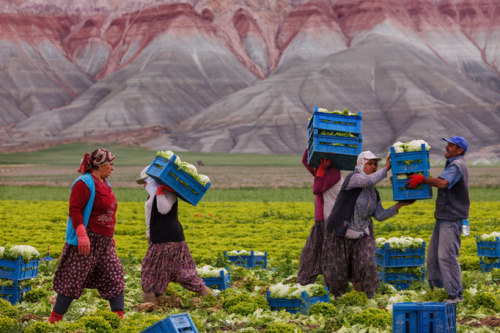
    The persistence of high food inflation in Turkey belies a deeper problem. Turkish agrifood production cannot adequately cope with increasing water scarcity due to climate change. Challenging Turkey’s own food security, the growing crisis also threatens Turkey’s role as a food supplier to Europe and the Middle East. Regional food supply chain breakdowns due to a decline in Turkish production would create a debilitating economic impact on both regions.

    The Food-Energy Nexus and Italy–Morocco Cooperation
  • Commentary
  • The Food-Energy Nexus and Italy–Morocco Cooperation

    The unwinding of global food production chains due to the combined shocks of Covid-19 and the war on Ukraine, made worse by the impact of climate change on the food-water-energy nexus, will require the six nations of the western Mediterranean – Morocco, Algeria, Tunisia, Spain, France and Italy – to develop new forms of economic cooperation. An Italy–Morocco partnership on green energy food production can be a model for resilient food production chains.