This individual is a guest contributor. MEI is not able to assist with contact requests.
Mohammed Baharoon is the Director General of the Dubai Public Policy Research Center (b’huth), established in 2002 in Dubai, UAE.
He pursued a career in media as a reporter for “Al Arabi” Magazine and Al Ittihad newspaper, and then as an editor for Gulf Defence Magazine before starting as director of research at b’huth and focusing on the interplay between geostrategy and policy making in governance, stability, capacity building and future proofing.
Mohammed has also worked as the deputy director of Watani, the UAE’s first initiative on national identity, and is also a founding member of the board of the Bussola Institute, a think tank in Brussels that focuses on the changing and emerging aspects of partnership between the EU and the GCC member states.
Mohammed Baharoon has a Master’s degree in English Literature from Texas Tech University in 1995 and an English Major from Kuwait University in 1987.
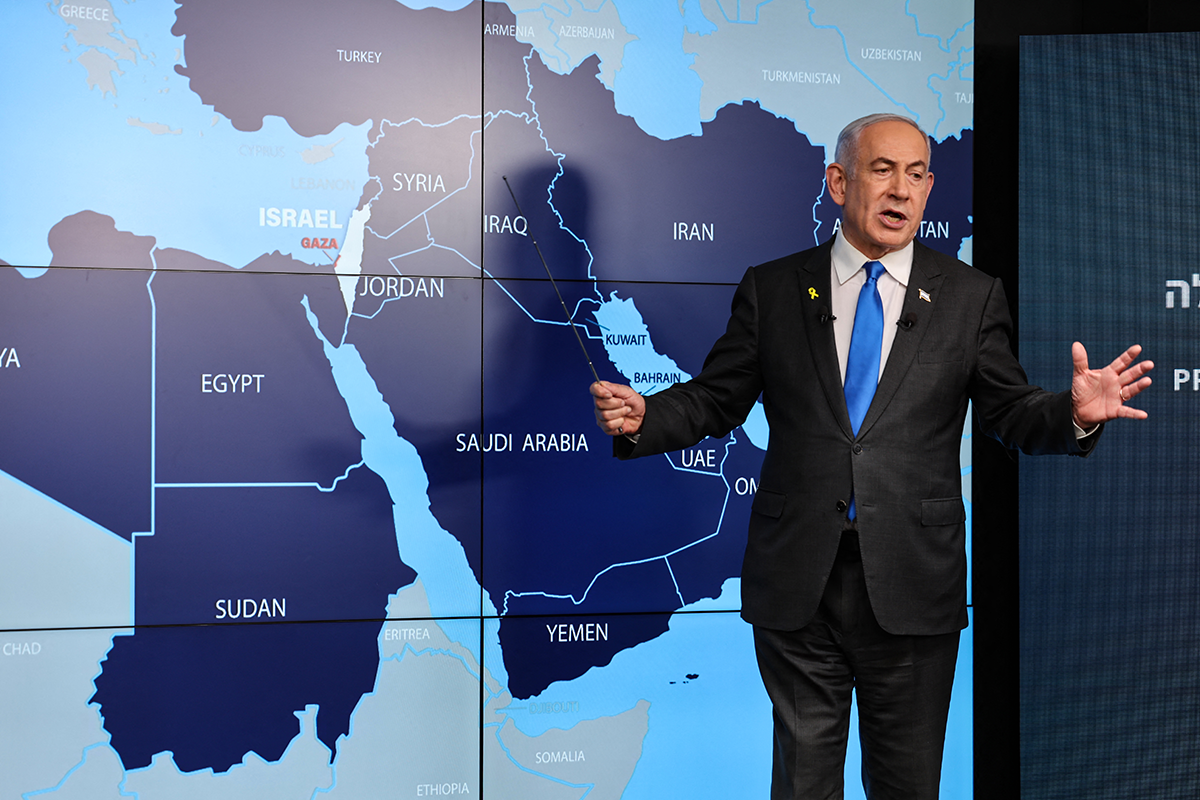
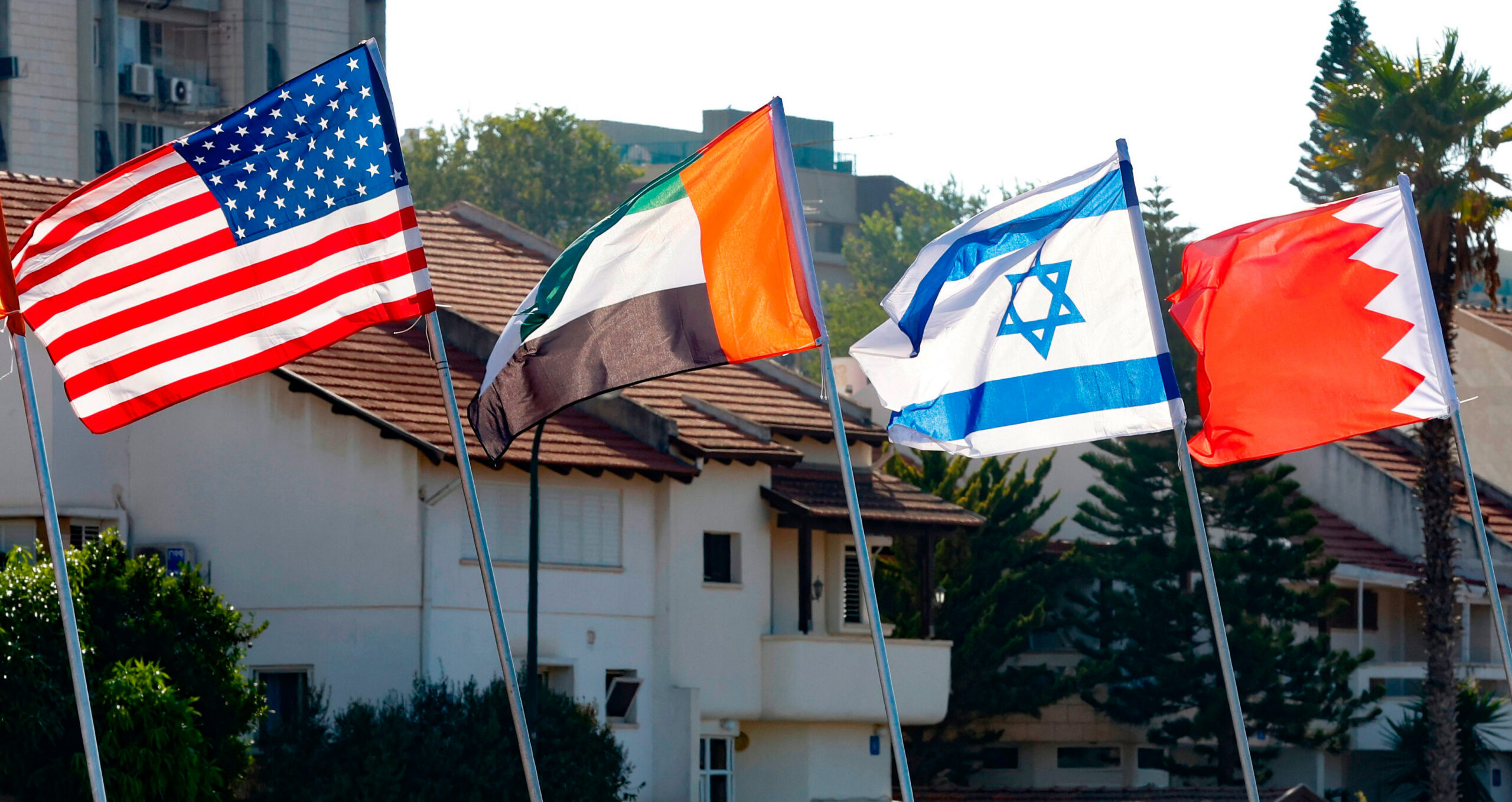
As the Trump administration pushes to expand the Abraham Accords in the Middle East and into the Caucasus and Central Asia, it overlooks a dramatic shift in perception across the Arab and Muslim world. Where once Israel might have been viewed as David battling a Goliath-like Arab world, today the roles appear reversed. Israel, empowered by unchecked military might and unwavering US support, is increasingly seen not just as a regional power but as a US-backed regional hegemon. For Gulf Arab states, this transformation presents a dilemma: Can a Goliath be a partner in peace?
Iran and the GCC connectivity agenda: Implication for Washington’s Iran policy
The prevailing political spirit in the Gulf region is presently one of de-escalation. In the case of the UAE and Iran, a number of existing connections could help hasten the process of de-escalation and enable it to happen faster than anywhere else in the region.The outcome should be of interest not only to the UAE and Iran but also to the U.S. given the latter’s long-standing efforts to shape Iranian policies.
Both historical and modern-day conflicts in the Middle East have all been centered around classical territorial considerations of the loss or recovery of land. Escaping that cycle required a shift away from one of the main root causes of conflict: geography. The current changes in the region, characterized by a significant drive toward de-escalation and a growing willingness to periodically part ways with traditional allies, may be telling symptoms of a profound tectonic shift toward “quantum politics.”
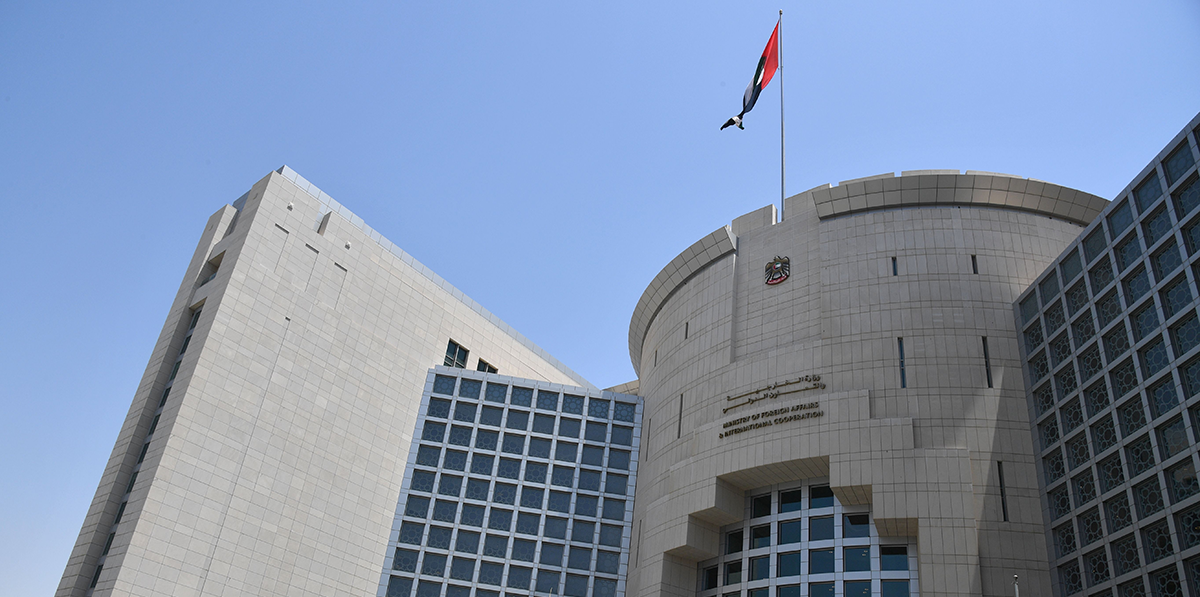
Some observers have been perplexed by perceived changes in the UAE’s foreign policy on a number of fronts. These supposed changes, however, are more consistent than they may first appear and certainly do not reflect the wider strategic direction of the UAE. These policy moves can be better understood through three “keys” that explain the UAE’s strategic map and its international engagement.
The China-Iran deal and the reinvention of the Iranian revolution
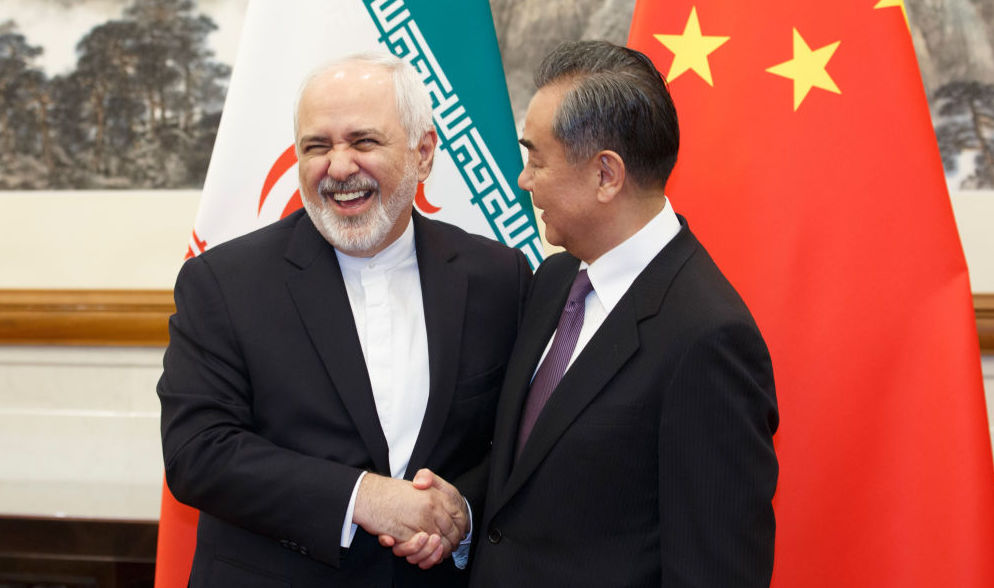
The announcement of the Comprehensive Strategic Partnership (CSP), a 25 year-long economic and development agreement between China and Iran, has immediately added to the intensifying discourse concerning US-China Geostrategic Competition. Nonetheless, a closer look at its implications suggests that it may be useful in achieving some U.S. goals with Iran: particularly regime modernization.