This individual is a guest contributor. MEI is not able to assist with contact requests.
Nadine Khalil is an independent arts writer, researcher, curator and content specialist. After a decade-long stint in art publishing, she is currently advising art institutions such as the Ishara Art Foundation, Goethe and the NYUAD Arts Center in editorial strategy and content development. She is former editor of Dubai-based contemporary art magazine, Canvas (2017-2020) and Beirut-based magazines A mag and Bespoke (2010-2016). Her writing can be found in Art Review, Ocula, Brooklyn Rail, Goethe’s Art and Thought journal and the Women’s Review of Books. She has authored a series of artist monographs (Paroles d’Artistes) on Lebanese artists Samir Sayegh, Hanibal Srouji and the late filmmaker Jocelyne Saab curated for film festivals such as MidEast Cut and the Arab Independent Film Festival.
The digital space has not only enabled claims to online avatars or alter-egos, it has also ushered in new forms of digital ownership. The explosion of the online marketplace is changing the ways in which art is created, perceived, and owned. If post-internet art propelled artworks into immateriality, Cryptoart, which uses blockchain technology, is creating a new generation of art collectors. Sales of Cryptoart have leaped from over $416,000 in June 2020 to $616 million in the past year, based on data from cryptoart.io.
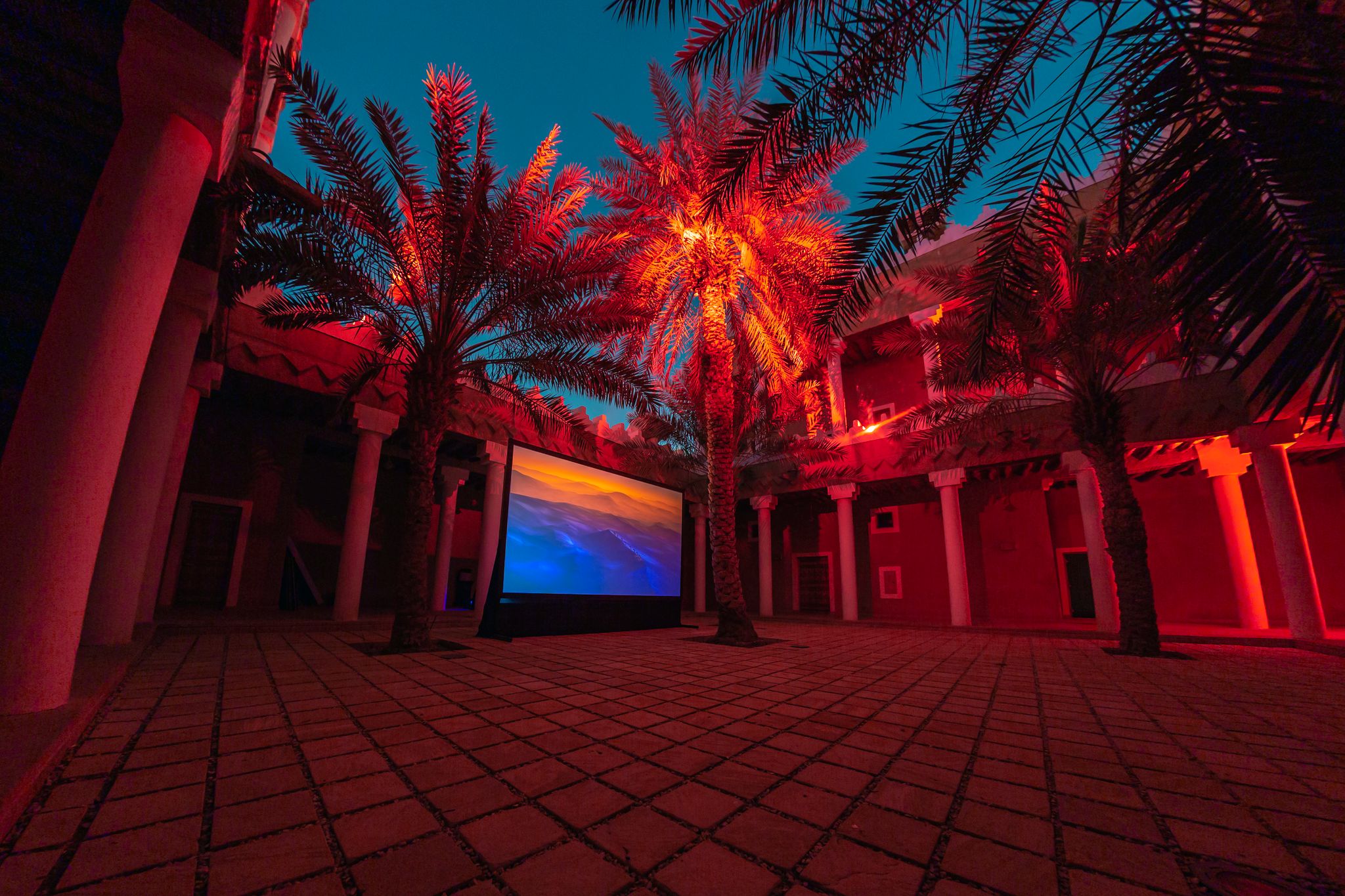
The rapidly growing state-supported arts infrastructure in Saudi Arabia tends to overshadow the lesser-known history of independent artist-led initiatives. The pioneering modernist Mohammed Alsaleem, for example, is known for establishing Dar Al Funoon Al Sa’udiyyah (The Saudi Art House) in Riyadh in 1979, the first space where artists could gather, work, mentor each other, and stage exhibitions at a time when there were no art schools or galleries. The Kingdom has gone through various stages in its cultural development from the 1960’s oil boom, a time of artistic productivity and government scholarships to study art abroad, to the tumultuous late 1970s of Islamic militancy and religious conservatism until the 2000s. “The 1960s was a time when art flourished in the Kingdom. In Riyadh, exhibitions by modernist painters were held in football clubs in order to engage the public,” says Raneem Farsi, an expert in Saudi Arabian contemporary art, of a time that has influenced her curatorial narrative. Along with Susan Davidson, former senior curator at the Guggenheim Museum, she is co-curator of the exhibition Light Upon Light: Light Art since the 1960s, which runs until June 12.
In 2020, the 14th edition of Art Dubai went completely online due to the coronavirus outbreak, with programming focused on performance art and healing curated by Marina Fokidis, a live broadcast of the Global Art Forum, and a digital catalogue. “We didn’t have a model to follow,” Pablo del Val, Art Dubai’s Artistic Director explained. “The online viewing rooms came later and the art industry has shifted to make these platforms meaningful. The future was unknown so we worked blindly.”