Will Kuwait’s new parliament resolve its political impasse?
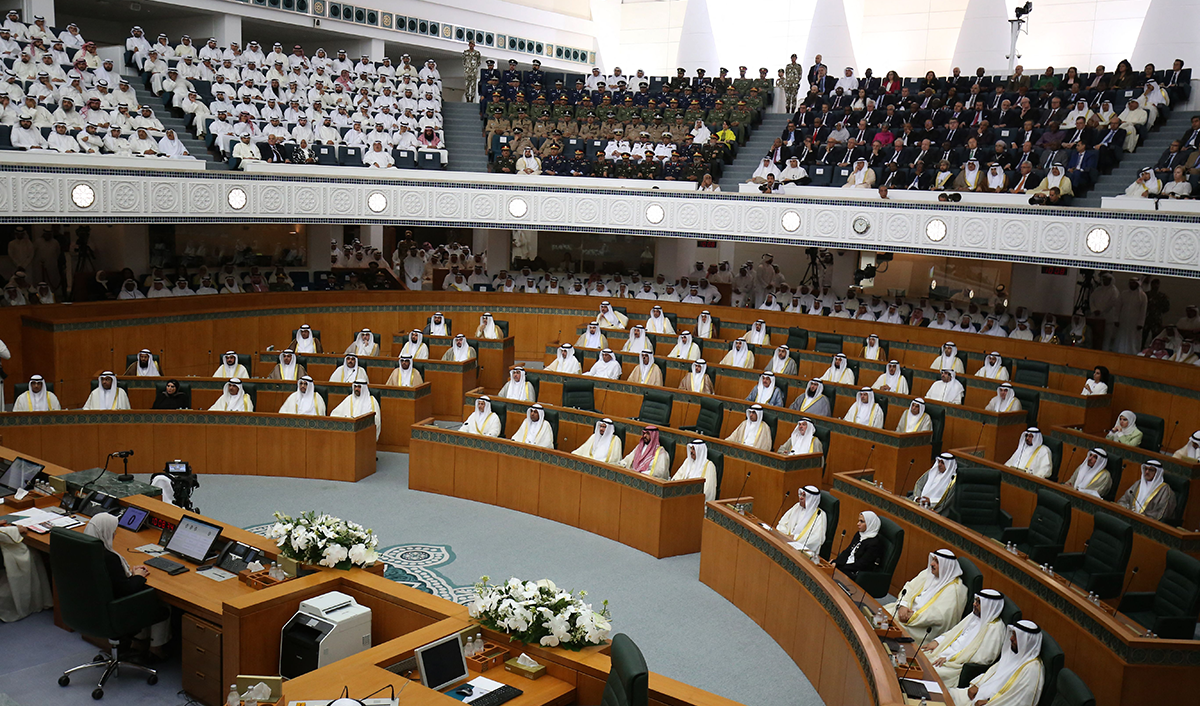
Kuwait’s Sept. 29 parliamentary elections were supposed to bring change to the gridlock and governmental churn that had plagued the country in recent years. Kuwaitis initially appeared optimistic about the results, calling on the amir to appoint a strong government to work with the National Assembly. Questions remain, however, as to how well the government and the majority opposition parliament will be able to cooperate to implement the necessary reforms.
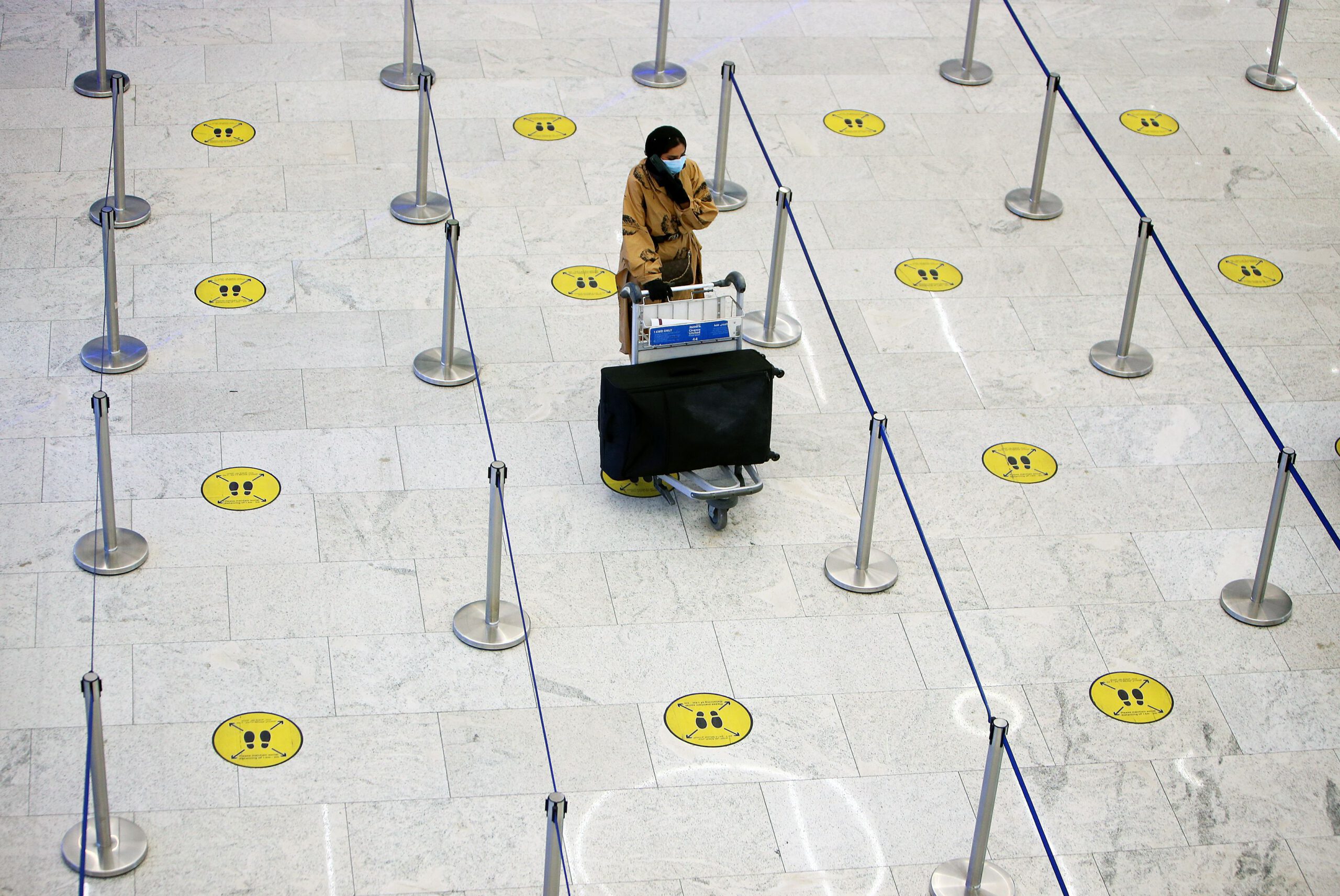
The 2020 COVID-19 pandemic has made Kuwait less welcoming for the 70% of the country’s population and the overwhelming majority of its private sector work force that are expatriates. While Kuwait’s actions and economic pressure might have a short term impact, more permanent, substantial changes to its demographics will only come if the country also changes incentives to encourage Kuwaitis to work in the private sector.
So far, Saudi Arabia’s push for OPEC+ restraint appears to be working. If projections of a gradual demand recovery in 2020 are accurate, the Saudis should be able to reaffirm their centrality as market stabilizers.
When OPEC+ ministers hold their next monthly meetings on July 14-15, the Saudis are likely to be a strong voice pushing for the continuation of production limits, for both economic and political reasons.