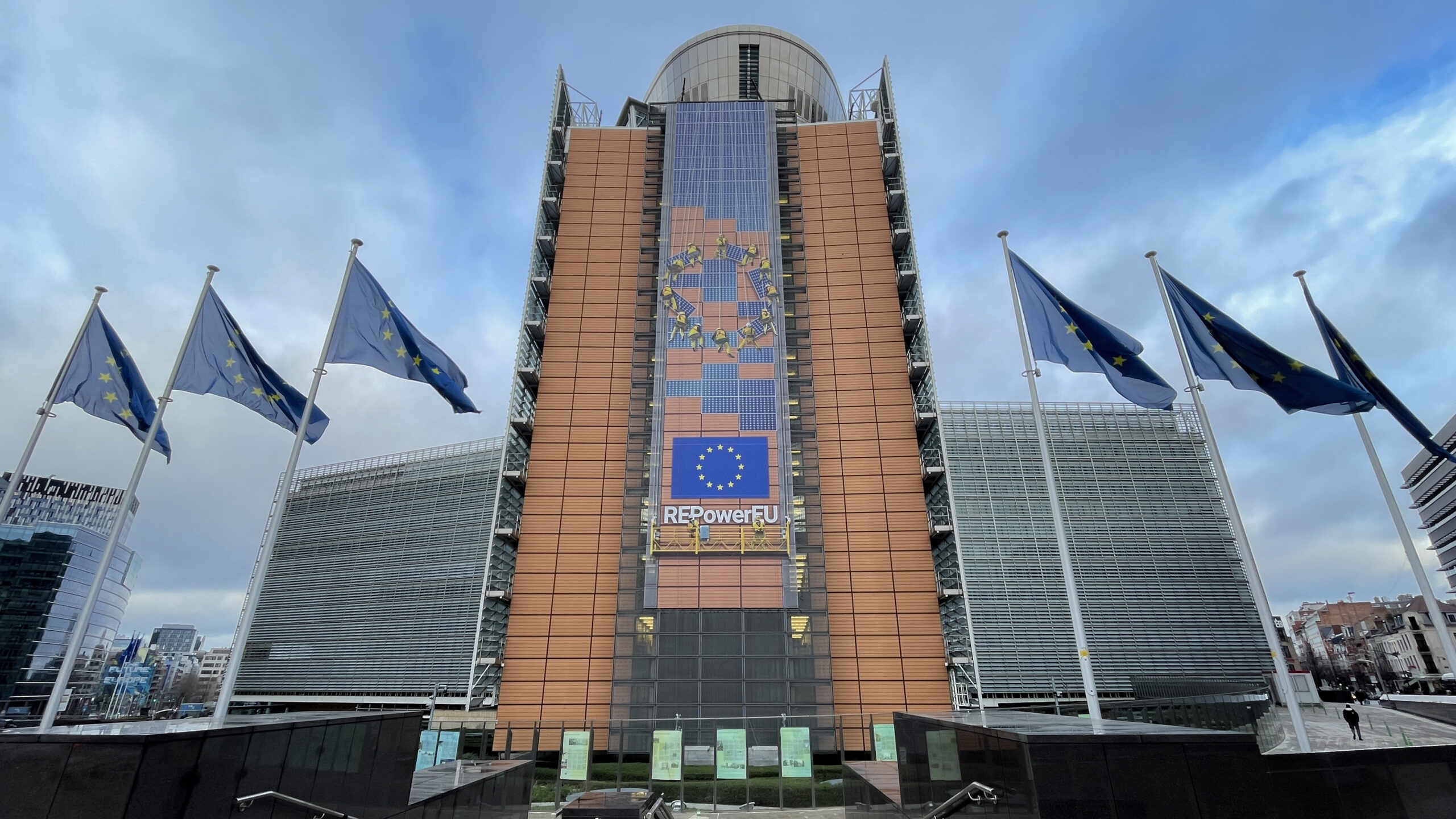
The EU and its policy toward the Middle East: What might change in 2023?
The lack of a nuclear deal with Iran, the risk of escalating tensions in the Israeli-Palestinian conflict, and the increasingly complex relationship with Turkey are just some of the thorny regional issues facing the European Union. A breakthrough on any of these three issues this year will be exceedingly difficult.
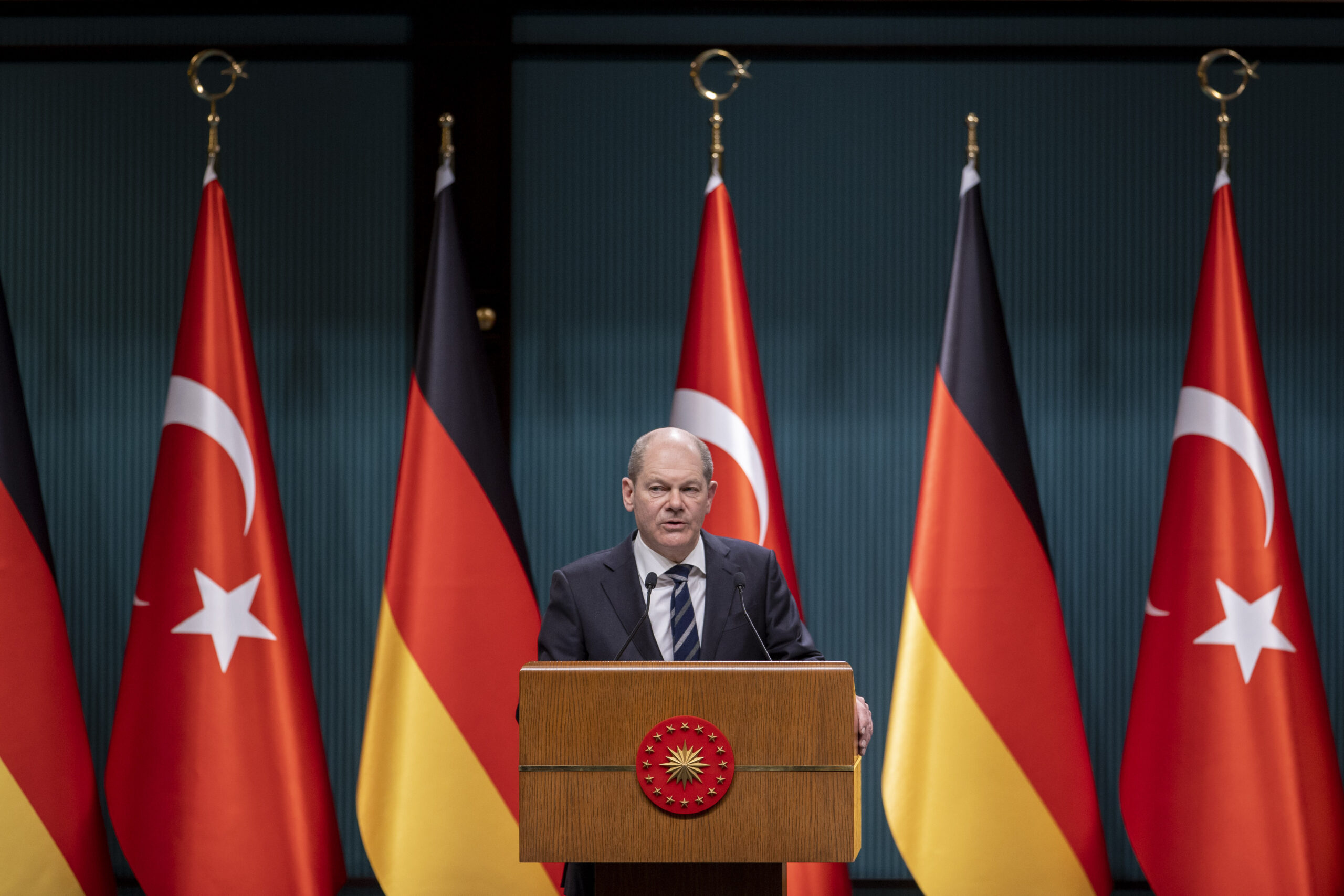
Staying the course … for now: Germany’s MENA policy under the Scholz government
After 16 years under Angela Merkel, Olaf Scholz’s assumption of Germany’s chancellorship on Dec. 8, 2021 marked a new chapter in the nation’s politics. Within the “traffic light” coalition government formed by the Social Democrats, the Free Democratic Party, and the Greens, Annalena Baerbock heads the Ministry of Foreign Affairs. Before taking office, the co-leader of Alliance 90/The Greens was known for both her welcoming attitude toward immigrants and her full-throated condemnation of human rights violations by authoritarian governments. The Middle East and North Africa (MENA) region has no shortage of the latter: According to the Economist Intelligence Unit’s Democracy Index, 17 out of the 20 countries in the region are “authoritarian” and not one is characterized as a “full democracy.” Beyond human rights, other key MENA policy issues for the new government include Iran, Turkey, ongoing conflicts in the region, and immigration. The challenges are numerous, if well-known, but how will Berlin respond? Is Germany’s policy toward MENA likely to change or remain the same under the new government?
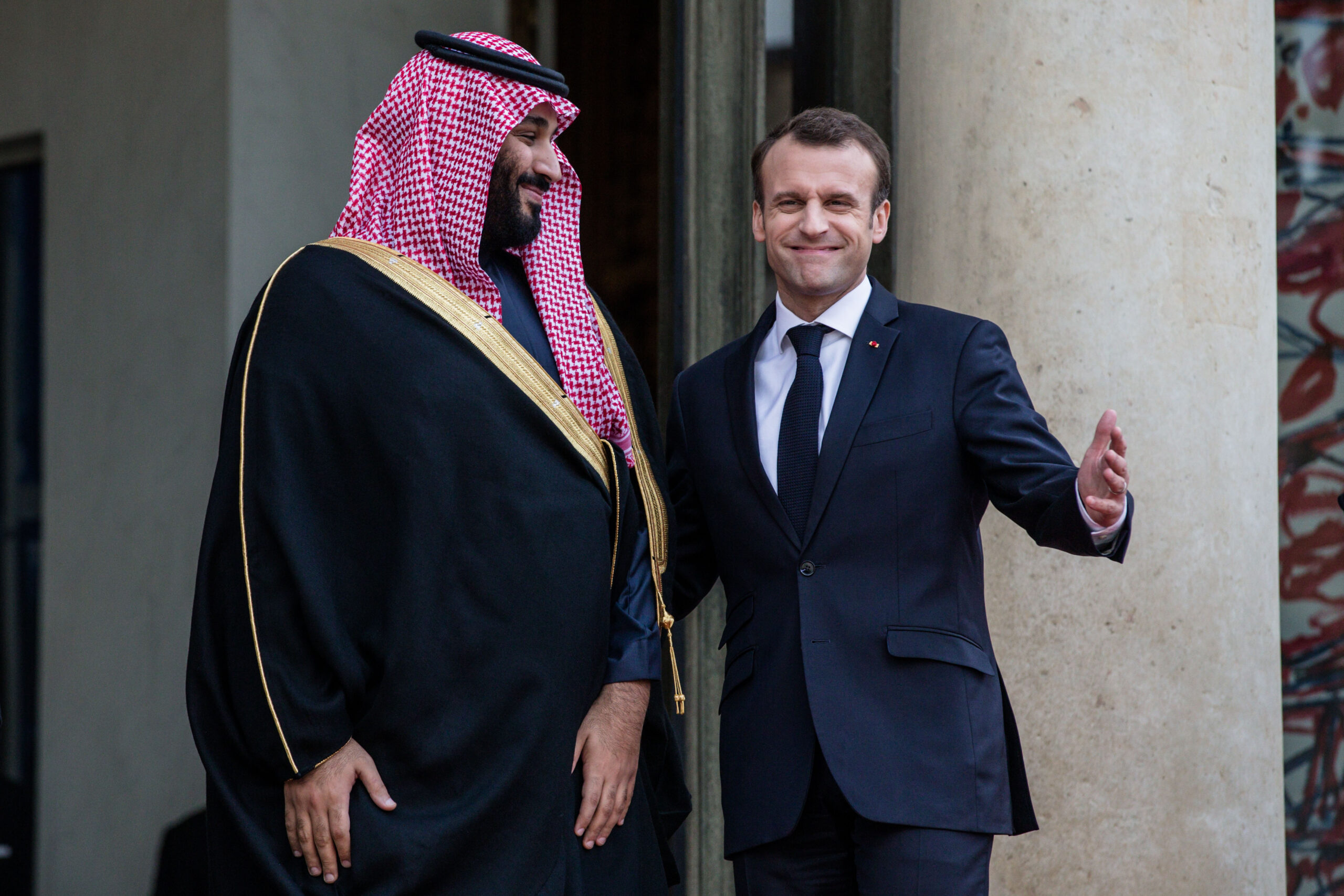
Will France's MENA policy change in Macron's second term?
When Emmanuel Macron was elected president five years ago, many analysts wondered how it might affect France’s policy toward the Middle East and North Africa (MENA). At the time, France found itself at a crossroads, having to contend with the shift in U.S. policy toward the region during the presidency of Donald Trump, growing dissension within the Gulf Cooperation Council (GCC), increasingly deteriorating relations with Iran, tensions with Turkey after the failed 2016 coup, and ongoing bloodshed in Syria, Libya, and Yemen, all while conducting a military campaign against ISIS. Following Macron’s recent reelection to a second term, the key question now is whether he will maintain or change his current policy toward the region.
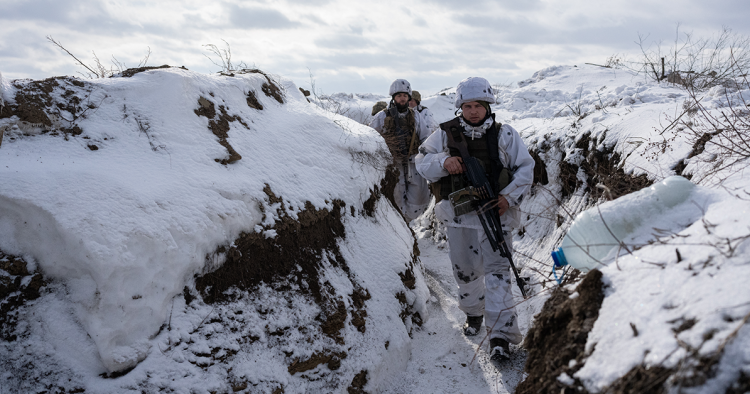
How will the war in Ukraine affect EU-MENA relations?
While most analyses of the war in Ukraine have tended to focus on the intra-European dimension, it is worth exploring the potential consequences of this conflict for the EU’s relations with countries further afield, especially those in the Middle East and North Africa.
Going into 2022, many of the main issues that dominated the EU’s relations with the countries of the Middle East and North Africa (MENA), from the ongoing talks in Vienna to revive the 2015 Iran nuclear deal to the conflicts in Syria and Yemen, as well as the uncontrolled influx of migrants from the region and Turkey’s long-stalled membership bid, remain on the agenda. Is the new year likely to see a resolution of any of these issues or any other significant changes in relations between the EU and the countries of the region?
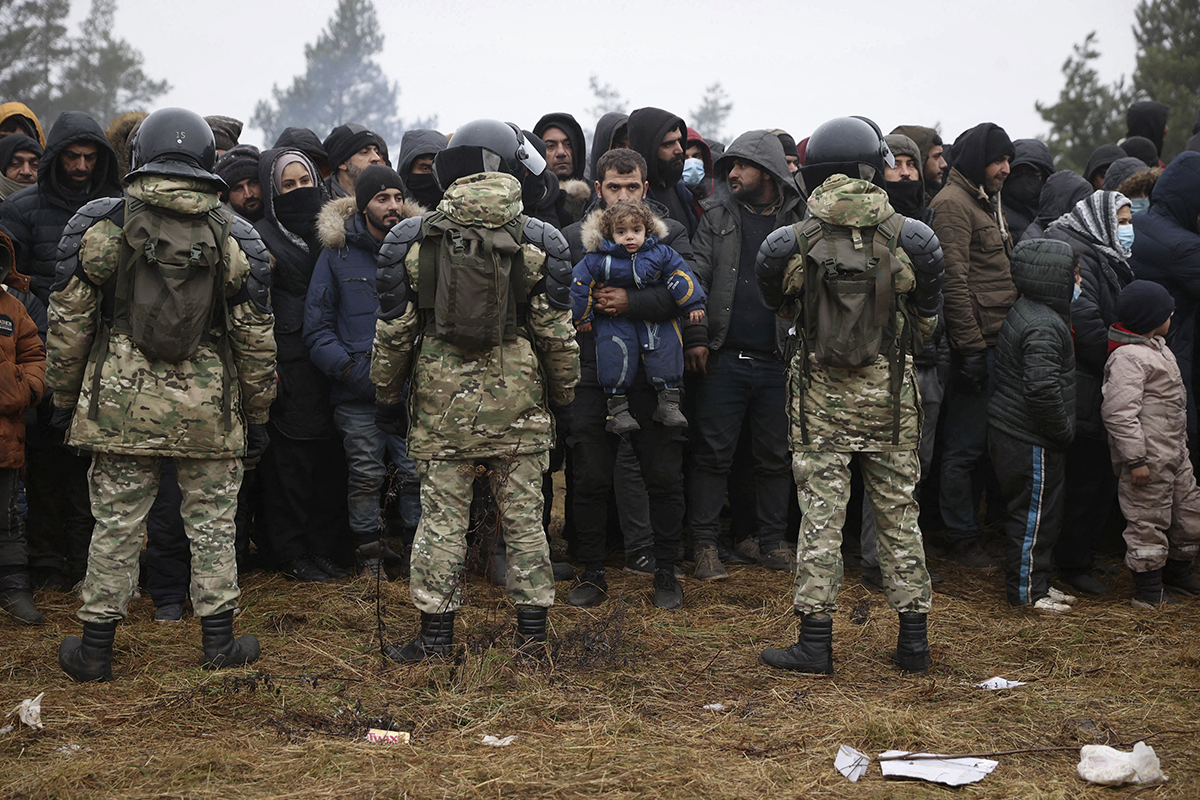
The migration crisis on the EU’s eastern border: A new transit route from the MENA region?
The migration crisis on the eastern border of the EU, which began earlier this summer and has ramped up dramatically in recent months, came as a surprise not only to the border countries, such as Lithuania, Latvia, and Poland, but also to top EU leaders. After the European migration crisis of 2015, EU politicians became used to the influx of migrants from countries in the MENA and Sub-Saharan Africa travelling through Mediterranean routes and Turkey. When it seemed as though mechanisms to prevent migration flows and control the main transit routes had been developed, a new crisis emerged in the last place anyone would have expected: Belarus. What gave rise to this crisis and what does it mean for the migrants who are desperately trying to enter the EU from Belarus as well as the countries facing a sharp rise in uncontrolled migration?
Afghanistan: The US decides, but will Europe pay the bill?
That the Taliban ended up taking over Afghanistan was not surprising, given the details of the agreement between the U.S. administration and the group’s leadership that have been known for many months. What was surprising for the international community, however, was the speed and manner of their takeover. The Taliban offensive and its consequences came as a particular shock to the institutions of the European Union (EU) and the member states that took part in the International Security Assistance Force (ISAF) mission and various aid programs in the country. When it comes to assessing the consequences of the Taliban’s takeover, there is no doubt that, first and foremost, it is the Afghan people that are most badly affected. Among the members of the international community, it is the Americans that have suffered the greatest reputational and financial losses so far, but from here on out the EU may well be the party that will face the greatest consequences.
The EU and the Syrian conflict: A decade on, what comes next?
EU institutions and individual member states remain committed to the peaceful settlement of the Syrian conflict, but after 10 years the question of what to do next seems most pressing. Will the EU be a passive bystander, idly watching the actions of other international players like Russia, China, Iran, or Saudi Arabia, or will it take on a more active role? And what would such a role look like?
Amid the escalating violence in Israel and Palestine, can the EU move from words to deeds?
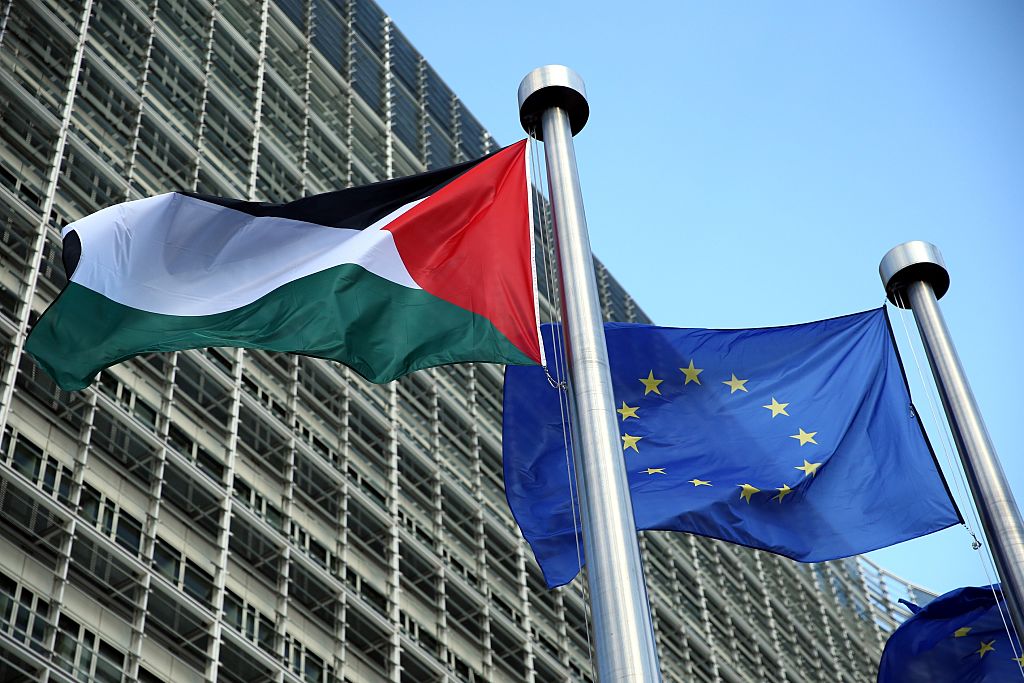
While riots and even violent military clashes between Israel and the Palestinians are unfortunately nothing new, and the conflict itself has been of interest to the international community for many decades, the recent, sudden escalation in violence has come as a surprise to many outside observers. This has forced individual states and international organizations to take a stance on what’s happening, including the EU. For the EU, the Middle East conflict is one of the greatest challenges in the immediate neighborhood and a major factor hindering the implementation of its European Neighborhood Policy in the eastern Mediterranean.
EU-Iran relations: Toward a diplomatic confrontation?
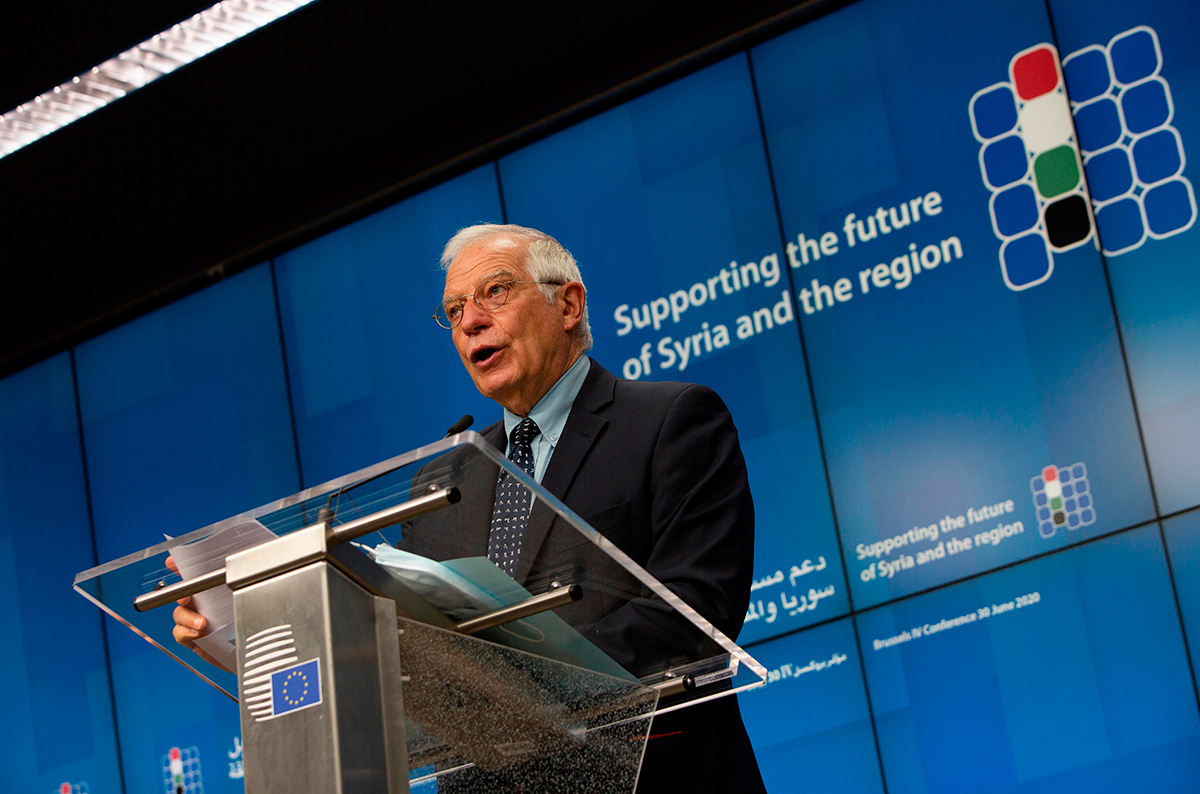
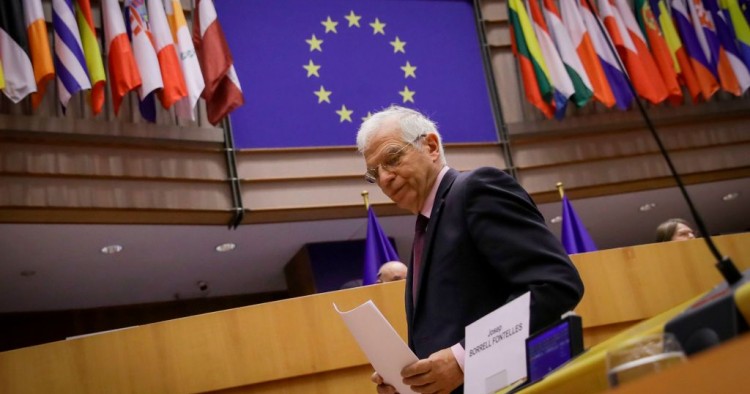
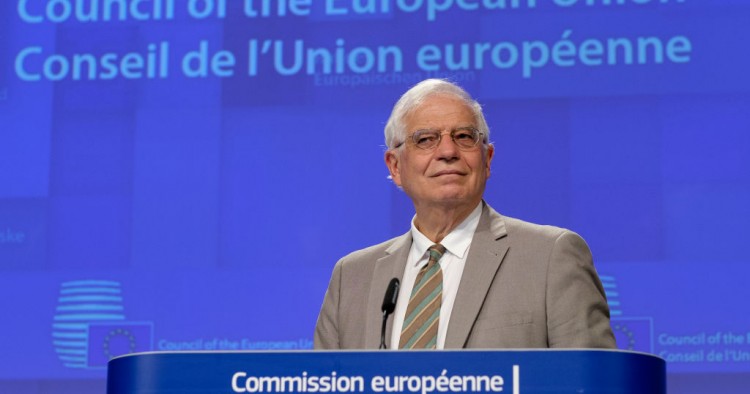
When the EU’s high representative for foreign affairs and security policy, Josep Borrell Fontelles, took office in December 2019, he emphasized the need to preserve the 2015 Joint Comprehensive Plan of Action (JCPOA) and cooperate with Iran. At the same time, he criticized then-U.S. President Donald Trump for maintaining extended sanctions — which in practice prevented leading European firms from concluding large contracts with partners in Iran — and for the U.S.’s withdrawal from the provisions of the treaty.
The EU’s diplomatic head and the Israeli-Palestinian conflict one year on
Josep Borrell Fontelles, former Spanish minister of foreign affairs, officially assumed the role on Dec. 1, 2019, and during his first year in office his focus in the Middle East and North Africa (MENA) region was primarily on four main issues: the Israeli-Palestinian conflict, the ongoing civil wars in Syria and Yemen, Iran’s nuclear program, and the threat of another migration crisis.
US-Europe cooperation in the Middle East: New president, new beginning?
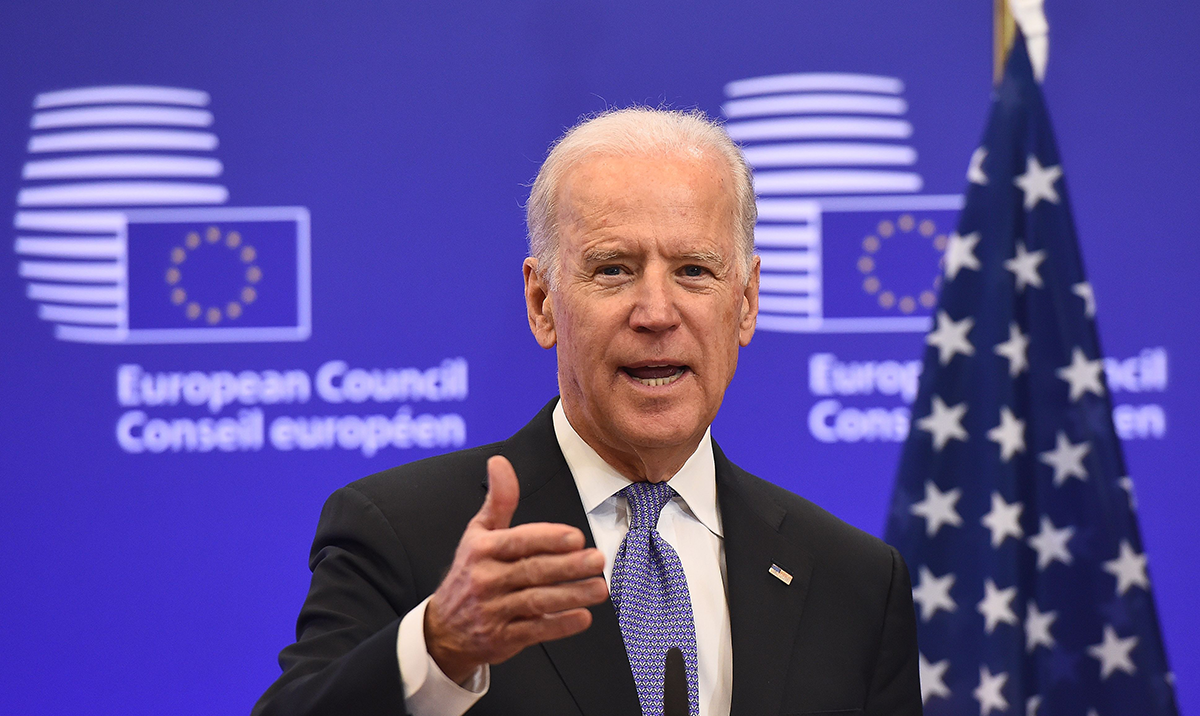
The leaders of EU institutions and most of its member states are undoubtedly counting on a general improvement in transatlantic relations under Biden, but also on a fresh start for policy in the Middle East.
The EU steps up its engagement in Yemen, but is it enough?
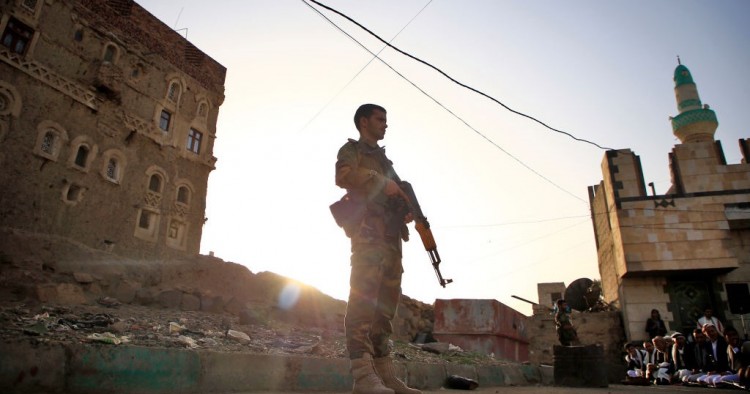
The conflict in Yemen poses a real threat not only to its immediate neighborhood, but also to global players such as the European Union. Although the country is located relatively far away from the EU’s external borders, instability on the Arabian Peninsula could seriously affect European interests and security.