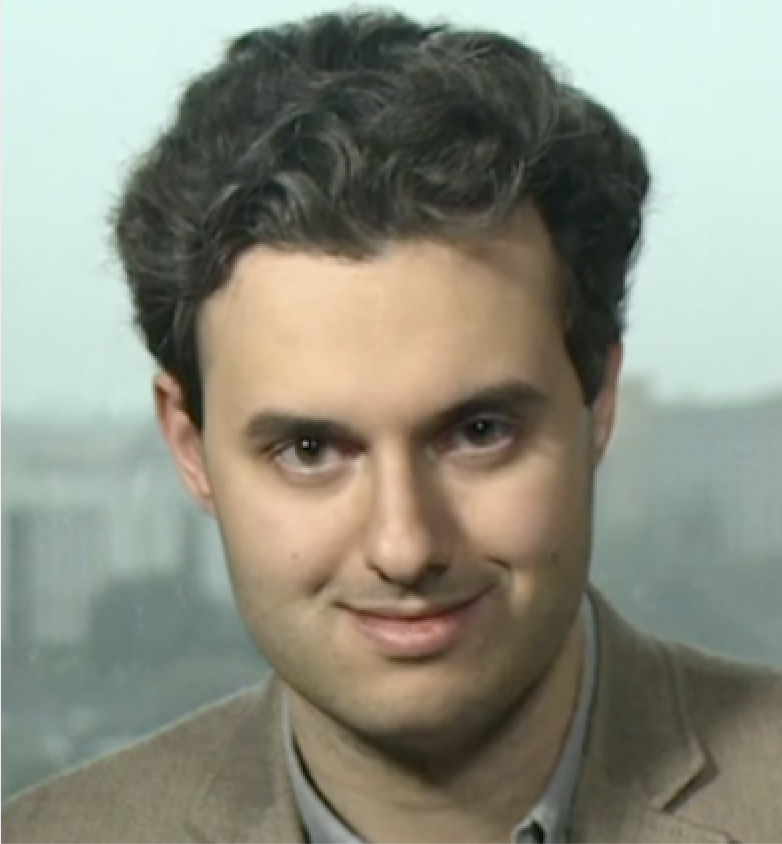
Samuel Ramani is an Associate Fellow at the Royal United Services Institute (RUSI) think tank in London and the CEO of Pangea Geopolitical Risk. Samuel is the author of Russia in Africa: Resurgent Great Power or Bellicose Pretender and Putin’s War on Ukraine: Russia’s Campaign for Global Counter-Revolution, which were published by Oxford University Press and Hurst in 2023. Samuel frequently advises the UK Foreign and Commonwealth Office, US Department of State, US Department of Defence, and NATO on defense and security issues, and is a regular contributor to the BBC World Service, Al Jazeera, CNN International, and Foreign Policy magazine.
Russia’s relations with Hezbollah amid escalation on Lebanon-Israel border
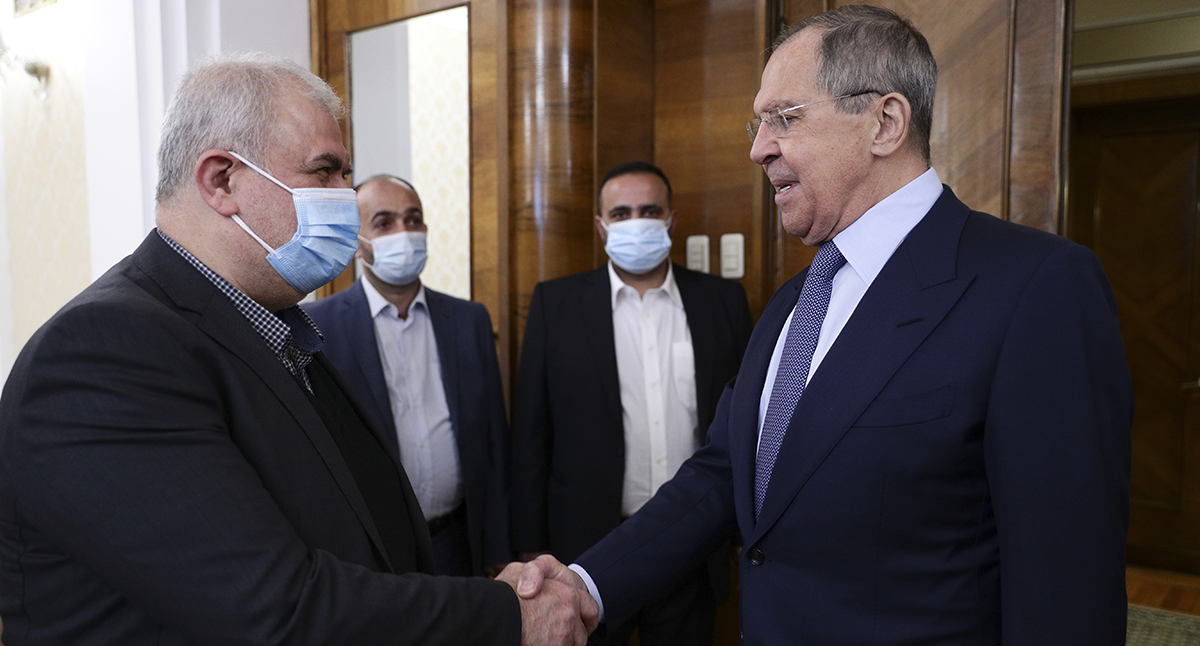
Russia’s concern about an escalation of hostilities in Lebanon reflects its long-standing partnership with Hezbollah. Due to this multidimensional relationship, Russia has urged Iran to exercise restraint against Israel to prevent the outbreak of a destructive hot war in Lebanon.
Russia and China’s differing engagements with the Houthis
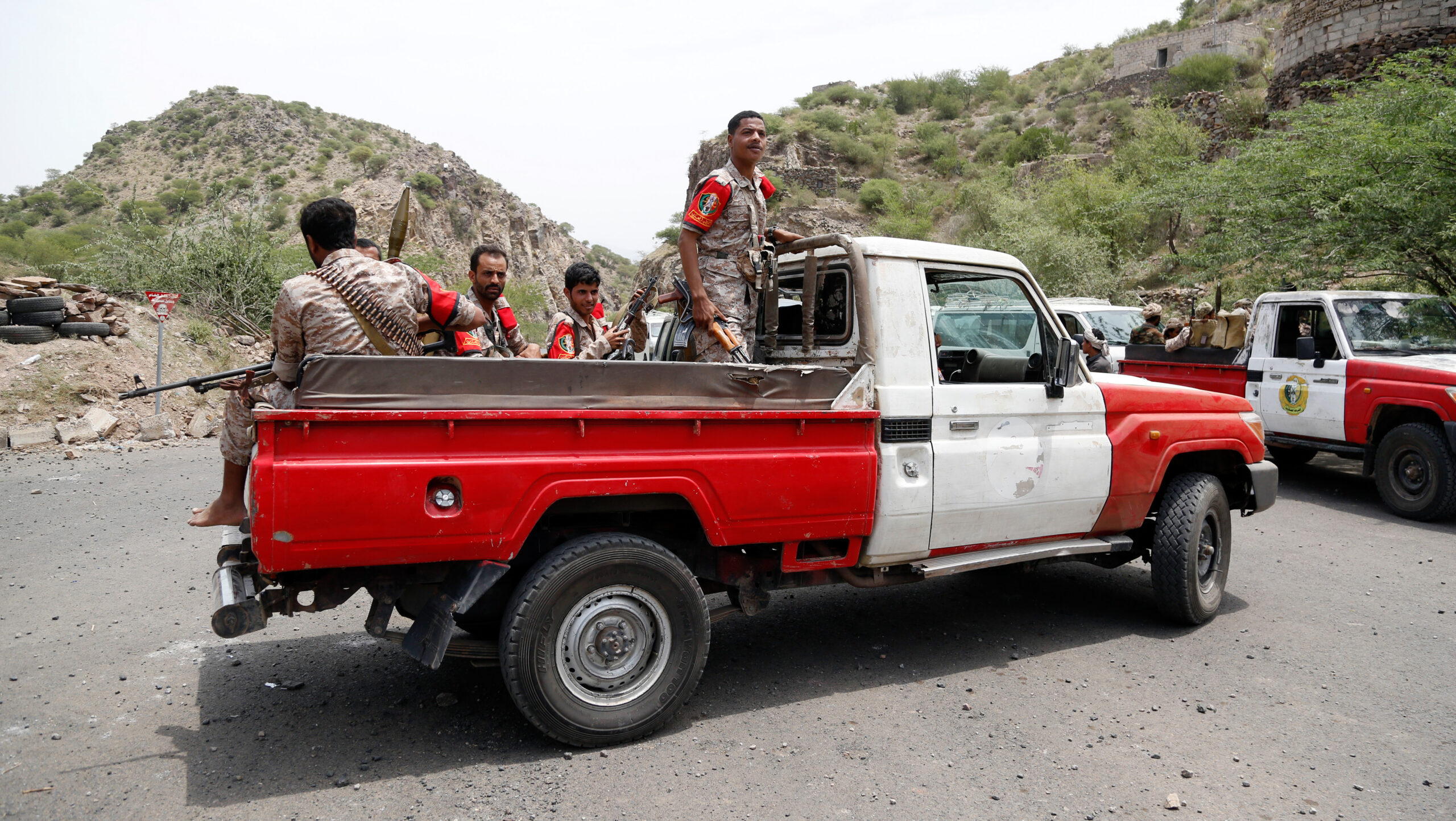
Although Russia and China are in regular dialogue with the Houthis, the motivations that undergird the engagements of both countries differ markedly. The Houthis regard both Russia and China as partners against American unilateralism but have a warmer relationship with Moscow.
After Prigozhin: The future of Wagner and Russian gray zone activities in MENA
As the Wagner Group has an entrenched military presence in Syria, Libya, and Sudan, the evisceration of its senior leadership will have serious repercussions for Russia’s influence in the MENA region. Wagner’s military contractors are unlikely to depart, since they guard strategically valuable oil and mining facilities; but they are likely to now be swiftly integrated into the regular Russian Armed Forces.
The potential and limitations of Russia-China cooperation in the Middle East
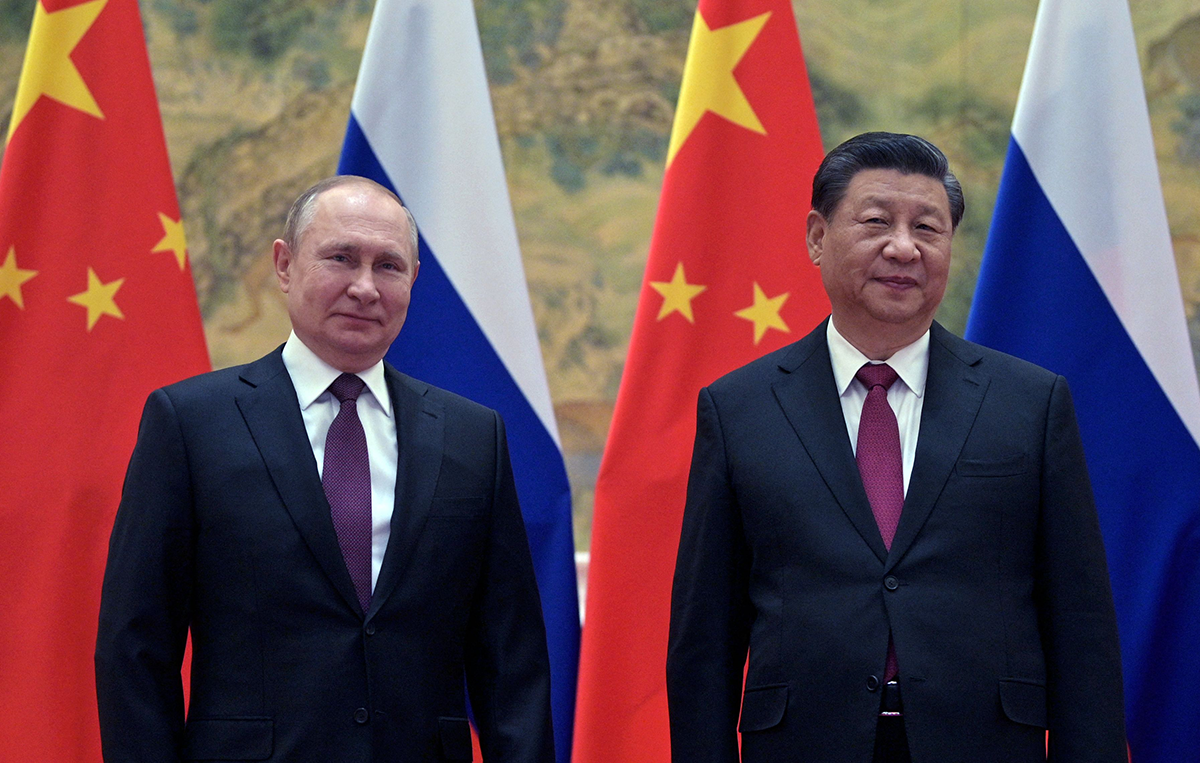
Even though Russia and China’s strategic partnership has strengthened in recent years, the leaderships of both countries infrequently engage on Middle East affairs. Russia views China’s growing diplomatic assertiveness in the Middle East as a positive step toward a multipolar regional order. Nevertheless, Russia is trying to avoid being completely eclipsed by China as a prospective conflict arbiter. While the two countries concur on opposing unilateral sanctions and democratic uprisings in the Middle East, Beijing does not universally approve of Moscow’s positions on regional crises and its power projection strategy.
As fighting in Sudan rages, Russia’s primary goal is to ensure authoritarian rule
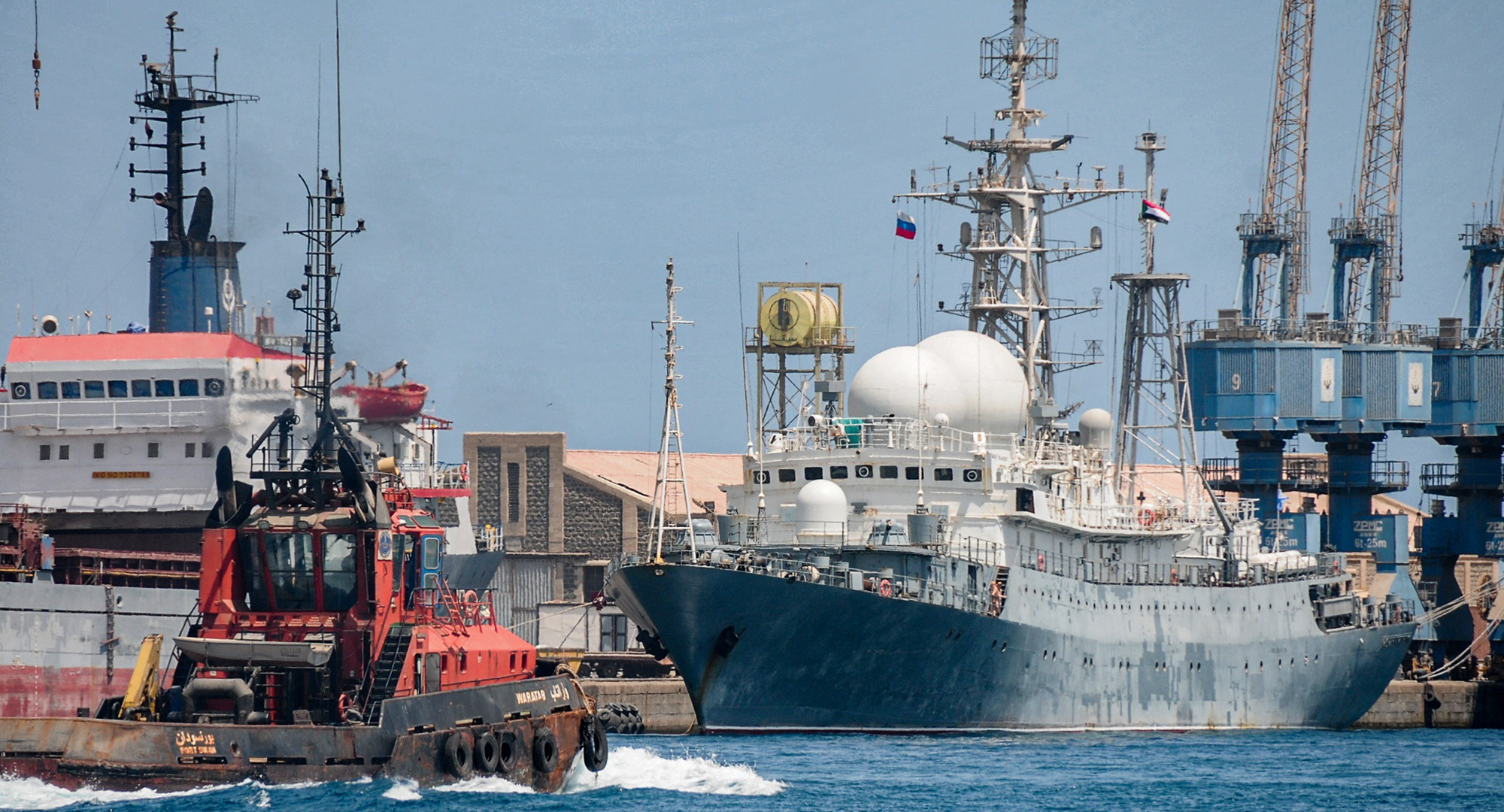
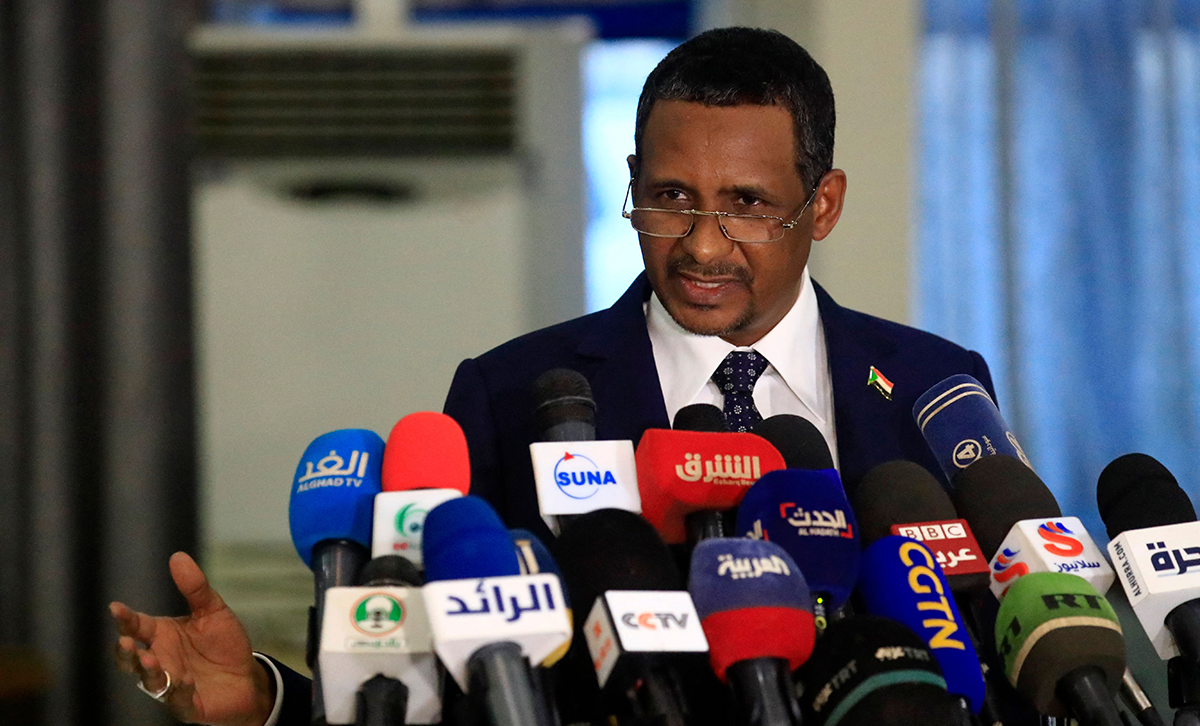
Although Russia has vested interests in the Burhan-Hemedti conflict, it is unlikely to actively pursue a blanket destabilization strategy in Sudan. Instead, it is likely to balance close ties with both warring parties and continue actively opposing a democratic transition in Sudan.
How has the Ukraine war affected Russia's ties with Libya and Sudan?
Official reactions in Africa to Russia’s invasion of Ukraine have varied dramatically from country to country. While stopping short of implementing sanctions, most African countries condemned Russia’s invasion in a March 2 U.N. General Assembly vote. A sizeable minority, however, abstained or subtly displayed solidarity with Moscow. Such polarization can be seen in the differing postures of Libya and Sudan.
Iraq has refrained from taking a firm position on the war and political opinion on Russia’s conduct is divided along partisan and factional lines. The imposition of sanctions against Russia has complicated its energy investments in Iraq and prospective arms purchases from Moscow and could have a long-lasting adverse impact on the Iraqi economy.
Sudan-Russia relations after the October coup: The view from Moscow
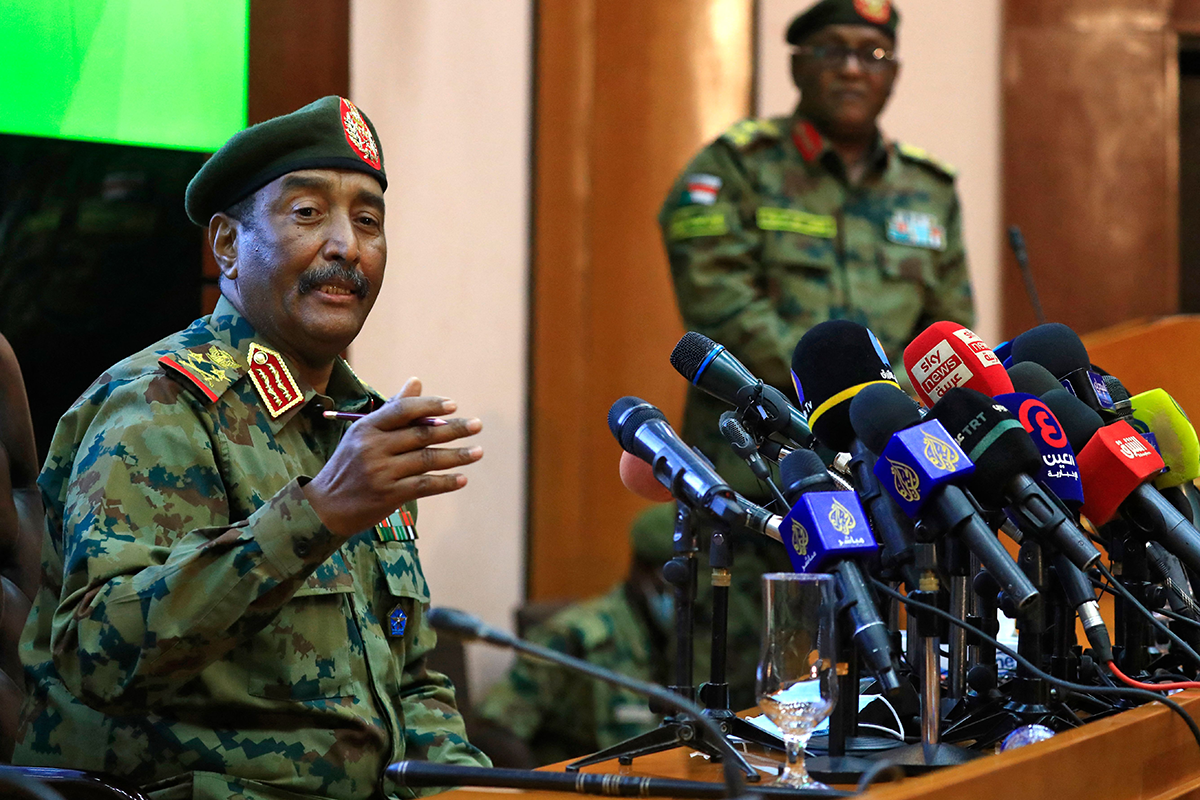
Since late October, Sudan has been mired in a state of intense political turmoil. On Oct. 25, Gen. Abdel Fattah al-Burhan seized power in a coup d’état, placed civilian Prime Minister Abdalla Hamdok under house arrest, and declared a state of emergency. In response to intense international pressure, Burhan and Hamdok signed a 14-point deal on Nov. 21, which reinstated Hamdok as prime minister and resulted in the release of political prisoners. While this agreement thwarted Sudan’s descent into a military dictatorship, mass protests persist and the opposition Forces of Freedom and Change (FFC) have rejected the deal.
Balancing ties, Russia expands Afghanistan cooperation with both India and Pakistan
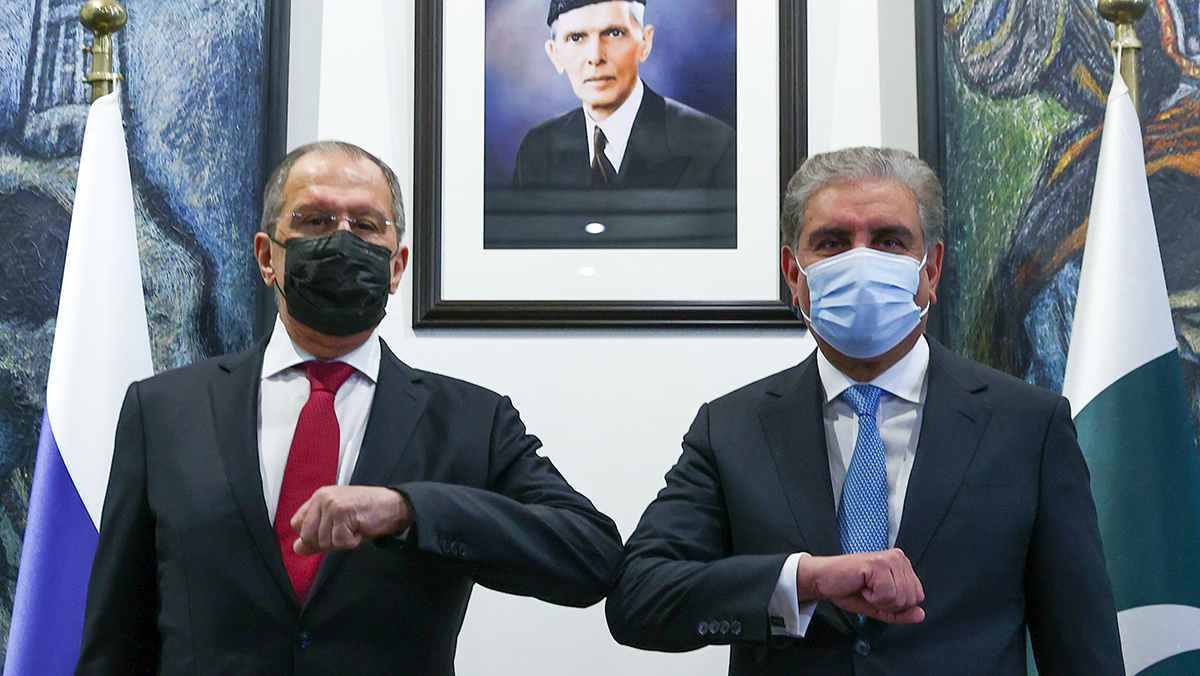
Since the Taliban seized control of Kabul on Aug. 15, Russia has expanded its engagement with India and Pakistan on Afghanistan. Russian President Vladimir Putin held talks with Indian Prime Minister Narendra Modi on Aug. 24, which resulted in the creation of a permanent bilateral channel for consultations on Afghanistan. On Sept. 8, Modi’s national security advisor, Ajit Doval, met with his Russian counterpart, Nikolay Patrushev, and agreed to expand Russia-India cooperation against terrorism and drug trafficking. On Aug. 25, Putin spoke with Pakistani Prime Minister Imran Khan about the situation in Afghanistan, which resulted in Khan inviting Putin to visit Pakistan. Russia’s simultaneous engagement with India and Pakistan on Afghanistan is the latest iteration of its balancing strategy toward the two South Asian rivals.
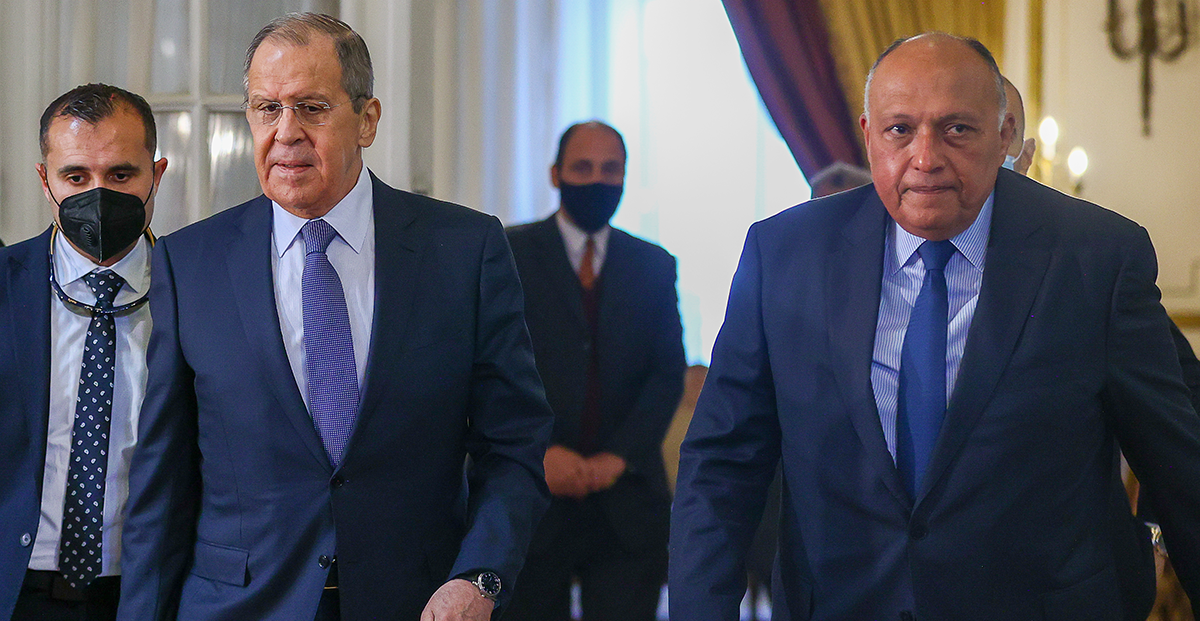
Since late June, Russia has expanded its diplomatic involvement in the Grand Ethiopian Renaissance Dam (GERD) dispute between Egypt, Sudan, and Ethiopia. While Russia has offered technical assistance to the GERD’s conflicting parties, it has refrained from inserting itself into the Nile dam dispute as a mediator and instead balanced the views of Egypt, Sudan, and Ethiopia in multilateral fora. Russia’s balancing strategy has been positively received in Sudan and Ethiopia but has created latent frictions with Egypt. Russia has persisted with this non-interference policy, as it has largely prevented a spillover of tensions over the GERD to other areas of cooperation with Egypt and believes that its position will help consolidate its partnership with Ethiopia.
Russian-Iranian relations under Raisi and possible post-Khamenei scenarios
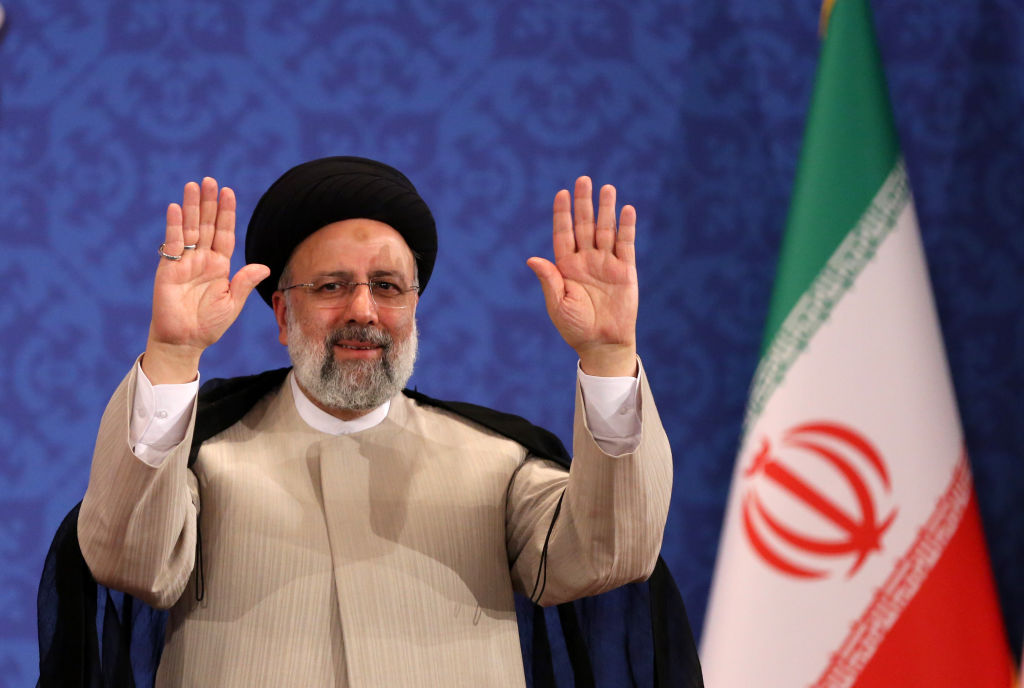
On June 18, Ebrahim Raisi won a landslide victory in Iran’s presidential elections. After Raisi’s triumph, Maxim Suslov, the press attaché of the Russian Embassy in Tehran, transmitted a message from President Vladimir Putin congratulating Raisi on his win and pledging to strengthen Russia-Iran bilateral relations. Iranian Ambassador to Russia Kazem Jalali echoed Putin’s comments about Russia-Iran relations and noted that he was the first world leader to congratulate Raisi on his election as Iran’s next president.
Eye on Niamey: Middle East regional powers vie for influence in Niger
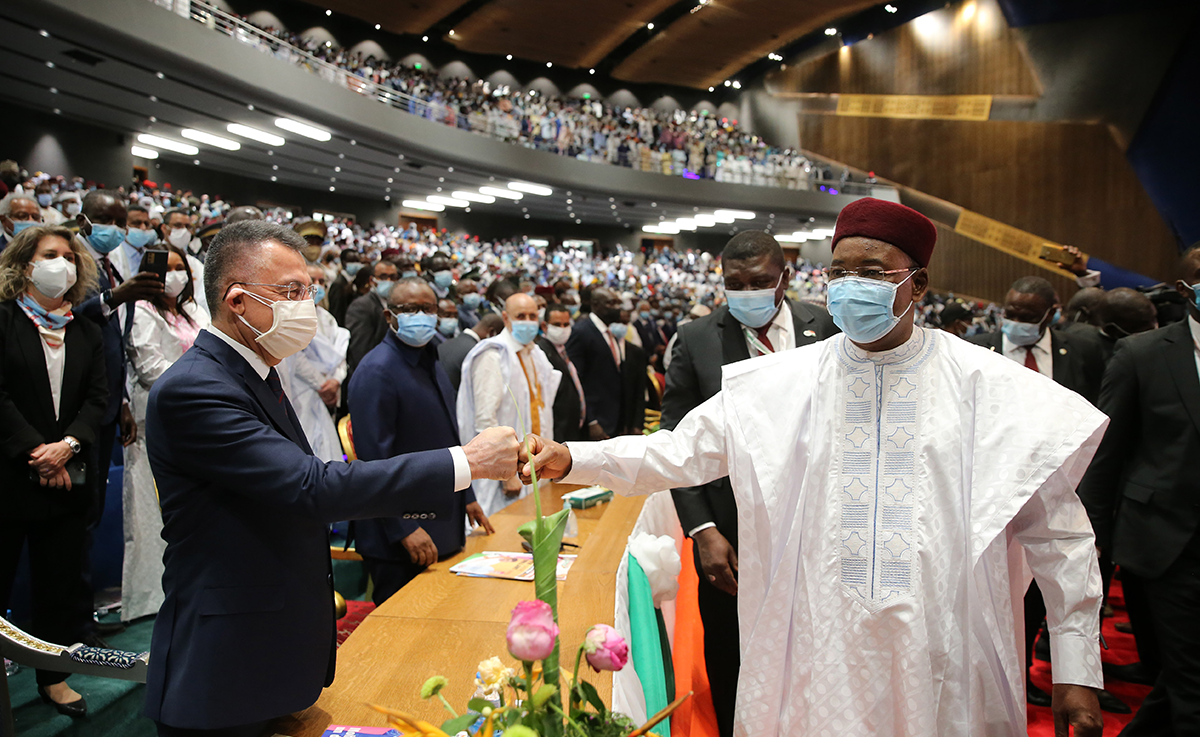
Due to its relatively stable political institutions, geographic proximity to Libya, and UNSC seat, regional powers in the Middle East are competing for influence in Niger. Egypt and the UAE are trying to counter Turkey’s growing economic and security cooperation with Niger, Saudi Arabia and Iran wish to leverage its UNSC voting power, and Israel is testing the waters for a potential normalization of diplomatic relations. These rivalries are poised to intensify, as the Sahel’s geostrategic significance continues to expand.
What does the transition in Chad mean for Middle Eastern regional powers?
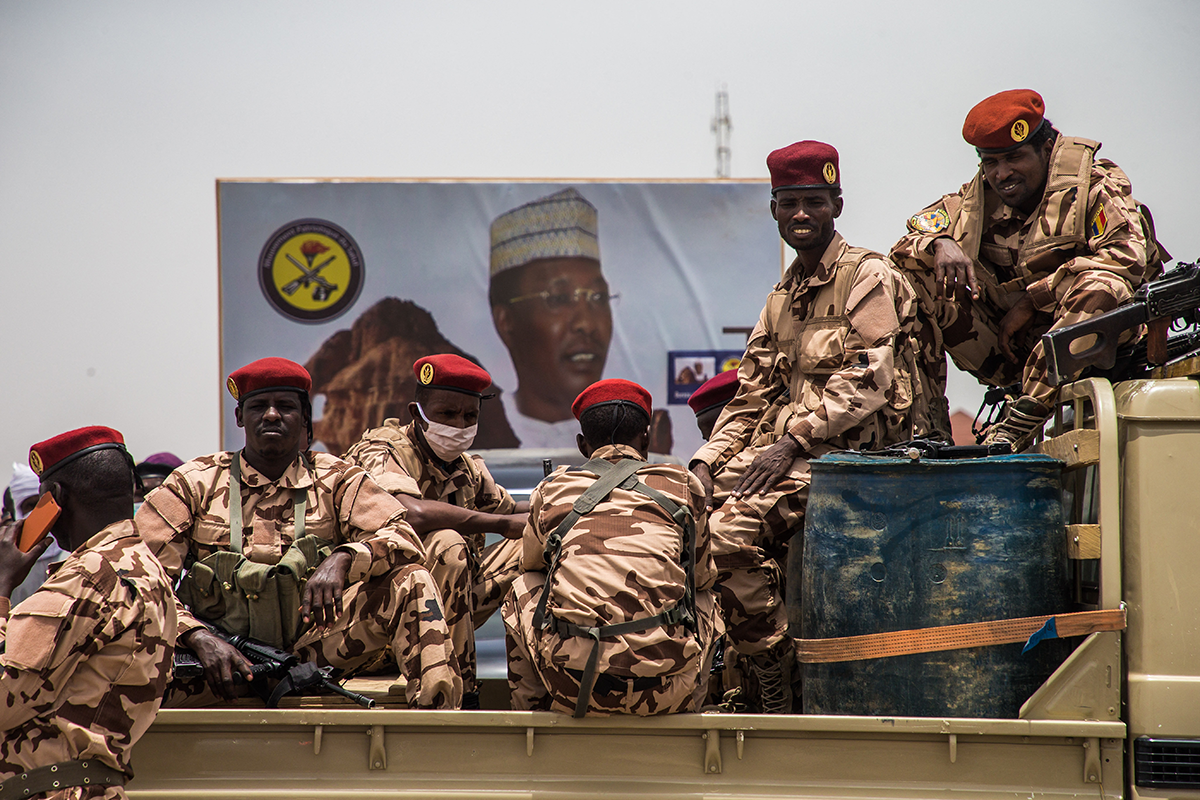
On April 20, Chadian President Idriss Déby was killed by Front for Change and Concord in Chad (FACT) rebels in the country’s northwestern Tibesti region. The sudden death of Déby, who seized power in Chad via a military coup in December 1990 and was re-elected on April 11 with 79.3% of the vote, risks plunging Chad into a state of prolonged instability.
Russia’s growing ties with Iran-aligned militia groups
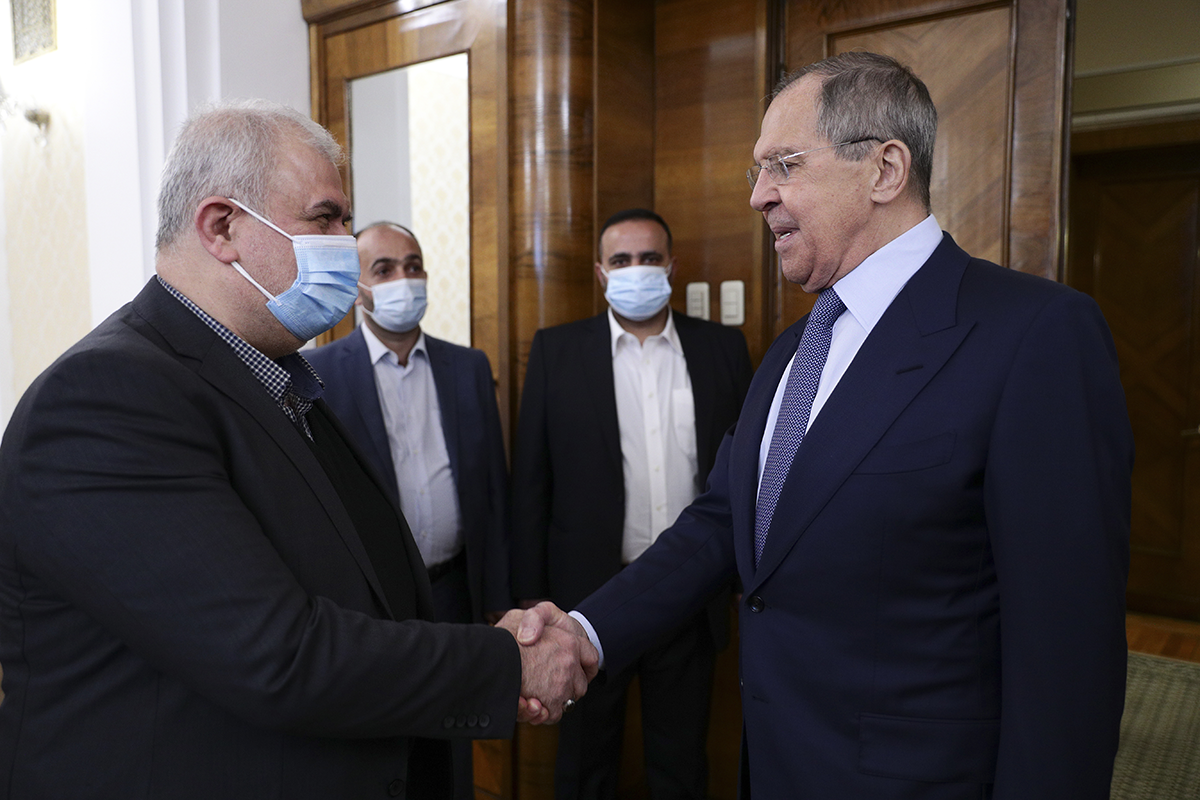
Russia is quietly strengthening its partnerships with Iran-aligned militia groups throughout the Middle East. While Russia’s military alliance with Hezbollah in Syria is well-documented, its relationships with Iran-aligned militias elsewhere in the MENA region are often overlooked. Russia engages with Hashd al-Shaabi in Iraq on security challenges, defends Hezbollah from terrorism allegations, and holds negotiations with the Houthis on ending the Yemen war. These relationships bolster the Russia-Iran partnership, further Moscow’s regional ambitions, and help Iran-aligned militias diversify their array of global partners.
How is Iran responding to Biden’s policy shift on Yemen?
On Feb. 4, President Joe Biden announced the end of U.S. support for the Saudi Arabia-led coalition’s offensive military operations in Yemen. This decision fuelled optimism about a U.S. return to negotiations over the JCPOA with Iran. Instead of engaging with the United States, Iran has supported the Houthi-orchestrated Marib offensive and stepped up its diplomatic efforts in Yemen.