This individual is a guest contributor. MEI is not able to assist with contact requests.
Antoun Issa is a journalist and commentator on Middle Eastern affairs, with a particular focus on civil society and grassroots efforts to improve governance post-Arab Spring. Antoun spent more than three years in Beirut at the height of the Arab Spring as news editor for Al-Monitor, and two years in a full-time capacity at the Middle East Institute. He currently works as the offplatform and newsletters editor for The GuardianAustralia and continues to write on Middle Eastern and LGBT+ issues for a number of media outlets, including The Washington Post and Foreign Policy, among others. He holds a Masters in international affairs from the Australian National University and a Bachelors in media studies from La Trobe University. On Twitter: @antissa
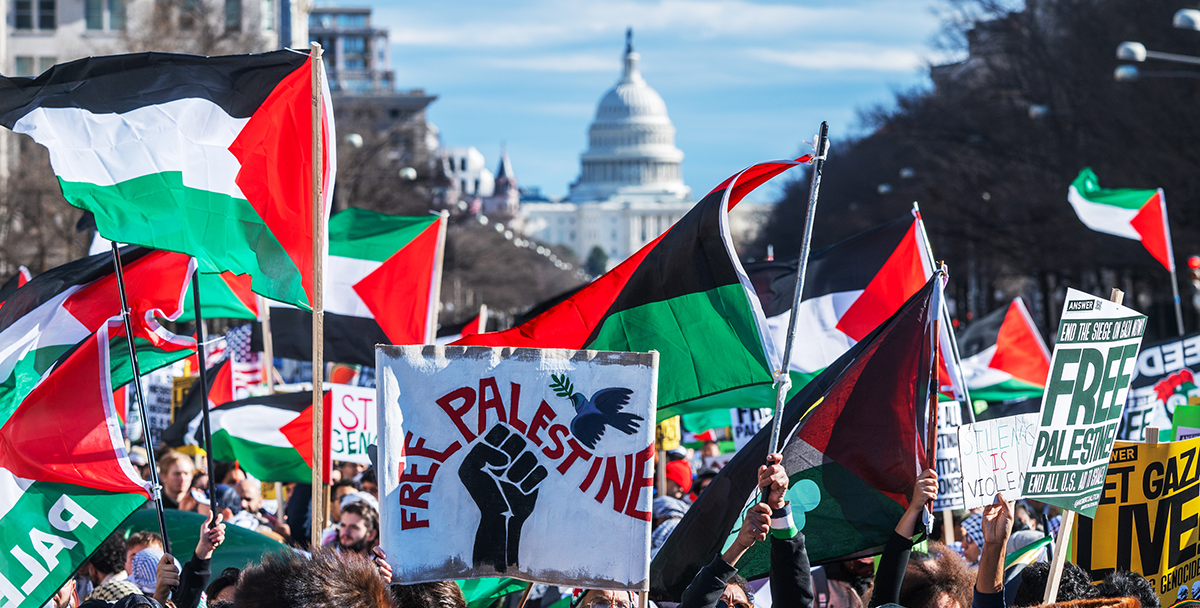
The ongoing catastrophe in Gaza is driving a surge in sympathy for Palestinians in the Western world that could mark a turning point in how the Israeli-Palestinian conflict is engaged with moving forward. Changing attitudes among younger generations are primarily responsible for this shift, driven in part by a post-Black Lives Matter outlook and narrative that has simplified and distilled the conflict.
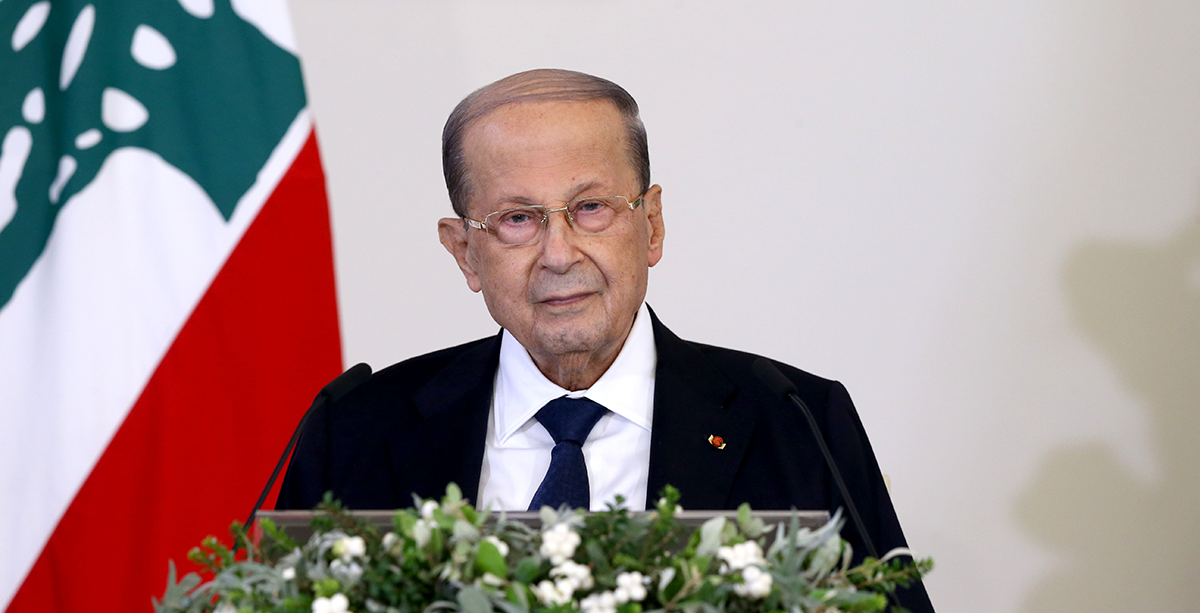
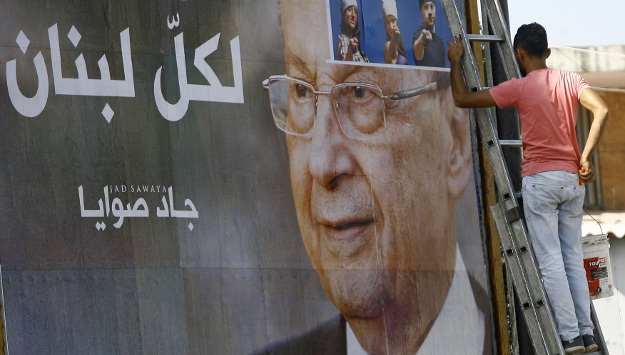
Aoun promised Lebanon a “modern state” — he left it in ruins
Aoun’s talk of a modern state appeared to be a smokescreen to mislead those who followed him into thinking the path to reform lay with the general. As the past six years have made all too clear, his objective seemed squarely fixed on gaining a permanent seat for himself at the table of Lebanon’s sectarian elite and securing his legacy.
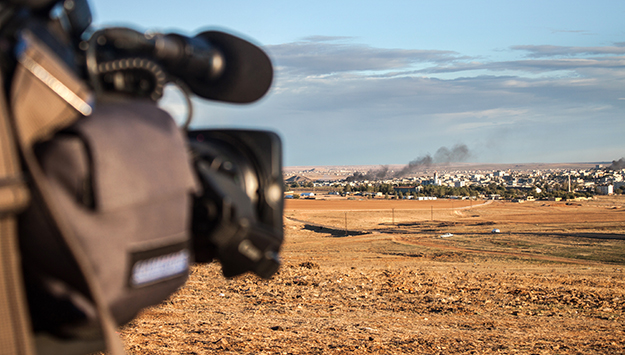
Why there’s little media coverage of the Lebanon and Iraq protests
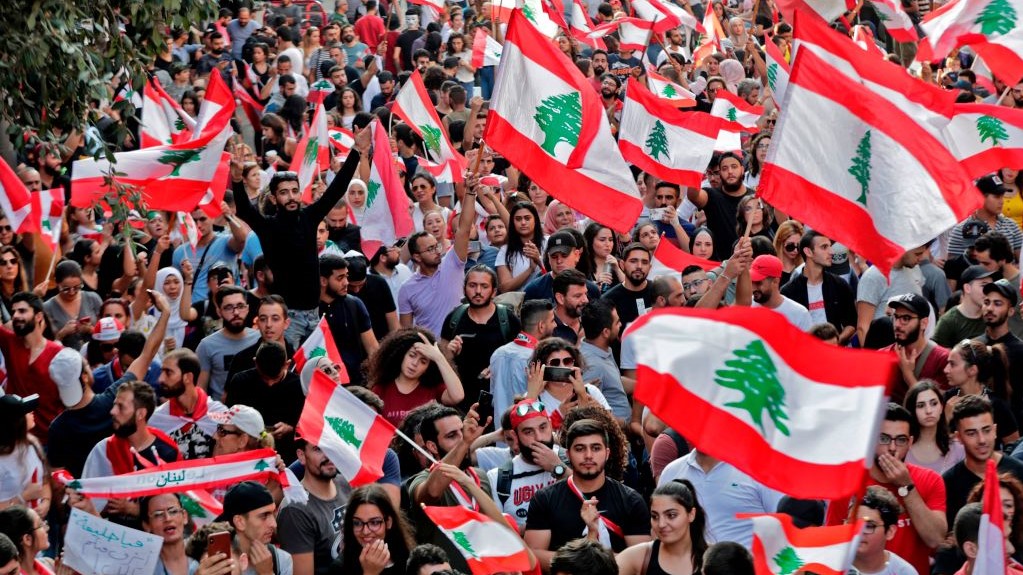
Lebanese and Iraqi protesters have faced an uphill battle drawing global media attention since Arab Spring-like uprisings erupted in both countries last October. Coverage of the protests has been dwarfed by other major international news stories running concurrently with the uprisings, such as Brexit and the Hong Kong protests. The main implication of low coverage has been a lack of sustained international pressure on Lebanese or Iraqi political leaders to accommodate protester demands for wholesale systematic changes.
In place of this week’s Monday Briefing we asked over a dozen MEI scholars to discuss their expectations for key trends, events, and policies across the region in 2018.
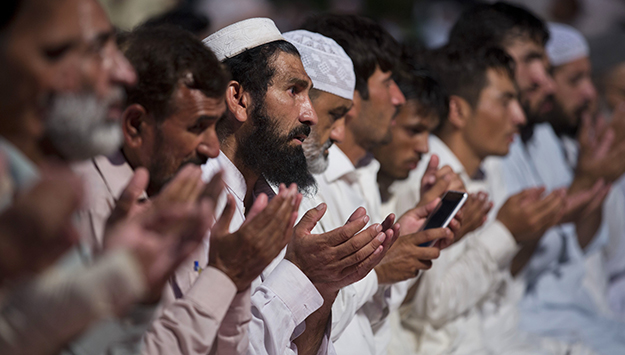
Islamist Terrorism in Pakistan: New Alignments, New Tactics
Much has been written on the evolution of Islamist terrorism in Pakistan, the role of military dictatorships in nurturing Islamist terrorist groups, and Islamist parties and proselytizing groups working hand in glove with terrorists. Al-Qaeda and the Afghan Taliban were born in Pakistan, in addition to the country’s own long list of local terrorist groups such as the multi-faceted Tehreek-e-Taliban Pakistan (T.T.P.). Pakistan is now going through a new phase of Islamist militancy, with new alignments and the adoption of new tactics by jihadists.
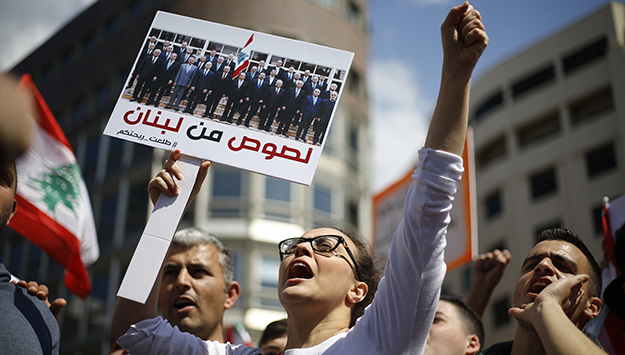
Lebanese protesters were out on the streets again over the weekend, this time against a new national budget that includes a number of tax hikes. The government claims the tax hikes are necessary to fund an overdue pay raise for public sector employees. In a country steeped in overt corruption—Lebanon ranks 136 of 176 states in Transparency International’s Corruption Perception Index—that message was always going to be a tough sell.
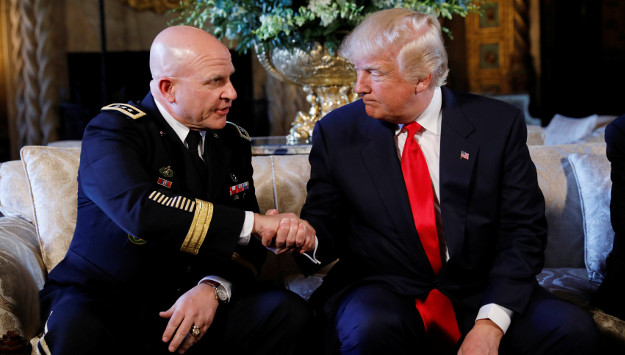
Weekly Briefing: Geneva Talks, Iranian War Games, and Trump's New National Security Advisor
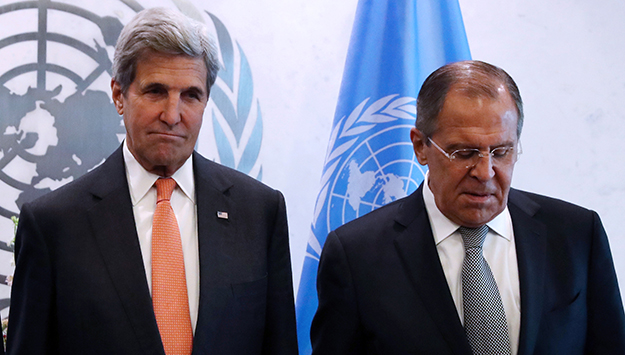
In this week’s Monday Briefing, contributors Randa Slim, Alex Vatanka, Paul Salem, and Antoun Issa provide analysis on recent and upcoming events including the next round of Syria talks in Geneva, Iranian war games directed at President Trump, the appointment of a new U.S. National Security Advisor to replace Michael Flynn, and Israeli PM Netanyahu’s trip to Australia.
“Kullun haramiyyeh” — “they’re all thieves” — is the most common sentiment about Lebanon’s politics on the streets of Beirut. You’ll hear it from street vendors, waiters, students, teachers, architects, taxi drivers, doctors, Muslims, and Christians. It’s a view, in short, that unites this perpetually fragmented country.