In the North Africa and Middle East region, there is a battle for citizenship currently lurking behind the façade of a reemerging authoritarianism. Indeed, in most cases, the revolutions and transitions that spread across North Africa and the Middle East since 2011 have crystalized into resurgent authoritarian regimes that target freedoms and liberties and reverse political openings, while still contending with the economic and governance crises. But this is only one layer. Behind this is an ongoing struggle to define citizenship that prioritizes gaining a pathway to popular empowerment and agency. In the years since 2011, populations have been vocal and clear about their priorities—dignified living which requires economic wellbeing and some degree of responsive state management. This realization is changing the way governments appeal to their citizens and the way people interact with their governments. Ideological appeal is waning, economic development is at the fore of the government agenda as they continue their quest for efficient governance while political participation diminishes in favor for more direct and urgent need to shift priorities and force change.
It is important to understand the significance of popular empowerment that emerged in North Africa over the last 11 years and the implications of the precedent. It has been a remarkable yet intangible shift in the perception of people’s ability to affect the seemingly unchangeable. While the region’s heterogeneity and wide variances across and within countries often undermine efforts to generalize — this trend is prevalent in most countries.
Continue reading on Konrad-Adenauer-Stiftung
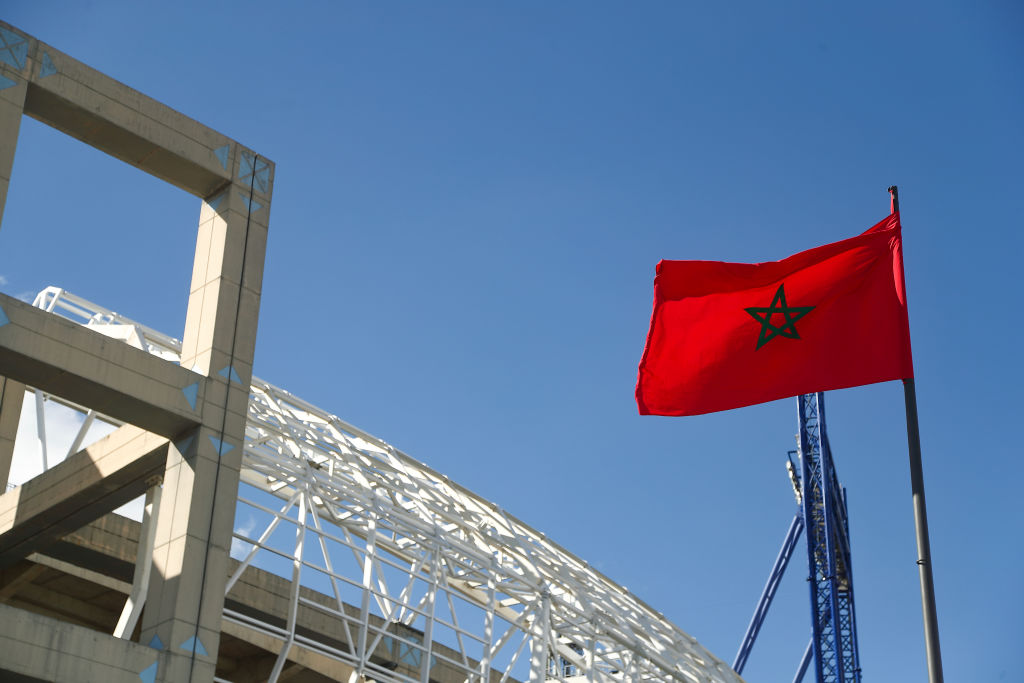
Photo by James Williamson – AMA/Getty Images
The Middle East Institute (MEI) is an independent, non-partisan, not-for-profit, educational organization. It does not engage in advocacy and its scholars’ opinions are their own. MEI welcomes financial donations, but retains sole editorial control over its work and its publications reflect only the authors’ views. For a listing of MEI donors, please click here.

Reflections on a Diplomatic Career in the Middle East: A Conversation With Ambassador Yael Lempert