Briefing
Conflicts, Khashoggi, and "maximum pressure"
In our year-end roundup, MEI scholars analyze the major events in Middle East policy in 2018, including the U.S. withdrawal from the Iran nuclear deal, the fallout surrounding the assassination of Jamal Khashoggi, decisive shifts in the Syria conflict, Turkey's currency crisis, and other developments across the region.

Announcing the Winners of MEI's 2018 Photo Contest
We are proud to announce the winners of MEI's second annual photography contest, titled "Generations."
Upcoming Events
Attend free, public events at our D.C. headquarters or tune in to our live webcasts
No events are currently scheduled. Subscribe to our mailing list to receive notification of events as they are added to the calendar.

Subscribe to Updates
Get the latest MEI policy briefings, event notifications, and other updates delivered straight to your inbox.

Leading Regional Expertise
MEI’s scholars draw on deep ties and decades of experience working in the region to build better understanding of Middle East policy.
Research Programs
Led by renowned scholars and regional experts, MEI's policy research programs produce original analysis, convene roundtables and public events, and work to advance understanding of the complexities of regional policy.
Countering Terrorism & Extremism
In-depth analysis into the region’s varied terrorist threats and their underlying drivers, including civil conflict.
Gulf Affairs
Enhancing understanding of the issues facing the six members of the Gulf Cooperation Council who are key political, security, and economic partners for the United States.
Iran Observed
The IranObserved project provides daily tracking and analysis of Iran's policies and actions at home and abroad. The reports and analysis are drawn directly from the Farsi-language press and media published inside Iran.
Middle East-Asia Project
Exploring the multidimensional relations between the Middle East and Asia through scholarly analysis of cross-regional economic, political, security, and social/cultural interactions and their implications.
Afghanistan and Pakistan Studies
Advancing a balanced and realistic understanding of the politics, economy, society and foreign policy of these two countries.
Program on Conflict Resolution and Track II Dialogues
Establishing spaces for current and former officials and experts to engage in problem-solving dialogues in which they discuss emerging political and security trends in the region, resolution of conflicts, and broader issues related to regional security.
Turkish Studies
Seeking to highlight and analyze political, economic, and social developments in Turkey through scholarly research and public events.
Defense and Security Program
Providing rigorous and multidisciplinary analysis of the current and emerging defense and security challenges and opportunities facing the United States and its regional partners.
Egypt Program
Looking at the country's security, economic and political developments. It seeks to examine Egypt’s domestic developments and regional role through research, private roundtables and public events.
What We Do
We seek to promote knowledge of the Middle East in America and strengthen understanding of the United States by the peoples and governments of the region. We believe pursuit of this goal is integral to building a world of peace and stability, in which the people of our two regions value our shared humanity.
Our experts shape diplomatic, legislative, and public discourse through publications, private briefings, testimony, and media.
We provide education and resources to the next generation of global leaders.
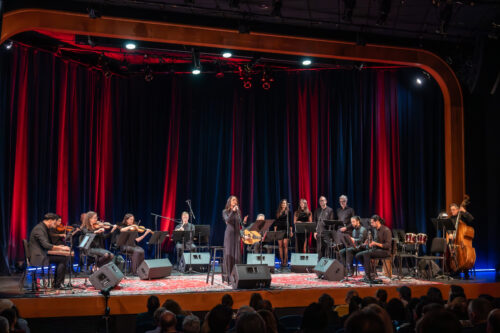
Our Center for Arts & Culture promotes a more integrated understanding of the Middle East, forging people-to-people connections and creating a destination for exploring the role of the arts in the region.
We elevate voices from the region in international conversation.
Our international conflict resolution dialogues bring together civil society and political leaders to achieve impact through cooperation both in and outside of the region.