This individual is a guest contributor. MEI is not able to assist with contact requests.
Professor Daniel Serwer (Ph.D, Princeton) is a senior fellow at the Foreign Policy Institute of the Johns Hopkins School of Advanced International Studies, where he taught conflict management for a decade. He serves on the board of the Syria Justice and Accountability Center, as well as on the J Street Advisory Council. His current interests focus on the civilian instruments needed to protect U.S. national security as well as transition and state-building in the Middle East, North Africa, and the Balkans. His book, Righting the Balance: How You Can Help Protect America, was published in November 2013 by Potomac Books.
Formerly vice president for centers of peacebuilding innovation at the United States Institute of Peace, he led teams there working on rule of law, religion, economics, media, technology, security sector governance, and gender. He was also vice president for peace and stability operations at USIP, where he led its peacebuilding work in Iraq, Afghanistan, Sudan, and the Balkans and served as Executive Director of the Hamilton/Baker Iraq Study Group. Serwer has worked on preventing inter-ethnic and sectarian conflict in Iraq and has facilitated dialogue between Serbs and Albanias in the Balkans.
As a minister-counselor at the U.S. Department of State, Serwer directed the European office of intelligence and research and served as U.S. special envoy and coordinator for the Bosnian Federation, mediating between Croats and Muslims and negotiating the first agreement reached at the Dayton peace talks. From 1990 to 1993, he was deputy chief of mission and chargé d’affaires at the U.S. Embassy in Rome, leading a major diplomatic mission through the end of the Cold War and the first Gulf War.
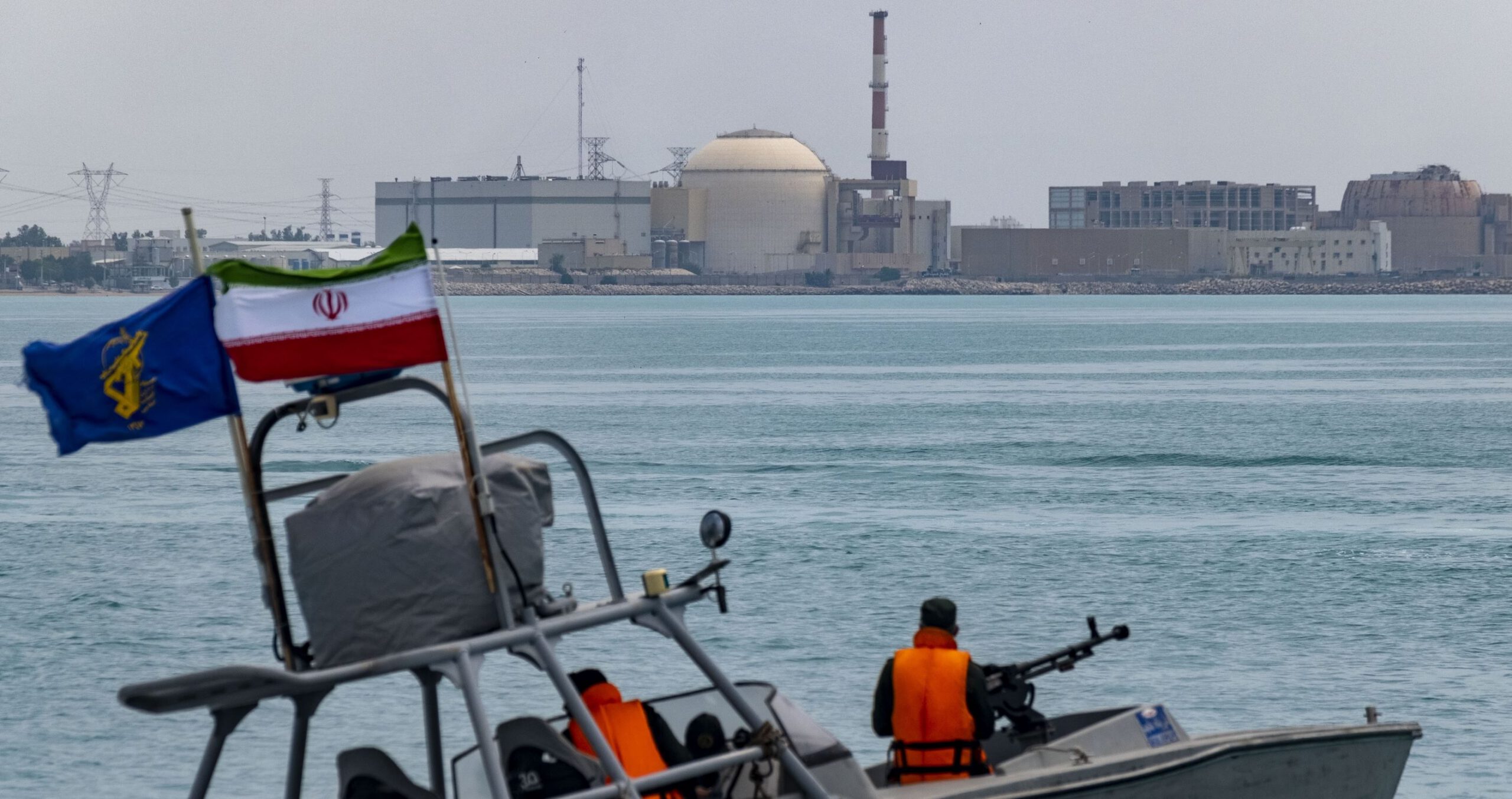
Iran is accumulating enough near-weapons-grade enriched uranium to build a nuclear weapon within weeks or months, not years. President Donald Trump, having withdrawn the United States in 2018 from the nuclear deal that would have postponed that possibility, is now appealing for negotiations with Tehran. But in the Middle East, the nuclear question does not concern only Iran.
Domestic Political Chaos Is Not the Only Thing Happening in Iraq
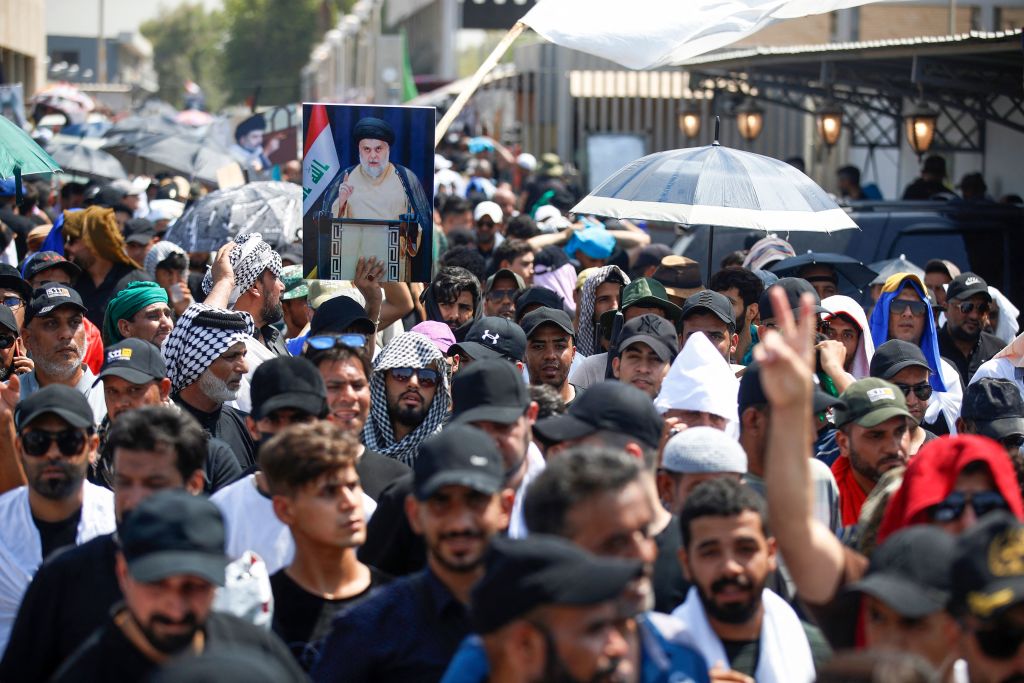
It appears that calm has returned to Iraq after the reported intervention of Ayatollah Ali al-Sistani, the country’s chief and widely respected Shia cleric. In recent weeks, violence had occurred in and near parliament, which has been unable to implement last October’s election results. The clashes involved demonstrators and armed forces loyal to Moqtada al-Sadr, the leading candidate in the elections, and militias loyal to a loose array of rival Shia political parties calling themselves the Coordination Framework.
Divided Syria: An examination of stabilization efforts and prospects for state continuity
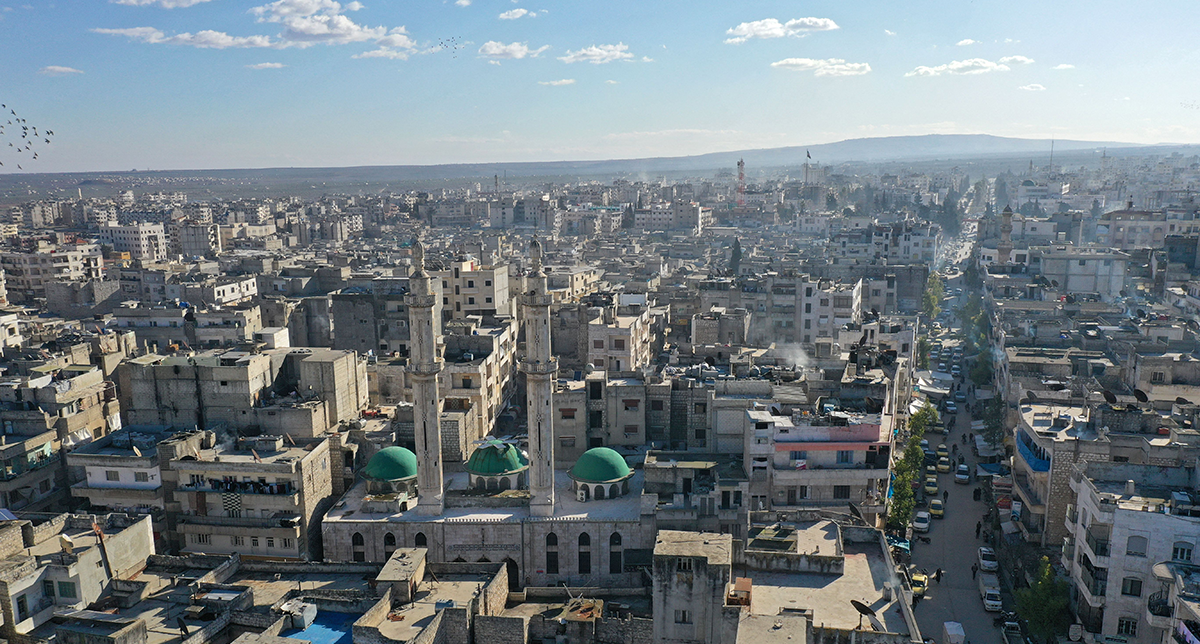
The war in Syria started with a ferocious regime crackdown on nonviolent demonstrations but transformed rapidly into a hydra-headed conflict. Syrian citizens with Gulf support took up arms to defend themselves, extremists rushed in, Iran and its proxies upped the ante, and moderate and extremist opposition forces fought both with each other and regime.
A not so progressive case for withdrawing from Syria
Elizabeth Tsurkov has courageously put forward what she calls a progressive case for staying in Syria. I would regard myself as progressive but I’m not convinced, even if I would have supported many of her arguments in the past. In arguing for an indefinite presence in Syria, Tsurkov relies on the notion that staying gives the U.S. influence over Ankara and Moscow, serves as a counter to Tehran, and pressures the Assad regime, possibly even creating “internal fissures in its senior ranks” and causing “the Assad regime to institute reforms that would benefit all Syrians.” Those fissures and reforms have been desired for the past eight years but have not yet appeared. It would be easier to argue that withdrawal is more likely to cause them, and to pressure Ankara and Moscow into countering Tehran.
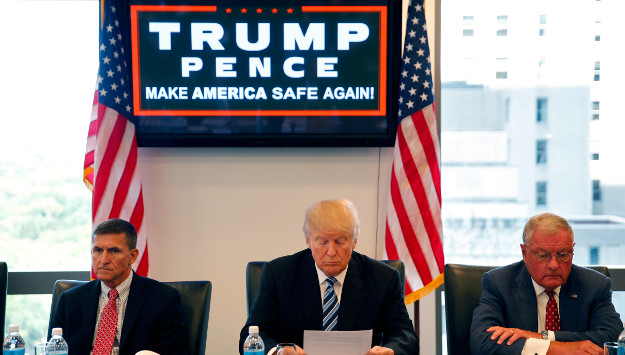
Monday Briefing: Trump Assembling Foreign Policy Team
In this week’s Monday Briefing, MEI experts Daniel Serwer, Charles Lister, and Eran Etzion provide analysis on recent and upcoming events including Trump’s potential foreign policy team, Al-Qaeda’s reaction to Trump’s election, and President Rivlin’s trip to India.
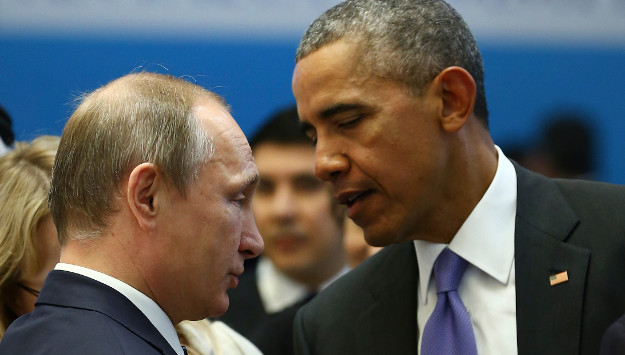
Weekly Briefing: Syria Talks at G20 Summit, Russian Moves on Israel-Palestine, and Iran Energy Policy
In this issues of MEI’s weekly briefing, contributors Daniel Serwer, Randa Slim, Eran Etzion, and Alex Vatanka provide analysis on recent and upcoming events including discussions between the United States, Russia and Turkey on Syria policy at the G20 Summit, the Syrian opposition’s transition plans, Russian moves on Israel-Palestine, and Iran’s energy policy.
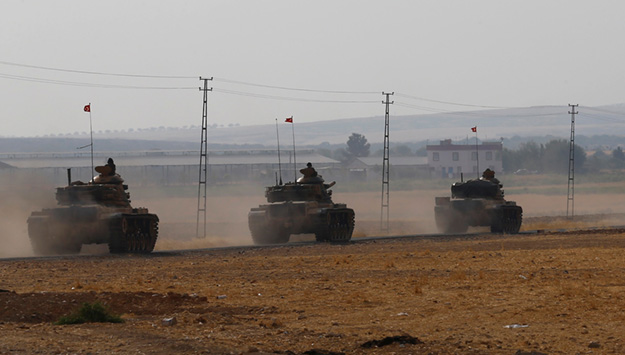
Monday Briefing: Turkish Incursion into Syria, OPEC Meeting
In this week’s Monday Briefing, MEI experts Gonul Tol, Daniel Serwer, and Jean-François Seznec provide analysis on recent and upcoming events including the Turkish intervention in Syria, and next month’s OPEC meeting in Algeria.
Monday Briefing: Chilcot Report, French FM in Lebanon, Iran Economy
In this week’s Monday Briefing, MEI experts Daniel Serwer, Alex Vatanka, and Paul Salem provide analysis on recent and upcoming events including the recent Chilcot Report, European trade delegations visit to Iran, and France’s push to end the Lebanon stalemate.
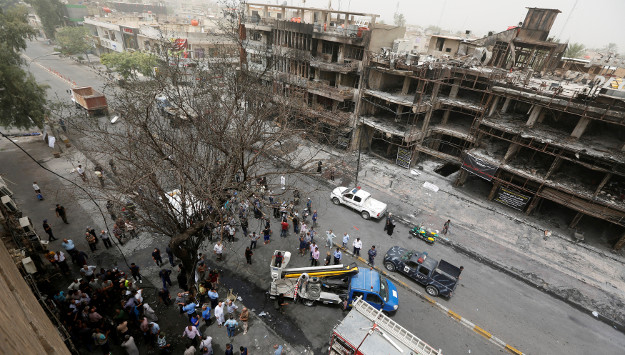
Weekly Briefing: Baghdad Bombing, NATO Summit, Israel’s Africa Outreach, and Saudi Embassy Trial in Iran
In this week’s briefing, MEI experts Hassan Mneimneh, Daniel Serwer, Paul Scham, and Alex Vatanka provide analysis on recent and upcoming events including the ISIS bombing in Baghdad, this week’s NATO summit in Warsaw, Israel’s outreach to Africa, and the trial in Iran over the ransacking of the Saudi embassy.
Monday Briefing: Brexit’s Impact on the Middle East; Syria File Changes Hands in Iran
In this week’s Monday Briefing, MEI experts Daniel Serwer, Paul Scham, and Alex Vatanka provide analysis on recent and upcoming events including Brexit’s impact on the Middle East, how Brexit is distracting the E.U. from Israel-Palestine issues, and Iran’s more moderate reshuffling of officials focusing on Syria.
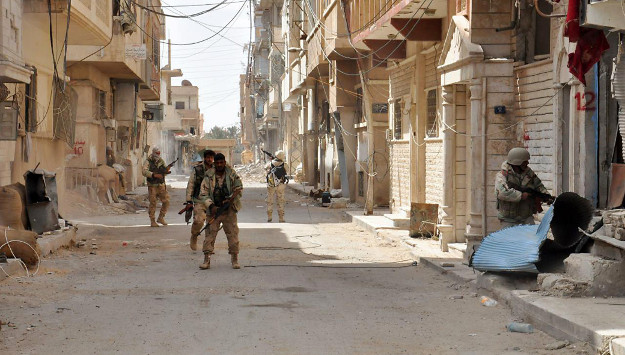
Monday Briefing: Palmyra, Mosul, and the ISIS Threat Abroad
In this week’s Monday Briefing, MEI experts Charles Lister, Paul Salem, and Daniel Serwer provide analysis on recent events including the capture of Palmyra by Syrian government forces, preparations for the campaign to retake Mosul, the risk of further terrorist attacks in Europe like last week’s in Brussels. Allen Keiswetter also responds to recent comments by Republican presidential candidate Donald Trump on U.S. policy toward Saudi Arabia.
President Barack Obama has notoriously disparaged the moderate opposition as “farmers or dentists or maybe some radio reporters who didn’t have a lot of experience fighting.” The key question about the Syrian opposition is not whether it can fight — in fact many of its cadres are former Syrian army soldiers — but whether it can govern.
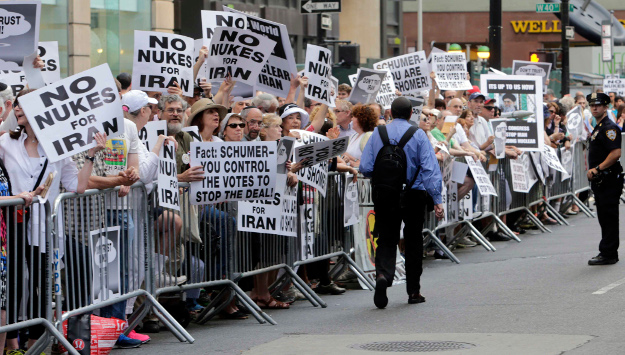
Here are some criticisms of the Iran deal that contain at least a kernel of truth; they are worth addressing for the sake of clarifying some of the arguments pro and con.