Four years of tectonic shifts that redrew the Middle East
Read MEI’s weekly briefing featuring expert analysis of key regional developments for the week ahead.
This individual is a guest contributor. MEI is not able to assist with contact requests.
Khaled Elgindy is a former senior fellow and director of MEI’s Program on Palestine and Israeli-Palestinian Affairs.
He is the author of the book, Blind Spot: America and the Palestinians, from Balfour to Trump, published by Brookings Institution Press in April 2019. Elgindy previously served as a fellow in the Foreign Policy program at the Brookings Institution from 2010 through 2018. Prior to arriving at Brookings, he served as an adviser to the Palestinian leadership in Ramallah on permanent status negotiations with Israel from 2004 to 2009, and was a key participant in the Annapolis negotiations of 2007-08. Elgindy is also an adjunct instructor in Arab Studies at Georgetown University.
Khaled’s writings have appeared in a wide range of publications, including The Christian Science Monitor, CNN.com, Foreign Affairs, Foreign Policy, The Los Angeles Times, The National Interest, The Washington Quarterly, and others. He is frequently quoted in The New York Times, The Washington Post, The Los Angeles Times, The Hill, Politico, and other print media, and is a regular commentator on TV and radio, including Al Jazeera, BBC, CNN, Fox News, MSNBC, NPR, PBS Newshour and others.
Read MEI’s weekly briefing featuring expert analysis of key regional developments for the week ahead.
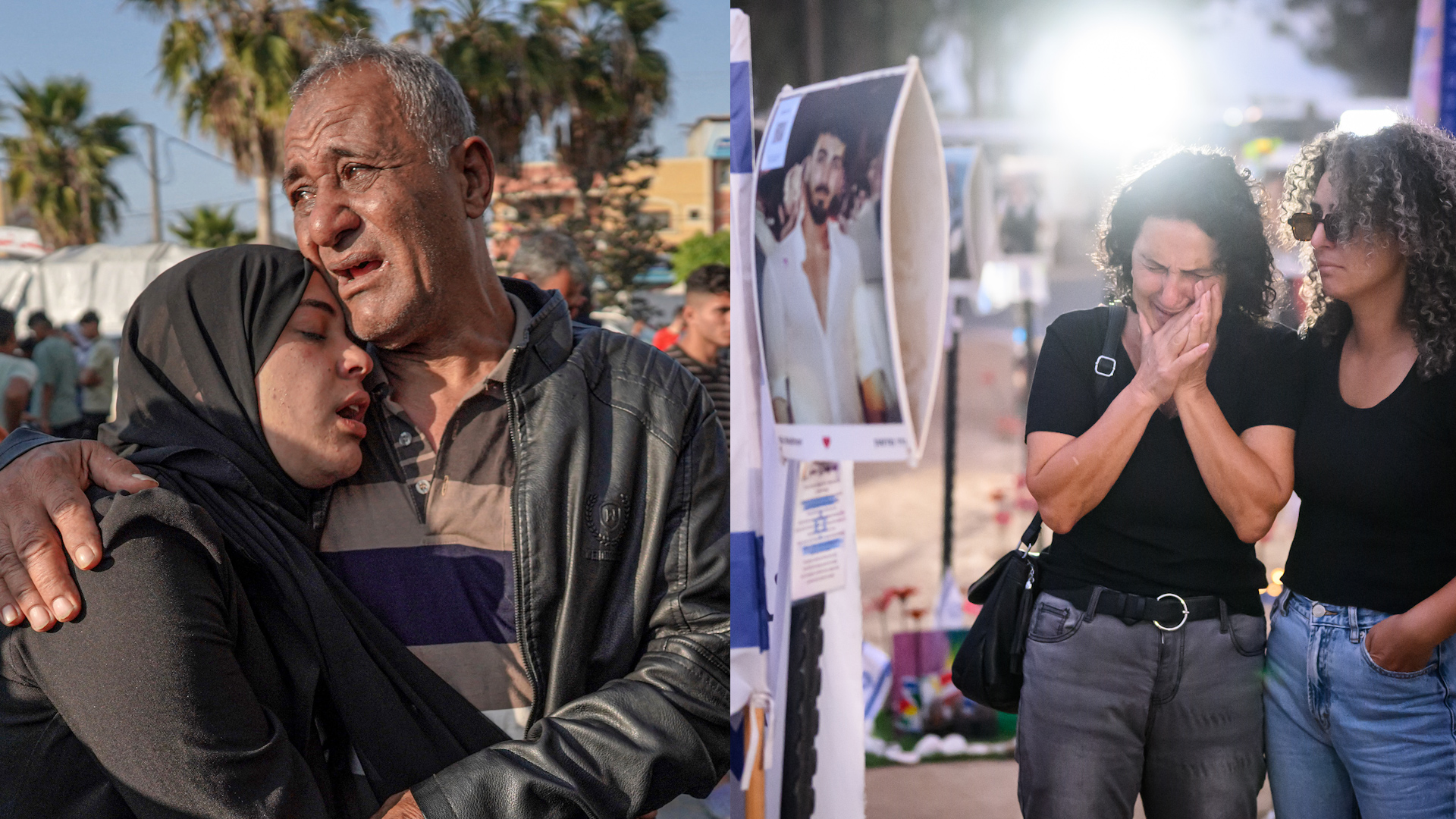
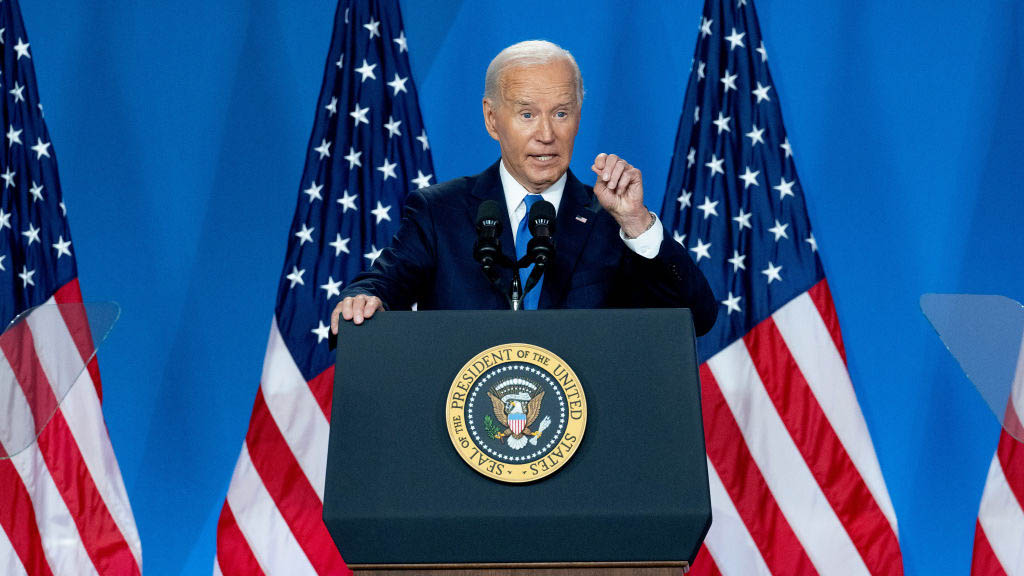
A year ago, in the wake of Hamas’s Oct. 7 attack, U.S. President Joe Biden traveled to Tel Aviv and met with Israeli Prime Minister Benjamin Netanyahu to reiterate his administration’s unwavering support for Israel. Biden’s embrace of Netanyahu was rooted in the belief that only positive inducements and constant reassurances—both militarily and diplomatically—could restrain Israel’s actions in Gaza. In reality, though, this “bear hug” diplomacy has resulted in an unmitigated failure.
Read MEI’s weekly briefing featuring expert analysis of key regional developments for the week ahead.
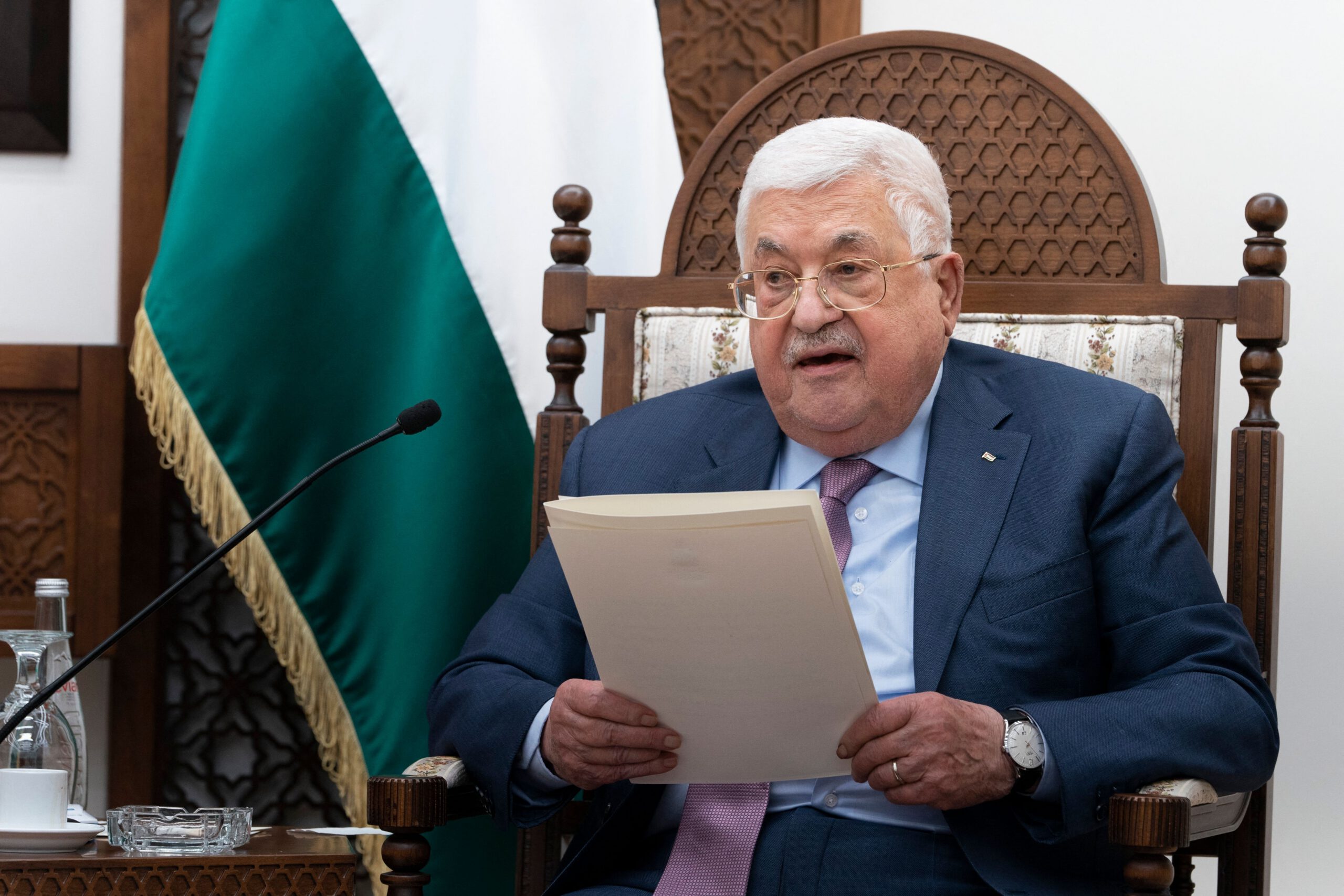
For nearly two decades, Palestinian leadership has been fractured. Along with a basic division between Hamas in Gaza and the Palestinian Authority in the West Bank, numerous other groups have competed for influence. In late July, leaders of all 14 Palestinian political factions, including Fatah and Hamas, met in Beijing to issue a call for national unity.
Read MEI’s weekly briefing featuring expert analysis of key regional developments for the week ahead.
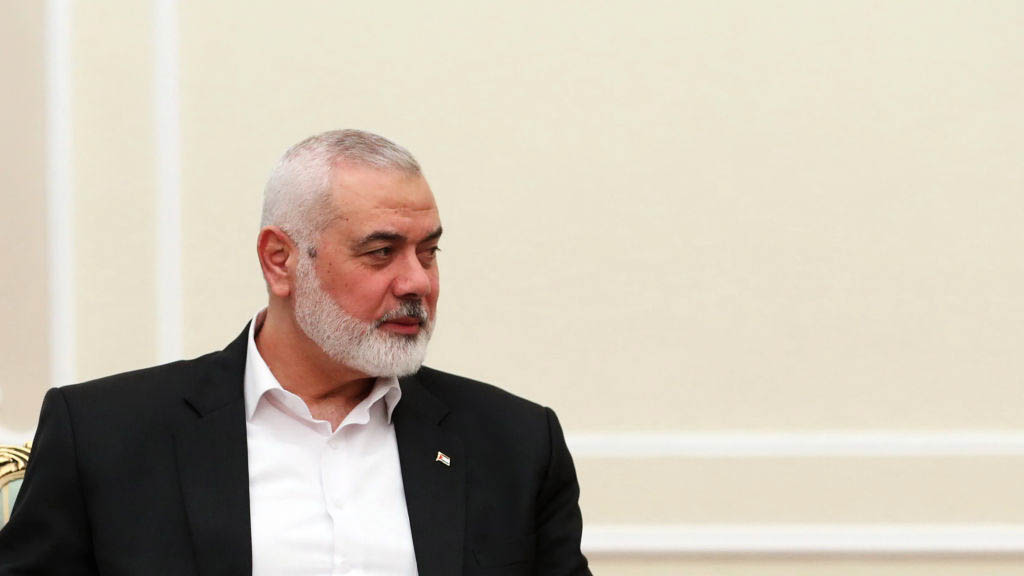
In a new special briefing, scholars from across MEI weigh in with their thoughts on the assassination of Hamas political leader Ismail Haniyeh and the potential regional impact.
Read MEI’s weekly briefing featuring expert analysis of key regional developments for the week ahead.
Israeli leaders insist that the extreme destruction in the Gaza Strip is unavoidable given Hamas’ use of “human shields” and the fact that the militant group has embedded itself among the civilian population and routinely operates from civilian structures like hospitals and schools. But far from explaining the current devastation, the questionable “human shields” charge has become a way to shield Israel from legitimate scrutiny and accountability.
Six months since the October 7 Hamas attacks on Israel and subsequent outbreak of war in Gaza, the deadly and devastating conflict looks no closer to concluding. Is it still possible to achieve a sustainable cessation of hostilities and restart the conflict-resolution process? To get there, what are the incentives and disincentives that could be constructed for the two main combatants, Israel and Hamas?
Read MEI’s weekly briefing featuring expert analysis of key regional developments for the week ahead.