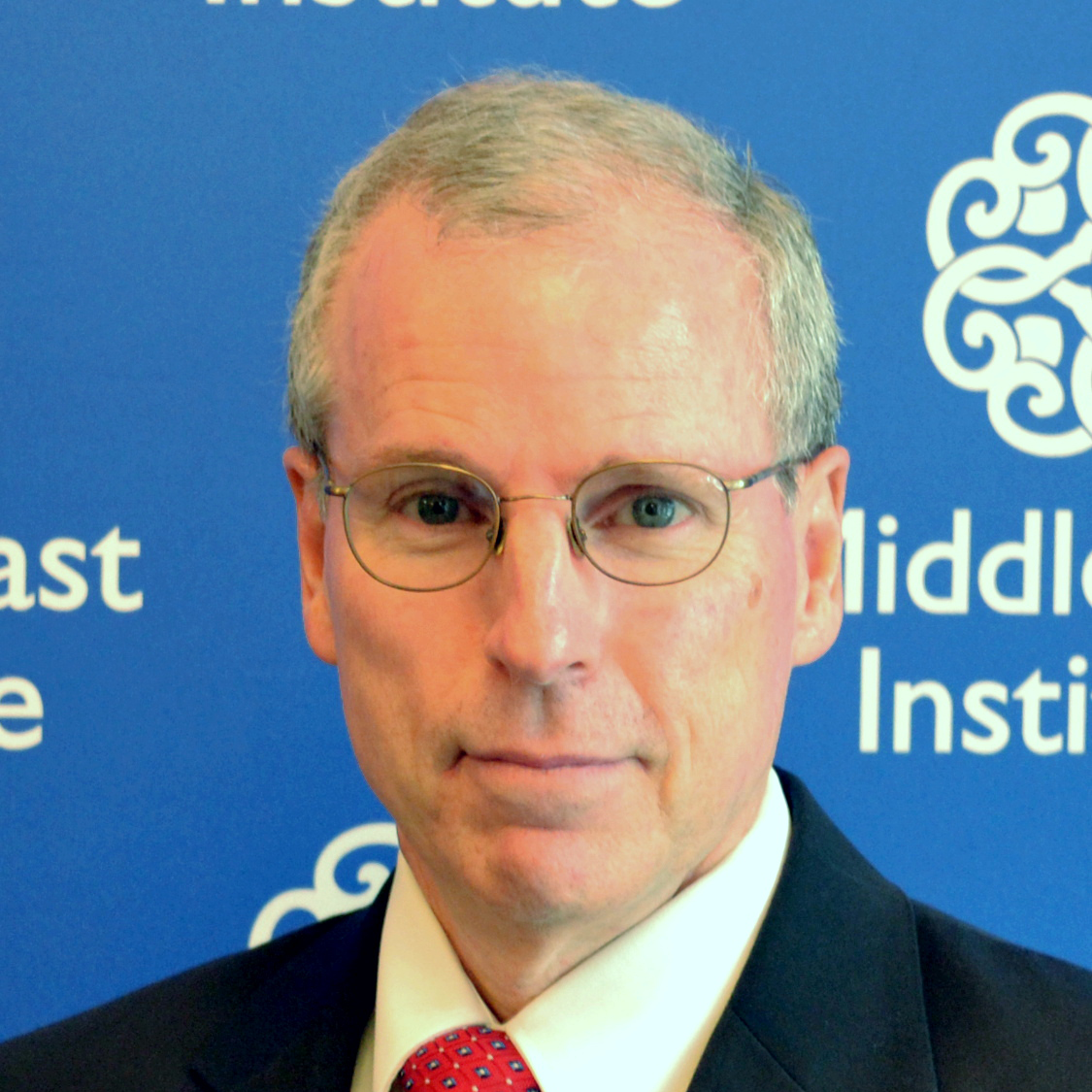
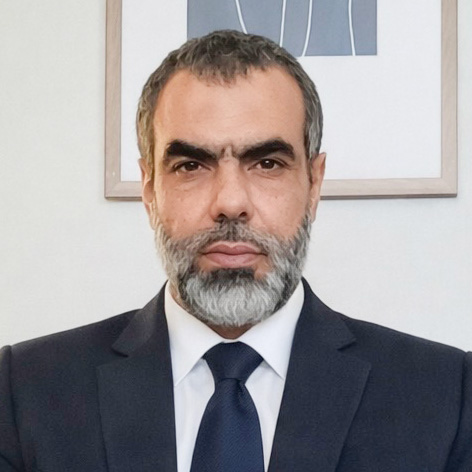
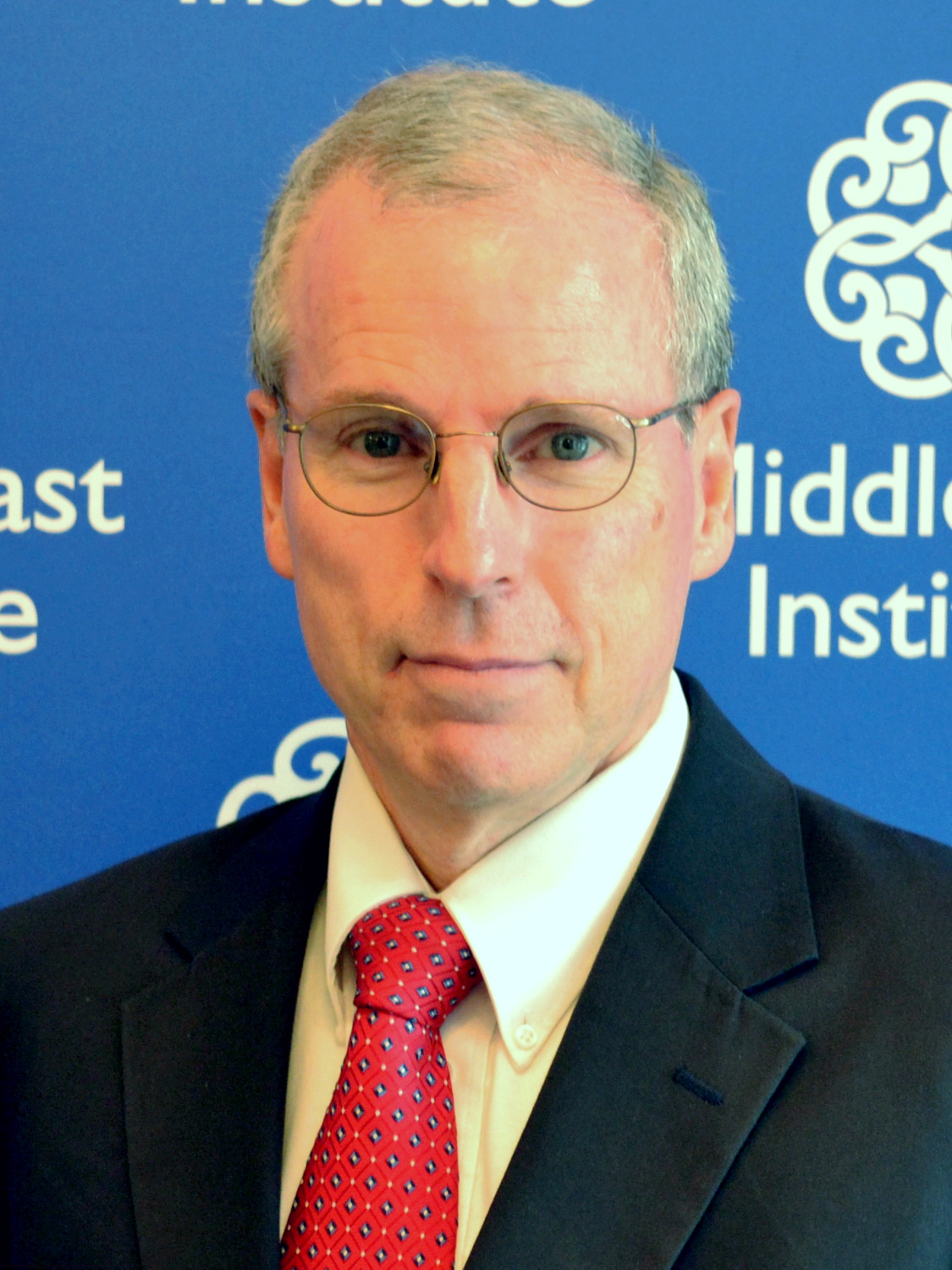
Amb. (ret.) Robert S. Ford is currently a senior fellow at the Middle East Institute in Washington where he writes about developments in the Levant and North Africa. Amb. Ford retired from the U.S. Foreign Service in 2014 after serving as the U.S. Ambassador to Syria from 2011 to 2014. In this role, Amb. Ford was the State Department lead on Syria, proposing and implementing policy and developing common strategies with European and Middle Eastern allies to try to resolve the Syria conflict. Prior to this, Amb. Ford was the deputy U.S. Ambassador to Iraq from 2008 to 2010, and also served from 2006 until 2008 as the U.S. Ambassador to Algeria, where he boosted bilateral education and rule of law cooperation. Amb. Ford served as deputy chief of mission in Bahrain from 2001 until 2004, and political counselor to the U.S. Embassy in Baghdad from 2004 until 2006 during the tumultuous establishment of the new, permanent Iraqi government. In 2014 he received the Secretary’s Service Award, the U.S. State Department’s highest honor. He also received in April 2012 from the John F. Kennedy Library in Boston the annual Profile in Courage Award for his stout defense of human rights in Syria. He has appeared on CNN, PBS, Fox, MSNBC, NPR, the BBC and Arabic news networks as well as in The New York Times and Foreign Policy.
Education
B.A. in international studies, Johns Hopkins University; M.A. in Middle East studies and economics, Johns Hopkins SAIS; Advanced Arabic studies, American University of Cairo
Regions of Expertise
Syria, Iraq, North Africa
Issues of Expertise
US foreign policy, economic and political development, Islamist movements
Languages
Arabic, French
Sample Interview:
April 17, 2015: An Interview with Amb. Robert S. Ford.
The Americans Are Gone. Will Iraq’s Militias Disarm?
On September 30, the US completed its military withdrawal from Iraq, ending a 12-year-long mission to combat ISIS that began in 2014. The date was also meant to be the deadline for disarming the largely Iranian-backed militias known as the Popular Mobilization Forces (PMF), but Prime Minister Ali al-Zaidi has now pushed that cutoff back to June 30, 2027. MEI Distinguished Diplomatic Fellow Amb. (ret.) Robert S. Ford joins hosts Alistair Taylor and Matthew Czekaj to discuss what the US military withdrawal means for Iraqi security and the nature of the bilateral relationship going forward. They also speak about what it will take for Baghdad to bring the PMF militias to heel, and how Iraq may navigate the post-Iran war era.
Hosts Alistair Taylor and Matthew Czekaj are joined by MEI Distinguished Diplomatic Fellow Amb. (ret.) Robert S. Ford to examine what is at stake for Iraq in the Iran war. The only country to have been hit by both sides, Iraq is caught in the middle of a regional conflict, with the local Iranian-backed Popular Mobilization Forces (PMF) carrying out attacks on American interests and personnel — and the US responding. This escalation comes at a period of internal political transition in Iraq, which has been locked in negotiations to form a new government since the November 2025 elections. Ford, who served as Deputy and later Acting Ambassador in Baghdad from 2008 until 2010, unpacks how Iraq is navigating the current moment, how the Kurdistan region fits into this equation, and what this all means for the future of US-Iraqi relations.
Iraq tries to assert state authority during crisis
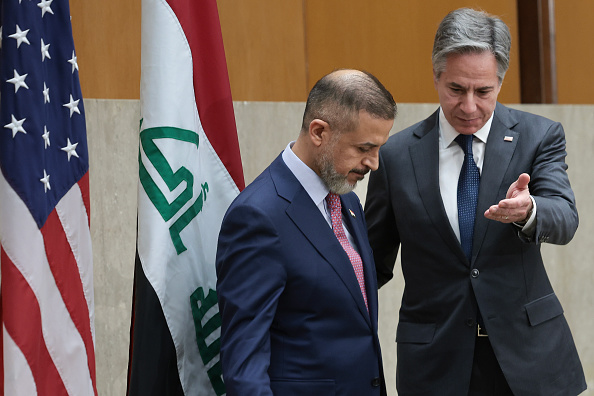
The Iraqi government has long navigated a path between maintaining political ties with its Iranian neighbor and Tehran’s allies inside Iraq on the one hand, and preserving its security relationship with the United States on the other. Unsurprisingly, it quickly welcomed US President Donald Trump’s June 23 Israel-Iran cease-fire agreement.
US success in Iraq means being a more reliable partner than Iran
There is no quick path to limiting or reducing Iranian influence in Iraq. Tehran will react fiercely to American efforts to destroy the militias and zero-out its influence, and it would have multiple avenues to escalate through the porous 900-mile-long border between the two countries. Moreover, domestic Iraqi reaction, especially among elements of the Shi’a population, would be reticent at best and hostile at worst to intensified American military actions. Nor should it be an American goal to stoke a civil war among Iraq’s Shi’a that would give Iran new access points.
Expert Views: How should we navigate the new rules of the game in the Israel-Iran conflict?
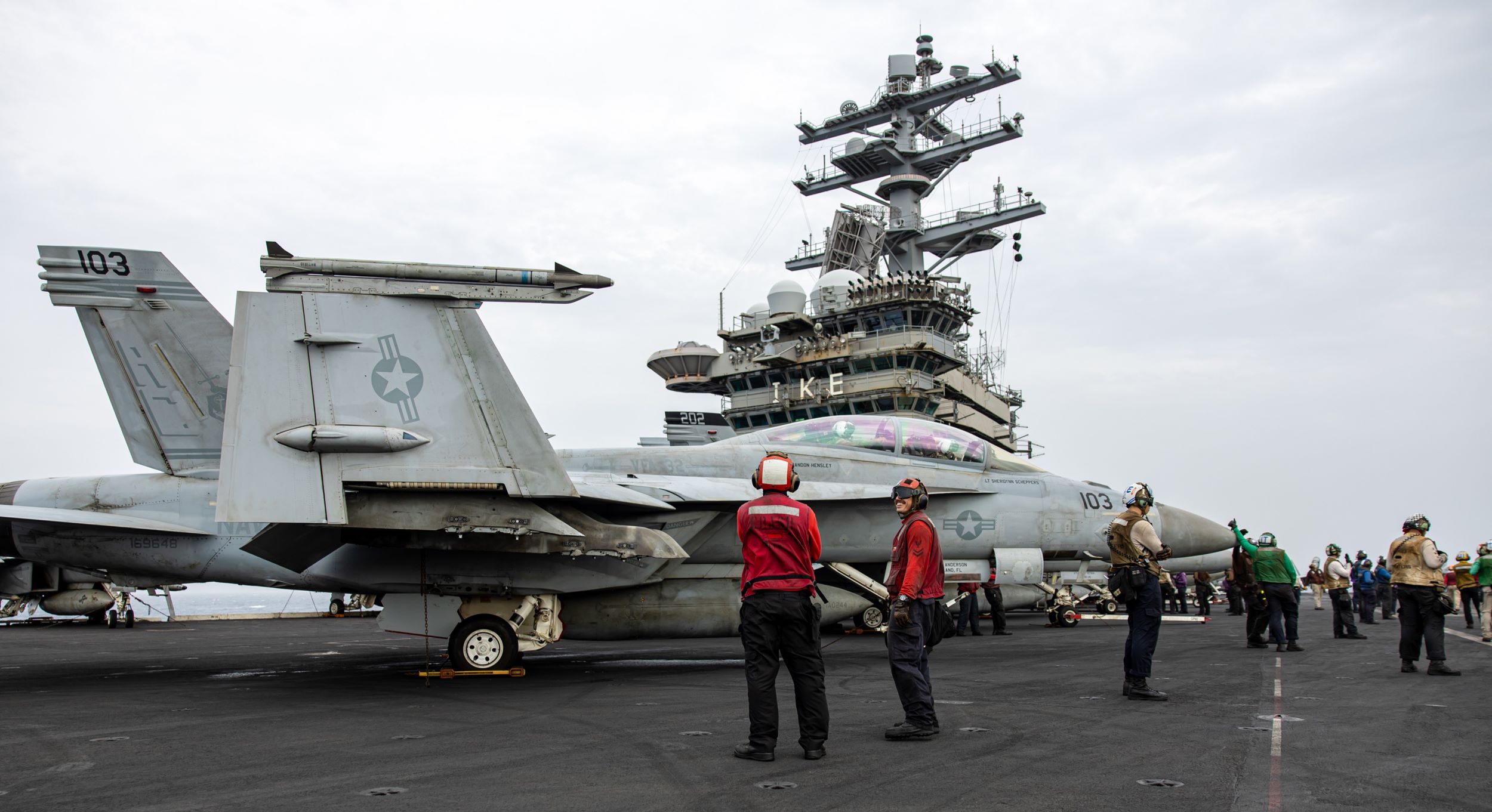
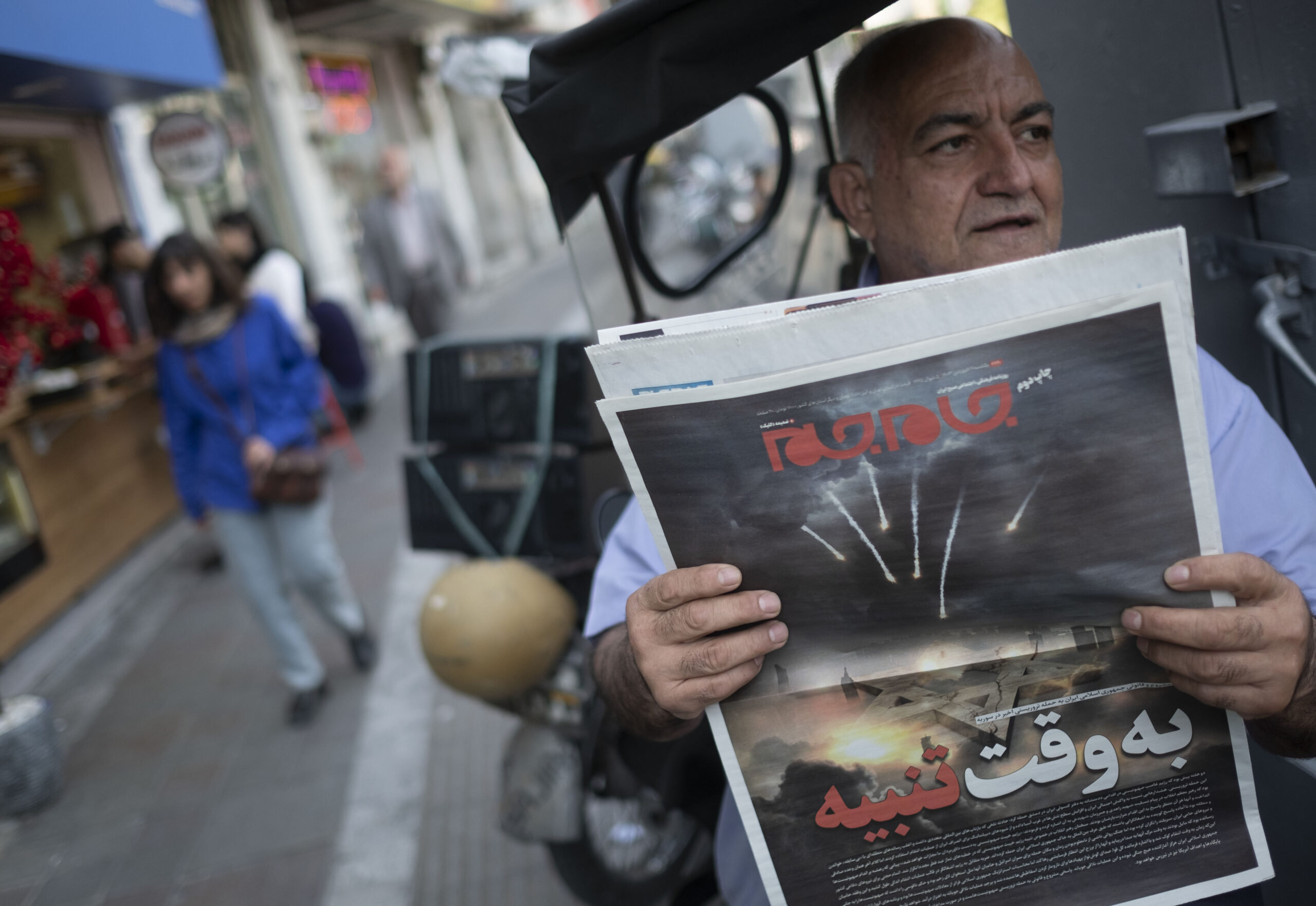
The month of April saw a series of unprecedented escalations in the long-simmering Iranian-Israeli conflict, with both countries launching missile and drone attacks against the other’s territory for the first time in history.
In the wake of these strikes, what will be the impact on the regional security and political environment going forward, what is needed to stabilize the new rules of the game, and how can US diplomacy help to facilitate that process? MEI has asked its experts to weigh in.
Expert Views: US diplomacy and the Israel-Hamas war
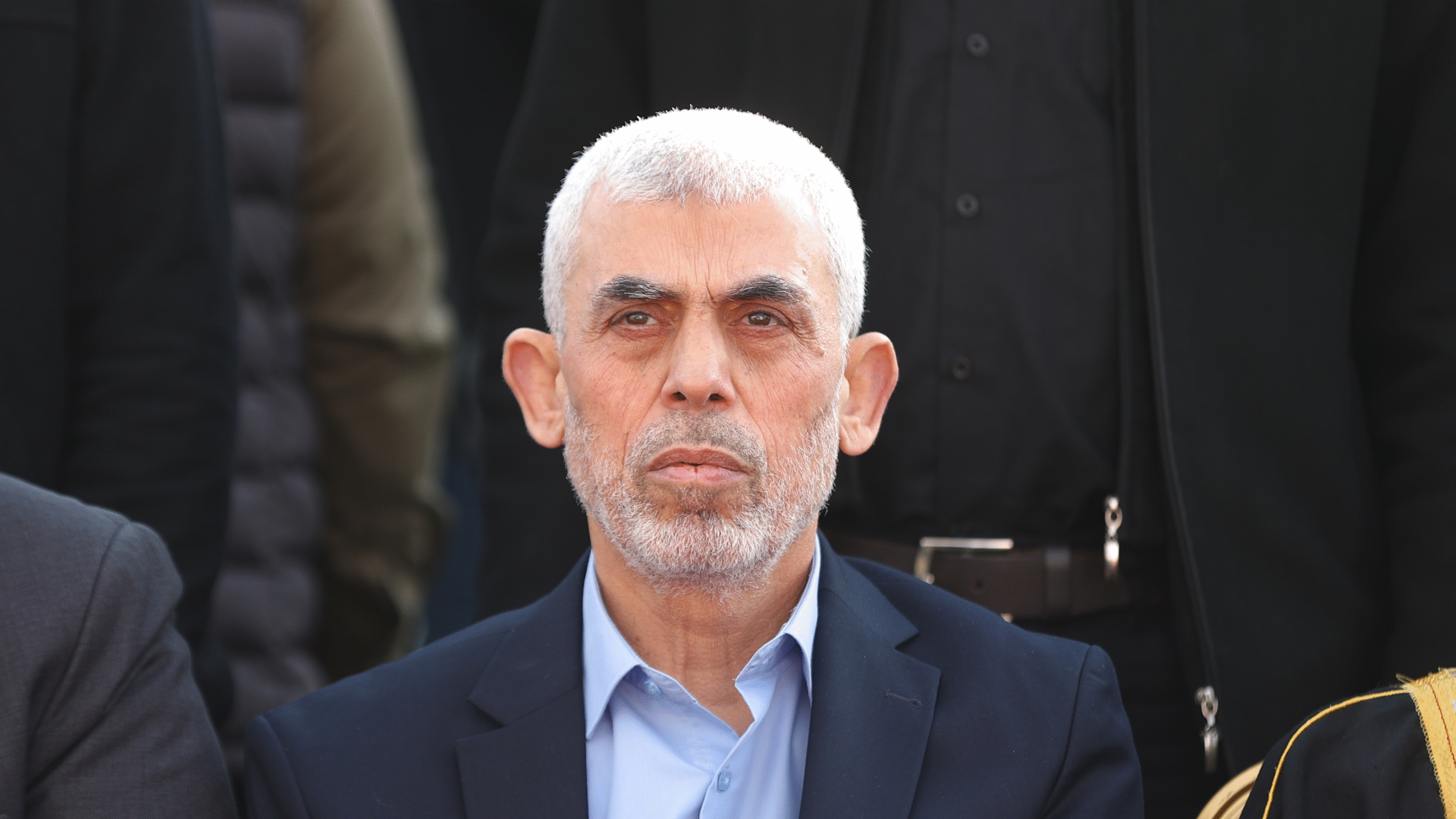
What further diplomatic steps should the U.S. take to respond to the Israel-Hamas war and its broadening regional reverberations? MEI has asked a group of former U.S. ambassadors and senior government officials specializing in the region to weigh in.