This individual is a guest contributor. MEI is not able to assist with contact requests.
William Lawrence teaches political science and international affairs at American University’s School of International Service. He has served as a senior diplomat, analyst, and international programs director. He lived and worked for fifteen years in seven Middle Eastern, North African (MENA), and Sahelian countries and France. Since 2011, he served as Crisis Group’s North Africa director, the Center for the Study of Islam and Democracy’s MENA Programs Director, and Control Risks’ MENA Associate Director. Previously, he served as Senior Advisor for Global Engagement in the State Department’s Bureau of Oceans and International Environmental and Scientific Affairs (OES), working closely with the White House on core Obama administration initiatives. He co-created the Global Innovation through Science and Technology (GIST) Program, the U.S. Science Envoy Program, and the Maghreb Digital Library; co-chaired the U.S.-Egypt S&T Development Fund for four years; and served at the U.S. Embassy in Tripoli, helping negotiate the first major U.S.-Libya agreement in decades. He also co-created the State Department’s Trans-Sahara Counterterrorism Initiative (later Partnership). He received six merit awards from the U.S. State Department, two medals from the Egyptian government, an alumni achievement award from Duke University, and the 2018 Distinguished Alumni Award from the Fenn School. He appears regularly on NPR, BBC, VOA, France 24, Sky News Arabia, Al Jazeera, and CGTN. He has taught at Georgetown, Johns Hopkins, George Washington, Tufts/Fletcher School, Amideast/Mohamed V in Rabat, and Cadi Ayyad in Marrakech and in the U.S. intelligence community and lectured at over 100 universities worldwide. His research, writing, and consulting focuses on youth protest and political culture; comparative politics; security challenges and responses; informal economy, development, and innovation; international engagement with the Middle East, Africa, and the Muslim world; and international and Islamic law and social change. He also co-produced six MENA-related films and fourteen albums of North African music.
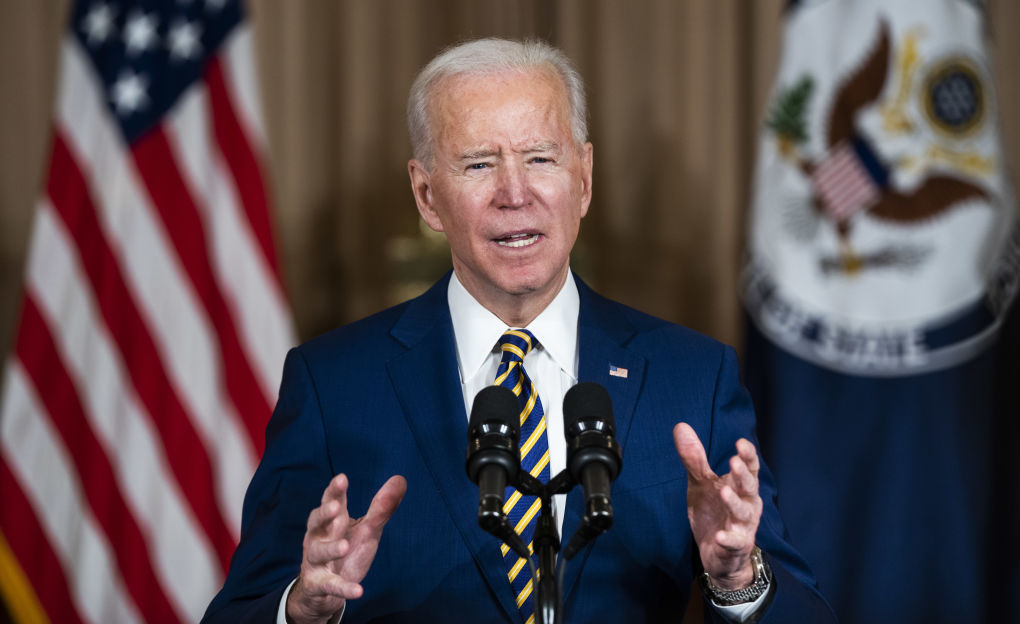
The Biden Administration and the Middle East: Policy Recommendations for a Sustainable Way Forward
In a new policy briefing book, entitled The Biden Administration and the Middle East: Policy Recommendations for a Sustainable Way Forward, MEI scholars tackle a large number of country-specific and region-wide issue areas, laying out both the abiding U.S. interests and specific recommendations for Biden administration policies that can further U.S. interests amid a region in turmoil.
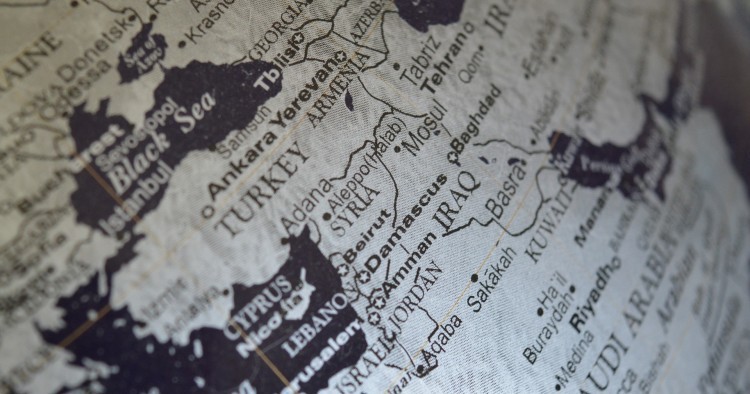
Election 2020: Challenges and Opportunities for US Policy in the Middle East
In a new briefing book released ahead of the U.S. elections in November, entitled Election 2020: Challenges and Opportunities for US Policy in the Middle East, MEI scholars lay out key issues across the region, highlight the U.S. interests at stake, and provide policy insights and recommendations for the path forward.
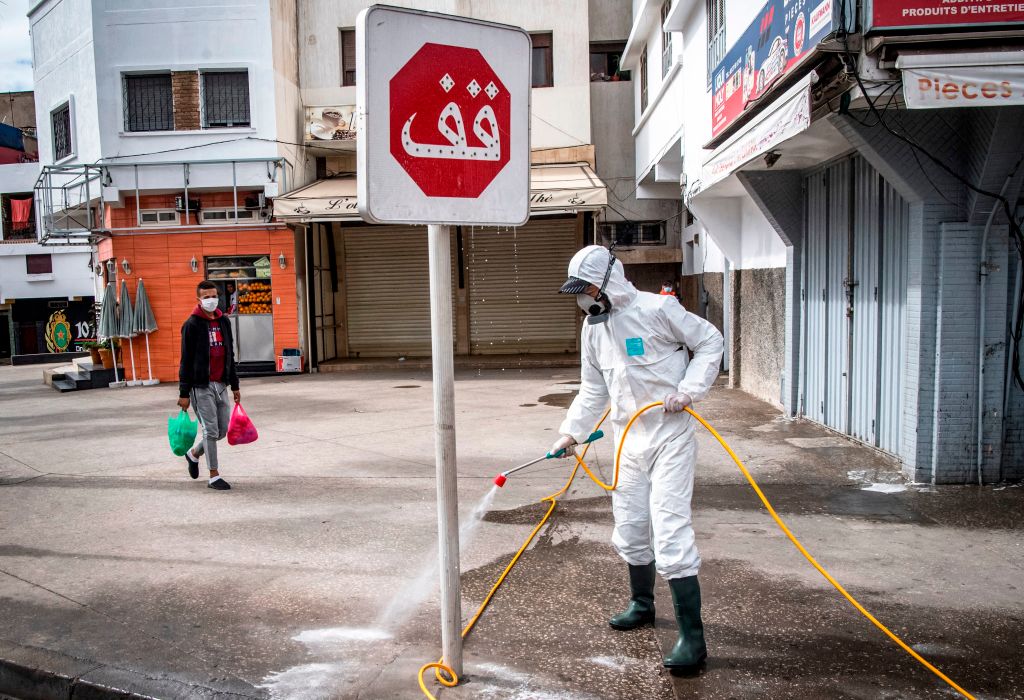
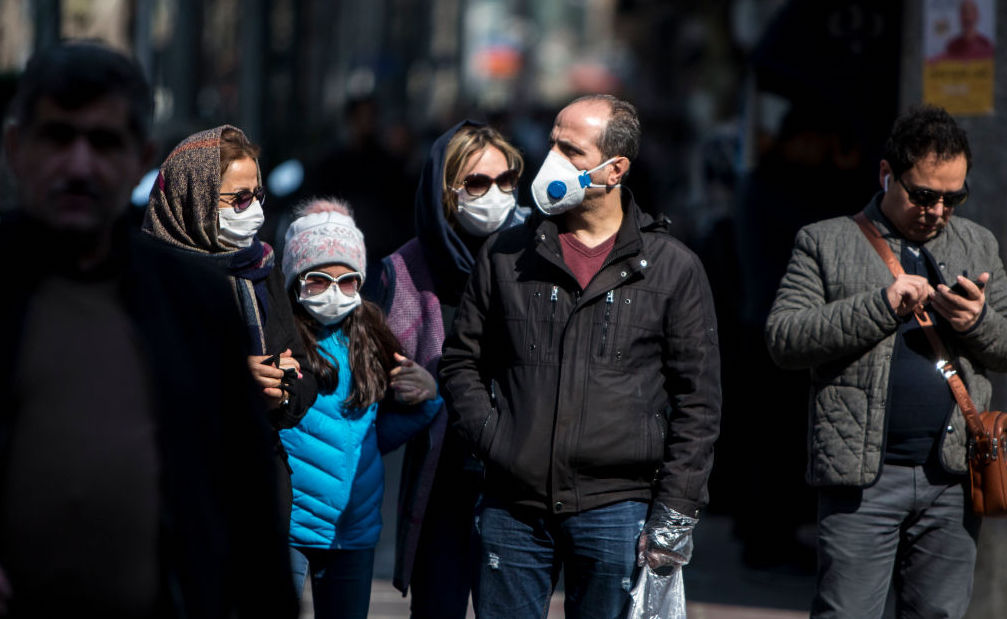
Communities mobilized and immobilized as COVID-19 continues to spread in North Africa
Governments and citizens throughout North Africa are gearing up for a huge increase in coronavirus infections expected in late March, April, and May. Just next door, Italy and Spain are two of the five worst afflicted countries on the planet.
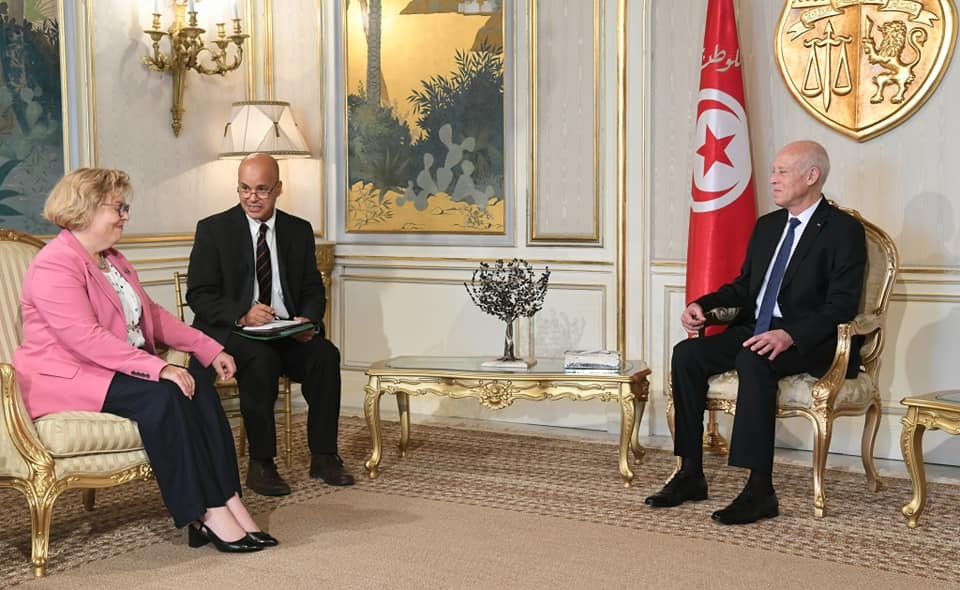
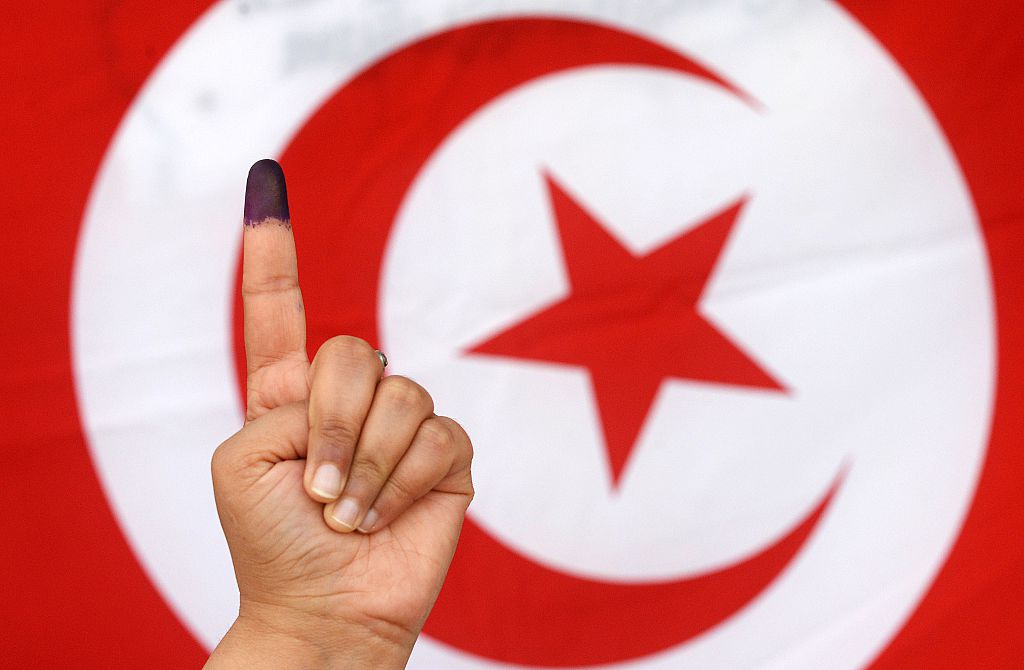
On September 15, Tunisia will hold a presidential election brought forward two months by the unexpected death of patriarchal President Beji Caid Essebsi. Much of the election analysis so far has been flawed, sometimes because of Western, Middle Eastern, ideological, or wishful analytical filters disconnected from Tunisian realities. Here are seven keys to understanding the elections that address core mischaracterizations and misperceptions.
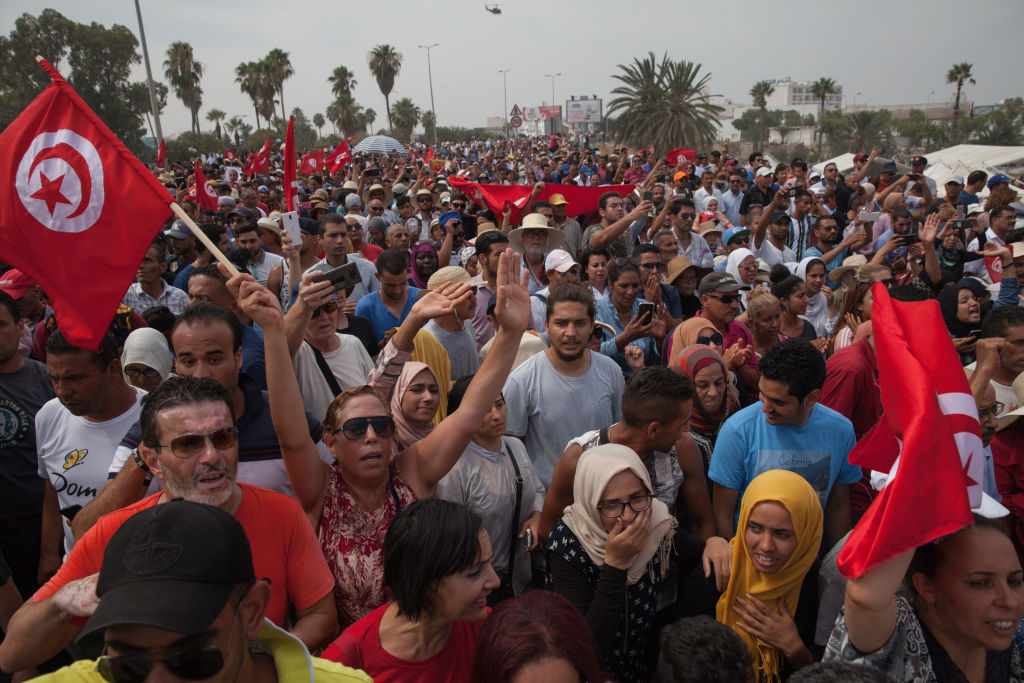
Tunisia’s patrician president embodied its strengths, values, and vulnerabilities
Laudatory statements and obituaries are pouring in for Béji Caïd Essebsi, who died last Thursday, July 25, in Tunis, and have emphasized his singular landmark accomplishment: serving as Tunisia’s first democratically elected president. While Essebsi’s legacy as president will be mixed, and he may not have been the greatest promoter of democratic praxis, he did emerge as Tunisian democracy’s greatest defender. What he leaves Tunisia and the world is a brilliant incomplete experiment, and, despite the growing resilience of Tunisians tested at the borders and in unruly borderlands, still a fragile experiment.
The EU-Arab League Summit and the African migration crisis
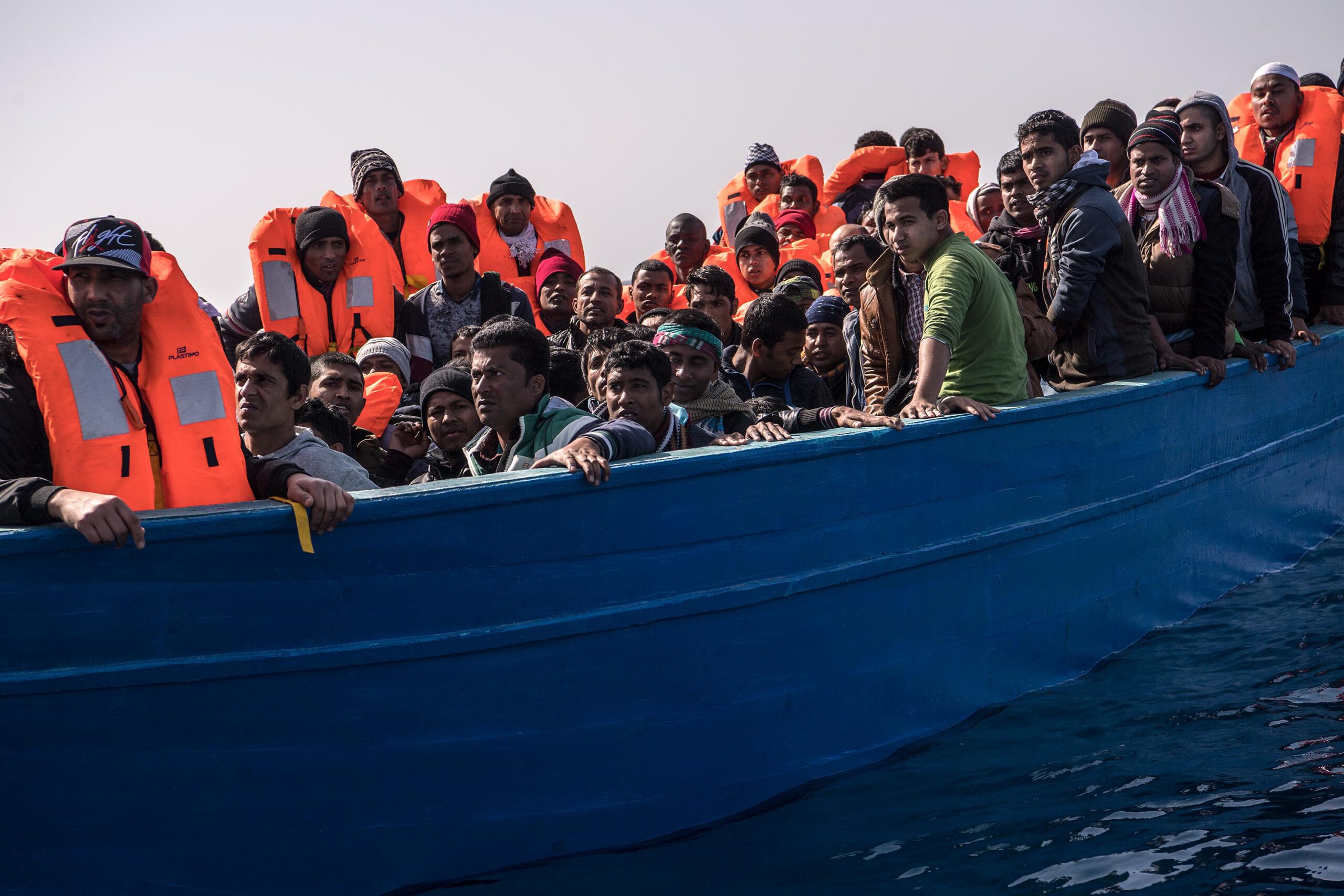
When this month’s EU-Arab League Summit in Egypt was announced last September, the issue of African migration to Europe topped the agenda. Other high-priority issues have since been added — such as solving five regional conflicts and addressing security, trade, and multilateralism — but migration remains the highest priority for a Europe still reeling from the 2015 migrant crisis.
Weekly Briefing: Failed Arab Economic Summit in Beirut underscores divisions
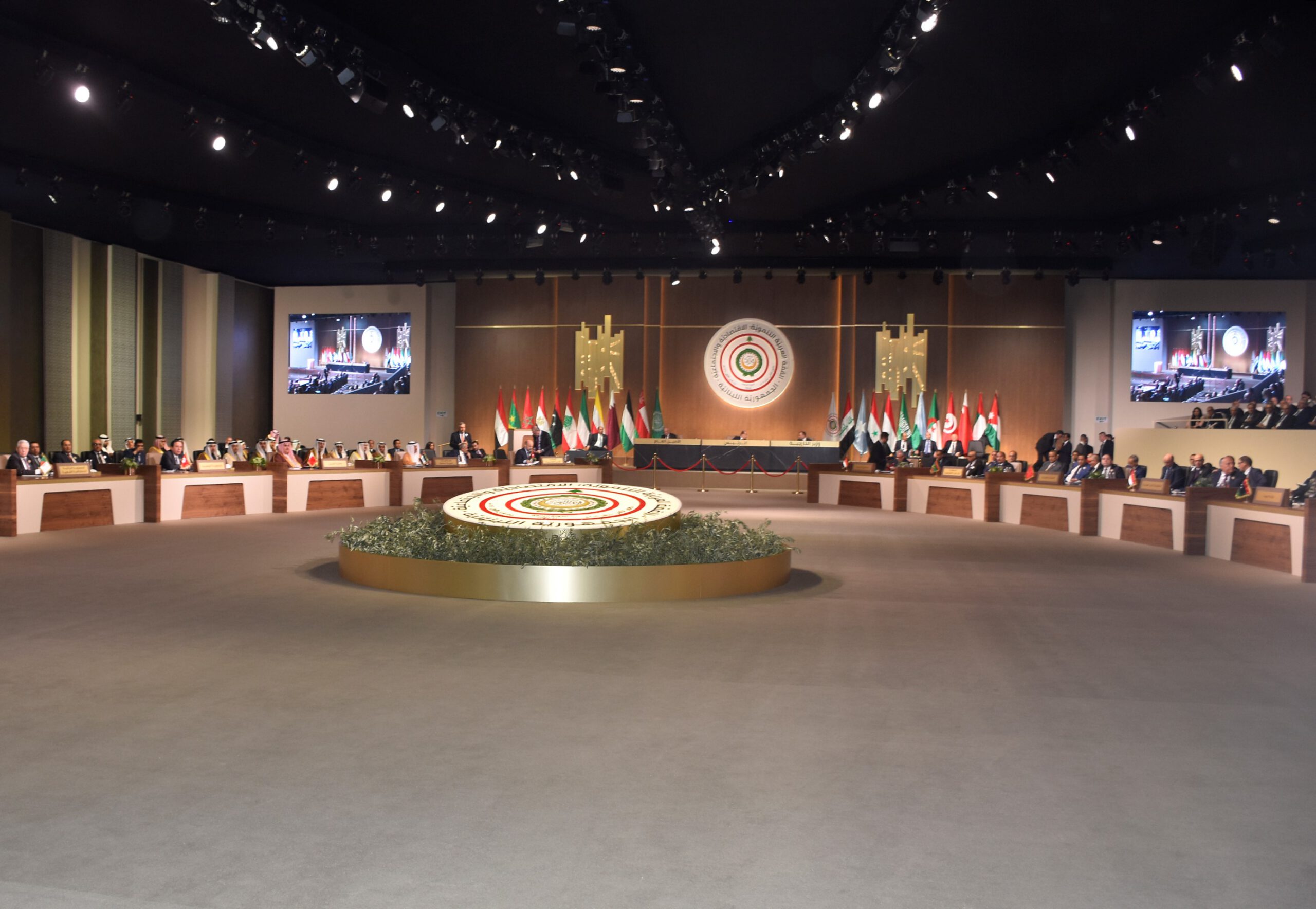
In this week’s Weekly Briefing, contributors Paul Salem, Marvin G. Weinbaum, William Lawrence, Ruba Husari, and Jean-François Seznec provide analysis on recent and upcoming events including the Arab Economic Summit held in Beirut this weekend, Afghanistan’s upcoming presidential elections, strikes in Tunisia, the Trump administration’s next steps on Iranian oil policy, and Saudi Aramco’s $10B bond issue.