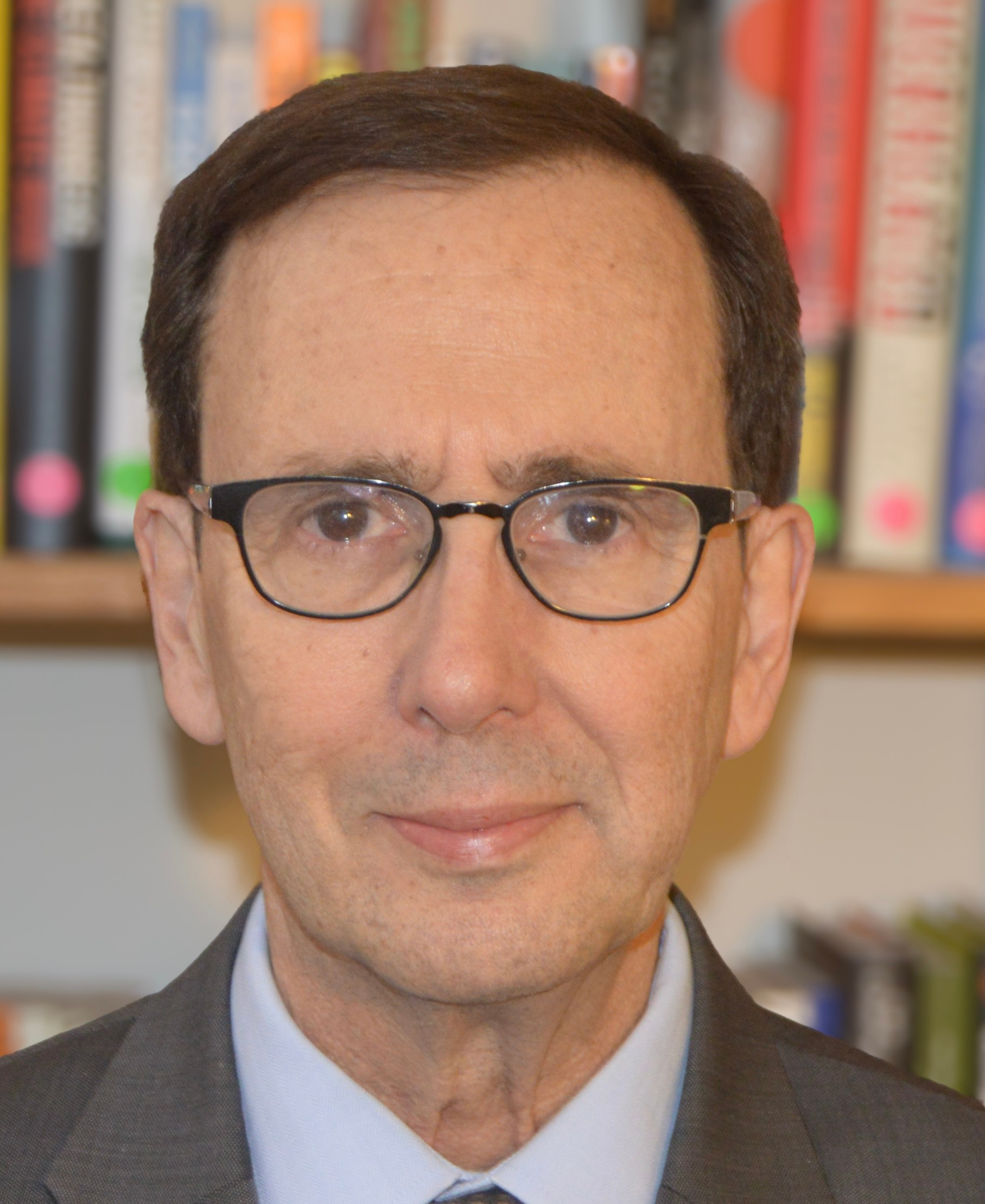
Alan Eyre is a Distinguished Diplomatic Fellow at the Middle East Institute and the founder and president of EyreAnalytics LLC. He retired from the US Foreign Service in September 2023 after a 40-year government career.
Most of Alan’s government service related to the MENA region, with a focus on Iran. He was the sole US career diplomat to be a core member of the US nuclear negotiating team from its 2010 start to the 2015 Joint Comprehensive Plan of Action (JCPOA) agreement with Iran, serving as the team’s Iran subject matter expert and also as the State Department’s first Persian Language Spokesperson. He was also the first US diplomat to serve in the political section of the newly reopened US Embassy Kabul in late 2001. In addition, he served as Director of the Iran Regional Presence Office (IRPO) at US Consulate Dubai, the State Department’s main field office for monitoring Iran. His overseas tours include Nigeria, Syria, the UAE (twice), Azerbaijan, the United Kingdom, and Jordan, where in his final tour he served as Political Counselor. His only Washington assignment was as Director of the Office for Middle East and Asia in the Bureau of Energy Resources (ENR).
Education
B.A. in Literature at Dartmouth College
Languages
Farsi, Dari, Arabic, French, Azeri
Countries of Expertise
Iran
Issues of Expertise
Iran; Nexus of National Security Policy and Biophysics
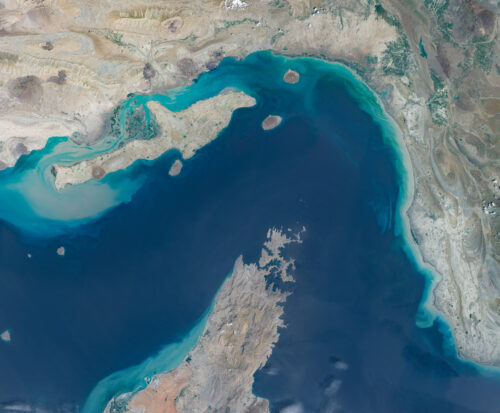
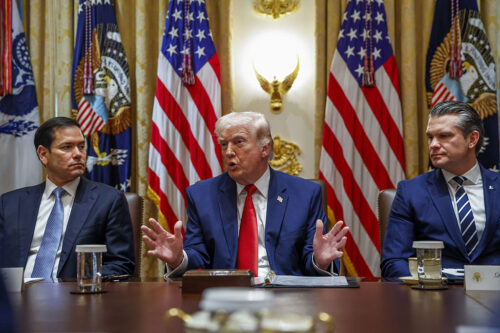
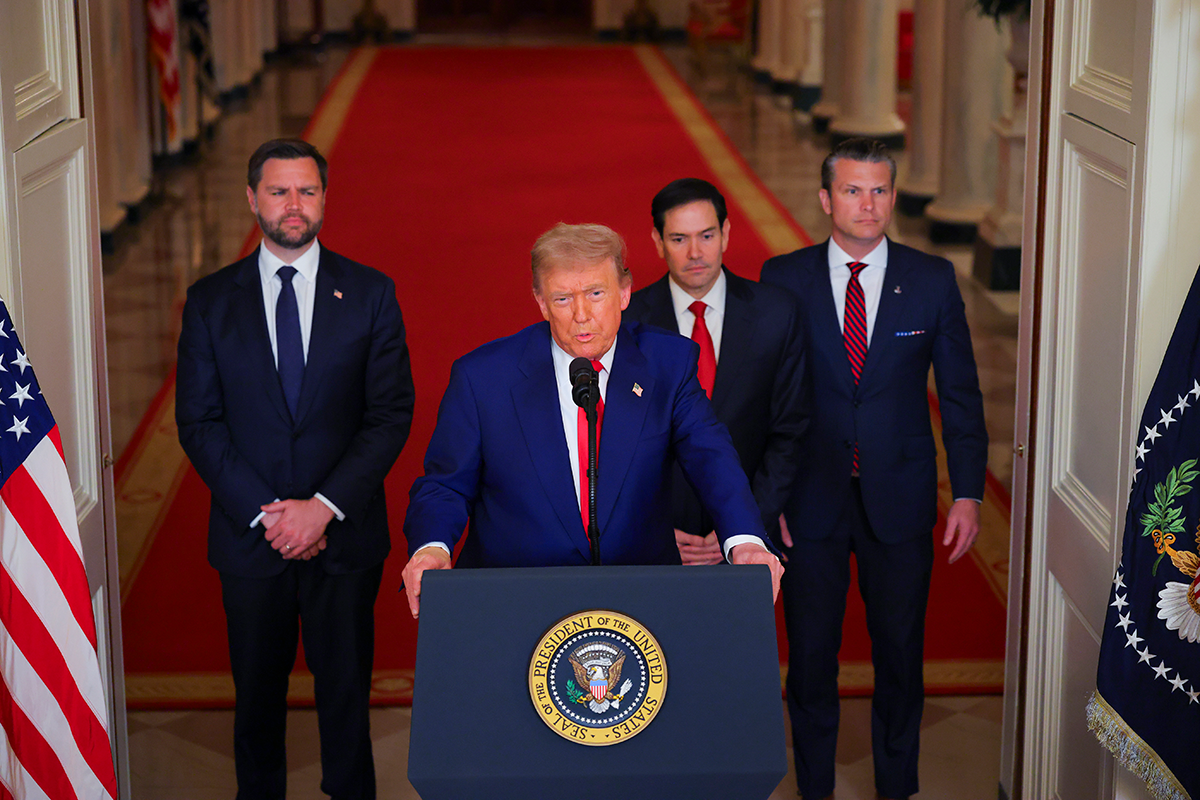
Proponents of the war with Iran have taken recent increases in crude-oil flows through the Strait of Hormuz as proof that the US strategy is finally working. President Trump is so confident in this that he recently rejected a seven-day plan, set forward by Iran’s foreign ministry, to end the war and open the strait. The United States is “winning tremendously,” Trump boasted.
It is now clear the United States is sinking into the quagmire of its war with Iran with no clear idea of how to get out. More than five months of intermittent bombing of Iran have not brought Tehran any closer to surrender. Recurring threats by US President Donald Trump to launch a massive military campaign against the country aren’t causing Iran to submit to US demands.
After nearly four months of war, the US and Iran have signed a 14-point memorandum of understanding declaring the conflict over, reopening the Strait of Hormuz, and beginning talks toward a final deal. Alan Eyre, MEI Distinguished Diplomatic Fellow and a core member of the 2015 JCPOA negotiating team, joins host Alistair Taylor to unpack the deal’s implications for both countries, its ripple effects across the region, and what a lasting settlement would take.
The US enters Israel’s war with Iran — MEI experts react
The United States struck three nuclear facilities in Iran on the evening of June 21, in the midst of the ongoing Israel-Iran conflict. MEI scholars provide real-time analysis to help make sense of what this escalation means and what might come next.
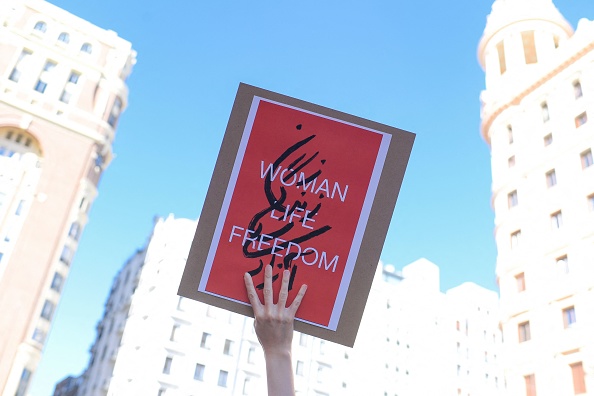
Last month marked the second anniversary of the death of 22-year-old Kurdish-Iranian Mahsa Amini and the “Women, Life, Freedom” movement born of her murder. The authorities’ subsequent brutal crackdown on the protesters is but one flagrant example of the government’s appalling human rights record. The regime’s disdain for international human rights norms is not the recent result of Iran’s transition from Islamic theocracy to nationalistic military-security state. Rather, it has been a feature of the regime from the beginning, as shown by (inter alia) the 1988 mass executions of Iranian prisoners.