This individual is a guest contributor. MEI is not able to assist with contact requests.
Douglas London is a retired, decorated, 34-year veteran of the Central Intelligence Agency’s Clandestine Service. Mr. London’s experience as an Intelligence Community leader includes executive positions and multiple field assignments as a CIA Chief of Station and Director of National Intelligence Representative, the President’s senior intelligence representative. He served extensively across the Middle East, Africa, and South and Central Asia and was likewise a CIA subject matter expert on Iran, Counterterrorism, and Weapons of Mass Destruction.
Navigating the shadows: Afghanistan’s terrorism landscape three years after the US withdrawal and its international implications
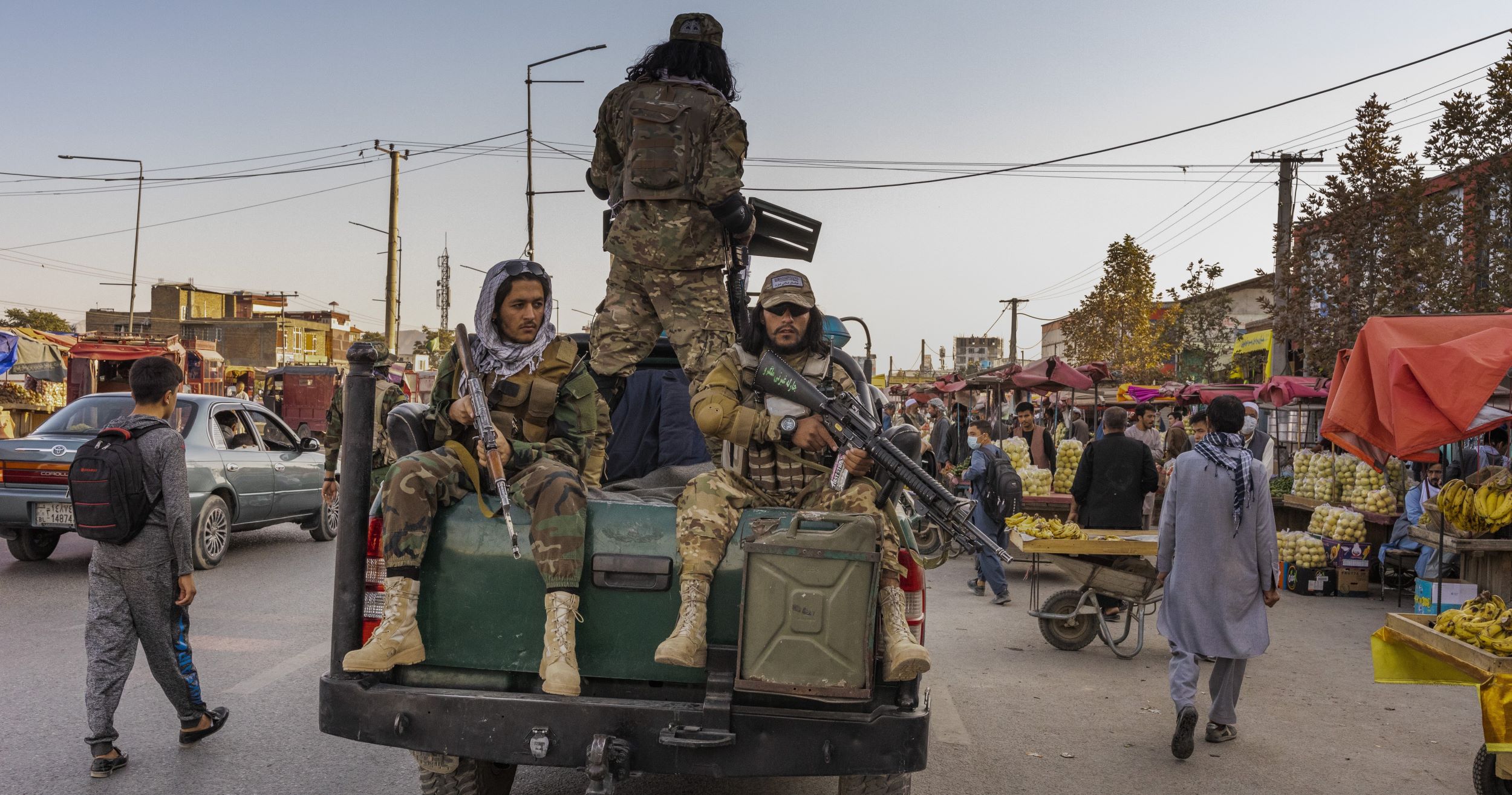
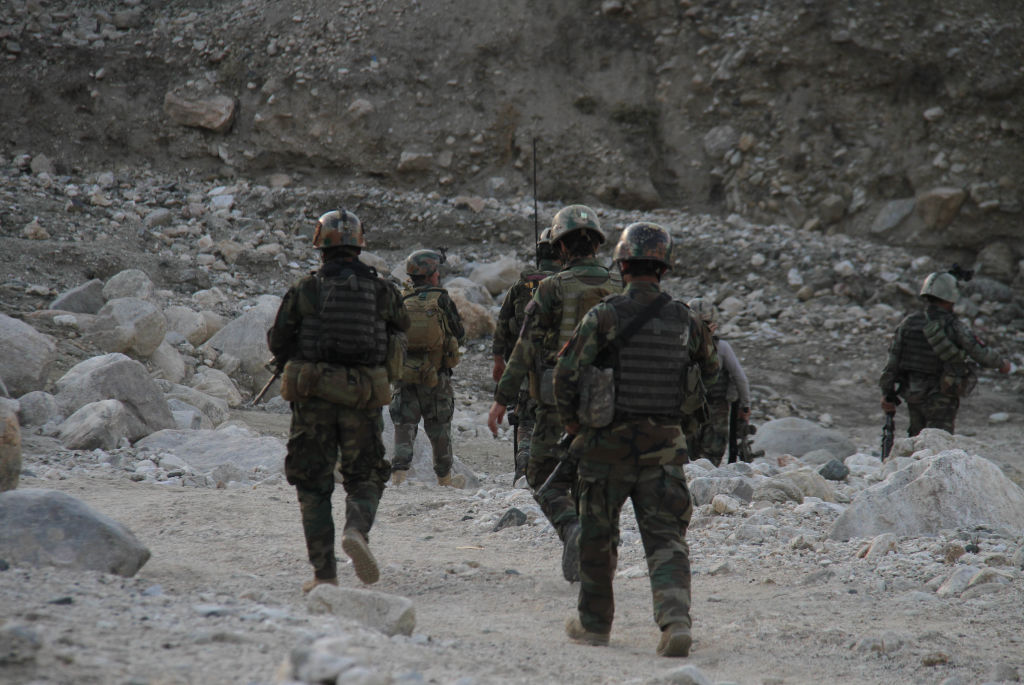
Three years since the US and allied withdrawal from Afghanistan, the facts on the ground challenge some more optimistic depictions of the Taliban’s counterterrorism cooperation with the US, al-Qaeda’s reemergence, or the capacity of ISKP to direct external attacks that could threaten American interests.
The road to war with Iran is paved with good intentions and serious miscalculations
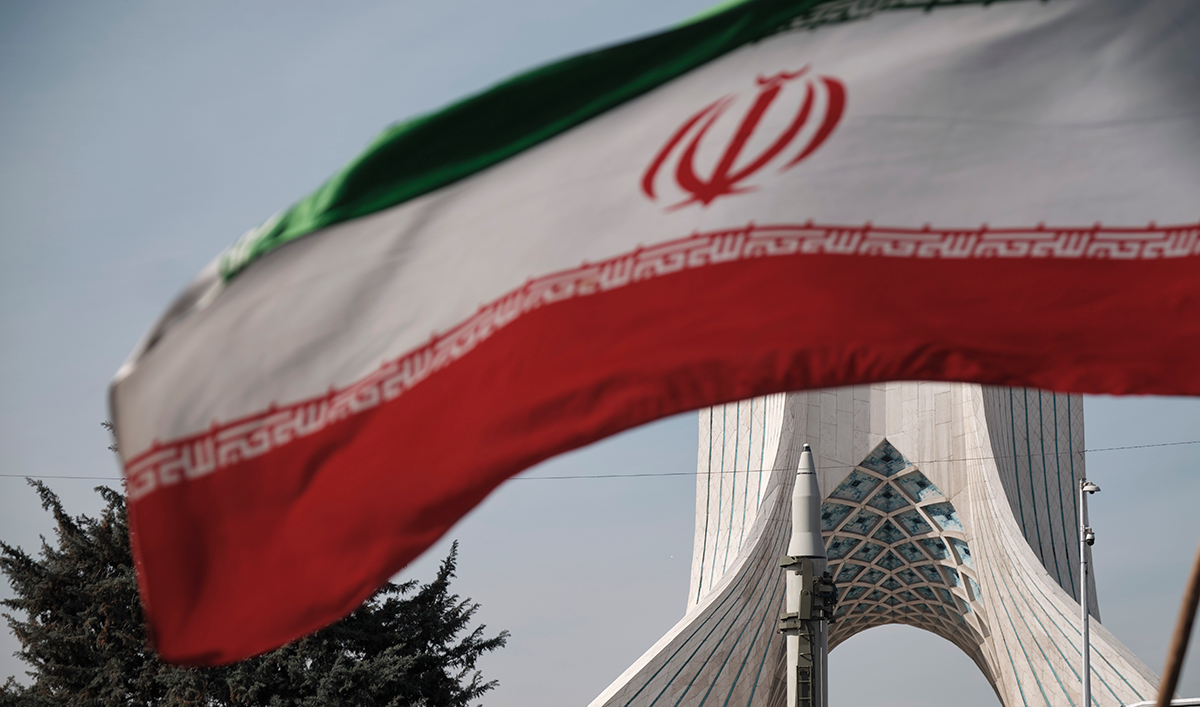
Forty-five years after Iran’s February 1979 revolution, American officials continue to struggle to understand this nation of almost 90 million. Rather than trying to solve a crisis that threatens to draw the US into direct conflict with Iran, the Biden administration appears more intent to manage it.
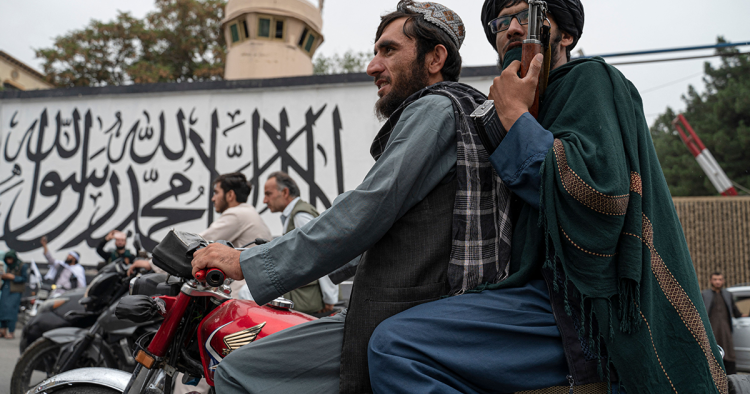
The United States should diplomatically recognize Afghanistan’s Taliban government. That’s not easy for us to say as a former Afghan ambassador and former CIA regional counterterrorism chief. Doing so will be perceived as a painful betrayal to many, but the alternative—allowing Afghanistan’s dangerous descent into a hermit kingdom and forsaking the insight and means to influence or shape events—would mean more dire consequences for all.
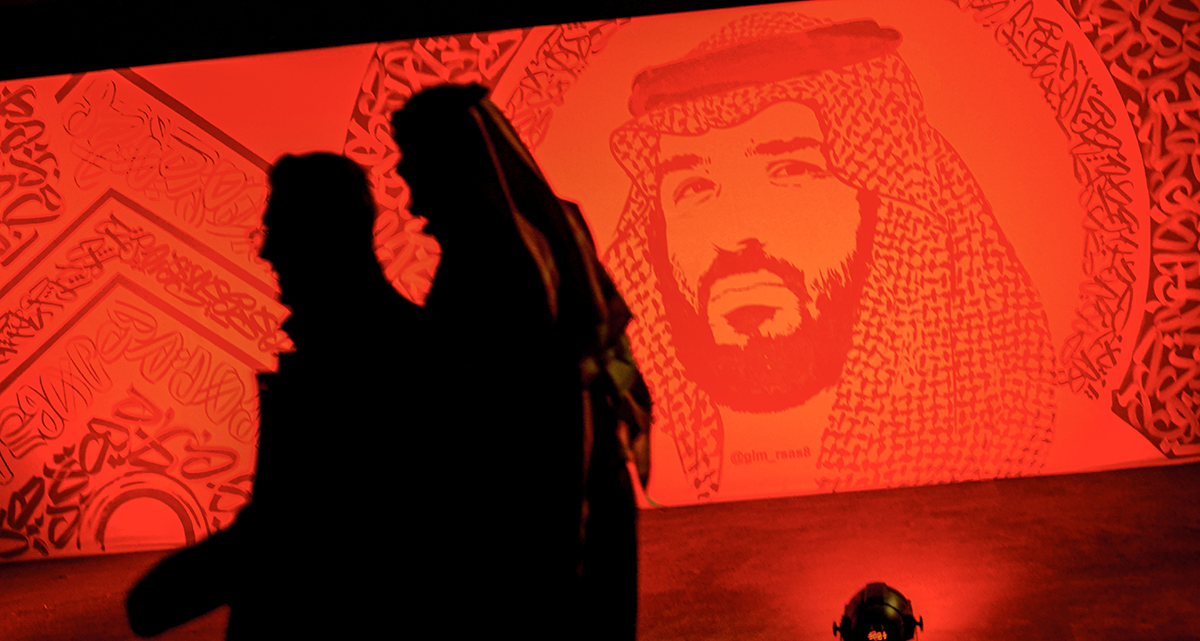
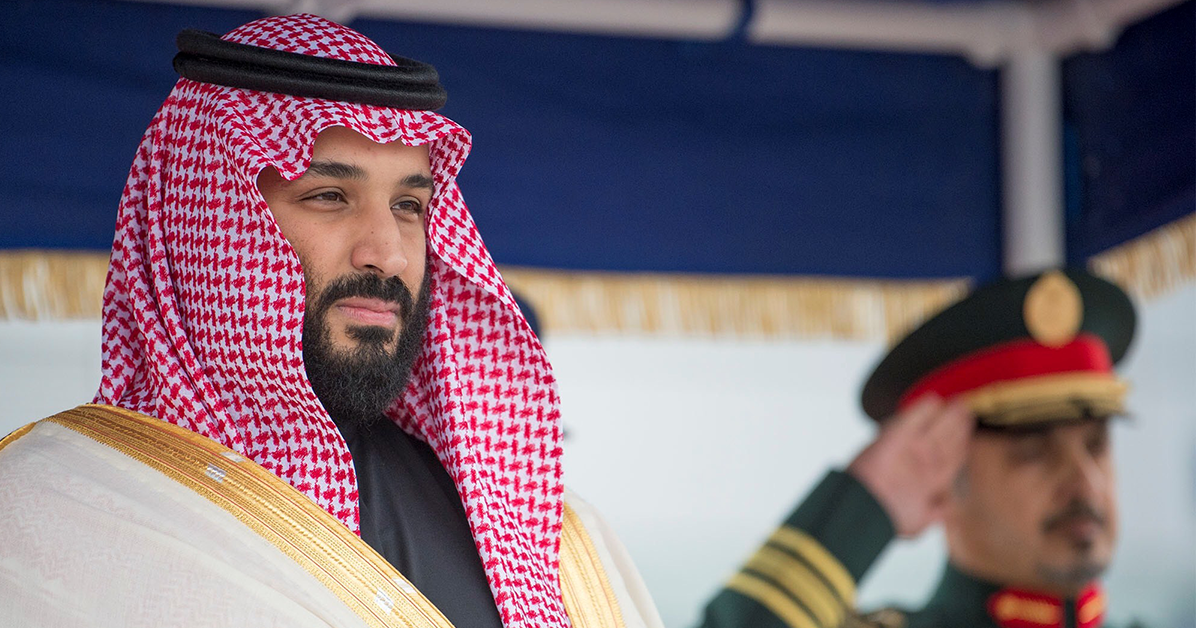
Crown Prince Mohammed bin Salman has surrounded himself with those who would indulge him and pose little threat. His circle comprises younger, less experienced but presumably loyal princes in key ministerial positions as well as a few select, savvy, experienced older half-brothers and uncles loyal to his father. There are also several notable royal holdovers from smaller family branches, the odd competent technocrat, and a cadre of minions from across the military and security agencies.
When gaming out the country’s likely political trajectory, most fellow Saudi watchers I know agree that the likelihood of the kingdom imploding is slight, but were that to come to pass, the consequences for the U.S. and the rest of the world would be enormous. Yet Saudi Arabia has managed to negotiate several turbulent events in its recent history with a rather remarkable lack of destabilization. And it’s most likely to continue along that trend, even in the face of what could be more storms to come.
Partnering is a practical necessity for both countries but need not come at the cost of abandoning core values. The U.S. continues to exercise significant leverage and its own interests are better served globally by demonstrating credibility in what it stands for and reliability in its commitments. The U.S.-Saudi relationship has ample room to bend before it risks breaking.
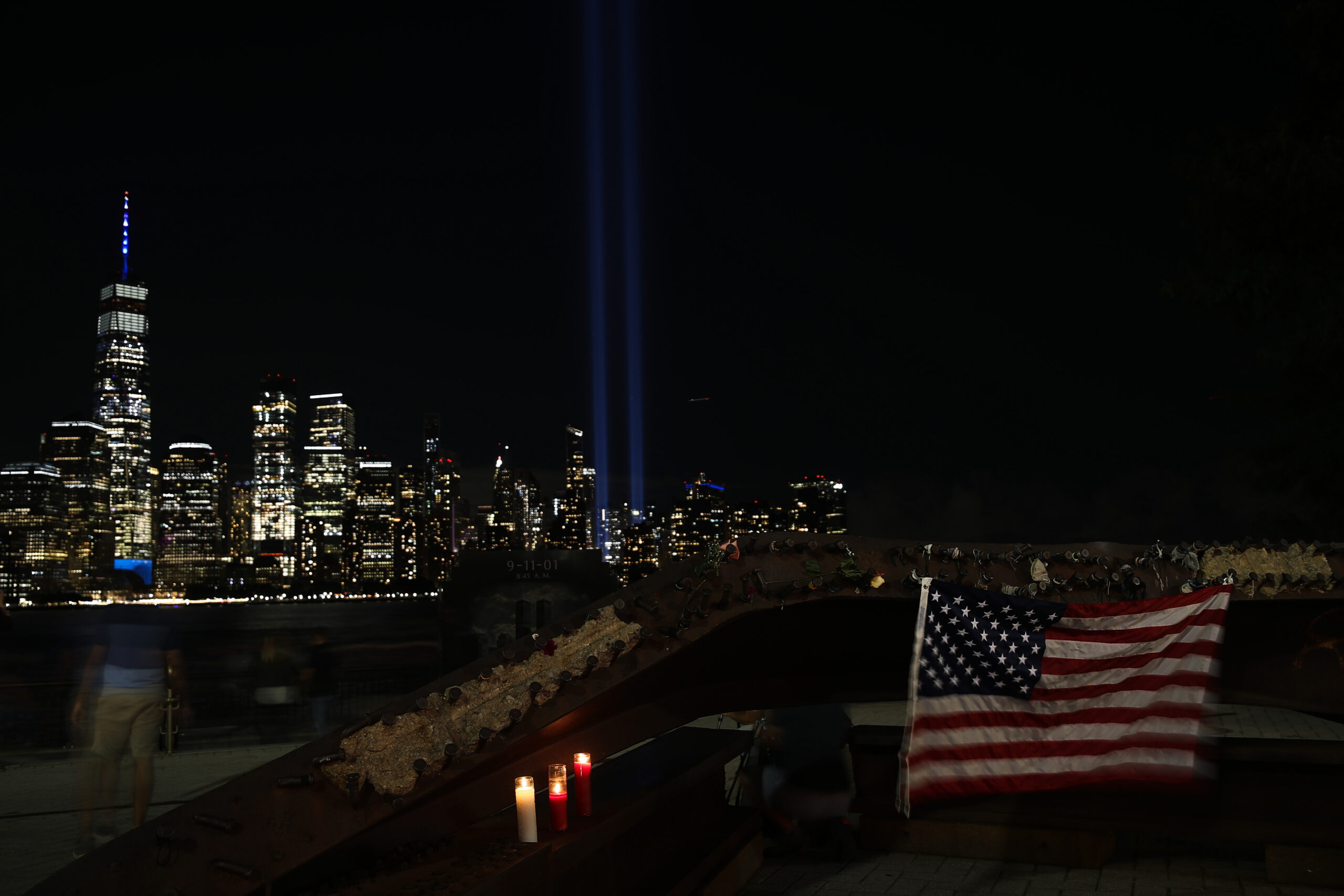
Twenty years ago, on September 11, 2001, al-Qaeda attacked New York and Washington, killing nearly 3,000 people. The terrorist attacks and their aftermath transformed U.S. policy, giving rise to the war on terror and the military intervention in Afghanistan. On the 20th anniversary of 9/11, scholars and Advisory Council members of MEI’s Countering Terrorism and Extremism Program offer their reflections.
The CIA Is Better Than the U.S. Military at Creating Foreign Armies
The failure of the Afghan army is a reminder that Pentagon-led security cooperation programs are more expensive and less effective than those led by spies.
Since 1979 U.S. policies toward Iran have alternatively ranged from some version of “maximum pressure” to appeasement and back again while maintaining the same assumptions and calculus: the clerics would ultimately fall when the elite and middle class had enough and were willing to pay the price for revolting. Today, however, the landscape is evolving. While Iran’s leaders appear to be adapting, U.S. thinking is rooted in the past.
“You’re all going to die”: Persuading Pakistan’s generals to see the light
“You’re all going to die,” the diminutive, senior U.S. intelligence official observed in matter-of-fact fashion to her stunned Pakistan Inter-Services Intelligence (ISI) hosts. Her rather blunt appraisal was uncharacteristic of the engagement to which the senior Pakistani officials had grown accustomed and cut to the chase: the consequences of decades of Pakistan’s support to the Taliban, violent Kashmiri liberation groups, radical madrassas, and extremist local political groups were coming home to roost.
Trump, the CIA, and our disorienting Iranian policy ride
Understanding President Donald J. Trump’s position on Iran over the two remaining months until the November election is no feat for the fainthearted. Depending on the source to which one subscribes, Trump is either provoking conflict with Iran or working a secret back channel to secure a deal, both variables purportedly intended to support his election prospects. So which is it? Or can it be both?
Today’s landscape is dramatically different from that to which we awoke on Sept. 11, 2001. It’s a complex mix of foreign and domestic forces influenced by economic and social conditions that breed extremism which ebbs and flows across physical and cyber space often defined by great power competition. While terrorist groups like al-Qaeda and ISIS have innovated and adapted, U.S. counterterrorism strategy has remained unchanged, fighting yesterday’s war while neglecting present day threats as well as those over the near horizon. America is long overdue to update its counterterrorism strategy and, perhaps more importantly, how we measure success.
US policy in Afghanistan: Smoke and mirrors, but not yet hopeless
18 years after CIA and U.S. special operations elements touched down in Afghanistan to pursue al-Qaeda and topple the Taliban, ongoing, incremental troop reductions reveal the smoke and mirrors manner in which the U.S. is withdrawing from the conflict in lieu of a negotiated settlement.
In the aftermath of the latest round of U.S. and Iranian brinksmanship, hawks and liberals are interpreting developments as validating their positions. Hawks are claiming victory for “maximum pressure,” arguing how the U.S. strike against Islamic Revolutionary Guard Corps (IRGC) Quds Force Commander Qassem Soleimani frightened the now weakened ruling clerics into submission. Liberals argue that Iran took the high road, demonstrating a willingness to respond to incentives and negotiate.