Skip to Content

Joseph L. Votel

Distinguished Military Fellow

Joseph Votel

General (ret.) Joseph L. Votel is a Distinguished Military Fellow at MEI. He retired as a four-star general in the United States Army after a nearly 40-year career, during which he held a variety of commands in positions of leadership, including most recently as commander of U.S. Central Command (CENTCOM) from March 2016 to March 2019. 

In his role at CENTCOM, Gen. Votel oversaw military operations across the region, including the campaign against ISIS in Iraq and Syria. Before CENTCOM he was the commander of the U.S. Special Operations Command (SOCOM) and the Joint Special Operations Command (JSOC). He was the commander of the 75th Ranger Regiment when they deployed to Afghanistan in 2001 and to Iraq in 2003. While assigned to the Pentagon, he organized the original IED Task Force that eventually grew into the Joint Improvised-Threat Defeat Organization (JIDO). 

During his military career, Gen. Votel gained extensive operational experience across the Middle East, Levant, Central and South Asia, Northern Africa, and the Horn of Africa. He was awarded numerous medals of service including three Defense Distinguished Service Medals, an Army Distinguished Service Medal, three Defense Superior Service Medals, two Legion of Merit medals, and four Bronze Star Medals.

Education
Gen. Votel is a graduate of the Infantry Officer Basic and Advanced Courses, United States Army Command and General Staff College, and the United States Army War College.

Countries/regions of expertise
Middle East, Levant, Central and South Asia, North Africa, and the Horn of Africa.

Issues of expertise
National security, defense, military affairs, counter-terrorism, U.S. Middle East policy, U.S. security policy, counter-insurgency.


The Latest from Joseph L. Votel

Filter by
39 Results
Diplomacy or Escalation? The Next Phase of the Iran Conflict
  • Event
  • Diplomacy or Escalation? The Next Phase of the Iran Conflict

    The Middle East Institute invites you to a discussion of what negotiations may or should be taking place, Washington’s and Tehran’s calculations, as well as what a US ground invasion of Iran could entail if talks fail to arrest the war.

    April 2, 2026, 2:30 PM – 3:30 PM

    Zoom Webinar

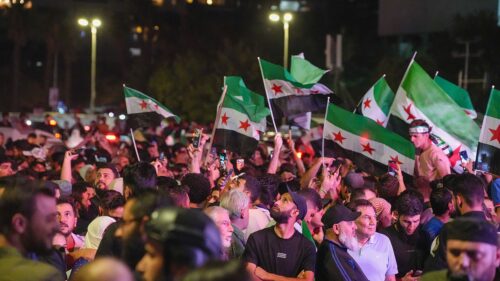
    Help Syria move forward — Repeal the Caesar Act sanctions
    Photo by Rami Alsayed/NurPhoto via Getty Images
  • Commentary
  • Help Syria move forward — Repeal the Caesar Act sanctions

    By repealing the 2019 Caesar Act sanctions, the United States today can take a meaningful, achievable step to reverse the Assads’ damaging legacy, supporting the emergence of a unified and integrated Syria that engenders peace and prosperity both at home and in the wider region.

    Defense Rapid Reaction: Israel expands its war aims to neutralize Hezbollah
    Photo by Houssam Shbaro/Anadolu via Getty Images
  • Analysis
  • Defense Rapid Reaction: Israel expands its war aims to neutralize Hezbollah

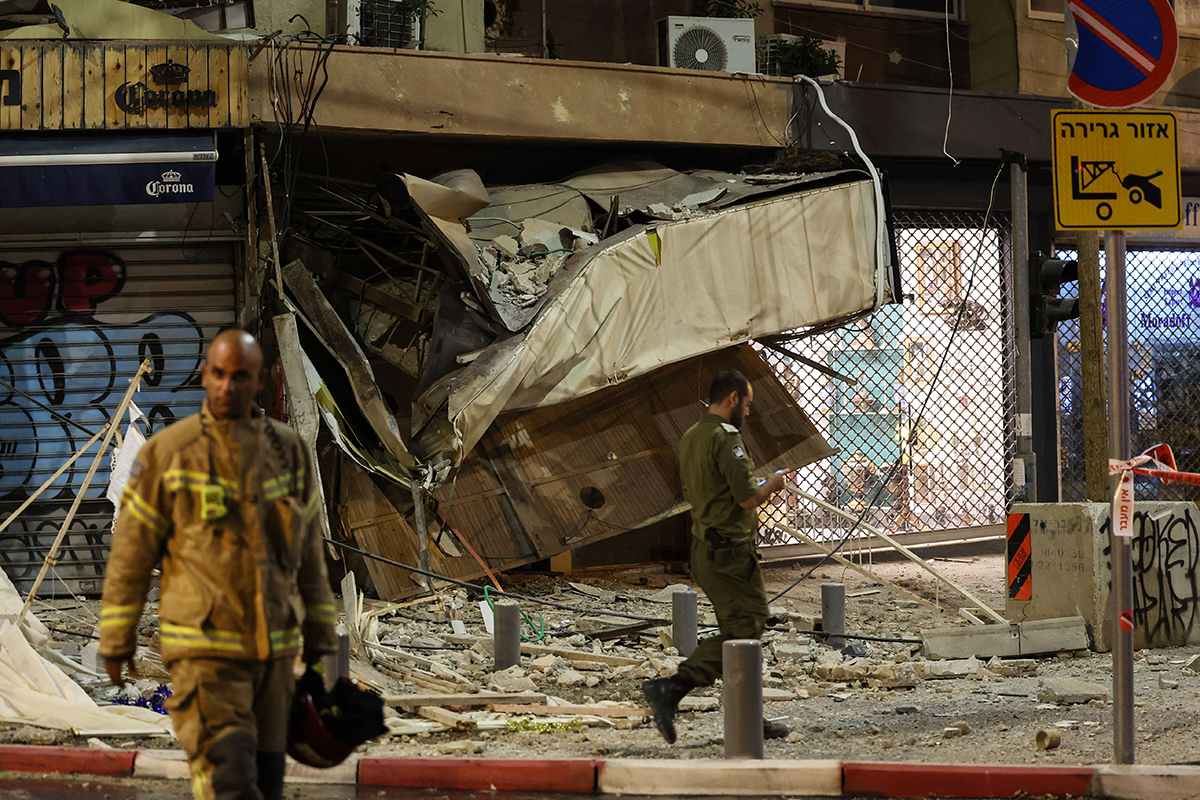
    In the latest installment of the Defense Rapid Reaction series, experts from MEI’s Defense & Security Program provide their views on the likely evolution of the Israeli-Hezbollah war, the potential for the conflict to draw in outside actors, as well as the impact of the war on global terrorist recruitment and appeal for extremist activities.

    The situation in the Red Sea is not getting better
    Photo by AFP via Getty Images
  • Commentary
  • The situation in the Red Sea is not getting better

    The current situation is not only intolerable – it is unsustainable. It is time to recognize that the Houthis, with strong and persistent support from Iran, are in a position to hold not only the US but virtually the entire global system hostage.

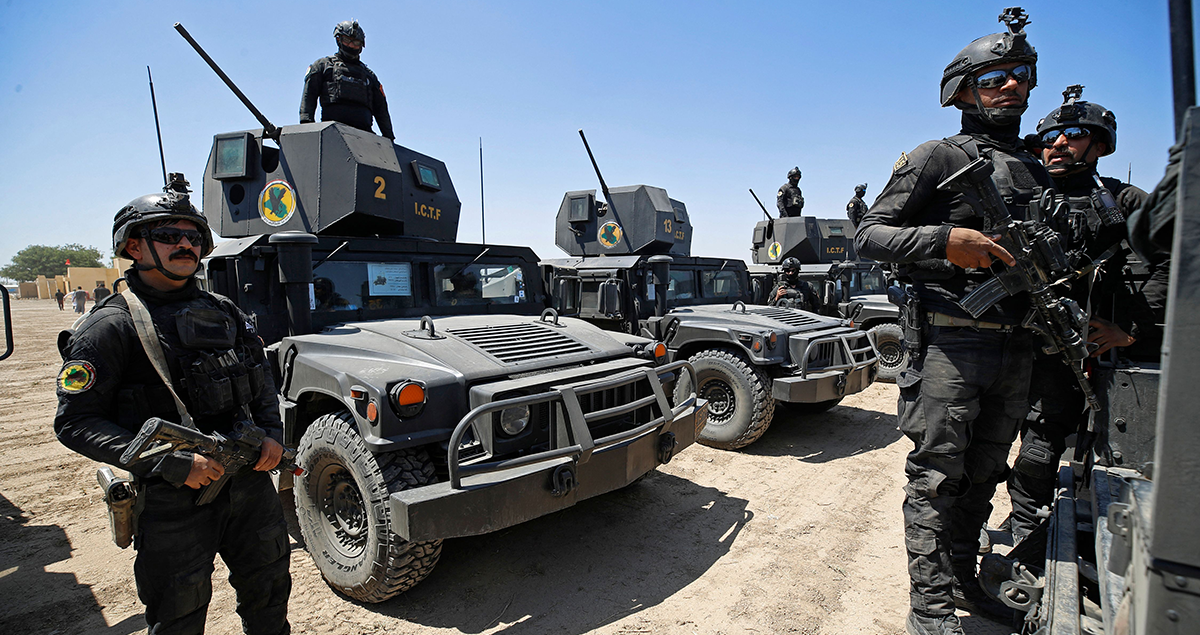
    Maintaining the best thing the US built in Iraq: Continued support to the Iraqi Counterterrorism Service
    Photo by AHMAD AL-RUBAYE/AFP via Getty Images
  • Analysis
  • Maintaining the best thing the US built in Iraq: Continued support to the Iraqi Counterterrorism Service

    As the US engages in a dialogue with the Iraqi government over the future of the coalition forces combating the Islamic State, Washington must ensure a continued relationship between the US Special Operations Forces and the Iraqi Counterterrorism Service.

    Why the United States Had to Strike Yemen
  • Commentary
  • Why the United States Had to Strike Yemen

    Last Thursday, military forces from the United States and the United Kingdom struck nearly thirty different locations across Western Yemen to degrade Houthi military capabilities and dissuade the rebel group from further attacks on commercial shipping in the Red Sea. It will take a bit more time to assess the actual damage caused to Houthi radars, missiles, drone launch bases, and command and control facilities and even longer to determine a change in behavior by the Houthis.

    The Israel-Hamas war and prospects for a ground invasion
  • Commentary
  • The Israel-Hamas war and prospects for a ground invasion

    On the military implications of Israel’s impending ground invasion in Gaza. Featuring Bilal Y. Saab (Senior Fellow and Founding Director of the Defense and Security Program) and Joseph L. Votel (Distinguished Senior Fellow on National Security).

    Defense Rapid Reaction: Hamas attack on Israel
    Photo by JACK GUEZ/AFP via Getty Images
  • Analysis
  • Defense Rapid Reaction: Hamas attack on Israel

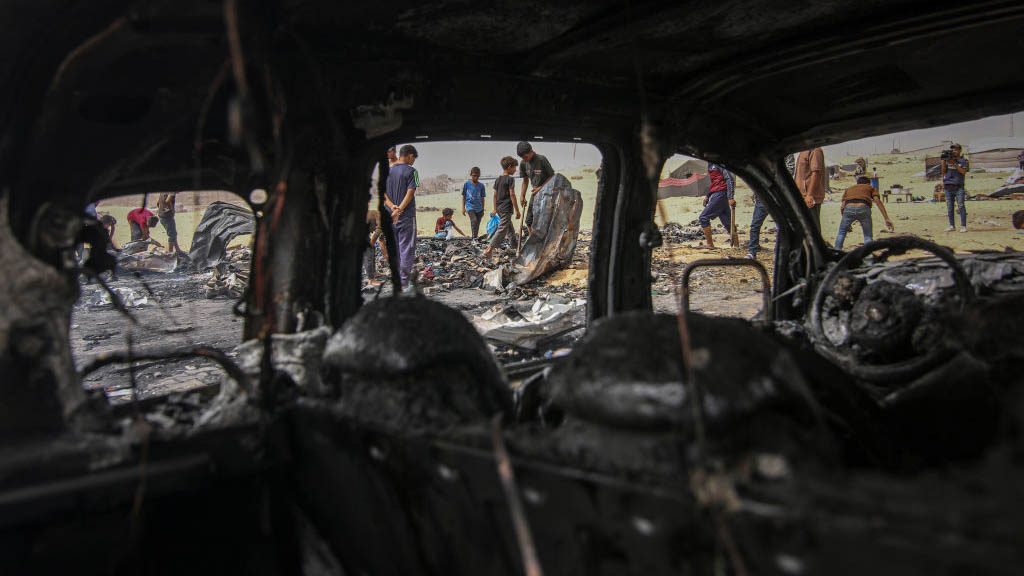
    In the latest installment of the Defense Rapid Reaction series, experts from MEI’s Defense & Security Program provide their views on the Oct. 7 Hamas surprise attack on Israel and what it might mean for Israelis and Palestinians, the wider region, and U.S. policy.

    Defense Rapid Reaction: The Biden administration’s new Conventional Arms Transfer policy
    Photo by ANDREW CABALLERO-REYNOLDS/POOL/AFP via Getty Images
  • Analysis
  • Defense Rapid Reaction: The Biden administration’s new Conventional Arms Transfer policy

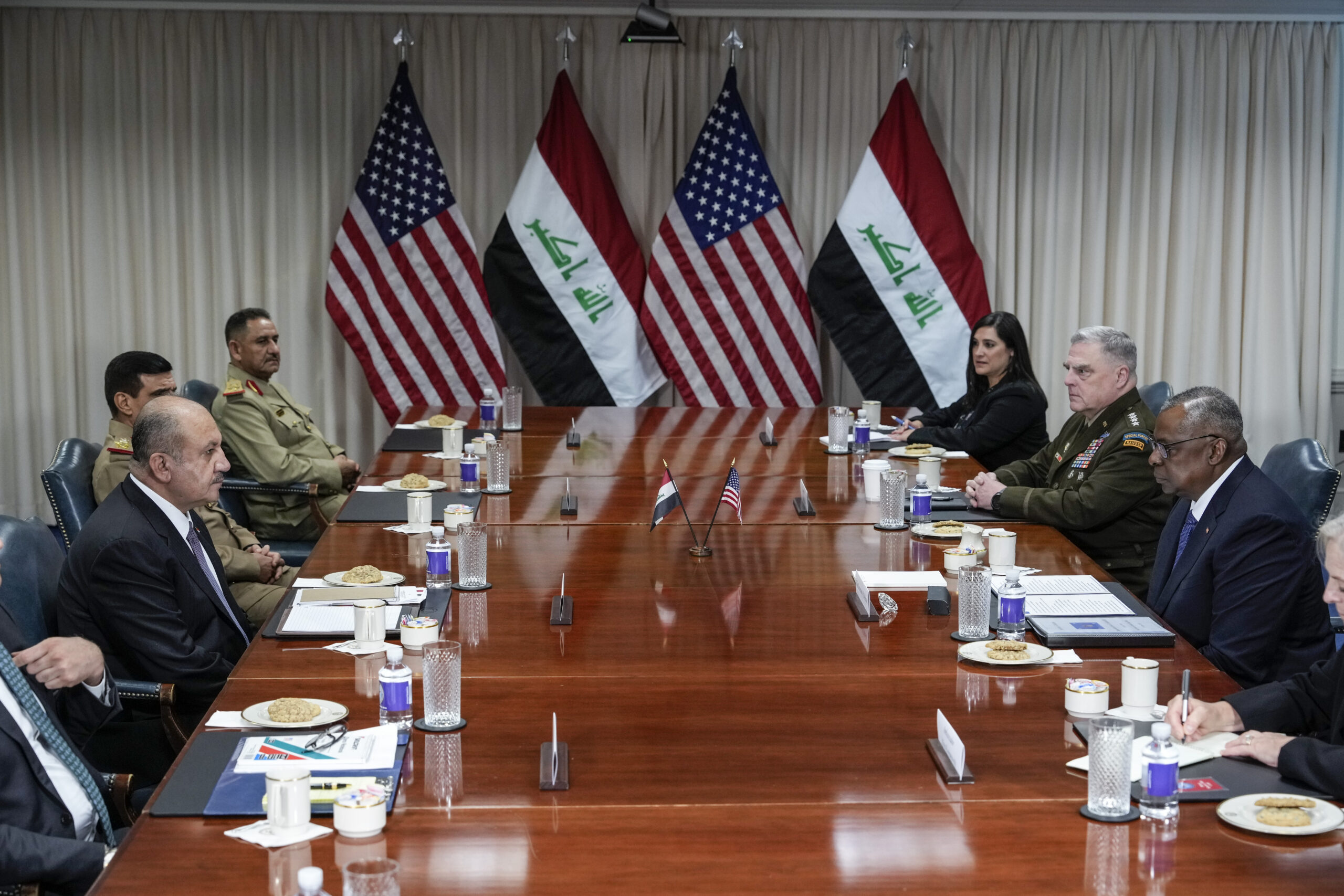
    Last week, the Biden administration released its new Conventional Arms Transfer (CAT) policy. The new CAT policy emphasizes human rights and strategic competition with China. In the latest installment of the Defense Rapid Reaction series, experts from MEI’s Defense & Security Program provide their views on what the new CAT policy means and how the historical tension between human rights and national security might play out in U.S. policy toward the Middle East.