
Vice Admiral Kevin Donegan, USN (ret), served as Commander of the U.S. Navy’s Fifth Fleet and Commander of the 32 Nation Combined Maritime Forces in the Middle East. In those roles he led teams that planned and executed joint and combined combat, counter-terrorism and anti-piracy operations at sea and in Iraq, Syria, Afghanistan, and Yemen.
In the Pentagon he served as Director of the Navy Staff and Deputy Chief of Naval Operations, for Operations, Strategy and Planning. He was responsible for integration of U.S. Naval forces and operations, international relations, and also oversaw the development of $160+ billion annual Navy budget. He led initiatives for accelerated learning and innovation across the Navy enterprise with focus on implementing cyber security, artificial intelligence, unmanned systems, and big data management into Navy programs.
Vice Admiral Donegan also led the team that developed the revised U.S. Maritime Strategy and was the Service lead for the Department of Defense Strategic Review, the guiding strategies for the Navy and Department of Defense.
Prior to that Admiral Donegan served as Director of Operations for U.S. Central Command (J3 where he managed combat and other operations for all U.S. Joint military forces in the Middle East. During his tenure he implemented the strategic and operational plan to shift joint U.S. and coalition partners’ military operations from Iraq to Afghanistan. Additionally, he introduced innovative National Cyber teams to counter terrorist messaging and enhance cyber support for U.S. Central Command operations.
He also led the Navy task force to rapidly assess damage and mitigate risks after a major national cyber security breach and implemented innovative changes in technology, techniques, and procedures to mitigate vulnerabilities.
He has served as a member of U.S. Interagency Counterterrorism Board that included the CIA, FBI, and senior Treasury, State and Defense leaders to direct U.S. national strategy to defeat global terrorist networks.
He commanded the US Aircraft Carrier Strike Group forward based in Japan, the nuclear Aircraft Carrier USS Carl Vinson, an Amphibious Command Ship, and an FA-18 Strike Fighter Squadron.
Vice Admiral Donegan has been a National Security lecturer at the Kennedy School of Government, Harvard University, the U.S. Naval War College, and the University of Virginia. He was honored by the governments of Japan, Bahrain, and France for leadership and coalition team-building. A graduate of TOPGUN and the U.S. Naval Test Pilot School, he has flown over 3,800 combat and training flight hours in 31 unique classes of aircraft with over 800 arrested landings on 15 Navy aircraft carriers.
Vice Admiral Donegan is currently working as Executive Vice President of Delivery and Service for Convergint Technologies, is a Senior Adviser at Fairfax National Security Solutions providing national security advice to allied governments and is a Distinguished Senior Fellow on National Security at MEI. He is also National Security Expert at the “Cipher Brief”.
Education
University of Virginia; USAF Air Command and Staff College; National and International Security Executive Education Program, Kennedy School of Government, Harvard University
Issues of Expertise
Defense and Security Policy and Strategy, International Relations, Pol-Mil Affairs, Counter Terrorism, Cybersecurity
Regions of Expertise
Middle East and Asia
The Latest from Kevin Donegan


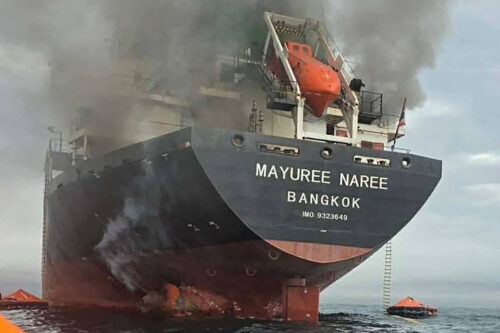

Defense Rapid Reaction: US and Israel strike Iran
On February 28, the US and Israel launched coordinated military strikes on Iran. MEI defense experts weigh in on the military and regional consequences.
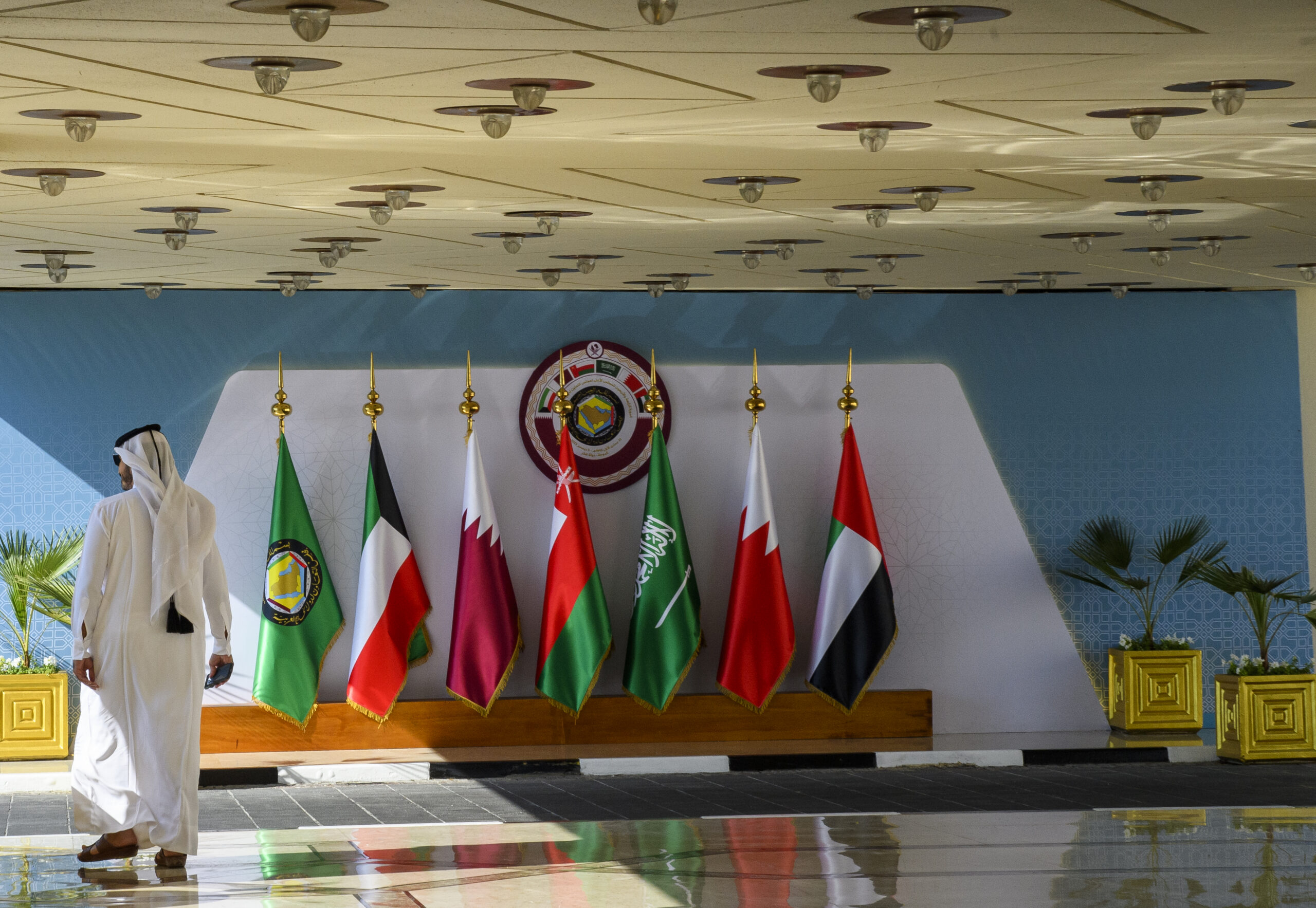
What the Gulf states must do to establish deterrence over Iran
The Middle East has been reshaped and a bold new approach can ensure it holds, but the clock is ticking. Iran, the regional bully for decades, has been defanged and there is a now a window of opportunity to make this new Middle East permanent.
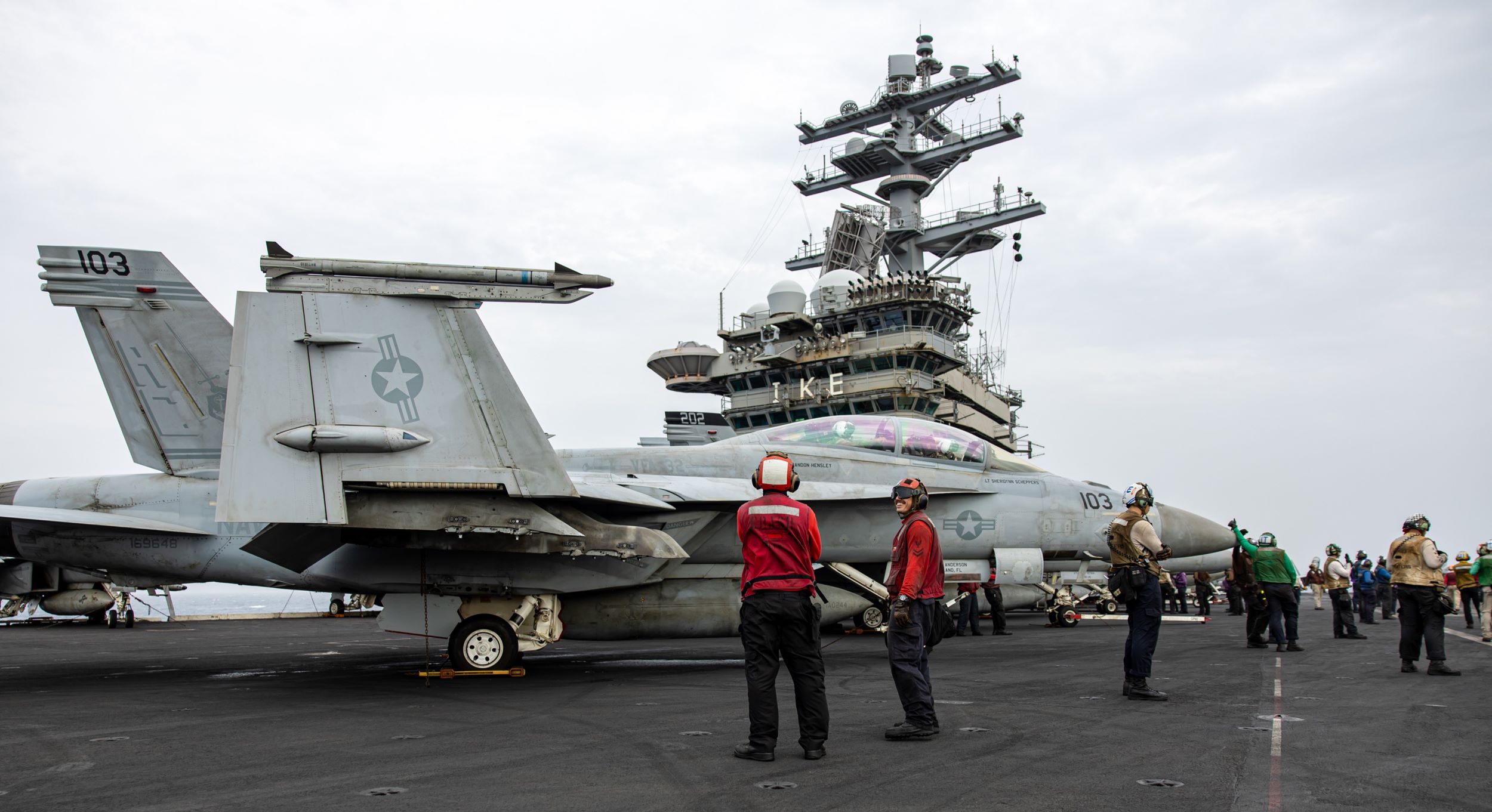
Expert Views: A US regional response to the security threats posed by Iran and its proxies

Defense Rapid Reaction: Iran’s unprecedented direct strike against Israel
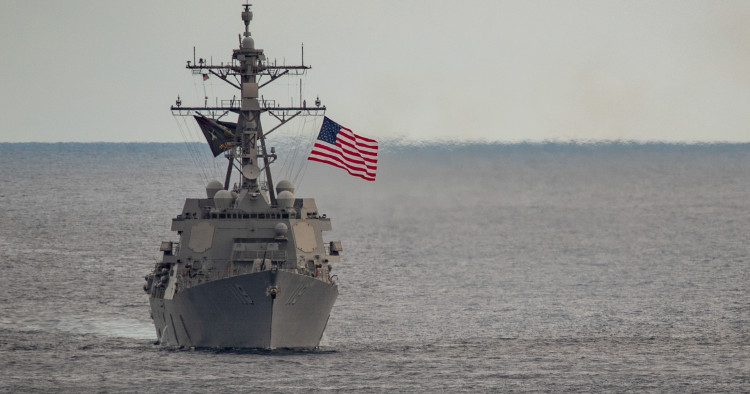
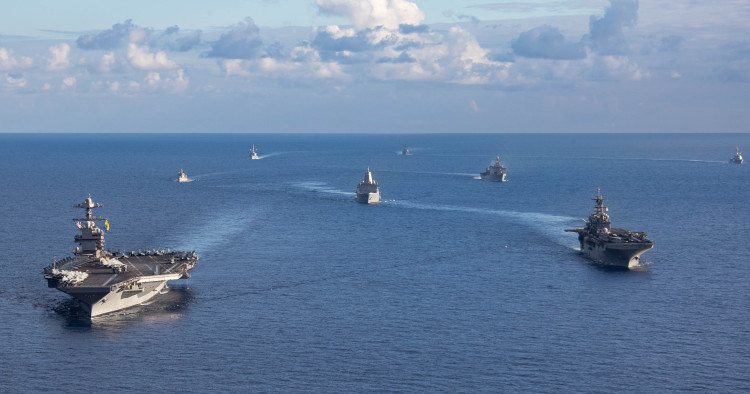
Why US naval presence in the Middle East matters
The recent Houthi attacks on commercial shipping in the Red Sea have highlighted the critical importance of US Naval force presence in the Middle East.
When the decades’ long commitment of US ground troops to Afghanistan ended with the debacle of a withdrawal in 2021, the headquarters of the US Navy’s Fifth Fleet in Bahrain once again became the anchor to US regional presence and the core protector of national interests in the region.
How to counter the Houthi threat at sea
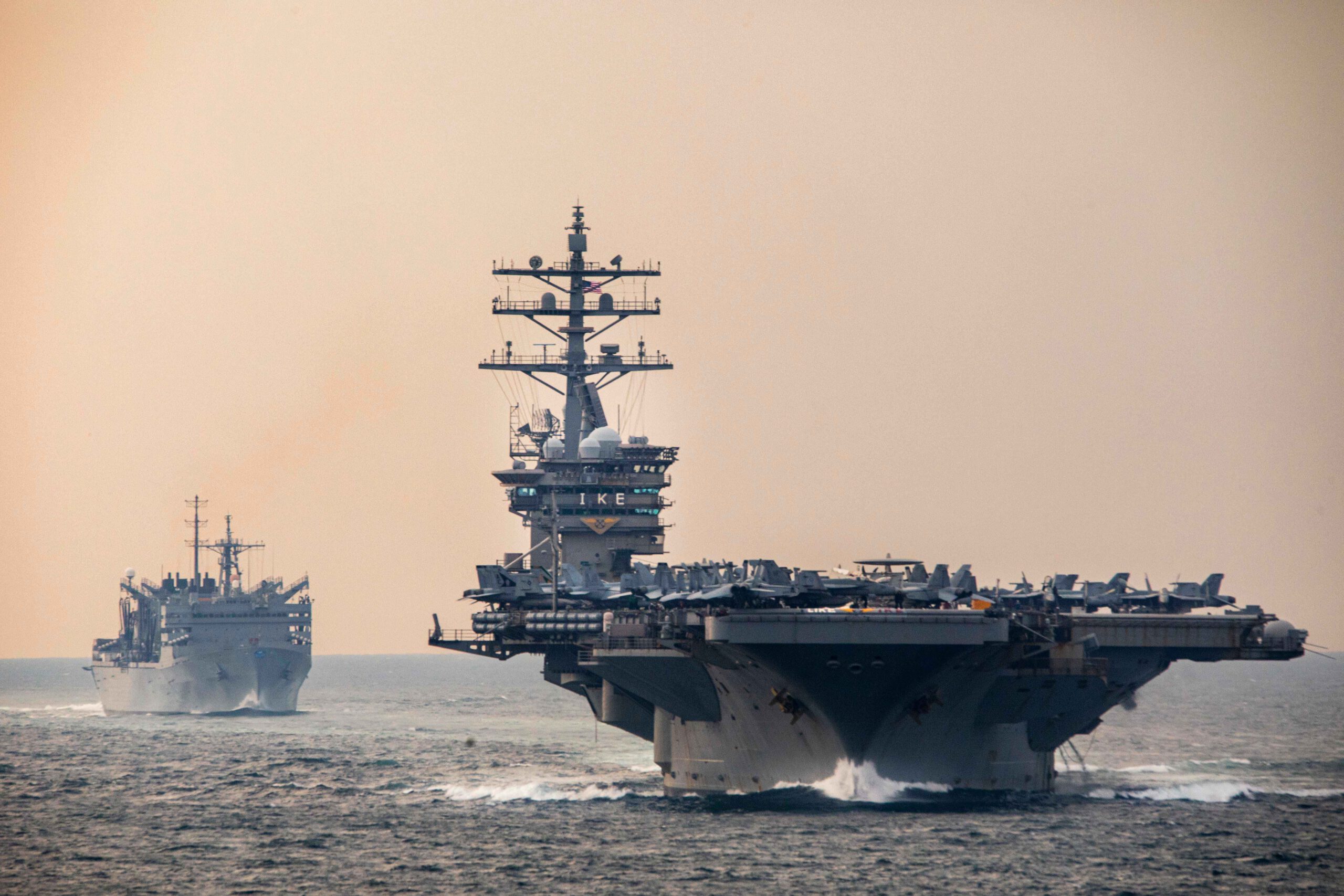
The Biden administration has largely relied on airstrikes to prevent the Houthis from causing further harm to international maritime trade in the Red Sea and the Gulf of Aden. But as we have seen already, this approach is unlikely to work against an armed group that has survived years of such one-off attacks from above. To effectively degrade the military capacity of the Houthis, a comprehensive and fully-resourced interdiction regime at sea is needed to target their supply lines and deny them the use of various forms of Iranian assistance.
A Strategy for Countering the Houthi Threat at Sea
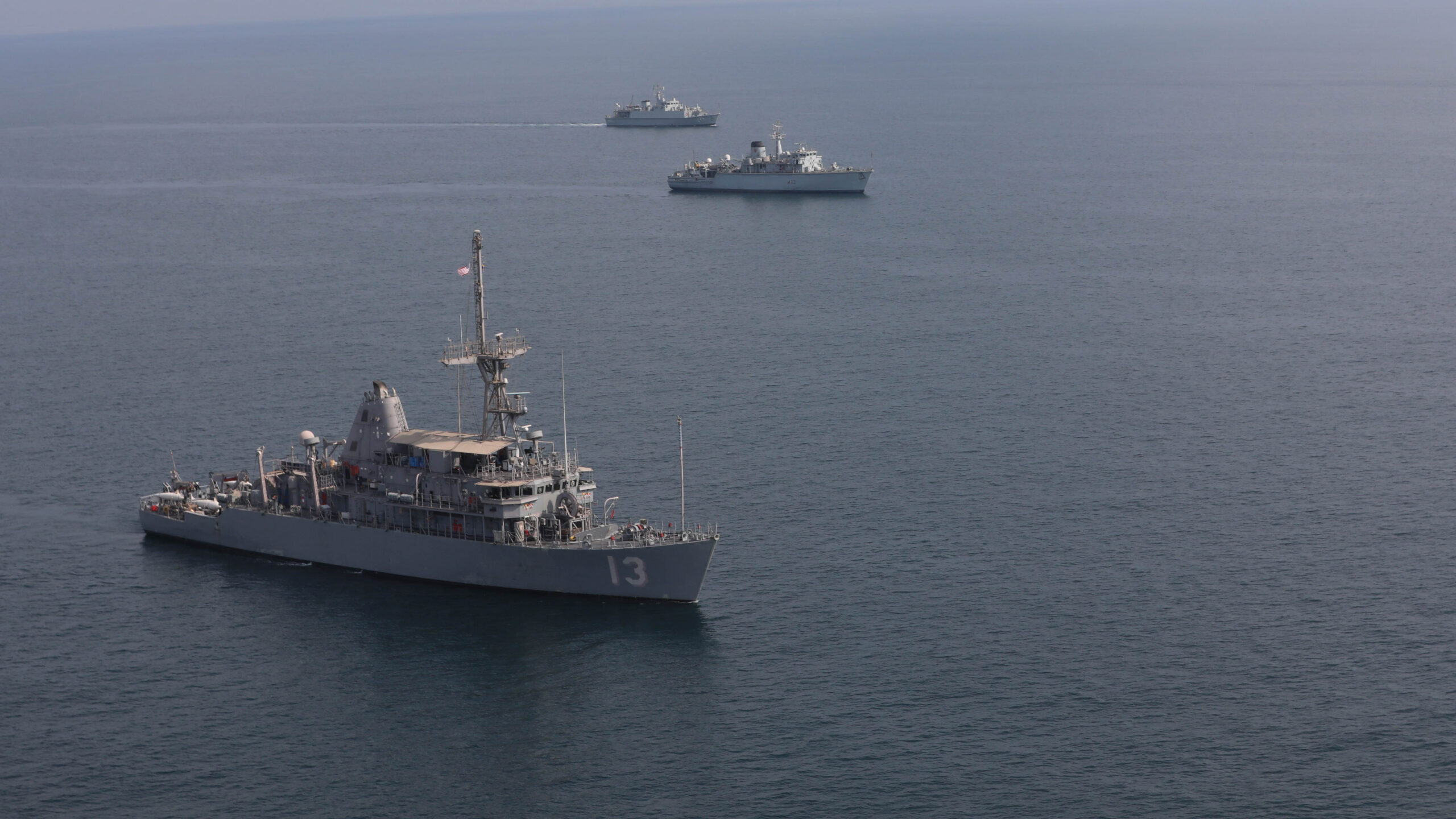
A Memorandum from MEI’s Defense and Security Program with Recommendations for President Biden
How to Advance US-Saudi Defense Cooperation
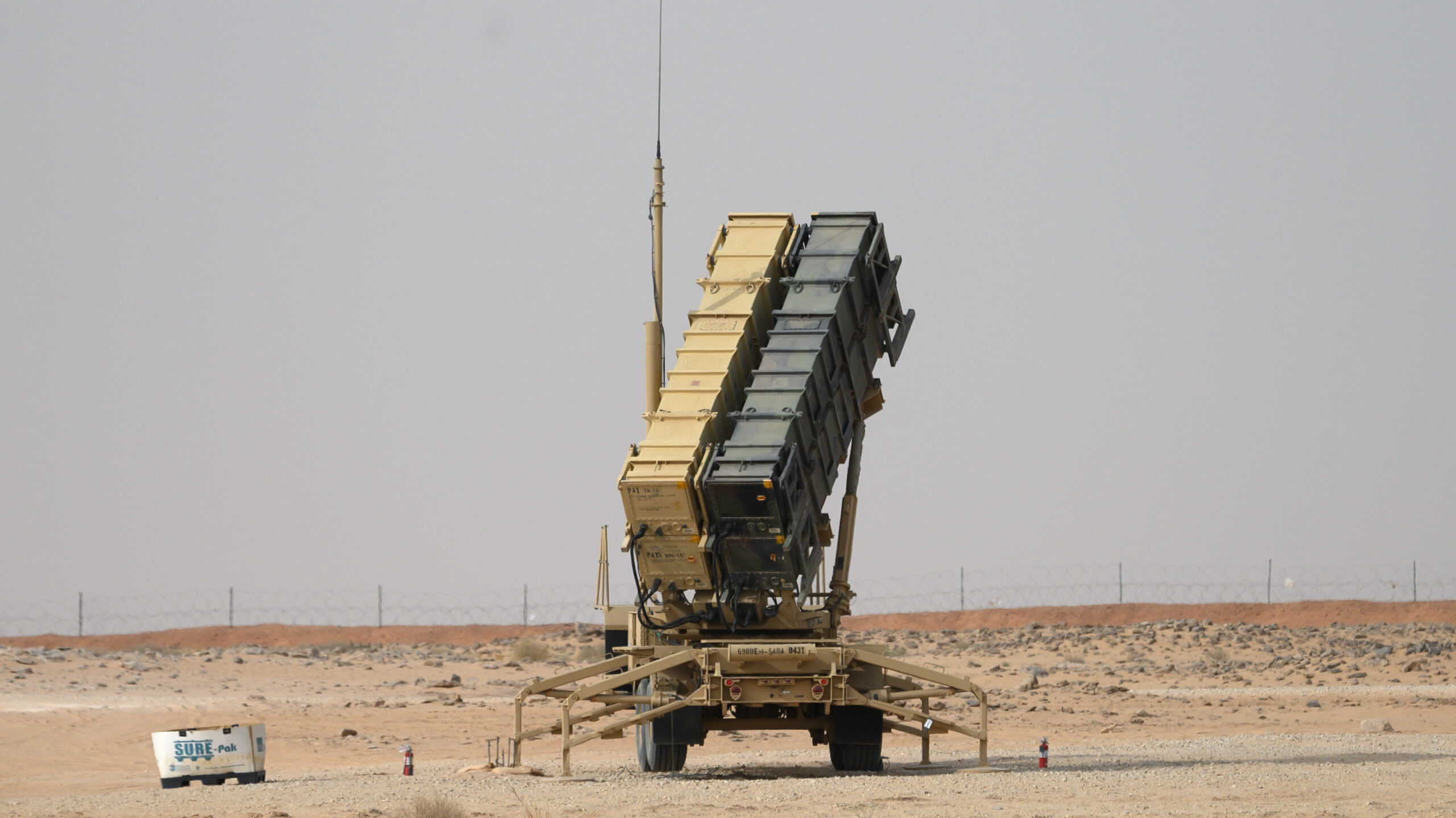
Saudi Arabia has made it clear that it wants a defense pact with the United States in return for normalizing ties with Israel. However, that isn’t a price Washington is able or willing to accept, for both political and strategic reasons. But the conversation about improved U.S.-Saudi defense cooperation shouldn’t stop here. There’s plenty of room for achieving that objective without having to upgrade the relationship to a full-fledged alliance.
Defense Rapid Reaction: The Biden administration’s new Conventional Arms Transfer policy
Last week, the Biden administration released its new Conventional Arms Transfer (CAT) policy. The new CAT policy emphasizes human rights and strategic competition with China. In the latest installment of the Defense Rapid Reaction series, experts from MEI’s Defense & Security Program provide their views on what the new CAT policy means and how the historical tension between human rights and national security might play out in U.S. policy toward the Middle East.
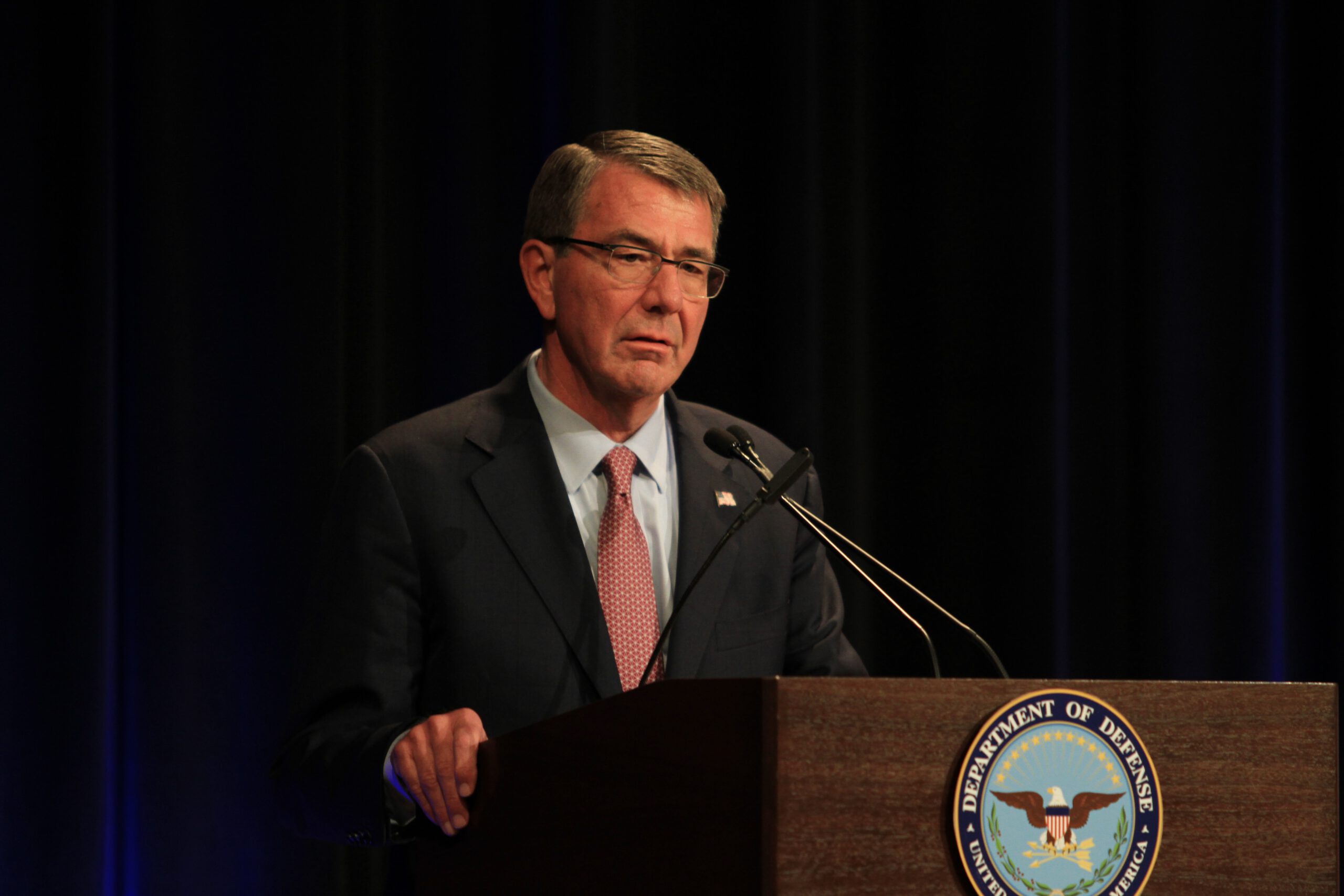
Remembering Ash Carter (1954-2022)
Ashton B. Carter, the 25th U.S. Secretary of Defense, who served under former President Barack Obama, passed away on October 24, 2022. MEI’s scholars react to the news and remember his rich legacy.
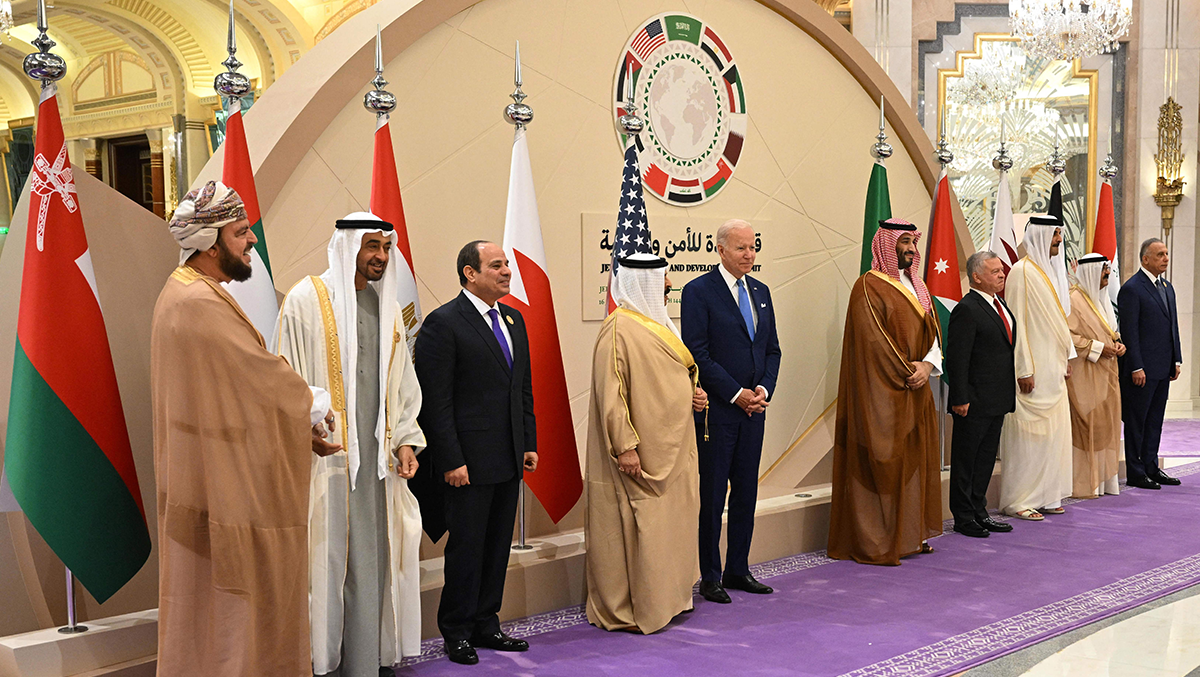
Biden's Middle East Trip: What It Means and What’s Next
The main objective of President Joe Biden’s trip to the Middle East last week was to signal to both partners and adversaries that the United States was serious about restoring its strategic position in the region, which has taken considerable hits in recent years.
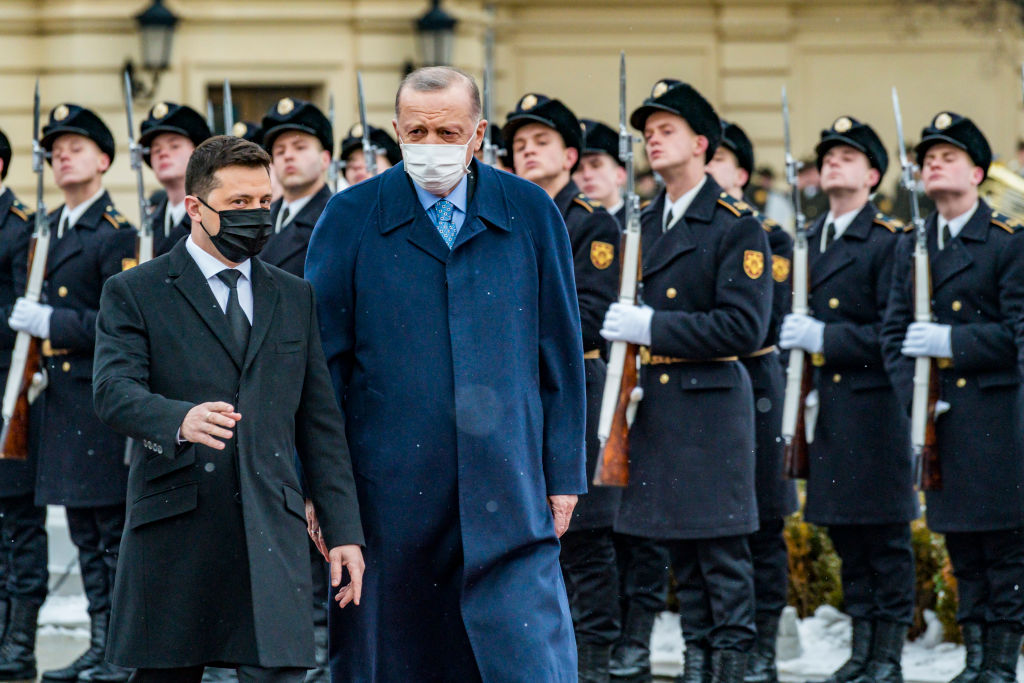
Monday Briefing: Turkey and Ukraine ramp up defense cooperation
Read MEI’s weekly briefing featuring expert analysis of key regional developments for the week ahead.