This individual is a guest contributor. MEI is not able to assist with contact requests.
Lina Raafat previously served as Deputy Research Director at the Chicago Project on Security and Threats (CPOST) where she led a $3.4M multi-year project studying the tactics of the violent extremist nexus for online media radicalization and audience susceptibility. She also briefed policy-makers and key stakeholders at the Federal Bureau of Investigations, the Department of Homeland Security, and the Department of Defense on strategic threat messaging by high-impact extremist actors. Lina currently works at the Cairo International Center for Conflict Resolution, Peacekeeping and Peacebuilding focusing on understanding the interlinkages between Disarmament, Demobilization and Reintegration and preventing extremism conducive to terrorism in Africa.
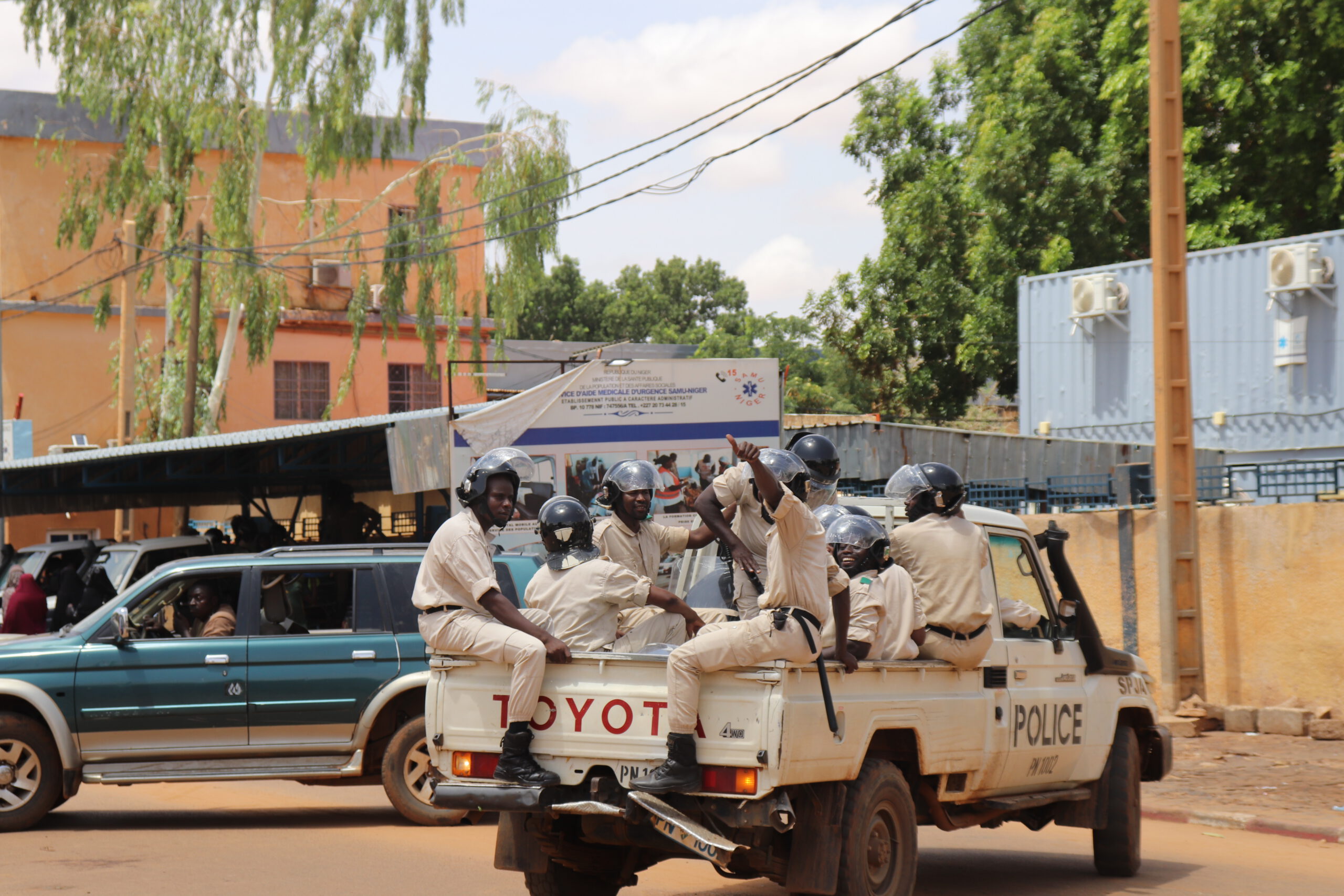
The Schism of Jihadism in the Sahel: How Al-Qaeda and the Islamic State are Battling for Legitimacy in the Sahelian Context
This paper examines the prospects of jihadist expansion in the Sahel region and its implications for security actors and civilian populations alike. It investigates the role of propaganda and public discourse narratives in bolstering jihadist group legitimacy and advancing attempts by groups seeking to generate local embeddedness and mass support. It offers a nuanced perspective of inter-jihadist contestation, one that goes beyond mere focusing on security operations and clashes and delves more deeply into group framing and identity.
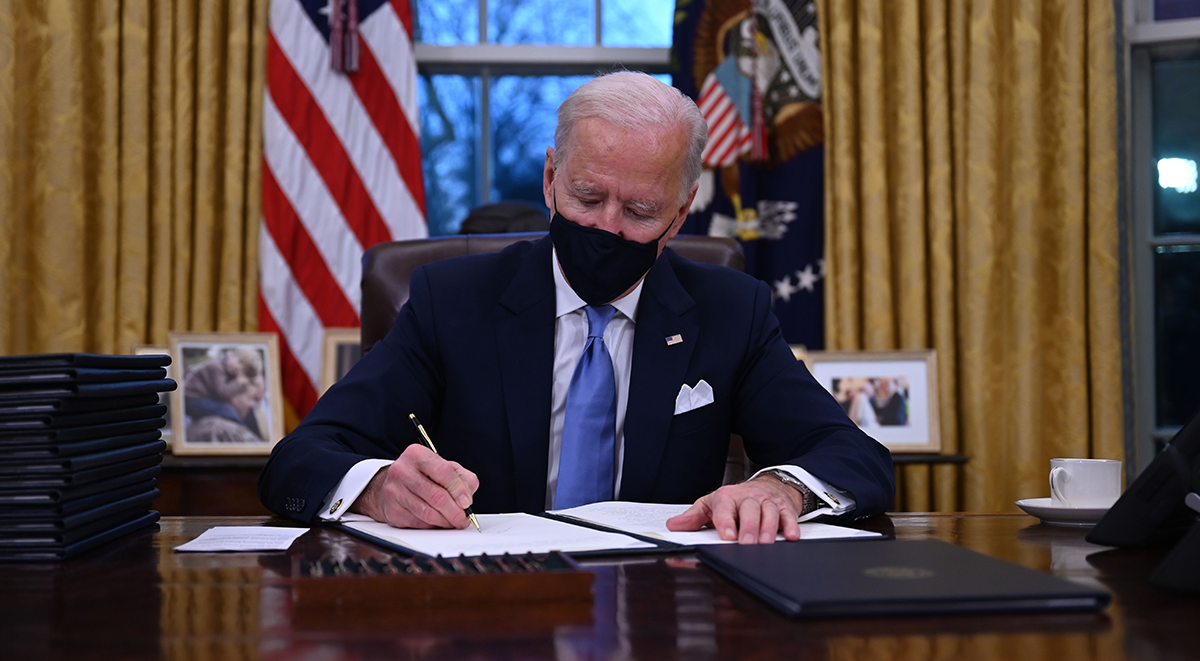
The Biden administration and the Middle East: Regional perspectives on the first 200 days
As the Biden administration takes office, it faces a host of challenges, both at home and abroad. Where does the Middle East fit into all of this and what should the new administration prioritize in its first 200 days? In the second part of a two-part series, we asked experts and scholars from across the region to weigh in with their thoughts.