Skip to Content

Orestes Morfín

Expertise

Turkey

This individual is a guest contributor. MEI is not able to assist with contact requests.

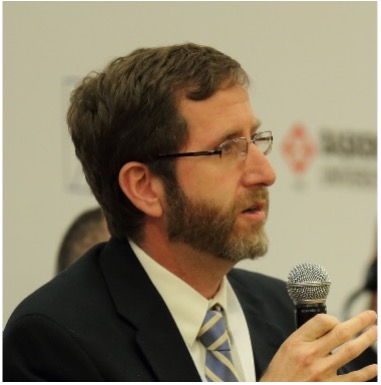
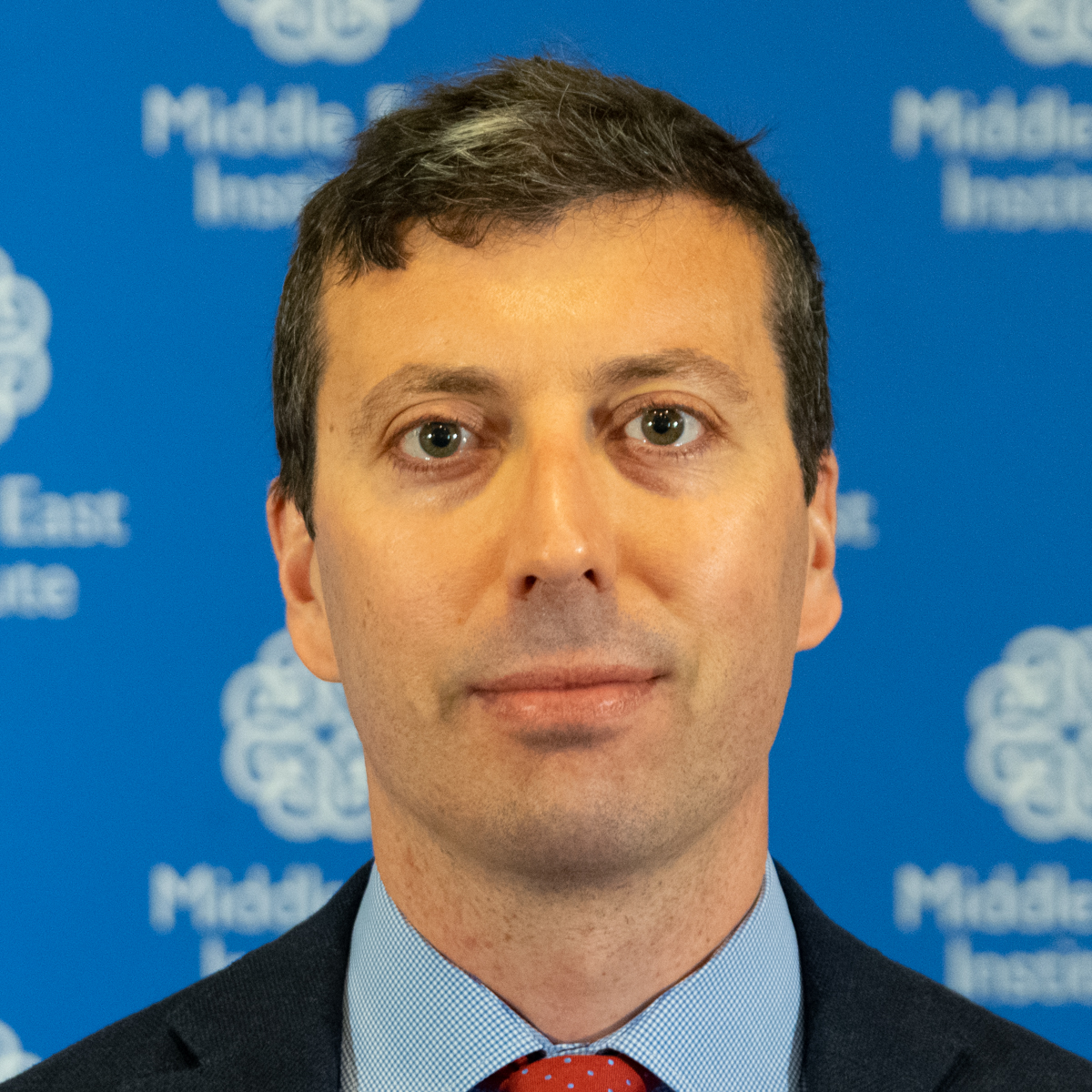
Orestes Morfín

Orestes Morfín is a senior planning analyst with the Central Arizona Water Conservation District, where he provides research, modeling, and analysis on inter-state Colorado River Basin programs and binational water issues between the United States and Mexico. His areas of expertise include water resources/water quality systems modelling, water policy analysis, and transboundary water management. Previously, Orestes was a minewaste and minewater consultant in the private sector.

Orestes serves as the vice president of the Multi-States Salinity Coalition, a group that promotes advancements in technologies for desalination and reuse, salinity control strategies, water/energy efficiencies and related public policies that help communities meet their water needs. He is also active in both the Minute 323 binational desalination workgroup and the Minute 323 projects workgroup, representing the Central Arizona Water Conservation District in binational negotiations and the exploration of options for the transboundary exchange of desalinated water.

Orestes’ professional accomplishments include acting as modelling lead on the Drought Contingency Plan and “500 Plus” conservation plan for the state of Arizona, time-sensitive multi-state agreements crafted under the pressure of rapidly-evolving climate challenges in the US Southwest. He co-created and currently directs a multi-faceted effort that incorporates irrigation efficiency, water reuse, brackish groundwater desalination, and conservation to augment the Colorado River water supply and diversify the state of Arizona’s water portfolio.

Orestes was a Foreign Language Area Studies (FLAS) grant recipient, with a focus on Turkey, during his graduate years and has conducted water management research on the Tigris and Euphrates rivers. He is fluent and/or conversant in Turkish, Spanish, Portuguese, French, Greek, and English. His educational background includes a B.S. in Geosciences and a M.S. in Hydrology and Water Resources from the University of Arizona College of Engineering.

The Latest from Orestes Morfín

Filter by
5 Results
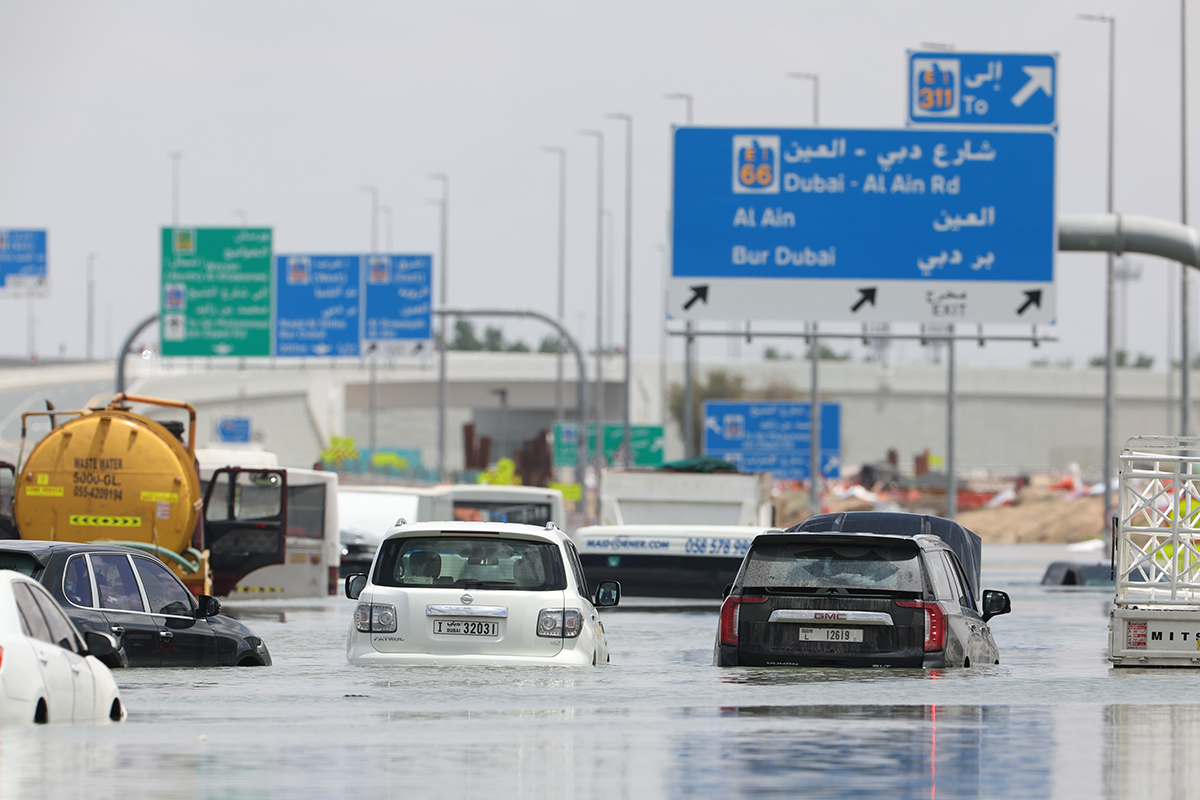
Debunking the role of cloud seeding in the April Arabian Gulf floods
Photo by Christopher Pike/Bloomberg via Getty Images
  • Analysis
  • Debunking the role of cloud seeding in the April Arabian Gulf floods

    Intense flooding across the Arabian Peninsula caused by a storm in mid-April sparked speculation about the role cloud seeding might have played in the precipitation event, giving rise to conspiracy theories on social media and warnings trumpeting the hazards of human intervention into natural processes. Cloud seeding is not the only climate change-adaptive strategy to have been targeted in this way, and the effort being expended to combat such disinformation (though nascent) is growing.

    May 29, 2024

    Climate change and the Arabian Sea: Adapting to a “new normal”
    Photo by AFP via Getty Images
  • Analysis
  • Climate change and the Arabian Sea: Adapting to a “new normal”

    In the summer of 2022, flash flooding due to heavy monsoon rains in Pakistan, Oman, the UAE, and southeast Iran killed well over 1,000 people. In this part of the world, the extreme shifts in weather between monsoon and dry season dictate subsistence cycles and financial livelihood. Shifting global precipitation patterns due to climate change, however, are altering the timing and magnitude of these events. What can be done to adapt to this new reality? Can infrastructure be adapted, optimized, or possibly even reimagined to take advantage of such events?

    September 28, 2023

    Expert Views: Opportunities to enhance water security in MENA
    Photo by Muhammed Said/Anadolu Agency via Getty Images
  • Analysis
  • Expert Views: Opportunities to enhance water security in MENA

    Water resources are a key component of global sustainability, especially in light of the mounting environmental challenges posed by climate change. We asked some of MEI’s Climate and Water Program scholars to share their perspective on strategies and opportunities that could most readily alleviate the region’s water security concerns.

    March 22, 2023

    Climate change and salinity in the Eastern Mediterranean
    Photo by JACK GUEZ/AFP via Getty Images
  • Analysis
  • Climate change and salinity in the Eastern Mediterranean

    In the Mediterranean Basin, water-starved countries from Morocco to Israel are not only expanding their reliance on desalination, they are doing so precisely because they are increasingly susceptible to the effects of climate change on global atmospheric and marine circulation. With desalination now within reach as a more viable, long-term water augmentation strategy, increased attention has been given to the detrimental effects of brine disposal on the local environment. More immediately obvious effects such as these, however, may belie greater factors at work at the nexus of salinity and climate change.

    October 20, 2022

    How the MENA region’s climate regime influences its water resources
    Photo by Burak Kara/Getty Images
  • Analysis
  • How the MENA region’s climate regime influences its water resources

    The MENA region faces unique challenges to environmental sustainability and human habitation. First and foremost among these is the limited availability of freshwater. The region sees most of its precipitation fall as mountain snow and sustained availability of water to river systems like the Tigris and Euphrates is dependent on the predictable transformation of mountain snowpack into runoff.

    April 20, 2022