This individual is a guest contributor. MEI is not able to assist with contact requests.
Sayed Madadi’s work focuses on the political economy of governance and conflict, climate change and green development. He was previously a Reagan-Fascell Fellow at the National Endowment for Democracy and a Research Scholar at the Center for Governance and Markets. Before that, he led the Joint Technical Secretariat of the Afghanistan peace negotiations in Doha, Qatar, and was Director of the Afghanistan Civil Service Institute in Kabul.
His writings and analysis have appeared in Stanford International Policy Review, Journal of Strategic and Security Studies, the Atlantic, War on the Rocks, Al-Jazeera English, the National Interest, Foreign Policy, Diplomat, BBC Persian, and numerous European and Afghan publications. He is also the author of a book chapter on post-conflict development in In Search of Peace for Afghanistan: A Collection of Essays, published in 2020 by Kakar History Foundation and Heart of Asia Society.
The Political Economy of Climate Governance in Afghanistan: An Analysis of the Context and Challenges
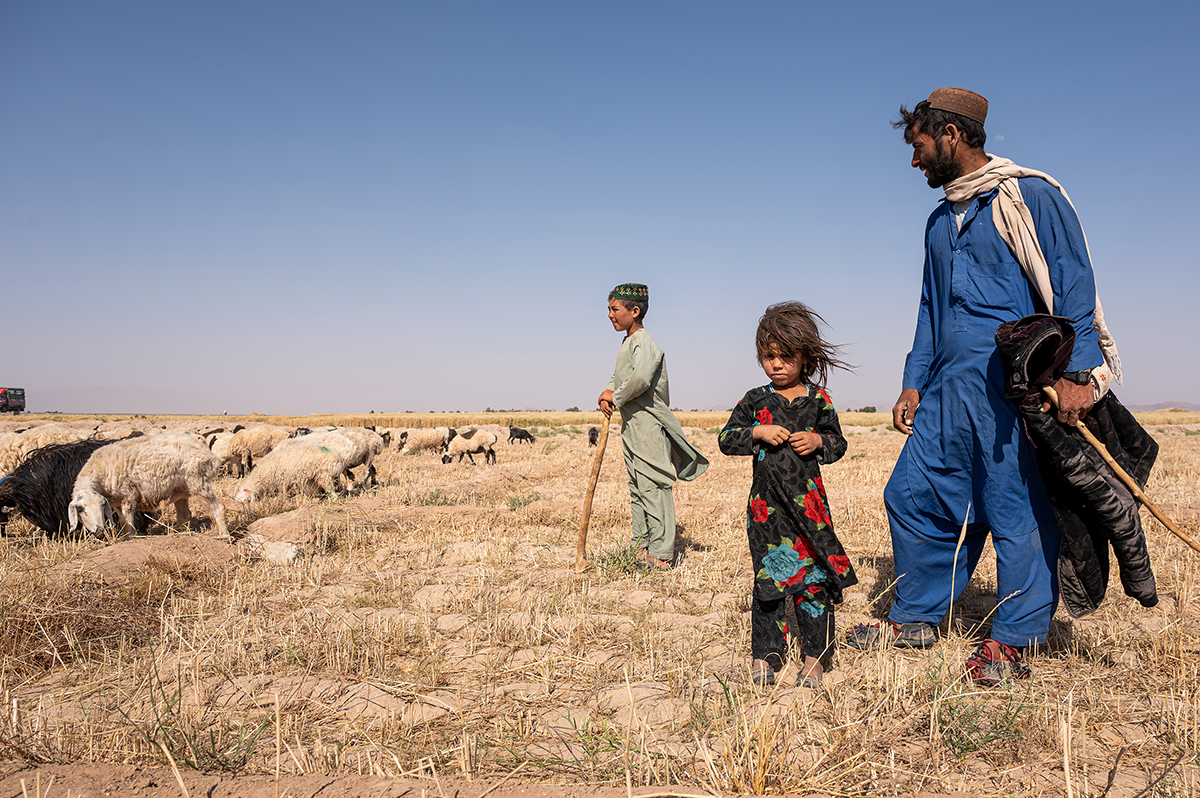
Even though it is one of the world’s lowest emitters of greenhouse gases, Afghanistan is among the 10 countries most vulnerable to climate change and severe weather conditions. Recent economic and humanitarian challenges, compounded by a political crisis of legitimacy and governance, exacerbate the situation, limiting the country’s ability to mitigate climate-induced fragility and build long-term resilience.
Dysfunctional centralization and growing fragility under Taliban rule
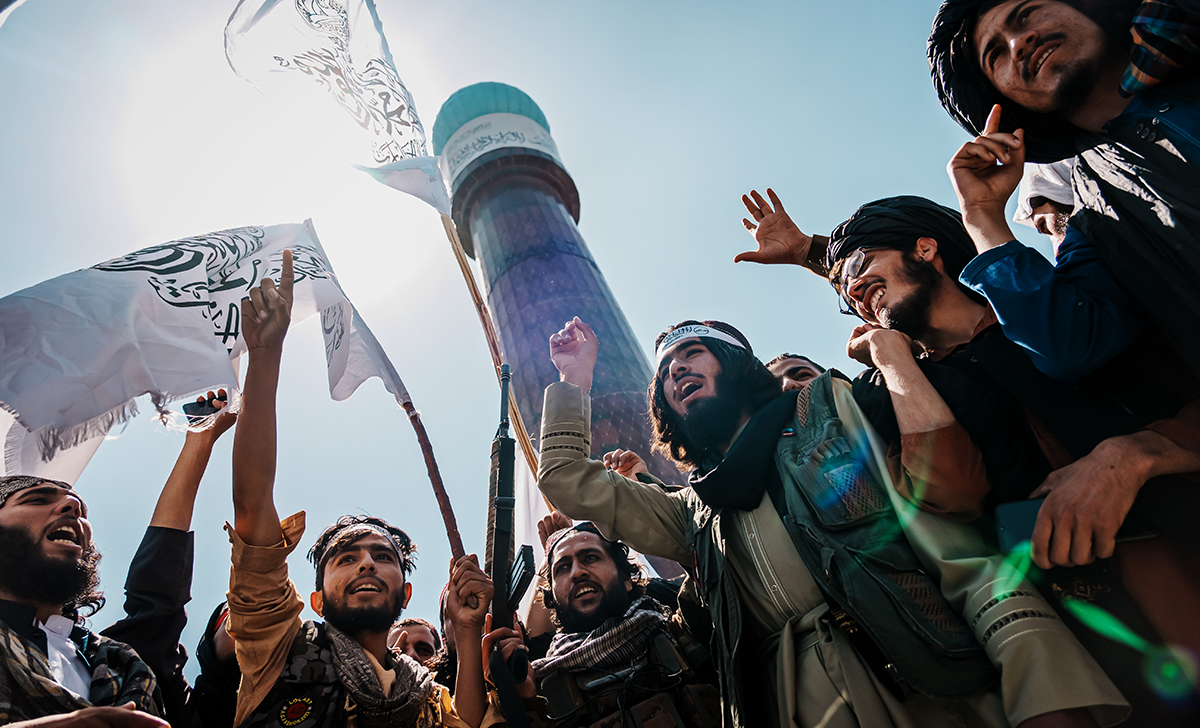
One year ago, on Aug. 31, 2021, the last foreign soldier left Afghanistan. Since then, the situation in the country has only grown more fragile, marked by deteriorating living conditions, widespread human rights violations, and increasing political instability. One key contributing factor to the crisis is a dysfunctional centralized governance structure that has become more paralyzed and unresponsive under Taliban control.
As global attention shifts further away from Afghanistan to Ukraine and elsewhere, time is running out to change course before the country’s freefall under the Taliban becomes irreversible. The international community needs a two-pronged, interlinked approach to normalize the economy and stabilize the political scene.
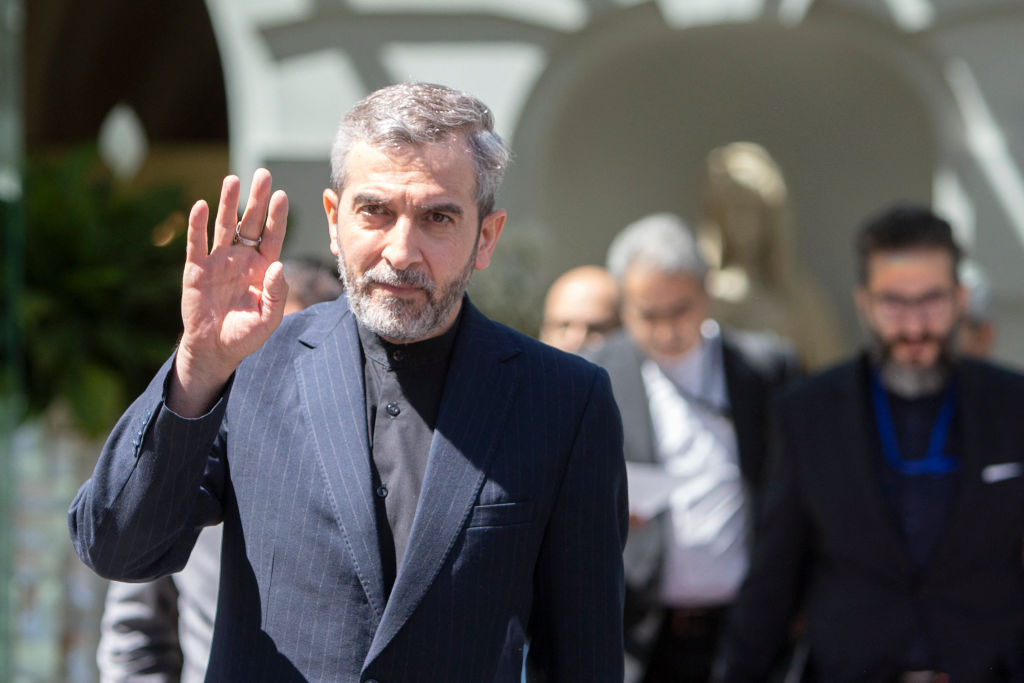
For years, the world tried to soften the Taliban’s extremist ideology by exposing them to modernity. As an insurgency they learned diplomacy and negotiation tactics, but their medieval thinking remained just as rigid. Now that the Taliban rule over Afghanistan, the international community continues to appease them, assuming it can convince them to form an inclusive government and ease their regressive policies while alleviating the country’s worsening humanitarian disaster. That is a naïve assumption that overlooks the root causes of the current crisis. Not only will the international community not get what it wants, but it also risks creating a much greater crisis: a Taliban theocracy that institutionalizes its repressive rule at a steep human and economic cost.