This individual is a guest contributor. MEI is not able to assist with contact requests.
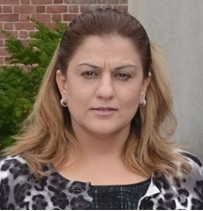
Shahla Al-Kli is Counterpart International’s chief of party for the USAID-funded Iraq Civil Society Activity, a program that focuses on strengthening citizen engagement and participation in the public sphere, especially among women and youth. She previously served as research analysis and knowledge mobilization director at Proximity International, the Middle East deputy regional director at Mercy Corps, a principal development specialist at DAI Global, a senior advisor to the speaker of the Iraqi Parliament, an advisor to the speaker of the Kurdistan Parliament, a former country director for Counterpart International’s Iraq programs, and an auditor at the Central Bank of Iraq. She is a long-term practitioner in the Middle East on issues of politics, governance, security, statebuilding, and fragile states. She finished her Ph.D. at the Fletcher School of Law and Diplomacy/Tufts University; her dissertation about governance and decentralization in Iraq was awarded Fletcher’s Peter Ackerman Award for an outstanding scholarly work.
Decarbonization and Political Transformation in Iraq: The Impact on Politics, Society and Regional Relations
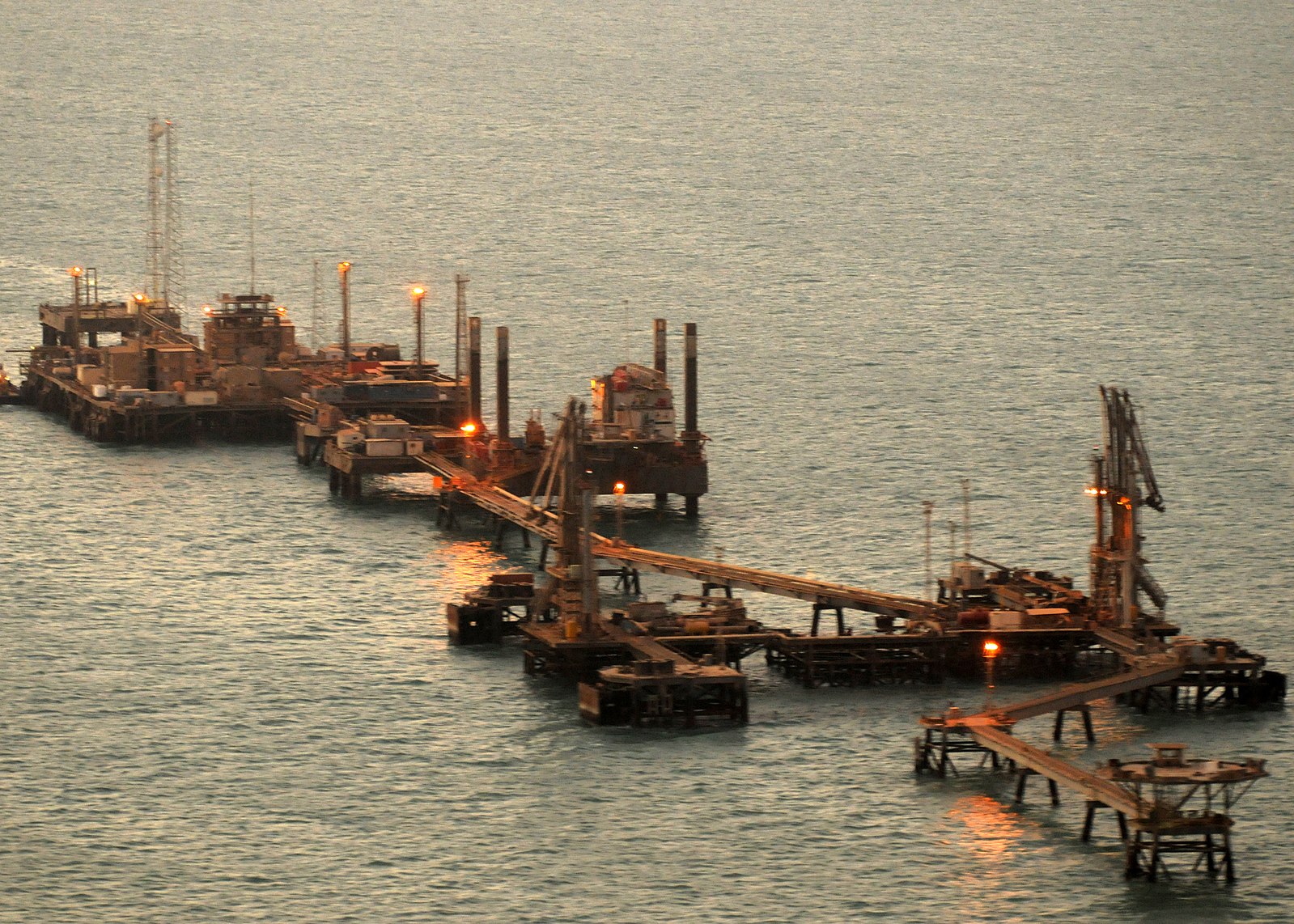
What happens when a petrostate loses its oil rents? While the oil market continues to go through boom-and-bust cycles, cases such as Iraq provide evidence of how the rapid loss of oil revenues—traumatic decarbonization—may affect the politics and stability of these petrostates. In Iraq, multiple shocks to oil revenues from 2014 through 2020 fundamentally altered the organization and concentration of political power in Iraq with destabilizing and democratic consequences.
تشكيل الحكومة العراقية الجديدة: تحولات استراتيجية وتغييرات تكتيكية
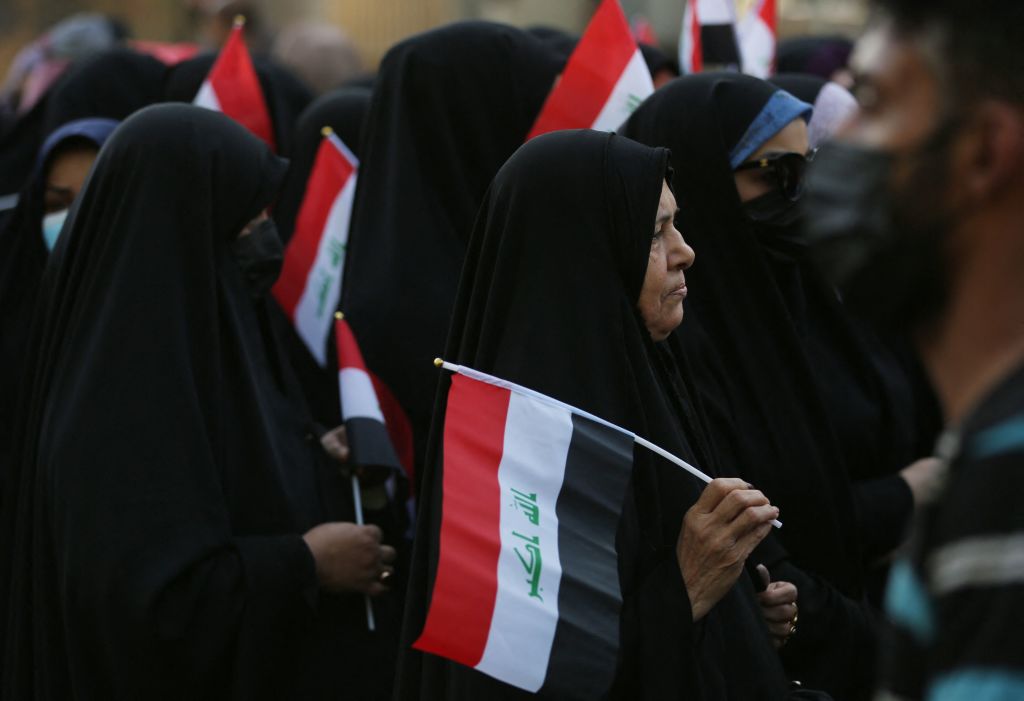
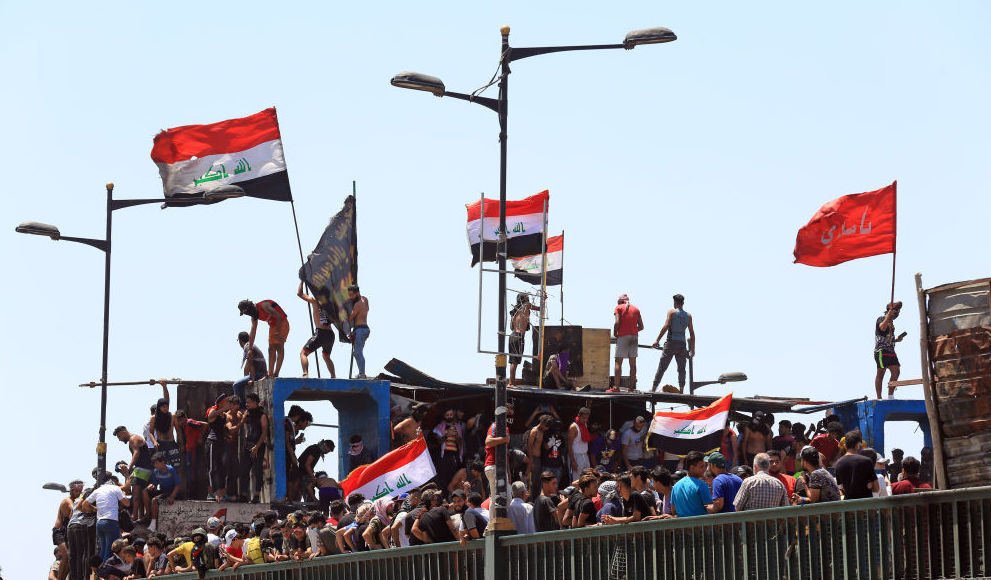
أحدثت انتخابات 10 أكتوبر/تشرين الأول 2021 ثلاث تحولات استراتيجية رئيسية في العملية السياسية العراقية، والتي على الرغم من أنها لم تسفر بعد عن تغييرات جوهرية في عملية تشكيل الحكومة الحالية، إلا أنها تتمتع بإمكانية هائلة لإحداث المزيد من التغييرات الجوهرية في المستقبل. أولاً، تعرضت الفصائل الموالية لإيران عبر القوائم والأحزاب السياسية العراقية، سواء داخل الكتل الكردية أو السنية أو الشيعية، لخسارة ثقيلة. ثانيًا، فازت الأحزاب التي انبثقت عن الاحتجاجات الشعبية في أكتوبر/تشرين الأول 2019، “امتداد وإشراقات كانون”، بتسعة مقاعد وستة مقاعد على التوالي في منافستها الانتخابية الأولى.
The Biden administration and the Middle East: Regional perspectives on the first 200 days
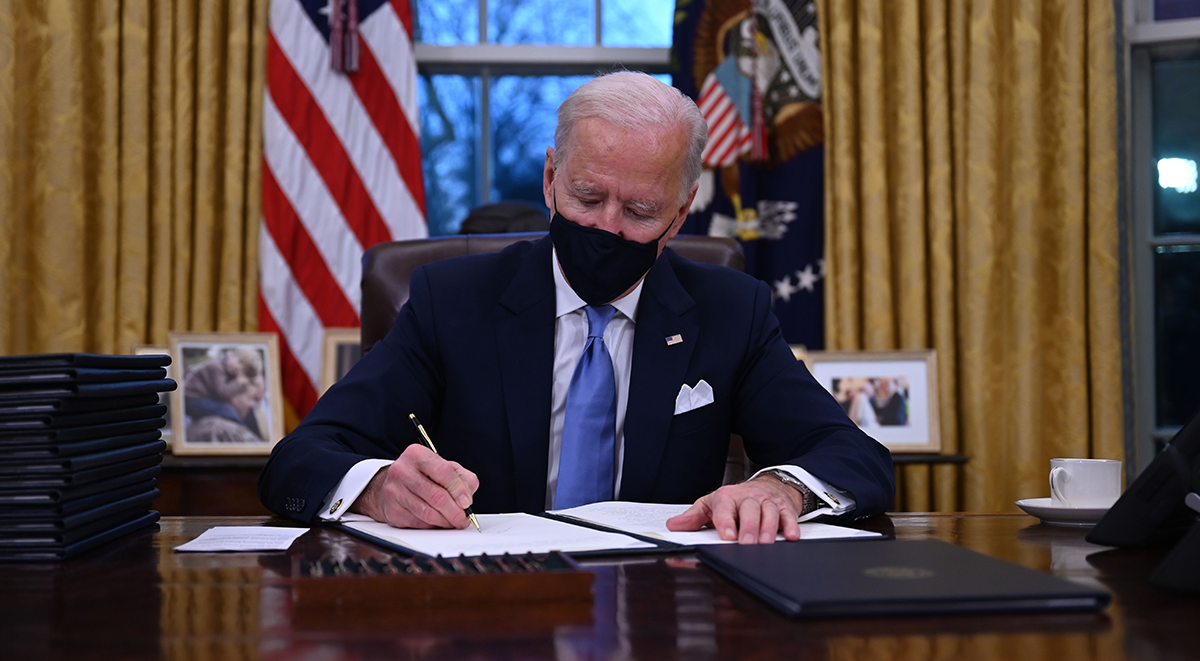
As the Biden administration takes office, it faces a host of challenges, both at home and abroad. Where does the Middle East fit into all of this and what should the new administration prioritize in its first 200 days? In the second part of a two-part series, we asked experts and scholars from across the region to weigh in with their thoughts.
Monday Briefing: Intra-Afghan talks begin with pomp and circumstance
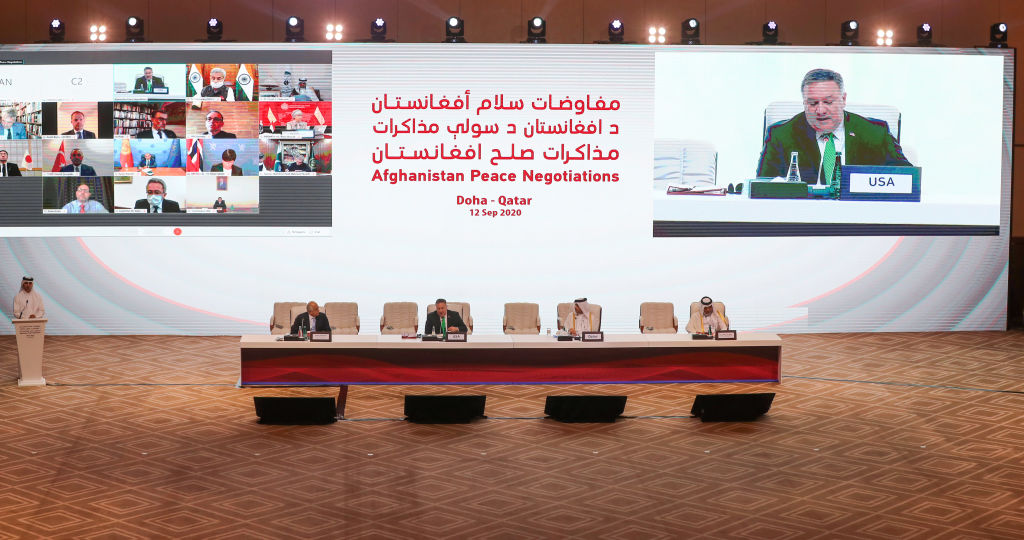
This week’s briefing on recent news and upcoming events in the region featuring Marvin G. Weinbaum, Grace Wermenbol, Jason Pack, Shahla Al-Kli, and Khaldoun Khelil.
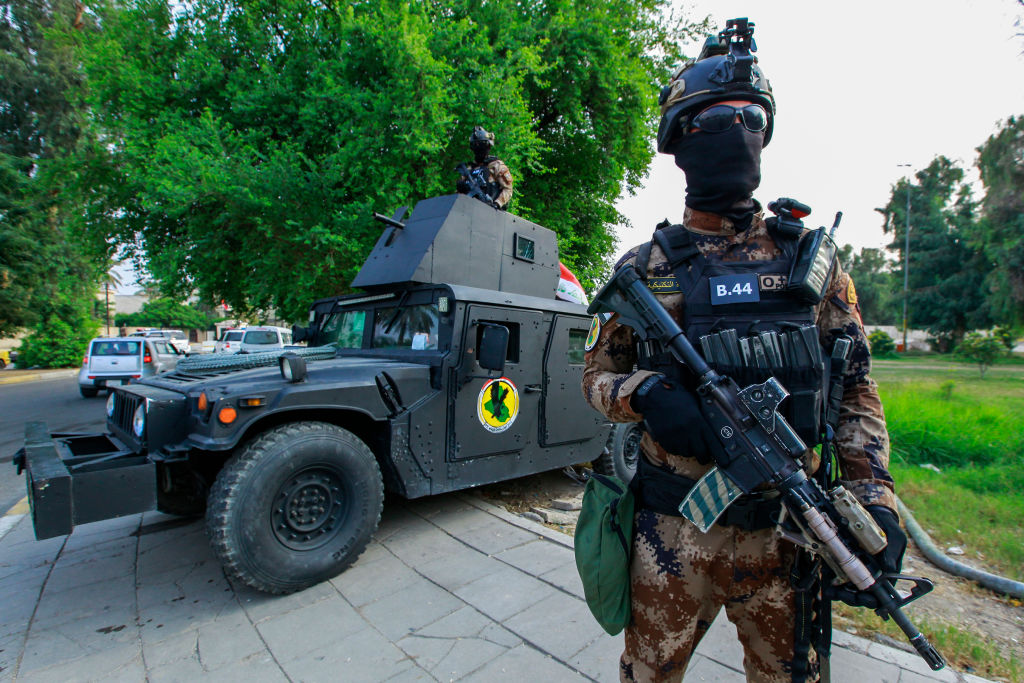
Late on June 25, the Iraqi Counter Terrorism Service carried out an operation against Kataib Hezbollah, a powerful Iran-backed militia, in the suburbs of Baghdad, detaining militiamen, confiscating mobile Katyusha rocket launchers, and accusing the group of plotting another round of rocket attacks targeting the Green Zone and Baghdad International Airport.
Iraq special briefing: The challenges facing Prime Minister Mustafa al-Kadhimi
Six scholars from across MEI take a closer look at the challenges facing Iraq’s new prime minister, from the protest movement and Baghdad-Erbil relations to the balancing act between Washington and Tehran.
The difficult ordeal of forming a new Iraqi government
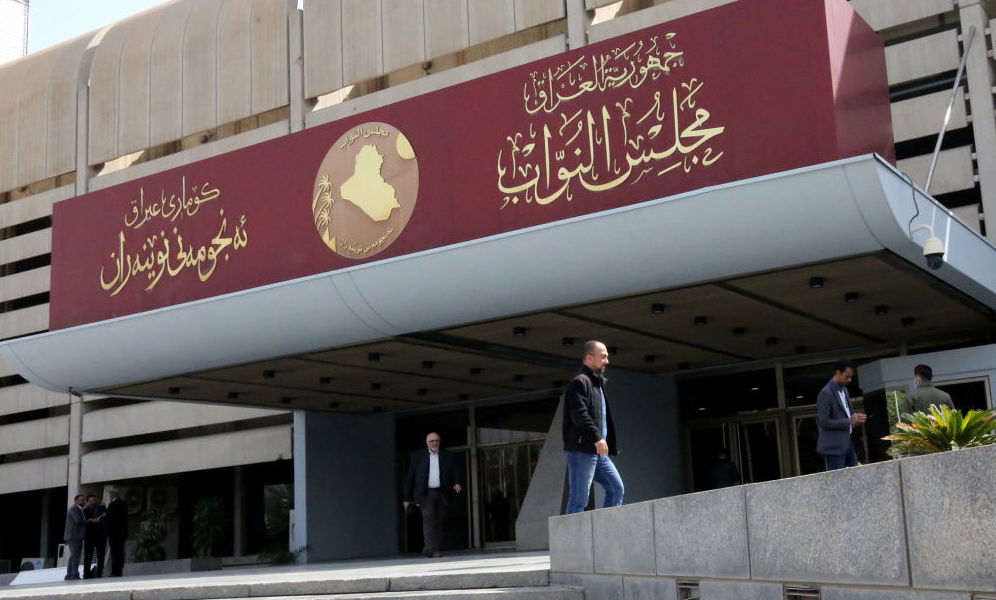
On March 1, Iraqi PM designate Mohammed Tawfiq Allawi announced that he had failed to form a new government to replace the current caretaker one headed by PM Adel Abdul-Mahdi. In the post-Saddam era, government formation in Iraq has always been a complicated process, but this is the first time since 2003 that a PM designate failed to form a government and the episode has revealed fundamental deficiencies in the Iraqi political process.