This individual is a guest contributor. MEI is not able to assist with contact requests.
Steven Kenney is the former head of MEI’s Strategic Foresight Initiative and the founder and principal of Foresight Vector LLC, an advisory firm he created to help organizations develop the strategies they need to achieve their greatest success. He is widely recognized for his expertise and more than twenty-five years’ experience in the methods of strategic foresight and their application.
He has advised a wide variety of government, corporate, and non-profit sector organizations on how to create their future. Steven’s work includes advisory engagements for top executives in Fortune 500 and other leading corporations. He has also designed and led engagements for top leaders in Cabinet-level departments of the US government, and for dozens of US and other nations’ government agencies.
From 2016 to 2019, in addition to his leadership of Foresight Vector and his work with all its clients, he also served as an Executive in Residence at N2Growth, a global leadership advisory services firm. Prior to founding Foresight Vector, Steven was a Vice President at Monitor 360 (a spin-off of Global Business Network, the scenario-based strategy advisory firm founded by Art of the Long View author Peter Schwartz), and a Partner in Toffler Associates, the executive advisory firm founded by world-renowned futurist Alvin Toffler, with whom he worked for more than fifteen years.
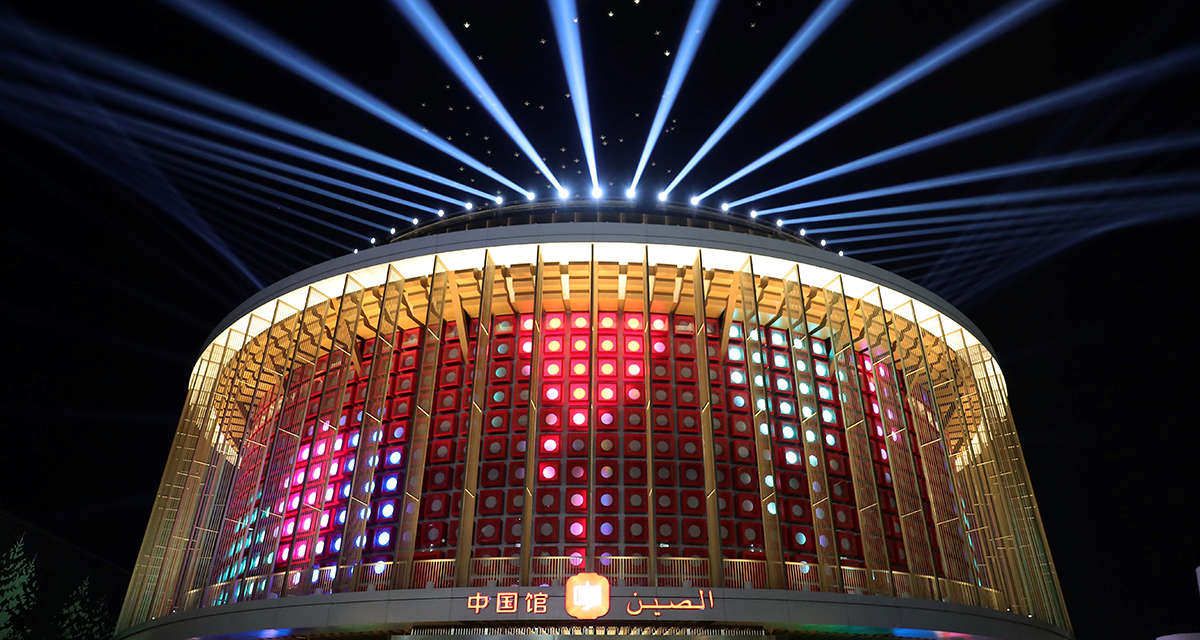
For decades, the MENA region’s pivotal role in the global economy has been rooted primarily in oil and gas exports. The region’s GDP grew from $1 trillion USD in 2000 to nearly $4.5 trillion in 2022, and more than 60% of that combined GDP is in its oil-exporting countries.
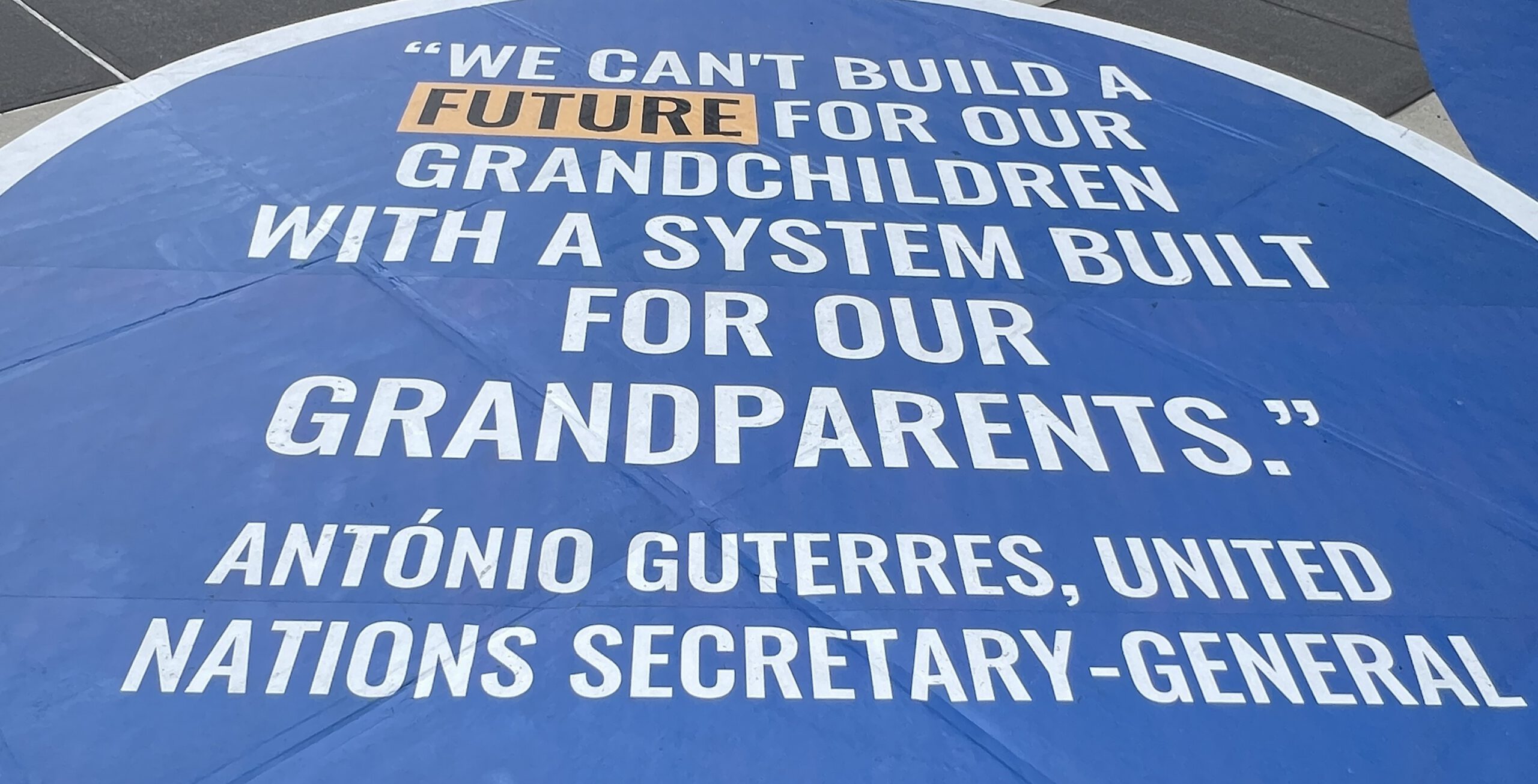
At last month’s Summit of the Future, the more than 190 UN member countries agreed to unprecedented new commitments on behalf of future generations, and they pledged to build a long-term future perspective into their mechanisms of governance, domestically and multilaterally. MEI’s Strategic Foresight Initiative program director Steven Kenney reflects on attending the summit and its outcomes.
The US and China in the Middle East: Three scenarios for 2050
The Middle East and North Africa is likely to be one of many venues in what might be a new Cold War between Washington and Beijing. Barın Kayaoğlu and Steven Kenney explore factors shaping the role of MENA countries in US-China competition in the region and map out potential future scenarios.
Strategic foresight is helping create Arab futures
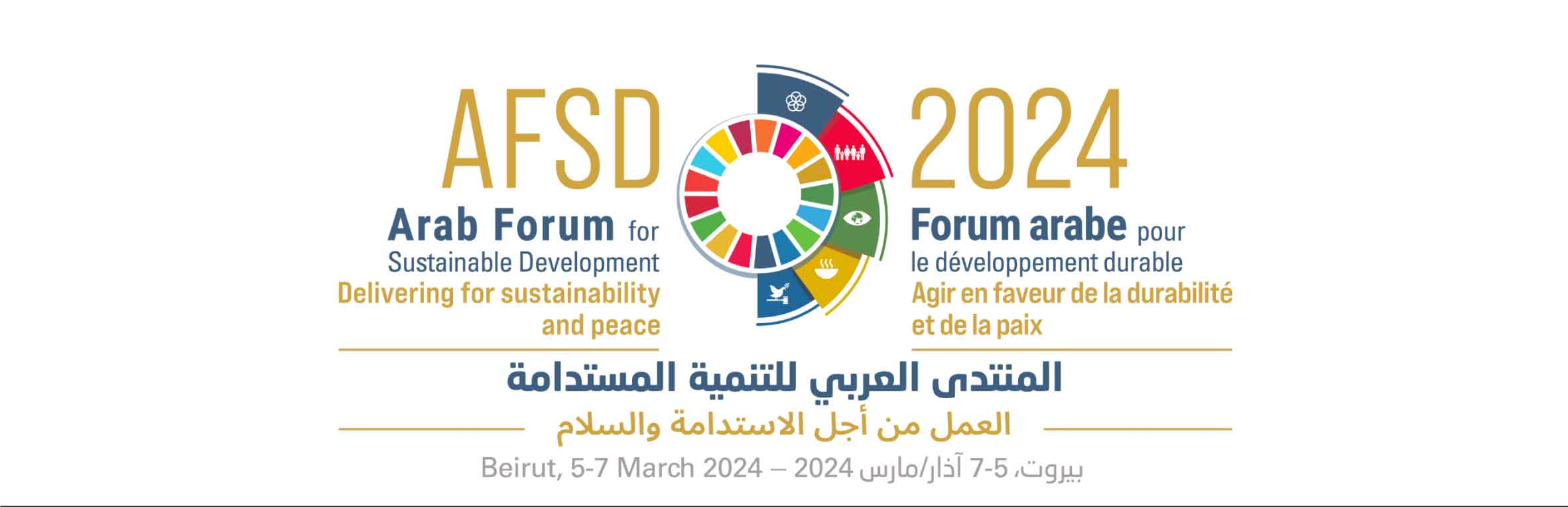
On March 5-7, 2024, the United Nations’ Economic and Social Commission for Western Asia (ESCWA) hosted the annual Arab Forum for Sustainable Development (AFSD). The inclusion of a special session on “Collaborative Futures: Strategic Foresight for Sustainable Development in a World of Crisis” is another example of the growing attention to foresight-driven analysis and decision-making among leaders in the Arab world.
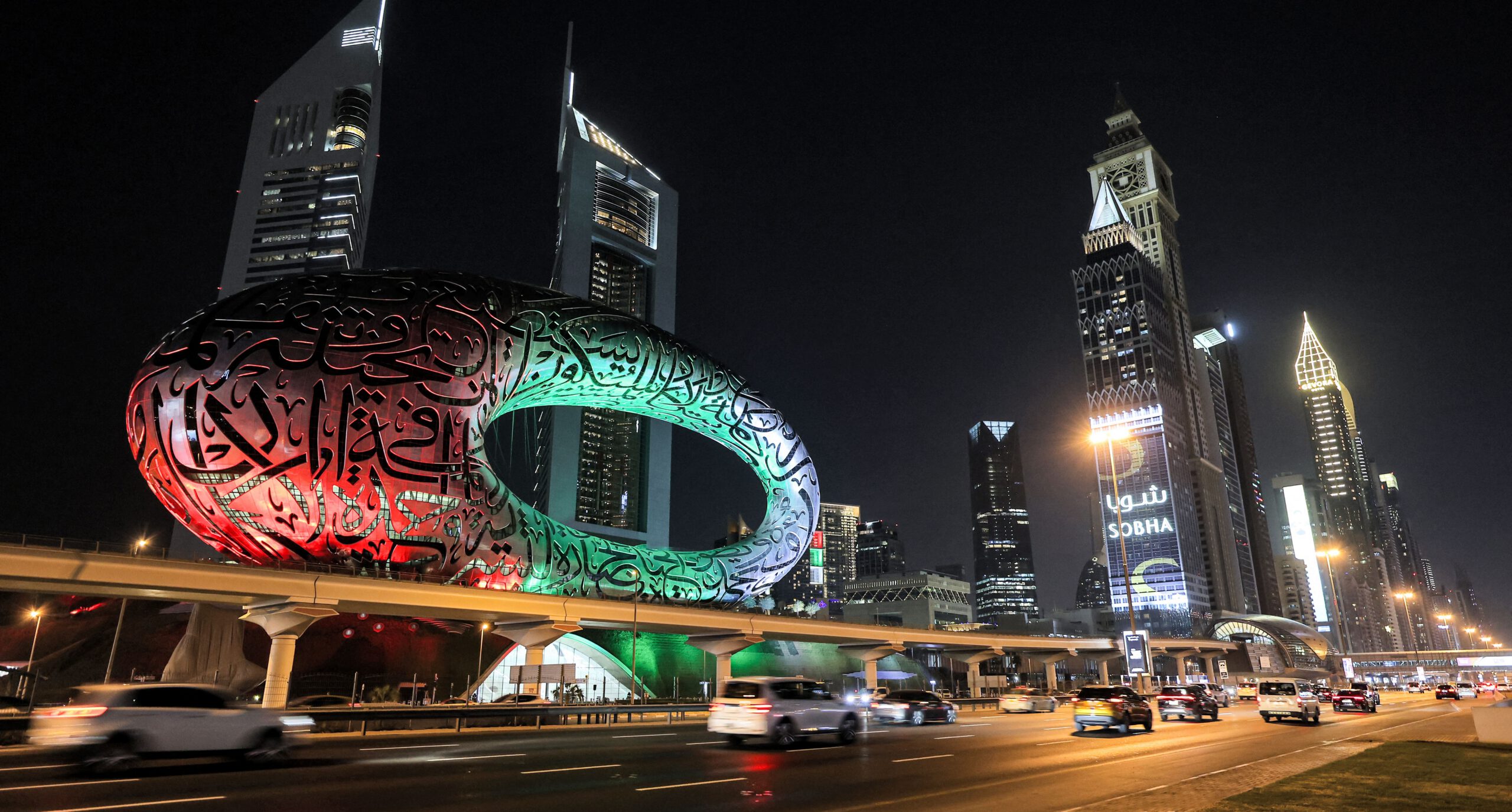
Two weeks ago, I had the privilege of joining more than 800 fellow futurists, and another 1,500 “futures-adjacent” collaborators, from over 100 countries at the second annual forum convened by the Dubai Future Foundation. Arriving with high expectations, I left even more enthused than I’d anticipated, and with invaluable new learning from those around me.
Seeding future stability: How can startup ecosystems help build peace?
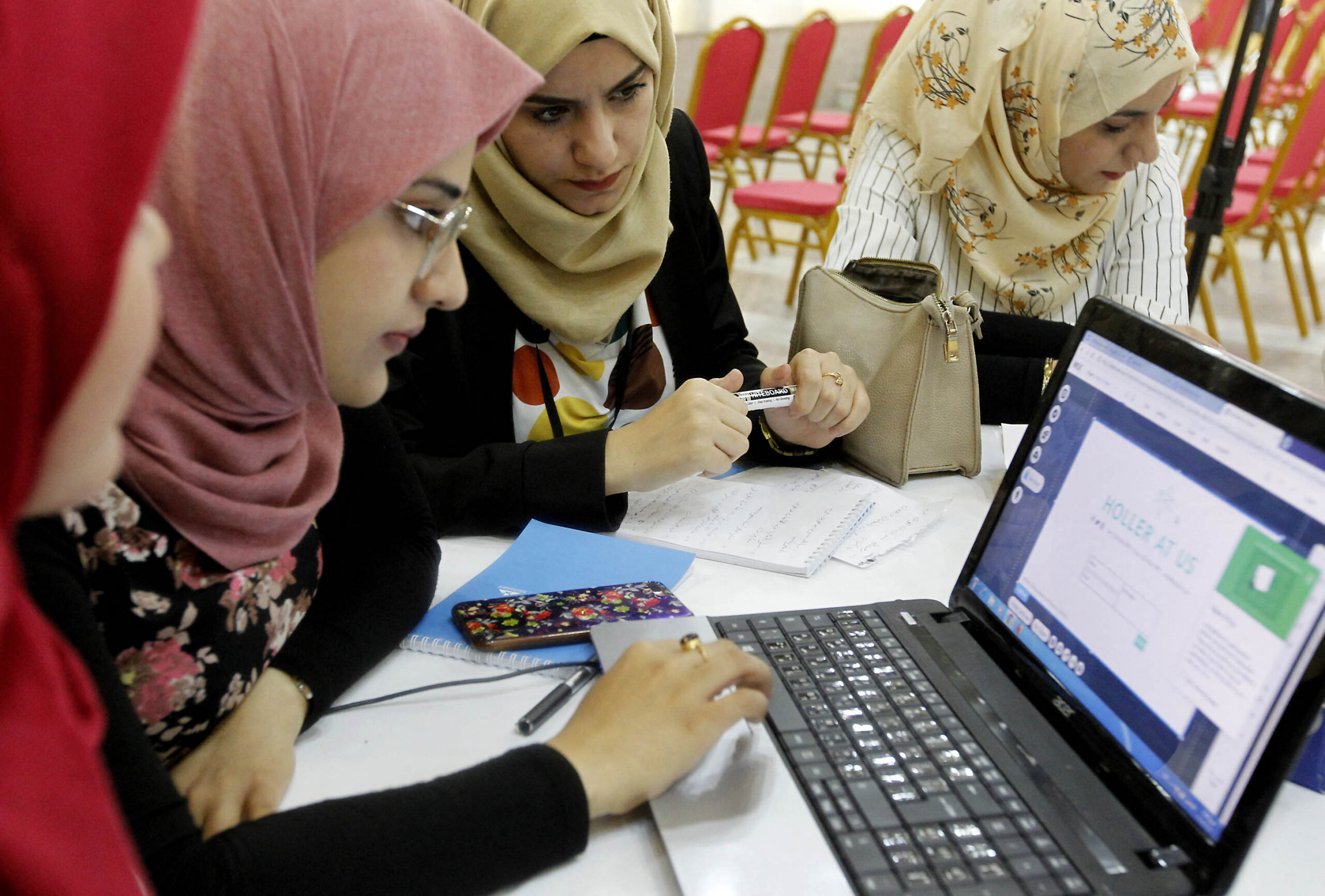
Disregarding the fundamental desire for economic opportunity carries real risk to stability and peace. If we imagine different possible futures for economically disadvantaged communities in MENA and elsewhere, one difference between conflict futures and peaceful, stable ones may be the degree to which entrepreneurial capability is afforded the conditions in which to thrive.
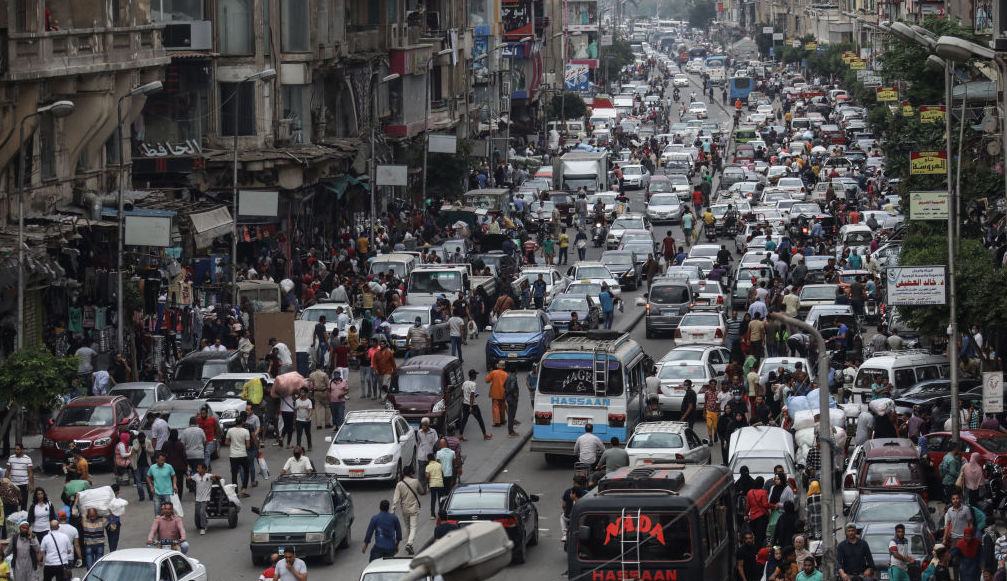
The starkness of reaching 8 billion in global population, as the U.N.’s report announced last week, makes it easy to think the numerical increase is the only story, but no trend can be considered in isolation. Three factors, none of which are MENA demographic trends, will be significant determinants of whether the region will be able to realize a hoped-for “demographic dividend.”
Thinking MENA Futures: The Next Five Years and Beyond
The Middle East and North Africa (MENA), for a variety of reasons, are unrivaled in their need for bold, creative thinking about their future. But that is precisely why creative thinking about the future of the region — why strategic foresight — is essential. Produced in conjunction with MEI’s Strategic Foresight Initiative, Thinking MENA Futures aims to map out some of the possible futures for the region, as envisioned by thoughtful innovators working today to realize them.
Relations between the U.S. and Black Sea countries are complex. The Western-oriented Georgia and Romania have shown unconditional support for greater U.S. involvement. Others, like Turkey and Russia, will continue to challenge Western involvement. And while relations between Black Sea countries reflect similarly complex cooperation and conflict patterns, common among them is a hope that the Biden Administration will bring a shift in U.S. policy in the region.
Frontier Europe Initiative’s new report, Alternative Futures for the Black Sea Region, is designed to inform the development of a U.S. strategy for the Black Sea region by considering a range of alternative future scenarios.
The Biden administration and the Middle East: Four-year policy goals
The Biden administration will face a number of major challenges in the Middle East over the next four years, from great power competition and climate change to cybersecurity and refugees and migration. But what realistically can it achieve in that time on the policy front? To better understand what’s possible, we asked 10 experts from across MEI to weigh in with their thoughts.
New ways of fighting state-sponsored COVID disinformation
Keeping up with and making sense of the flood of information about the COVID-19 pandemic is a challenge. It doesn’t help that much of that information is misleading, often by design. The “infodemic” surrounding the coronavirus, described as such by the World Health Organization (WHO) as early as February 2020, “spreads faster and more easily than the virus” itself. A recent joint statement by WHO, UN, UNICEF, UNDP, UNESCO, UNAIDS, ITU, UN Global Pulse, and IFRC noted grave consequences. It is “undermining the public health response and advancing alternative agendas of groups [and] individuals,” in ways that “cost lives … and threaten long-term prospects for advancing democracy, human rights, and social cohesion.”
DIY futures in the Middle East: What if small got bigger?
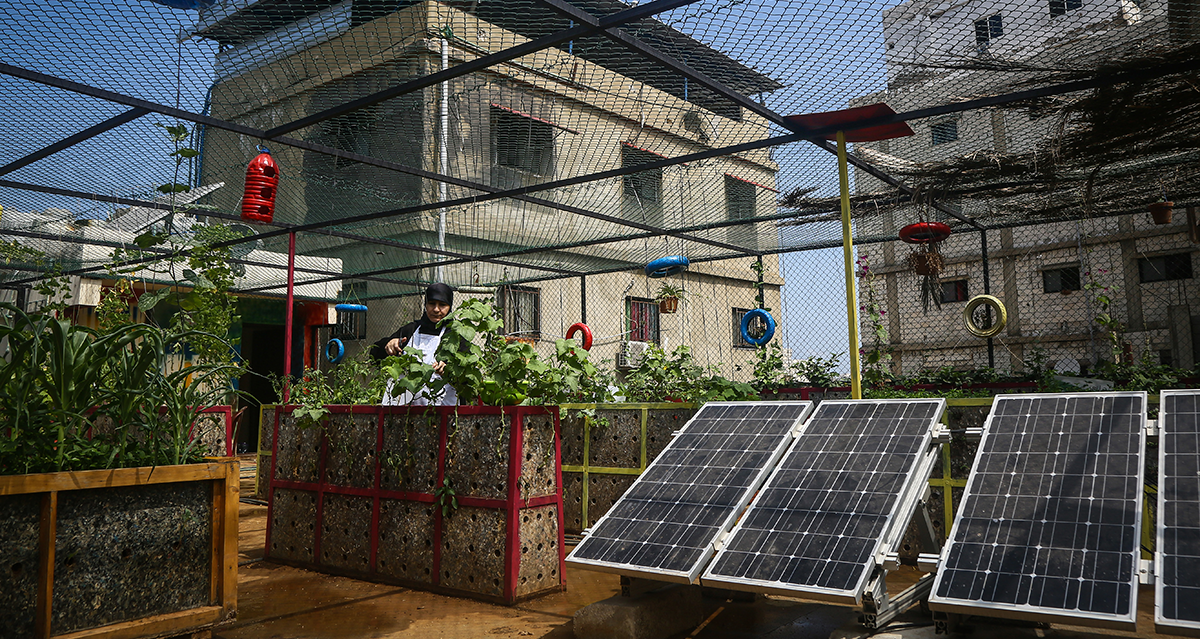
It’s difficult to look at the Middle East and consider its future optimistically. Much of the analysis of the region centers on crisis and collapse. There is plenty of both, fueled by wars and civil conflicts, poverty, extremism, and more. Given the human toll, focusing on all this is natural. It is also necessary if solutions to deeply rooted problems are ever to be developed, leading to a better future.A related risk is becoming blinded to “weak signals” — early indicators of what could become features of potential alternative futures. Weak signals are developments that are emerging outside the dominant norms and trends of today. In the Middle East, probably the most dominant norm is the inability of governments throughout the region to provide security and prosperity for their citizens. The COVID-19 pandemic is making this even more apparent, and markedly worse. It is not just the obvious failed states — as Steven Cook recently observed, “sometimes state failure is a more chronic condition.” But in the midst of this — and fueled by it — there is evidence of activities at the local level to create what is missing. Could these be signals of a future different than the one it is so easy to expect for the region?